South of Fifth can suit California entrepreneurs when privacy, service, governance, staffing, and digital readiness align with a founder’s daily operating rhythm.
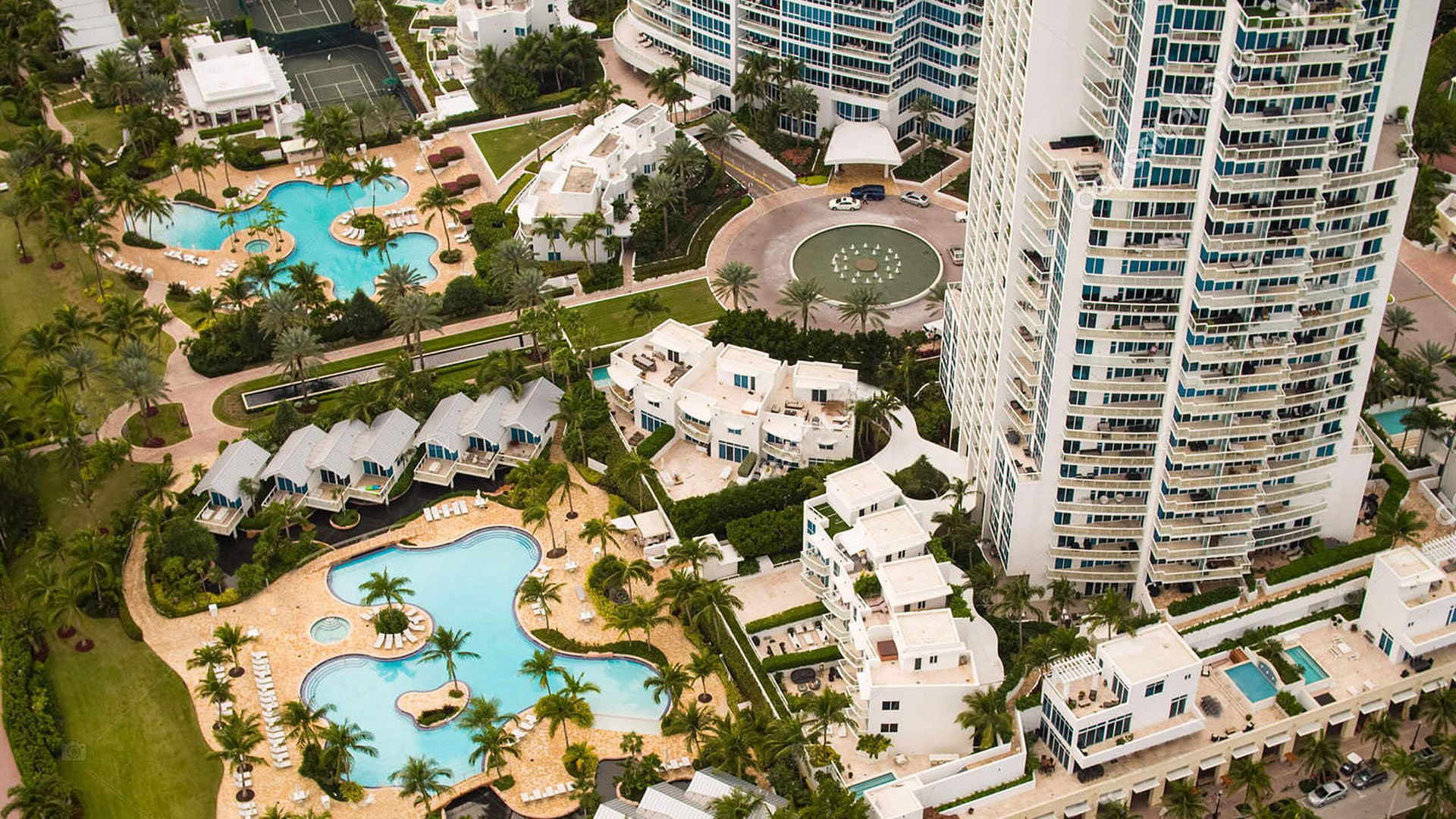
For the California entrepreneur, South of Fifth is rarely a casual relocation. It is typically a strategic lifestyle decision: a residence that must operate as a private retreat, business base, family landing pad, and lock-and-leave asset without friction. Architecture may create the first impression, but building operations often determine whether the address truly works.
SoFi can be remarkably practical for founders who divide time among board meetings, capital events, travel, and family obligations. The area offers an urban beach lifestyle without the infrastructure demands of a sprawling estate, yet that convenience depends on the condominium itself. If front desk protocols are inconsistent, elevators are unreliable, vendor access is loose, or board culture is reactive, even a spectacular residence can feel operationally thin.
That is why the question is not simply whether South of Fifth is desirable. The sharper question is whether a specific building can support an entrepreneur’s pace with discretion, predictability, and institutional-grade service.
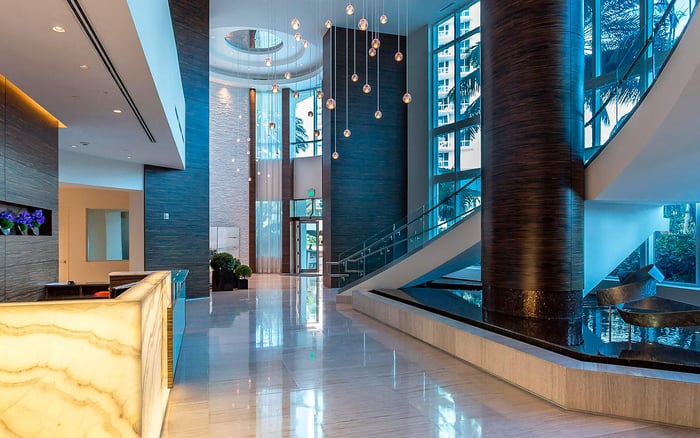
The first operational screen is daily reliability. A founder may not need constant formality, but they do need confidence. Staff should understand privacy, package handling, guest arrival, transportation coordination, service appointments, and after-hours responsiveness. The building should feel composed on ordinary days, not merely polished during showings.
Access control is equally important. California buyers accustomed to highly managed private environments often expect clear boundaries between residents, guests, vendors, and short-term visitors. In South of Fifth, the strongest condominium experience is usually one where building personnel know residents, enforce policies without drama, and keep common areas feeling residential rather than transient.
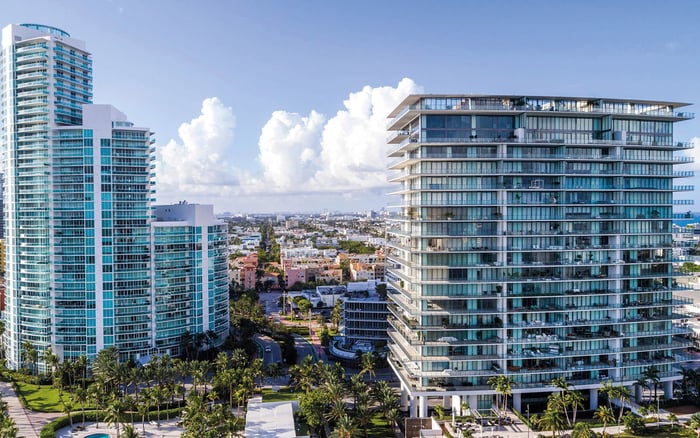
A buyer considering Continuum on South Beach, for example, is not only comparing views and floor plans. They are assessing how the arrival sequence, resident services, grounds, staffing cadence, and overall building culture fit a life that may shift from private family time to high-stakes professional calls in the same afternoon.
In ultra-premium condominium ownership, governance is not an administrative footnote. It is part of the product. Board discipline, reserve philosophy, insurance planning, capital projects, house rules, and communication style all influence the quality of ownership. A beautifully maintained lobby is reassuring, but the deeper question is how decisions are made when conditions change.
Entrepreneurs tend to understand this quickly because they know operations compound. A building with clear standards, responsive management, and a rational approach to maintenance can preserve ease over time. A building with personality-driven decisions, deferred repairs, or inconsistent enforcement can create hidden drag.
This is where due diligence should move beyond aesthetics. Review meeting culture, upcoming projects, service contracts, staffing structure, elevator performance, amenity maintenance, security procedures, pet policies, rental rules, and construction protocols. None of these details may feel glamorous, but together they form the private operating system of the residence.
Many California entrepreneurs are not seeking a conventional primary-residence rhythm. They may be in Miami for concentrated periods, then away for weeks. The right South of Fifth building should make absence feel uneventful. That requires dependable front desk communication and clear protocols for deliveries, maintenance access, housekeeping, vehicles, and visiting family.
Second-home ownership places pressure on management quality. A residence should not require constant owner intervention to remain ready. When a buyer arrives late from the West Coast, the building should already know how to receive them. When a vendor needs access, the process should be controlled. When guests arrive, the experience should be warm but not porous.
A residence at Apogee South Beach may appeal to buyers who want the feeling of a serious private building rather than a casual beach address. The specific unit still matters, but the operating environment determines whether the home can function with minimal owner oversight.
For entrepreneurs, productivity is part of residential value. The home must support confidential calls, investor conversations, creative work, and rapid decision-making. That does not mean every building must present itself as a workplace. It means the residence should have the practical foundations for uninterrupted living: strong connectivity, reliable cellular performance, efficient package systems, predictable service scheduling, and quiet common-area behavior.
A South of Fifth buyer should test the residence at the times they expect to use it. Morning calls, evening arrivals, weekend guest flow, and elevator traffic can each reveal something. The most refined buildings feel composed across different hours, not just during a midweek appointment.
Entrepreneurs should also consider whether the unit layout supports simultaneous uses. A partner may need privacy, children may be visiting, and the owner may need a contained work zone. The building can be impeccable, but if the plan does not support the owner’s rhythm, the fit may still fall short.
South of Fifth appeals because it can provide access without surrendering privacy. The best buildings allow an owner to move easily between dining, beach, marina-oriented routines, wellness, and home without feeling exposed. That balance is subtle. Too much informality can undermine discretion. Too much stiffness can make the residence feel like a hotel without warmth.
The right building finds the middle ground: attentive but not theatrical, secure but not forbidding, polished but not performative. This is especially relevant for founders, investors, and executives who may host selectively and value a low-profile arrival.
Buyers comparing newer hospitality-influenced offerings such as The Ritz-Carlton Residences® South Beach should separate brand perception from operational fit. The question is not whether a name is recognizable. It is whether the services, rules, staffing, and resident culture match how the owner actually lives.
Investment logic in South of Fifth should be framed with restraint. A California entrepreneur may care about long-term value, liquidity, and scarcity, but the immediate priority is utility. If the residence solves real lifestyle problems, supports privacy, and reduces friction, it may justify itself more clearly than a property chosen only for projected appreciation.
The most resilient purchase thesis is usually specific: a preferred building, a desirable line, a rational floor height, a usable terrace, strong maintenance standards, and a governance profile the buyer can live with. The weakest thesis is generic enthusiasm for a neighborhood without building-level conviction.
South of Fifth can reward selectivity. It is not a market where every luxury label creates the same ownership experience. Two towers on the same short list can feel entirely different once staffing, common areas, resident composition, and board culture are understood.
Before choosing a residence, entrepreneurs should define the operating brief. How often will the owner be in residence? Who else needs access? Will the home support work calls? Are pets involved? Will private chefs, trainers, assistants, security personnel, or drivers need building coordination? Does the buyer prefer a social building or a quiet one?
Then the search should be sequenced accordingly. Start with building operations, then narrow to unit quality. This prevents the common mistake of falling in love with a view in a building that cannot support the owner’s lifestyle.
A polished purchase process should include management conversations where available, document review, financial review with qualified advisers, insurance awareness, physical inspection, and a sober look at future assessments or capital needs. The point is not to make the process heavier. It is to make ownership lighter after closing.
Why does building operations matter so much in South of Fifth? Because the neighborhood lifestyle only works if the building supports privacy, service, access control, and daily reliability without owner intervention.
Is South of Fifth a good fit for California entrepreneurs? It can be, particularly for buyers who want a refined coastal base with strong lock-and-leave functionality and a discreet residential atmosphere.
Should taxes drive the purchase decision? Tax planning should be handled by qualified advisers, while the real estate decision should focus on fit, governance, privacy, and long-term usability.
What should buyers ask about staffing? Ask how the building handles arrivals, vendors, packages, after-hours needs, maintenance access, and communication when the owner is away.
Are branded residences automatically better operated? Not automatically. A brand can signal service intent, but buyers still need to evaluate rules, staffing, management quality, and resident culture.
How important are condominium reserves and governance? Very important. They influence maintenance quality, future costs, decision-making, and the overall confidence of ownership.
What makes a unit work for a founder’s lifestyle? Privacy, quiet work areas, reliable connectivity, efficient arrivals, and enough separation for family, guests, and professional calls.
Can a South of Fifth condo function as a second home? Yes, if the building has disciplined management, secure access procedures, and clear support for owners who travel frequently.
What is the biggest mistake buyers make? Choosing the view first and discovering later that the building’s rules, staffing, or culture do not match how they live.
How should entrepreneurs compare buildings? Compare the operational experience as carefully as the architecture, including service consistency, governance, privacy, and day-to-day ease.
For a discreet conversation and a curated building-by-building shortlist, connect with MILLION.
If branded residences are on your mind — as a home or as an allocation — we would be glad to share what we are seeing, privately.
Begin a quiet conversation