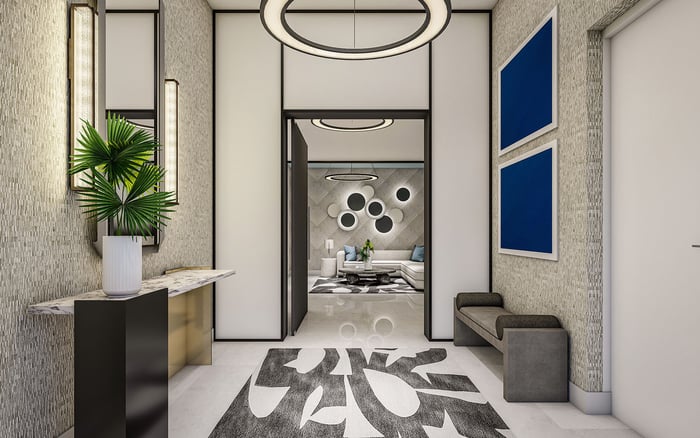
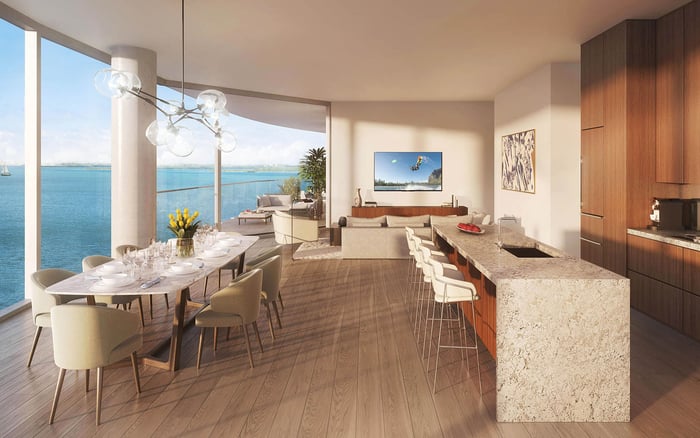
For collectors and design-led buyers, a loading dock is not a back-of-house detail. It is part of the ownership experience, especially when art, wine, antiques, and custom furniture must arrive without heat exposure, damage, delay, or unnecessary visibility.
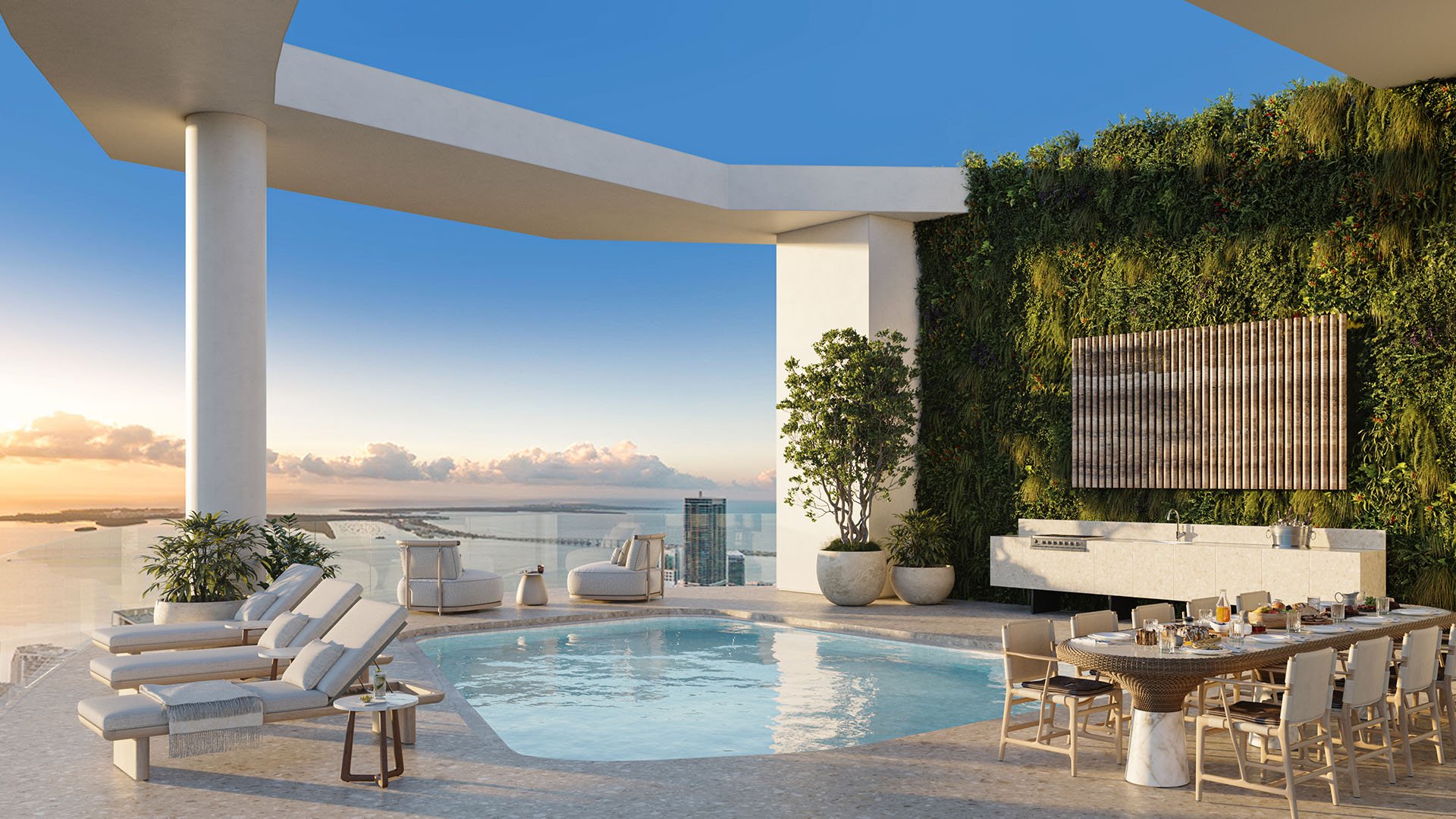
For a buyer moving museum-framed works, temperature-sensitive wine, lacquered cabinetry, bespoke upholstery, or a grand-scale dining table, the loading dock is not a minor operational detail. It is the point where a private collection enters the building, and it can determine whether the move feels seamless or precarious from the first hour.
Luxury buyers tend to focus on views, finishes, private elevators, wellness spaces, and parking. Those elements matter. Yet the most delicate day in ownership may occur before the first dinner party, when crates, climate-controlled trucks, installers, handlers, and building staff all need to move in sequence. A beautiful residence with a complicated service path can add risk, cost, and stress.
This is especially relevant across South Florida, where heat, humidity, storms, valet circulation, and compact urban sites can complicate logistics. In Brickell, a buyer comparing a vertical urban tower such as St. Regis® Residences Brickell should ask the same practical questions as a waterfront buyer in Miami Beach or Sunny Isles. The goal is not simply to confirm that a dock exists. The goal is to understand whether the building can receive what you actually own.
The first questions should be physical. What truck sizes can the dock accommodate? What is the overhead clearance from the street approach through the loading area? Can a climate-controlled box truck back in safely, or must goods be transferred at the curb? Is there a level transition from truck to dock, or will crews need ramps and additional handling?
For designer furniture, scale can be as important as value. Ask for the full path from dock to residence: loading area, service corridor, freight elevator, elevator cab dimensions, door openings, turning radii, service vestibule, and final entry into the home. If the residence has a private elevator landing, clarify whether deliveries can use it or whether all goods must move through a separate service route.
Penthouse acquisitions deserve particular attention. Oversized art, stone tables, custom millwork, and large outdoor pieces may not fit the ordinary freight path. If a Balcony or Terrace installation is part of the plan, ask whether the building permits crane, hoist, or specialized rigging work, and who approves it. Do not rely on a verbal assurance that “large items move in all the time.” Ask for the actual protocol.
Art, wine, leather, parchment, antiques, and high-gloss finishes dislike sudden changes in temperature and humidity. In South Florida, the risk is not theoretical. A delivery that waits outside in afternoon heat, or sits in an unconditioned service corridor, may undermine the care taken during packing and transport.
Ask whether the loading dock, receiving area, and service elevators are conditioned or only ventilated. If the dock is not conditioned, ask whether the building allows direct, scheduled transfer from truck to elevator without staging. If a wine collection is involved, clarify whether the building can support a timed delivery with minimal dwell time and whether staff can reserve the route in advance.
Backup HVAC is also worth discussing. A building may have elegant front-of-house cooling, but a collector should understand what happens during service-area outages, storm events, generator transitions, or maintenance windows. The question is simple: if a climate-sensitive delivery arrives during an operational disruption, who has authority to delay, reroute, or secure the shipment?
Oceanfront ownership adds another layer. Salt air, wind, and humidity can affect the way goods should be staged. Buyers considering residences such as The Perigon Miami Beach should treat the loading sequence as part of preservation planning, not merely move-in administration.
For valuable art and wine, discretion is a security feature. Ask how the dock is accessed, who controls entry, whether vendors must be pre-registered, and how identification is verified. Confirm whether there is video surveillance in the loading area, service corridors, freight elevators, and receiving zones. Then ask how footage is retained and who may review it after an incident.
The more valuable the contents, the more important chain of custody becomes. Will building staff sign for items, or must the owner’s representative be present? Are packages ever held in a receiving room? Is that room locked, attended, conditioned, and monitored? Can fine art crates remain sealed until the installer arrives, or does the building require inspection for move-in compliance?
Privacy matters as much as protection. In a high-profile building, a visible unloading process can reveal collecting habits, renovation plans, or occupancy timing. Ask whether the dock is screened from public view and whether residential moves are separated from commercial deliveries, catering, floral installations, or event vendors.
Even the best dock fails if it cannot be reserved when needed. Ask how far in advance move-ins, art installations, wine deliveries, and furniture receiving must be scheduled. Are weekend moves allowed? Are there blackout dates during holidays, major events, or high-occupancy periods? Can multiple vendors work consecutively in one day, or does each require a separate reservation?
New-construction buyers should be particularly careful during early occupancy, when many residents may be moving in, designers may be completing punch work, and elevators may be heavily booked. A building with strong staff protocols can feel composed even during this period. A building without clear scheduling discipline can turn a refined installation into a queue.
In Sunny Isles, where large residences often involve substantial furnishings and art programs, a project such as Bentley Residences Sunny Isles is the kind of address where buyers should ask about move-in choreography early, before procurement and installation calendars are finalized.
Before closing, request the condominium or association rules governing deliveries, moves, vendor insurance, elevator protection, deposits, damages, and working hours. Ask whether art handlers, wine transporters, millwork installers, and furniture receivers need separate certificates of insurance. Confirm who must be named on those certificates and how much lead time management needs to approve them.
Some buildings require elevator padding, masonite floor protection, corner guards, security escorts, or refundable deposits. Those requirements are not obstacles if they are known early. They become problems when a truck is waiting, a crew is billing hourly, and the necessary paperwork has not been cleared.
The buyer’s designer, collection manager, wine consultant, and mover should review these rules together. A sophisticated building team will welcome precise questions because they reduce surprises. If the answers are vague, ask for a walk-through with management before the inspection period ends.
The most useful approach is to turn the loading dock into a checklist. Can the dock handle the vehicles you expect? Is the route conditioned, monitored, and reserved? Are there backup procedures? Who controls access? How are valuable items secured? What happens if a crate does not fit? What costs are charged to the owner? Who makes the final decision when a delivery is unusual?
On Fisher Island, where privacy and logistics are central to the ownership experience, a buyer considering The Residences at Six Fisher Island would be well served by bringing these questions into the purchase conversation early. The same applies across Brickell, Miami Beach, Bal Harbour, Coconut Grove, Palm Beach, and every boutique building where the service path is highly specific.
The quietest luxury is competence. A loading dock that is appropriately sized, properly managed, climate-aware, secure, and predictable will rarely be discussed at dinner. That is precisely the point.
Why should a luxury buyer ask about the loading dock before closing? Because art, wine, and designer furniture may require specialized handling, timing, climate control, and security that should be understood before ownership begins.
What is the first loading dock detail to verify? Start with truck access, overhead clearance, dock dimensions, and the complete service route from vehicle to residence.
Should I ask about the freight elevator? Yes. Confirm cab size, door width, weight limits, reservation rules, protective padding, and whether oversized items have an alternate route.
Does climate control matter for short deliveries? It can. Heat and humidity exposure during staging or delays may matter for wine, art, antiques, leather, and delicate finishes.
What security questions are most important? Ask who controls dock access, whether vendors are pre-approved, where cameras are located, and how valuable items are signed in or supervised.
Can building staff receive art or wine on my behalf? Policies vary. Clarify whether staff may sign for valuables, where items are held, and whether the storage area is locked, monitored, and conditioned.
What if my furniture will not fit through the service path? Ask whether the building permits rigging, hoisting, crane work, or special installations, and obtain approval requirements before purchase.
Are move-in windows negotiable in luxury buildings? Sometimes, but do not assume flexibility. Review scheduling rules, blackout periods, deposits, vendor insurance requirements, and weekend policies.
Should my designer review the loading dock? Yes. Designers and art handlers can identify scale, finish, sequencing, and protection issues that may not appear in ordinary buyer walk-throughs.
Is this more important for a Penthouse or Oceanfront residence? Often yes, because larger furnishings, Terrace pieces, exposure concerns, and more complex installations may make logistics more consequential.
For a tailored shortlist and next-step guidance, connect with MILLION.
If branded residences are on your mind — as a home or as an allocation — we would be glad to share what we are seeing, privately.
Begin a quiet conversation