Seasonal ownership in South Florida requires a more exacting vendor access standard, one that protects privacy, property condition, staff coordination, and long-term asset value while the owner is away.

For seasonal buyers, a South Florida residence is rarely just a place to arrive. It is an asset expected to perform while the owner is away, often for long stretches, and then feel effortless the moment the family returns. That rhythm changes the meaning of vendor access. It is not simply a question of who may enter to polish stone, service climate systems, refresh landscaping, or prepare outdoor areas. It is a question of control.
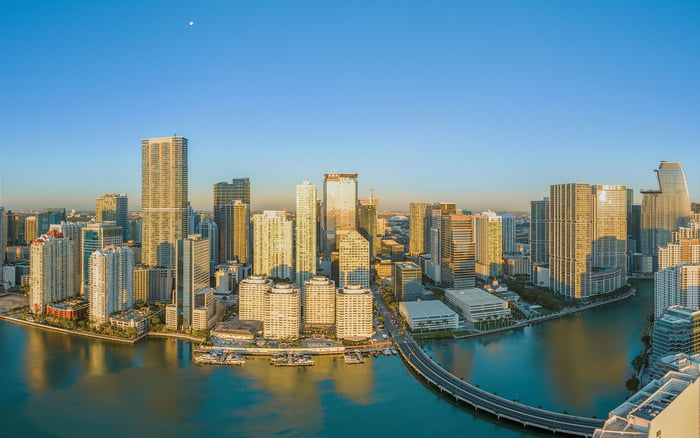
The highest standard is not the most restrictive standard. It is the most intentional one. A well-run seasonal residence allows the right people to enter at the right time, for the right purpose, under conditions that protect privacy, security, finishes, collections, pets, vehicles, and household routines. For buyers evaluating a Brickell condominium, an Aventura waterfront residence, or a quieter estate environment, vendor access deserves the same scrutiny as views, floor plans, and amenities.
Primary residents often notice small problems early. Seasonal owners may not. A minor leak, an unlocked service entry, an unverified technician, or an unclear instruction can become consequential simply because no owner is present to observe the work. The property may be staffed, intermittently checked by a manager, or completely still between visits. Each scenario requires a different access plan.
This is where many buyers underestimate the issue. They assume a trusted vendor list is enough. In practice, seasonal ownership needs a written access standard: who may approve entry, how identity is confirmed, which areas are permitted, whether a staff member or manager must be present, how completion is documented, and how exceptions are handled. The elegance of the experience depends on operational discipline behind the scenes.
The first layer is identity. Seasonal buyers should know whether the person arriving is the principal vendor, an employee, a subcontractor, or a replacement technician. A familiar company name is not the same as a verified individual at the door. For luxury homes, especially those with art, wine storage, jewelry safes, specialty garages, or sensitive family spaces, this distinction matters.
The second layer is scope. Access should be limited to the work being performed. A terrace contractor does not need access to bedroom suites. A pool technician does not need access to a private office. A delivery team should not wander through service corridors without a defined path. Scope turns access from vague permission into a controlled event.
The third layer is timing. Seasonal residences often require work while the owner is away, but convenience should not override oversight. Entry windows, arrival confirmations, and departure notices create accountability. They also reduce conflicts among housekeeping, property management, association rules, and building security.
The fourth layer is evidence. For many owners, a discreet completion note with photographs of the serviced area, time in and out, and any exceptions is sufficient. The point is not to create bureaucracy. It is to make the home legible to an absent owner.
Vendor access in a full-service condominium is not the same as vendor access in a private estate. A condominium may have front desk procedures, loading dock rules, elevator reservations, insurance requirements, and limits on service hours. A single-family residence may offer more physical control, but it can also place more responsibility on the owner’s team. A gated community may add another entry layer, but the residence itself still needs its own protocol.
Seasonal buyers should ask practical questions before closing or before the first season of use. Who can authorize vendors when the owner is abroad or unavailable? Are recurring vendors treated differently from one-time vendors? How are emergency entries handled? What happens if a vendor sends an unapproved subcontractor? If the property is an investment residence used selectively, or a second home preserved primarily for family use, the answers may differ.
The goal is to align the access standard with the way the property is actually lived in. A home with children, pets, or frequent guests needs a different rhythm than a residence kept museum-quiet between visits. A home with extensive outdoor entertaining spaces needs different pre-arrival preparation than a pied-à-terre used for short business stays.
In the ultra-premium market, privacy is not an accessory. It is a core expectation. Vendor access touches that expectation every time a person crosses the threshold. A seasonal buyer may have personal documents, family photographs, wardrobes, vehicles, collections, and digital systems inside the home. Even highly professional vendors should be given only the access they need.
This is why a discreet house manual is valuable. It does not need to reveal personal habits. It should define rooms that are off limits, photography rules, preferred service entrances, parking instructions, alarm procedures, and whom to contact if something unexpected occurs. It should also clarify whether vendors may bring assistants, use restrooms, enter storage areas, or move furniture.
The tone should be courteous, not suspicious. The best vendors appreciate clarity. It protects them as well as the owner. When expectations are written, there is less room for improvisation, misunderstanding, or awkward decisions made at the property gate.
The most revealing moment in seasonal ownership is arrival. If the home feels fresh, secure, and quietly prepared, the access system is working. If the owner arrives to unresolved maintenance, late deliveries, missing supplies, or unclear vendor notes, the property may be beautiful, but the standard is incomplete.
A strong pre-arrival protocol usually begins well before the owner lands. Climate, air quality, exterior areas, windows, linens, kitchens, terraces, pools, lighting, technology, and vehicles may all require review. The exact scope depends on the property, but the principle is consistent: vendors should be coordinated rather than stacked randomly in the final days.
This is particularly important in South Florida, where outdoor living is part of the luxury experience. Terraces, gardens, docks, pools, summer kitchens, and arrival courts often require specialized attention. Without a controlled schedule, one vendor’s work can interfere with another’s, and the final presentation suffers.
Before the first extended absence, seasonal buyers should create a vendor access protocol that is simple enough to use and strong enough to enforce. It should name authorized decision makers, list approved vendors by category, define identity verification, state whether supervision is required, and explain how keys, fobs, gate codes, or digital access tools are handled.
It should also include escalation rules. Emergencies do happen, and an access standard should not prevent necessary action. But urgent entry should still be documented, with clear notification to the owner or property manager. The distinction is important: flexibility should exist inside the standard, not outside it.
For buyers comparing residences, the presence of a sophisticated access environment can influence long-term enjoyment. A spectacular home that is difficult to service discreetly may create avoidable friction. A slightly more orderly building or estate setting may provide a smoother ownership experience over many seasons.
Seasonal buyers need a different standard for vendor access because absence magnifies every operational decision. The residence must be open enough to be cared for and closed enough to remain private. It must welcome trusted professionals without surrendering control. It must be prepared for arrival without becoming overexposed in the process.
The best luxury ownership feels effortless, but it is rarely casual. Behind the calm entry, polished stone, chilled interiors, and ready terrace is a disciplined access framework. For South Florida buyers, that framework is not a minor management detail. It is part of the architecture of ownership.
Why do seasonal buyers need stricter vendor access rules? Because the owner is often absent, small access errors can go unnoticed and create larger privacy, security, or maintenance concerns.
Should every vendor be allowed into the entire residence? No. Access should be limited to the specific area needed for the approved work.
Is a trusted vendor list enough? It helps, but seasonal owners also need identity checks, timing rules, supervision standards, and documentation.
Who should approve vendor entry when the owner is away? A designated property manager, household manager, or other authorized representative should be named in writing.
Do condominiums and single-family homes need different access plans? Yes. Buildings, estates, and gated settings each have different procedures, risks, and oversight needs.
Should vendors provide completion notes? Yes. A concise note with time, scope, and any issues gives absent owners a clear record.
How should emergency access be handled? Emergency entry should be allowed when necessary, but it should be documented and communicated promptly.
Can access standards protect privacy? Yes. Clear rules on rooms, photography, service paths, and approved contacts help preserve discretion.
When should buyers create an access protocol? Ideally before the first extended absence, and certainly before the first full seasonal arrival.
Does vendor access affect resale value? It can support long-term condition and owner confidence, both of which matter in luxury property stewardship.
To compare the best-fit options with clarity, connect with MILLION.
If branded residences are on your mind — as a home or as an allocation — we would be glad to share what we are seeing, privately.
Begin a quiet conversation