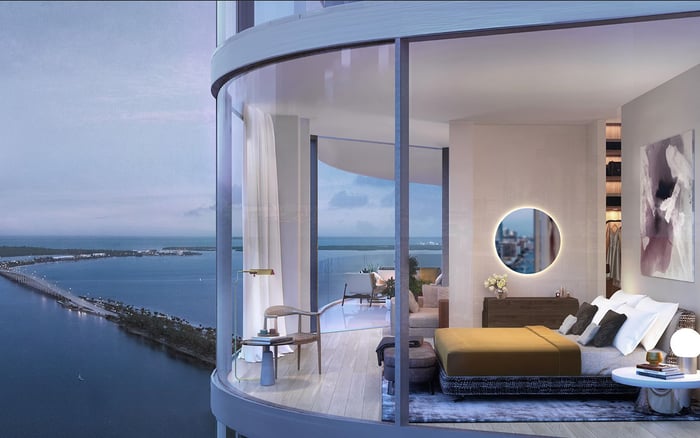
Seasonal luxury homeowners in South Florida need a smart-home cybersecurity standard built around vacancy, vendor access, guest turnover, and remote control rather than daily occupancy assumptions.
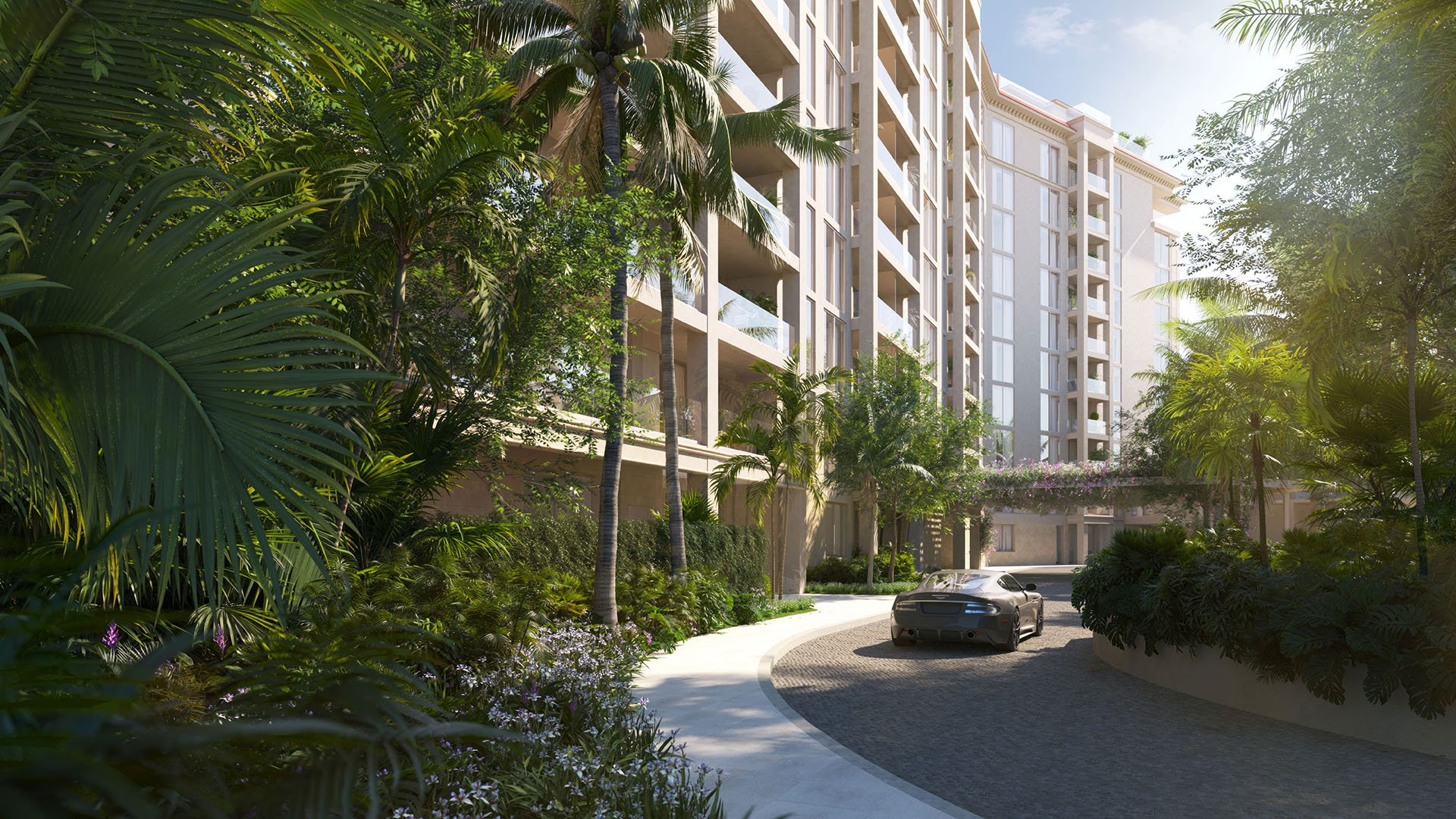
For South Florida’s seasonal luxury buyer, the residence is no longer a quiet asset waiting patiently between visits. It is an active, connected environment: cameras, climate systems, access controls, lighting scenes, elevators, pool equipment, garages, shades, media rooms, and voice-controlled conveniences may all remain online while the owner is in another city, another country, or aboard a yacht.
That convenience is part of the modern appeal. It also means a second home demands a different cybersecurity posture than a primary residence. In a primary home, the owner often notices irregularities quickly. In a seasonal home, a door code that remains active too long, a camera that goes offline, or a vendor account that still has permissions may go unnoticed until the next arrival.
The distinction is not paranoia. It is stewardship. Ultra-modern residences in Brickell, Miami Beach, Sunny Isles, Fisher Island, and other high-value enclaves increasingly function as digital estates as much as physical ones. Buyers who treat cybersecurity as a closing-day afterthought are missing a critical layer of ownership.
A seasonal property is exposed in a different rhythm. It may sit empty for weeks, then become highly active for a holiday stay, then pass through the hands of staff, family, guests, property managers, designers, audiovisual technicians, pool teams, housekeepers, or maintenance vendors. Each transition creates a permissions moment.
The traditional luxury security conversation centered on gates, cameras, guards, alarms, safes, and privacy landscaping. Those remain important, but they no longer stand alone. A connected home can have dozens of digital doors: mobile apps, cloud dashboards, shared passwords, installer logins, temporary Wi-Fi credentials, keypad codes, remote support tools, and devices configured during construction or installation and never revisited.
Seasonal ownership also encourages remote intervention. A buyer wants to cool the residence before landing, open access for a delivery, review cameras after a storm, unlock a service entrance, or confirm that lighting scenes are functioning for an arriving guest. Every remote convenience should be paired with a clear rule: who can access it, for how long, from what account, and under what review process.
Luxury buyers are accustomed to punch lists for millwork, stone, appliances, and terrace systems. The same discipline should apply to digital infrastructure. Before taking possession, the buyer should request a complete smart-home handover that covers accounts, devices, networks, access credentials, vendor permissions, and administrative control.
The most important question is simple: who has administrator authority? In many residences, the original installer, integrator, developer-side technician, or prior owner’s representative may have created the first master accounts. A seasonal buyer should not assume those credentials have been fully transferred, retired, or documented.
A strong closing standard includes changing default credentials, consolidating ownership under buyer-controlled accounts, disabling unused logins, reviewing every keypad and access code, separating owner and guest Wi-Fi, and documenting every connected system. The objective is not to make the home difficult to use. It is to make convenience accountable.
For buyers comparing residences across Brickell towers, Miami Beach waterfront homes, Sunny Isles oceanfront condos, or Fisher Island estates, the sophistication of the digital handover should sit beside the inspection report, insurance conversation, and property management plan.
In South Florida luxury ownership, service is part of the experience. A seasonal residence may rely on trusted teams for housekeeping, landscaping, pool care, HVAC service, audiovisual support, art handling, yacht coordination, personal security, and concierge-style property management. The more refined the lifestyle, the more invisible the operational network becomes.
That invisibility is precisely why access needs structure. Vendors should not share generic codes indefinitely. Staff should not use owner-level credentials. Temporary users should receive temporary permissions. A housekeeper may need a door code, not camera access. An audiovisual technician may need time-limited system access, not permanent administrator authority. A guest may need Wi-Fi and entry, not control of the full automation platform.
The standard should be role-based. Owners, family members, property managers, vendors, and guests each need different levels of digital authority. Seasonal buyers should ask their property manager to maintain an access register and review it after each stay, vendor project, rental period if applicable, or ownership transition.
This is especially relevant in residences where the line between hospitality and private living can feel seamless. The more effortless the service experience appears, the more deliberate the permissions architecture should be behind it.
Cybersecurity in a seasonal home does not need to feel technical to the owner, but it does need to be designed. One of the most elegant solutions is separation. The owner’s private devices, household staff tools, guests, cameras, automation systems, and building-related equipment should not all live casually on the same network.
A segmented network limits what any one device or user can reach. If a guest connects to Wi-Fi, that guest does not need access to security cameras. If a smart appliance communicates online, it does not need to sit beside financial devices, personal laptops, or private family systems. If a vendor services lighting or audio, that access should be narrow and time-bound.
For the luxury buyer, this is comparable to designing circulation in a residence. Owners, guests, staff, and service providers may all move through the property, but not always through the same doors. Digital circulation deserves the same architectural thinking.
A well-configured home can preserve the ease buyers expect while reducing unnecessary exposure. The goal is not a fortress. The goal is refinement: fewer shared credentials, fewer forgotten devices, fewer lingering permissions, and a clearer understanding of how the residence operates when the owner is away.
Seasonal homes often welcome family, friends, advisors, children, chefs, wellness teams, and occasional guests. Even when a home is never rented, guest turnover creates practical cybersecurity issues. Wi-Fi passwords get shared. Door codes are texted. Streaming accounts remain logged in. Tablets and control panels may expose more functionality than intended.
A polished guest protocol should be simple. Use guest Wi-Fi. Assign temporary access codes. Retire codes after departure. Keep owner systems separate. Limit visible controls to what guests need for comfort. Review camera, lock, and alarm settings after every stay.
For residences with frequent hosting, the best approach is to make resets routine rather than reactive. The departure checklist should include digital steps alongside linens, pantry refresh, terrace furniture, and climate settings. In a seasonal home, cybersecurity is not a once-a-year review. It is part of every arrival and departure rhythm.
The best time to evaluate smart-home cybersecurity is before the purchase is finalized or before a major integration upgrade begins. Buyers should ask whether the residence has a documented inventory of connected systems, whether administrator accounts can be transferred cleanly, whether networks are separated, whether vendor access can be monitored, and whether the property manager understands digital access as part of home operations.
They should also ask how remote control is handled during absences. Who receives alerts? Who can unlock doors? Who can view cameras? Who can change climate, shades, lighting, or alarm modes? Who removes permissions after a vendor visit? If the answer is informal, the standard is not yet strong enough for a seasonal luxury asset.
The most sophisticated buyers do not reject technology. They insist that technology be governed. In South Florida, where residences often blend private retreat, family gathering place, investment logic, and hospitality-level service, that governance is increasingly part of the definition of quality.
Turnkey once meant furnished, finished, and ready for immediate enjoyment. For today’s seasonal buyer, it should also mean digitally ready: secure accounts, documented systems, controlled access, segmented networks, and a reliable operating protocol for absences.
A beautiful residence that is digitally disorganized is not truly turnkey. Nor is a home that requires the owner to depend on old passwords, undocumented installers, or permanent vendor credentials. The new standard is calm, private, and precise. It gives the owner confidence that the home can be enjoyed remotely and occupied effortlessly without leaving the digital door open.
In this market, cybersecurity is not a gadget conversation. It is an ownership conversation. It belongs in the same discussion as privacy, design, service, and long-term asset care.
Why do seasonal buyers need a different cybersecurity standard? Seasonal homes are often vacant, remotely managed, and accessed by multiple vendors or guests. That makes permissions, monitoring, and access reviews more important.
What is the first smart-home cybersecurity step before closing? Confirm who controls administrator accounts for every connected system. Then transfer, reset, or retire credentials before regular use begins.
Should vendors have permanent access to smart-home systems? Permanent access should be avoided unless it is clearly justified and monitored. Time-limited, role-specific permissions are usually more appropriate.
Is guest Wi-Fi enough protection for visitors? Guest Wi-Fi is a useful baseline, but it should be paired with limited device access and temporary door codes. Guests should not share the owner’s private network.
How often should access codes be reviewed? Review codes after each stay, guest visit, vendor project, or staff change. A seasonal home benefits from a recurring access audit.
Do smart locks create more risk than traditional keys? Smart locks can improve control when properly managed. The risk comes from shared, forgotten, or permanent codes without review.
What should a property manager track? A property manager should track active codes, vendor permissions, remote access rights, and system alerts. The record should be updated after each operational change.
Should cameras be separated from the main home network? Separating cameras from personal devices is a prudent design choice. It helps limit unnecessary access across the home’s digital systems.
Does cybersecurity affect resale appeal? A documented, well-managed smart-home system can support buyer confidence. It signals that the residence has been maintained beyond surface finishes.
Can cybersecurity still feel effortless for the owner? Yes. The best systems are structured behind the scenes so the owner experiences privacy, convenience, and control without daily complexity.
If you'd like a private walkthrough and a curated shortlist, connect with MILLION.
If branded residences are on your mind — as a home or as an allocation — we would be glad to share what we are seeing, privately.
Begin a quiet conversation