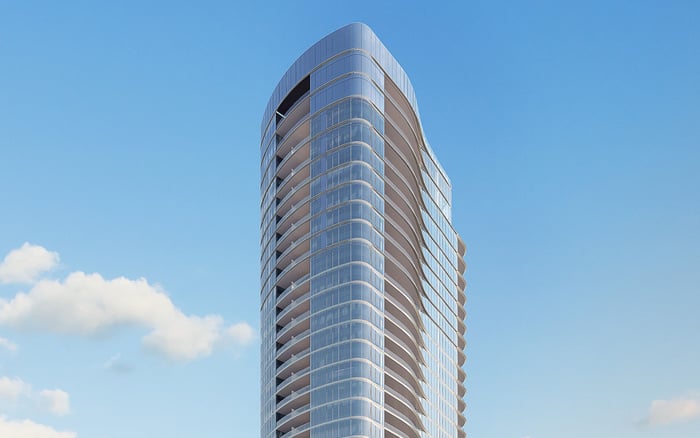
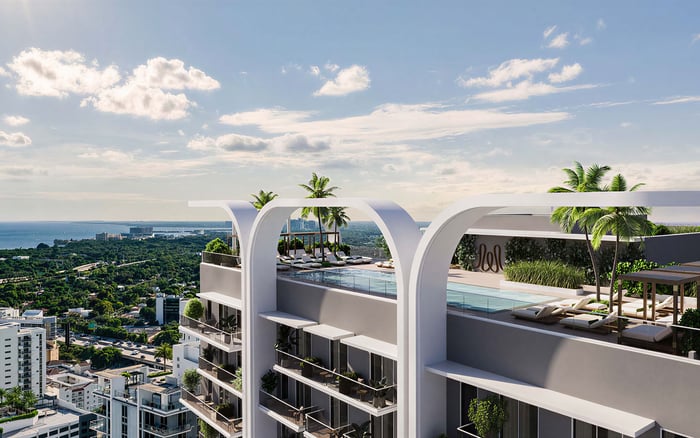
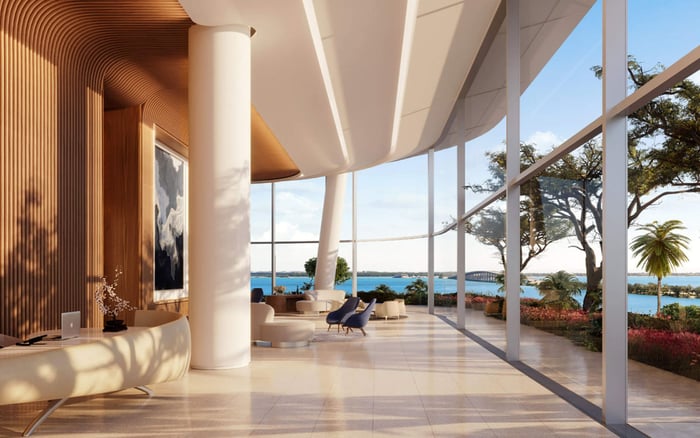
Seasonal ownership changes the meaning of façade care. For South Florida buyers, the right cleaning standard is not simply cosmetic, but part of preserving presentation, confidence, and continuity between visits.
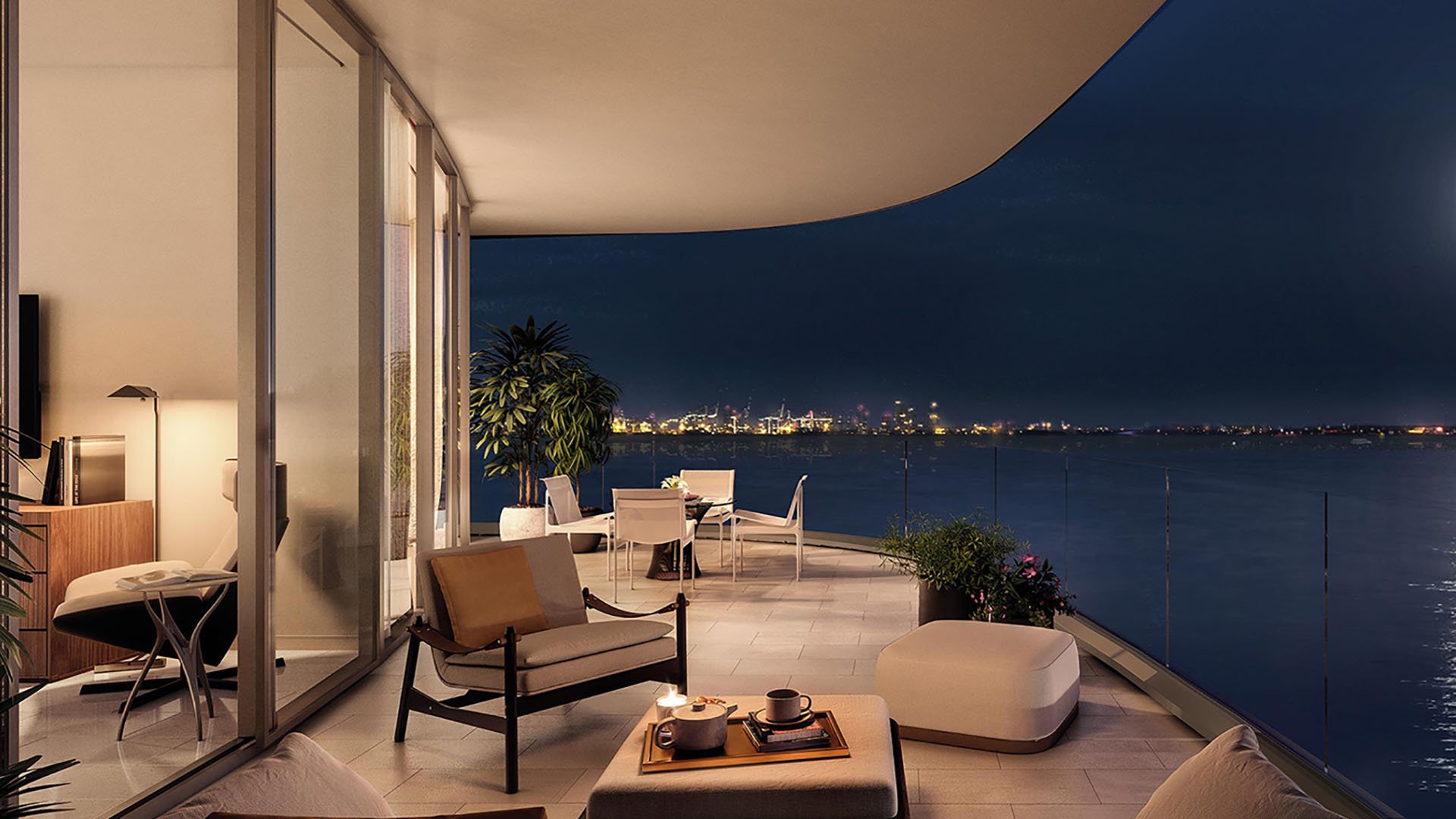
For a full-time resident, façade cleaning is often absorbed gradually. A smudge on glass, a dulled railing, or faint residue near an entry can fade into the visual background until the next scheduled service. For the seasonal buyer, the experience is more immediate. The building is encountered in intervals, often after weeks or months away, and the first impression carries unusual weight.
That is why seasonal ownership calls for a different standard. The question is not simply whether a façade has been cleaned. It is whether the building presents with the discipline expected of a refined South Florida residence at the precise moment an owner returns, hosts guests, evaluates a unit, or considers resale positioning.
In Miami Beach, Sunny Isles, Brickell, and other high-visibility luxury districts, exterior condition is part of the residential experience. The façade is not separate from the lobby, the elevator, the pool deck, or the private residence. It is the first architectural surface an owner reads, and for a second-home buyer, that reading often happens immediately upon arrival.
Façade cleaning is often framed as appearance. For luxury buyers, it is better understood as stewardship. Glass, stone, metal, balcony rails, terraces, and entry approaches all contribute to the sense that a building is being cared for with intention. A polished exterior does not guarantee a well-managed property, but a neglected exterior can raise questions quickly.
The seasonal buyer is especially sensitive to those questions because distance creates dependence. When an owner is not present every week, the building’s maintenance culture becomes a proxy for trust. The exterior either reassures or unsettles. It says, quietly, whether standards are being upheld when owners are away.
This does not mean every surface must appear new at all times. South Florida residences are lived in, opened to light, and connected to outdoor space. The more useful standard is consistency. Are the most visible surfaces handled before they become distracting? Are arrival areas reviewed before major seasonal periods? Are glass lines, balcony edges, and terrace transitions held to the same overall standard as the main façade?
A seasonal owner experiences maintenance through timing. A cleaning cycle that works for a year-round resident may not align with a part-time owner’s calendar. If a buyer arrives just before a planned cleaning, the building may appear less cared for than it actually is. If a cleaning is performed well before a long absence, the owner may return to conditions that feel disconnected from the building’s promise.
The stronger approach is to evaluate how façade care is scheduled around the rhythm of use. For some owners, that means asking how exterior presentation is reviewed before peak arrival periods. For others, it means understanding how the association or management team handles visible areas between full building services.
Seasonal buyers should think in terms of arrival quality. What does the property look like when the car pulls up? How does the tower read from the approach? Are the balcony lines crisp? Do glass surfaces appear deliberately maintained? These are not superficial questions. They help a buyer understand whether the residence is being managed with the attention expected at the upper end of the market.
The most telling areas are often not the grandest. A luxury façade can be undermined by small inconsistencies: residue near railings, uneven glass clarity, staining around exterior ledges, or entry surfaces that do not match the tone of the architecture. These details matter especially in oceanfront settings, where owners tend to value openness, light, and unobstructed visual connection.
Balconies deserve particular attention. They are not merely outdoor appendages. In South Florida luxury residences, they often function as outdoor rooms, morning coffee settings, evening entertaining spaces, and the place where owners most directly engage the view. If balcony condition feels secondary, the lifestyle proposition loses some of its force.
Terraces carry the same weight. A terrace may be private, expansive, intimate, or ceremonial, but its condition shapes how the residence is used. Seasonal buyers should examine whether terrace-facing surfaces are included in routine exterior care conversations, rather than treated as a separate afterthought.
The same principle applies to glass. Buyers are not seeking perfection in a theatrical sense. They are looking for an exterior maintenance language that feels aligned with the price point, the architecture, and the lifestyle being represented.
A seasonal buyer does not need to become a building engineer to ask intelligent questions. The goal is to understand standards, cadence, access, and accountability. A buyer can ask how façade cleaning is scheduled, which surfaces are included, how balcony-facing areas are addressed, and whether there is a predictable review process before high-occupancy periods.
The most valuable answers are specific without being overly technical. A vague assurance that the building is maintained may be less useful than a clear description of how exterior appearance is monitored. Buyers should listen for whether management treats façade care as a recurring standard or as a reactive response to complaints.
Documentation also matters. A seasonal owner benefits from records, notices, and communication that make maintenance visible even when the owner is elsewhere. The best ownership experience is not only about what happens on-site. It is also about whether absent owners feel informed enough to trust the process.
In a refined building, communication should feel calm and orderly. Owners should understand when service is expected, what access may be required, and how private outdoor spaces are treated. This is especially relevant for buyers who plan to use a residence intensely for part of the year and leave it quiet for the rest.
Façade condition can influence how a buyer feels before entering a residence. It shapes expectation, and expectation shapes perceived value. For an owner who may eventually sell, this matters. A residence can be beautifully furnished, well planned, and privately situated, but the building exterior still frames the first emotional response.
This is not about chasing flawless presentation at any cost. It is about avoiding preventable friction. A buyer should not have to mentally discount visible neglect before appreciating the residence. Seasonal owners, in particular, benefit from buildings that maintain a disciplined exterior baseline because they may not be present to notice small issues early.
A different standard for façade cleaning is therefore a different standard for ownership continuity. It recognizes that part-time residence does not mean part-time expectations. If anything, the seasonal buyer may require more precision because every arrival carries the intensity of return.
When touring, pause before entering the building. Look at the façade from the drop-off, the sidewalk, the porte cochère, the garage arrival, and the amenity approach. Notice whether the exterior reads as unified. Then continue the same evaluation from inside the residence, especially at balcony doors, terrace lines, glass edges, and rail connections.
The point is not to search for imperfection. The point is to identify how a building manages visibility. Luxury is rarely defined by one dramatic gesture. It is more often conveyed through the absence of unresolved details.
For seasonal buyers, this is the real standard: a property should feel prepared, not merely serviced. It should support the moment of arrival with the same discretion that it supports privacy, comfort, and view. Façade cleaning becomes one part of a larger promise: that the residence will be ready when life returns to it.
Why do seasonal buyers need a different façade cleaning standard? They experience the property in intervals, so exterior presentation has a stronger impact at each arrival.
Is façade cleaning mainly about curb appeal? No. It also reflects maintenance culture, owner confidence, and how seriously the building treats visible stewardship.
What should buyers inspect first? Start with glass, rails, balcony edges, terrace transitions, entry areas, and the approach to the building.
Should a seasonal owner ask about cleaning schedules? Yes. Timing matters because a service calendar may not align with the owner’s actual arrival periods.
How does façade care affect a second-home purchase? It helps indicate whether the property can maintain a refined baseline while the owner is away.
Are balconies part of façade maintenance? They should be discussed, because balcony-facing surfaces often shape the owner’s daily experience of the view.
Why is documentation useful? Records and notices help absent owners understand what has been done and what to expect next.
Does oceanfront ownership require more attention to exterior presentation? Oceanfront buyers tend to place high value on view, light, and outdoor space, making visible care especially important.
What is a warning sign during a tour? Inconsistent visible maintenance across entry areas, glass, rails, and outdoor thresholds can suggest uneven standards.
What is the ideal façade standard for seasonal owners? The ideal standard is predictable, well communicated, and aligned with the property’s architectural and lifestyle promise.
For a tailored shortlist and next-step guidance, connect with MILLION.
If branded residences are on your mind — as a home or as an allocation — we would be glad to share what we are seeing, privately.
Begin a quiet conversation