For collectors, a luxury condo is more than an address. It is an environment for display, conservation, installation, privacy, and growth. A collection-first search brings those priorities into every showing.
For an art collector, the luxury condo search begins well before the first private showing. The essential question is not simply whether a residence is beautiful, but whether its proportions, light, circulation, infrastructure, and rules can support the collection discreetly.
That shift redefines the brief. Rather than treating art as decoration to be placed after closing, the buyer evaluates each home as a potential gallery, retreat, and working environment. In Hallandale Beach, this approach helps distinguish an appealing residence from one that genuinely complements a collector’s lifestyle.
Begin with an inventory organized by size, medium, weight, sensitivity, and display priority. Identify anchor works, rotating pieces, objects requiring plinths, and acquisitions likely to remain in storage. This creates a practical framework for comparing floor plans without relying on square footage alone.
A generous room does not automatically provide ample display space. Glazing, doors, millwork, televisions, switches, thermostats, and return vents can fragment an otherwise impressive wall. During a showing, note uninterrupted dimensions and, with permission, photograph each elevation.
Ceiling height matters, but so does its relationship to wall width and natural viewing distance. A large canvas needs visual breathing room. Sculpture requires a safe approach path and sufficient clearance to be experienced from more than one angle. Narrow passages may suit intimate works, while major pieces often demand a calmer field.
Mark floor plans with actual artwork dimensions. This simple exercise reveals whether a residence accommodates the present collection or merely an idealized installation.
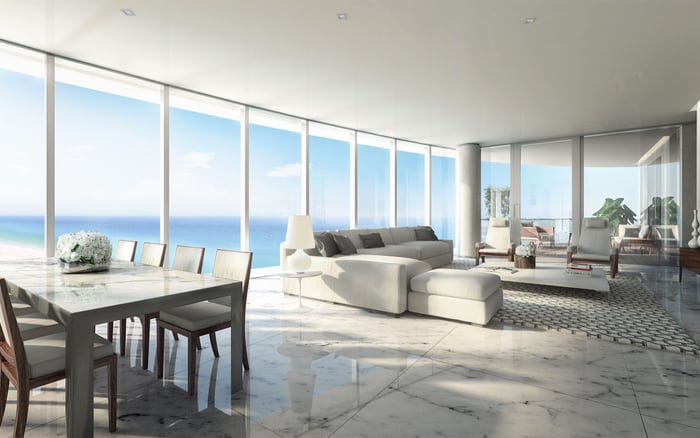
Collectors often admire expansive glass, yet natural light should be assessed with control in mind. Observe the direction of exposure, the path of direct sun, reflections on glazed works, and the ability to layer shades without compromising the room.
Ask how the lighting can be adapted. Ceiling conditions, fixture locations, switching, dimming, color consistency, and maintenance access all influence the quality of an installation. A buyer should also determine whether future electrical work or ceiling modifications require building approval.
Here, design and architecture become inseparable from stewardship. The most convincing space is not necessarily the brightest. It is the one in which daylight and artificial illumination can be adjusted to suit the work, the hour, and the desired atmosphere.
Before selecting a residence, trace the route an artwork would take from vehicle to final wall. Review loading procedures, elevator dimensions, corridor turns, door clearances, floor-protection requirements, scheduling policies, insurance expectations, and contractor access.
For substantial works, this route can determine whether installation is straightforward, costly, or impractical. Confirm details directly and in writing rather than assuming a luxury building can accommodate every crate or sculpture.
Storage deserves equal scrutiny. A standard closet may not suit framed works, archival materials, empty crates, tools, or pedestals. Consider whether secure off-site storage will remain part of the collection plan and whether the residence offers room for temporary staging during rotations.
A focused tour should encompass different residential formats without presuming that one will suit every collection. Buyers can assess 2000 Ocean Hallandale Beach and Shell Bay by Auberge Hallandale through the same framework: usable wall area, controllable light, installation access, privacy, storage, and approval procedures.
Nearby alternatives can sharpen the comparison. A viewing at Regalia Sunny Isles Beach may show how another floor plan changes placement possibilities, while Auberge Beach Residences & Spa Fort Lauderdale can broaden the geographic search without abandoning the collection-first brief.
The purpose is not to declare a universal winner, but to see how each residence responds to the same works and routines. A simple scorecard prevents architectural drama from eclipsing operational detail.
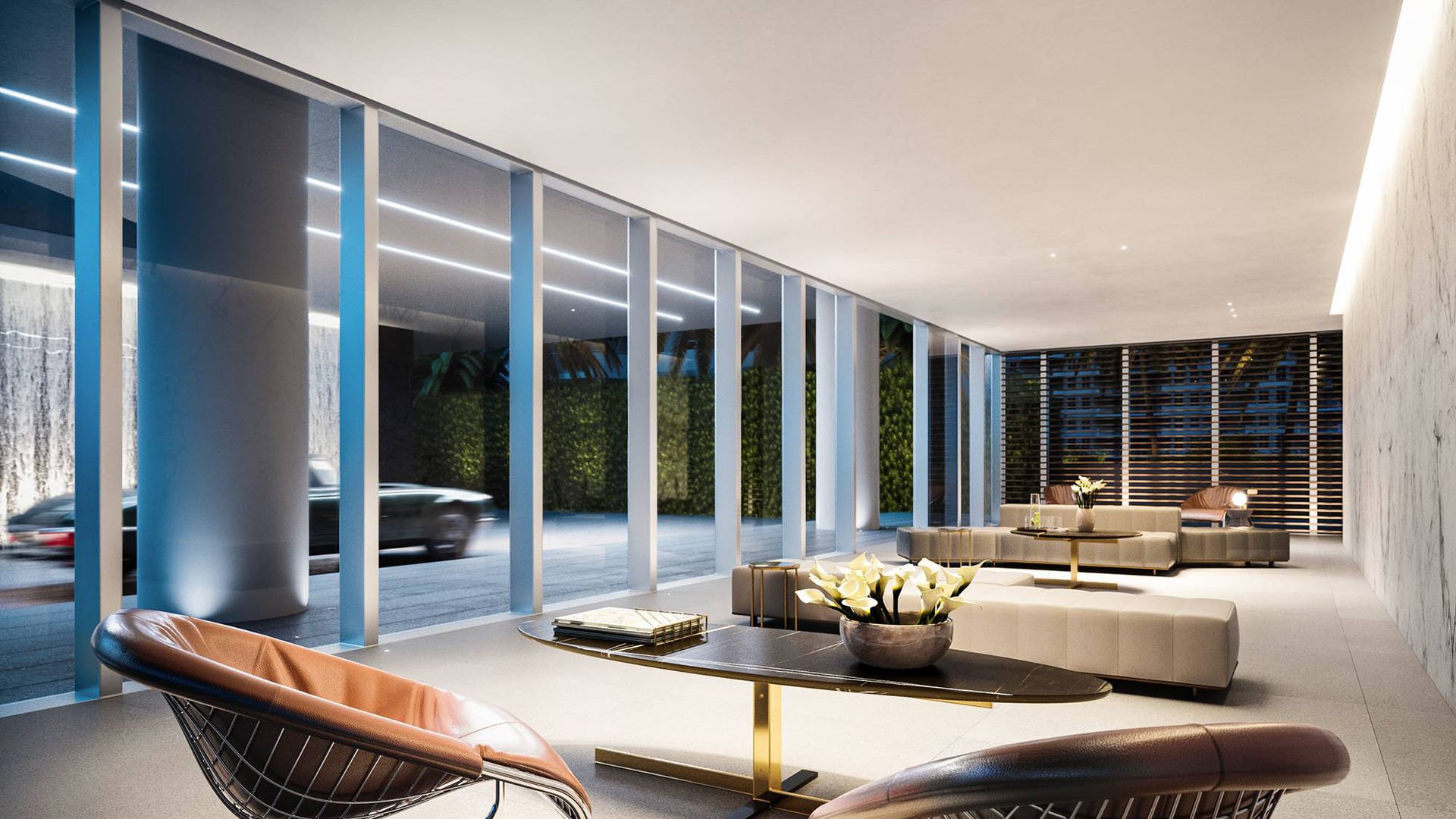
Art does not stop at the front door. Review the visual character and rules governing lobbies, elevator vestibules, private foyers, terraces, and other transition spaces relevant to the residence. Confirm which areas are privately controlled and what alterations are permitted.
For a waterfront home, consider how views compete with or complement displayed works. A powerful outlook can become part of the composition, but it may reduce the number of quiet walls. The right plan establishes hierarchy, allowing art, landscape, and furniture to hold distinct roles rather than compete for attention.
Evaluate privacy with equal care. Collectors may prefer discreet delivery protocols, controlled access for installers and advisers, and window treatments that protect both objects and daily life.
Collections evolve. A residence should support rotations, loans, new acquisitions, and changes in scale without requiring continual reconstruction. Favor adaptable planning decisions: reinforced locations where appropriate, flexible lighting, reversible display systems, and rooms capable of changing function.
Before making an offer, assemble a specialist review that may include an art adviser, installer, conservator, lighting designer, architect, insurer, and legal counsel. Each has a distinct role and can identify constraints easily missed during a conventional showing.
The result is a more disciplined Hallandale Beach search. Beauty remains essential, but it is considered alongside stewardship, logistics, and the freedom to live naturally with art.
Should art influence the condo search from the beginning? Yes. Early planning allows the collection to shape viewings, comparisons, and specialist reviews.
Is total square footage a reliable measure of display capacity? No. Uninterrupted wall dimensions, circulation, glazing, and built-ins are often more useful.
What should a collector measure during a showing? Record usable walls, ceiling heights, doors, corridor turns, elevator access, and viewing distances.
Why does window orientation matter? It affects direct light, glare, reflections, shade strategy, and the atmosphere around displayed work.
Can a sculpture change which floor plan works best? Yes. Weight, clearance, sightlines, circulation, and delivery access can all affect suitability.
Should building rules be reviewed before an offer? Yes. Confirm installation, contractor, delivery, alteration, and insurance procedures in writing.
Is private storage inside the condo essential? Not always. The right solution depends on rotation needs, crate management, and off-site arrangements.
How should buyers compare different buildings? Use one scorecard covering walls, light control, access, privacy, storage, approvals, and flexibility.
Which specialists may help before closing? Depending on the collection, consult an adviser, installer, conservator, architect, insurer, or attorney.
Can a collection-first search still prioritize views? Certainly. The goal is a considered balance among art, outlook, furnishings, and daily life.
If you'd like a private walkthrough and a curated shortlist, connect with MILLION.
If branded residences are on your mind — as a home or as an allocation — we would be glad to share what we are seeing, privately.
Begin a quiet conversation