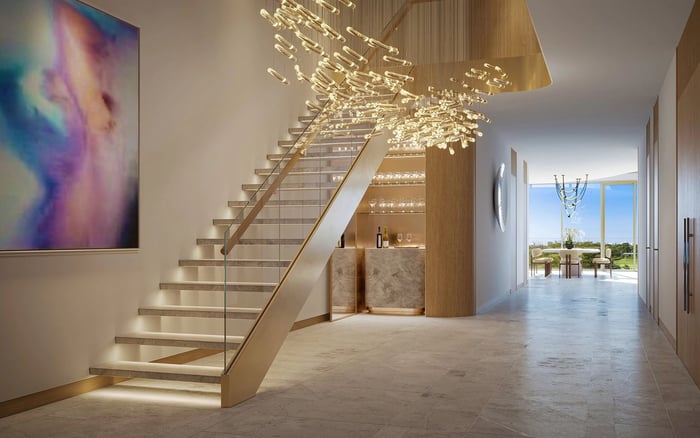
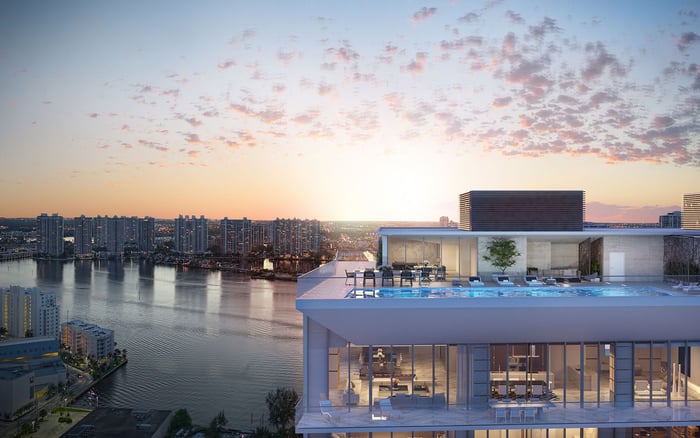
For seasonal Aventura buyers, the true luxury test is operational: who watches the residence, how storm preparation is executed, and what happens when an owner is away.
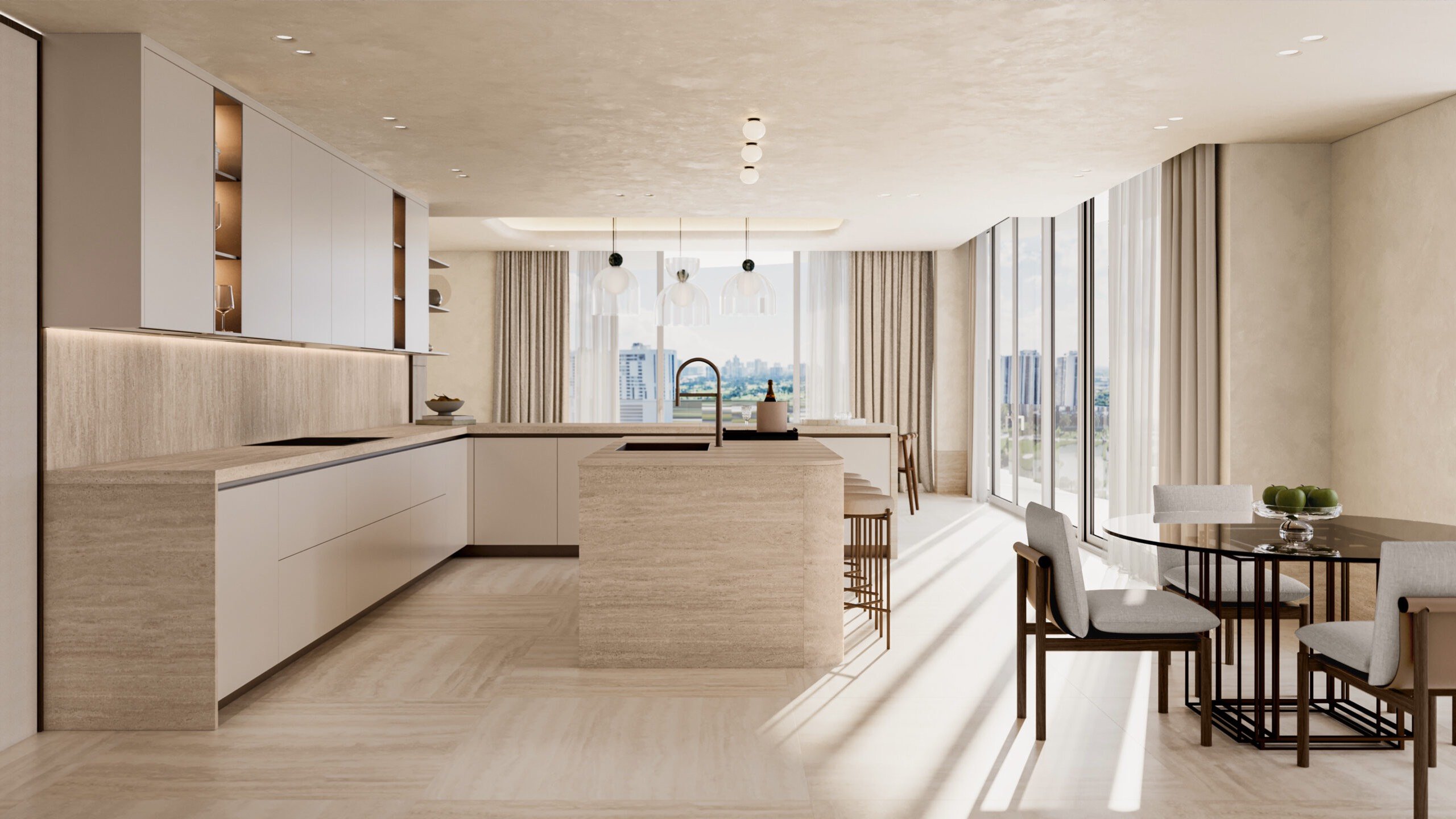
Stone, millwork, lighting, and appliances shape a residence’s first impression. For a serious Aventura buyer, however, the more consequential question is often what happens after the front door closes and the owner leaves South Florida.
A seasonal home is not simply an interior. It is an operating environment that may require observation, access control, communication, and timely preparation while the owner is away. This is especially relevant to second-home buyers comparing waterfront residences, where an elegant arrival matters-but confidence throughout an extended absence may matter more.
The practical distinction is simple: finishes are visible during a tour; operational quality reveals itself over time.
A building may present beautifully yet leave essential questions unanswered when occupancy patterns change. Buyers should look beyond the presence of a front desk to understand the actual chain of responsibility.
Ask who receives an owner’s request, who is authorized to enter the residence, how access is documented, and who escalates an issue after normal hours. Determine whether coverage depends on one familiar employee or a sufficiently structured team. The objective is not merely abundant staffing, but continuity, accountability, and a clear handoff between people.
For buyers exploring Avenia Aventura, staffing questions belong beside layout and design considerations from the first conversation. A residence becomes more usable when an owner understands precisely how service is requested, recorded, and completed.
A storm lock-up plan should be treated as a defined operating protocol, not a reassuring phrase. Buyers need to know what the building handles, what remains the owner’s responsibility, and whether private staff or an outside home manager must fill any gaps.
The discussion should cover terrace furnishings, balcony items, exterior openings, residence access, vehicles, deliveries, and communication. It should also identify who can approve entry, when preparation begins, and how completion is confirmed. The most useful plan distinguishes routine building-wide actions from services performed inside an individual home.
Documentation matters because verbal assurances are open to interpretation. A written description of scope, authorization, charges, and owner obligations allows counsel and insurance advisers to review the arrangement before closing. It also helps prevent the false assumption that every visible risk falls within association or management duties.
The strongest due diligence exercise is to imagine being unavailable. If an alert arrives while the owner is traveling, who acts? If a staff member cannot be reached, who is next? If access is required, where is authorization kept? If an interior condition is discovered, how quickly is the owner informed, and what decisions can management make?
Buyers can request sample communications, access forms, service menus, and relevant policy language. They can also ask how instructions are maintained for household employees, vendors, pets, vehicles, and deliveries. The answers should reveal a repeatable process, not an improvised favor.
A move-in-ready home is not automatically absence-ready. Furniture, art, specialty materials, and private technology may present distinct care requirements. The operational plan should reflect the residence being purchased, not an abstract unit.
Aventura buyers often widen their search to nearby markets, which can sharpen the comparison. One Park Tower by Turnberry North Miami may be considered within a broader North Miami search, while Bentley Residences Sunny Isles and Turnberry Ocean Club Sunny Isles can enter a Sunny Isles discussion.
The point is not to assume that one location or project offers a particular service, but to ask the same operational questions at every property. Consistency exposes meaningful differences: written scope versus informal assurances, team depth versus individual dependency, and confirmed completion versus assumed completion.
The best buyer’s guides should therefore include an operations column beside architecture, views, amenities, and carrying costs. Service deserves the same scrutiny as design.
Before committing, request the current rules and service descriptions governing owner absences. Clarify which tasks are included, which incur separate charges, and which are prohibited. Identify the decision-maker for both ordinary and urgent situations.
Counsel can review governing documents and access authorizations. An insurance adviser can assess whether the intended use, staffing arrangement, and preparation plan align with the owner’s coverage. A private home manager can identify responsibilities that fall outside the building’s scope.
Finally, test the communication path. A polished answer is useful, but names, roles, backup contacts, and written procedures reveal more. For a seasonal owner, discreet operational competence is itself a luxury finish.
Why can staffing matter more than interior finishes? Finishes shape daily enjoyment, while staffing determines how reliably the home is supported when the owner is away.
What should an Aventura buyer ask about front-desk coverage? Ask who receives requests, who can authorize action, what backup coverage exists, and how matters are escalated.
Is a storm lock-up plan the same as general building preparation? Not necessarily. Buyers should distinguish building-wide procedures from tasks performed inside a private residence.
Should storm preparation responsibilities be in writing? Yes. Written scope, authorization, costs, exclusions, and owner duties make the arrangement easier to evaluate.
What residence-specific items deserve attention? Discuss terrace furnishings, exterior openings, vehicles, deliveries, private systems, art, and specialty materials.
Can building staff enter a home while the owner is away? Access depends on the property’s rules and the owner’s authorization, so buyers should confirm the exact procedure.
What is the value of a backup contact chain? It reduces dependence on one employee and clarifies who acts when the primary contact is unavailable.
Should buyers hire a private home manager? It may be appropriate when the desired care exceeds the building’s scope or requires residence-specific oversight.
How should two luxury properties be compared? Ask identical questions about staffing, access, documentation, communication, fees, exclusions, and confirmation of completion.
Who should review the final operating plan? The buyer can coordinate the review with counsel, an insurance adviser, and any private household or property manager.
For a confidential assessment and a building-by-building shortlist, connect with MILLION.
If branded residences are on your mind — as a home or as an allocation — we would be glad to share what we are seeing, privately.
Begin a quiet conversation