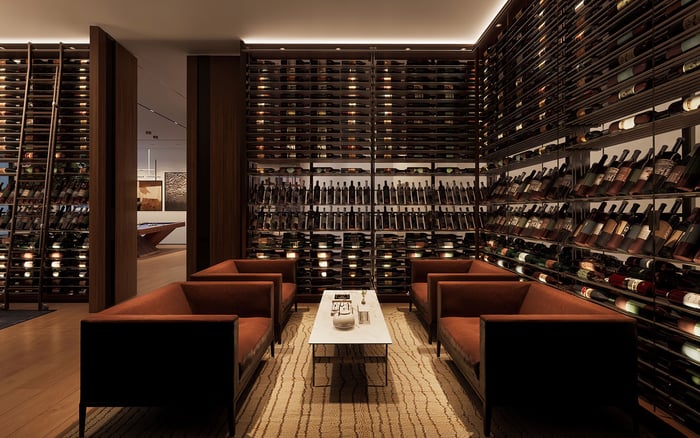
Seasonal ownership changes the way a luxury closet should be evaluated. In South Florida, buyers should treat ventilation, air movement, materials, lighting, and maintenance access as part of the residence’s comfort standard, not as a secondary storage concern.
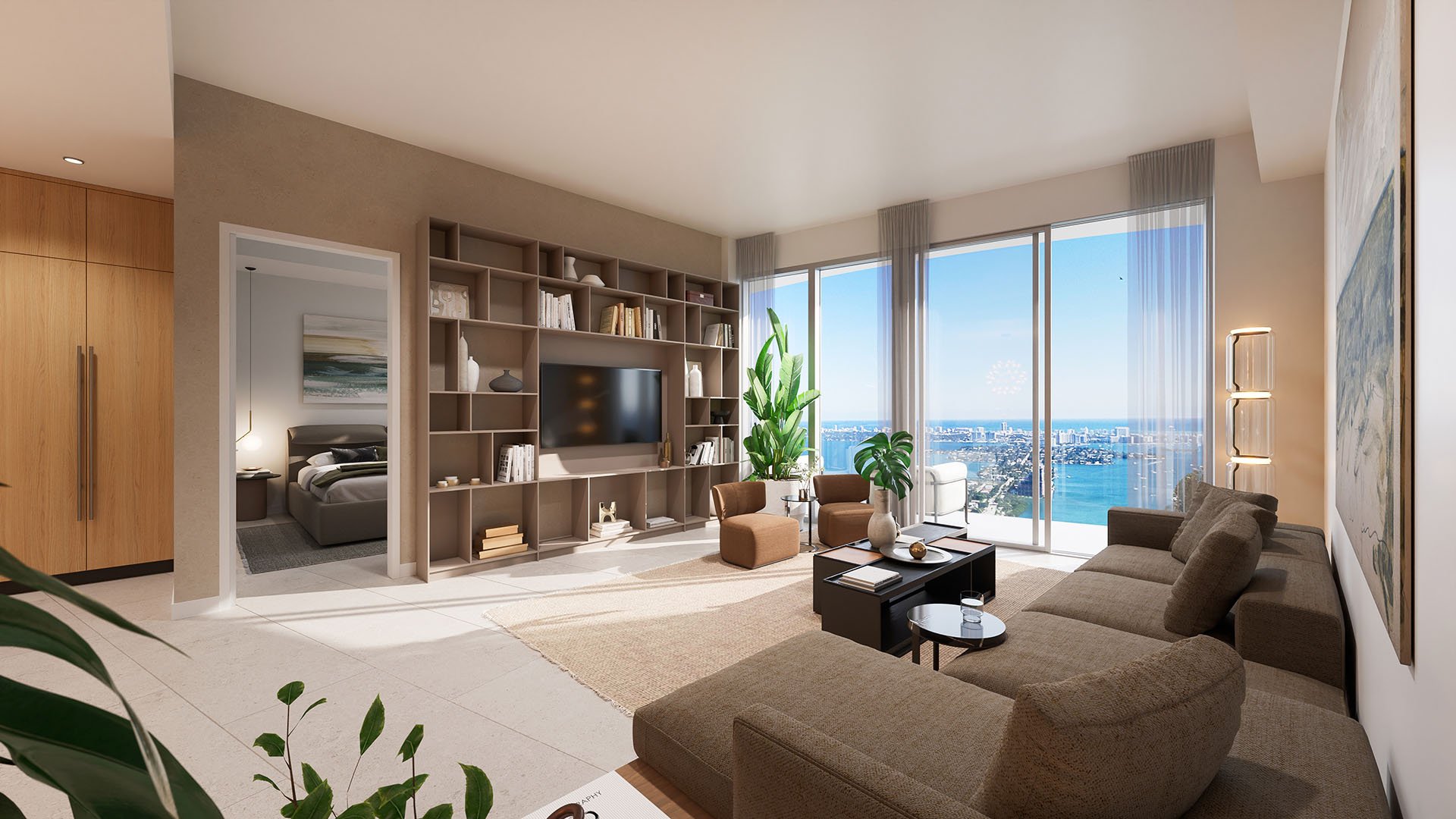
For the seasonal buyer, a closet is more than a dressing room. It is a closed interior environment that may sit untouched for extended periods, often filled with leather goods, silks, suedes, formalwear, luggage, watches, shoes, and heirloom pieces. In a primary home, daily use naturally creates air exchange. Doors open, lights come on, garments move, and the space is monitored almost without thought. In a seasonal residence, that rhythm changes completely.
South Florida luxury buyers tend to scrutinize views, terraces, ceiling heights, kitchens, primary suites, privacy, wellness amenities, and parking. Closet ventilation belongs in the same conversation. The issue is relevant whether a buyer's notes say Second-home, Miami Beach, Sunny Isles, Palm-beach, Oceanfront, or Waterview, because the closet has to perform during both occupancy and absence.
The higher standard is not about fear. It is about stewardship. A finely built residence should protect the experience of arrival: opening the door, entering the primary suite, and finding the wardrobe exactly as it was left.
A closet in a year-round home benefits from movement. The owner notices a scent, a warm corner, a swollen drawer, or a garment that feels less crisp. A seasonal owner may not see those signs until weeks or months later. By then, the condition has had time to settle into cabinetry, fabrics, shoe boxes, and luggage.
That is why the seasonal closet standard should be more demanding than the ordinary residential standard. The buyer should ask not simply whether the closet is large, beautiful, or customized. The better question is how the space breathes when no one is there.
Closed doors, dense millwork, full-height cabinetry, deep drawers, decorative panels, and tightly packed wardrobe systems can all reduce passive air movement. These details may be visually exquisite, but they need to be paired with a sensible ventilation strategy. A luxury closet should feel calm and free of clutter without being cut off from the air circulation that keeps it healthy.
The first question is whether conditioned air reaches the closet in a meaningful way. A beautiful walk-in closet that relies only on air drifting in from the bedroom may perform differently from one with planned supply, return, transfer, or passive ventilation paths. Buyers should ask how the closet participates in the residence's overall cooling and air circulation approach, especially when the home is vacant.
The second question is how the home is intended to operate while the owner is away. Seasonal owners often prefer quiet, efficient, low-touch systems, but the closet should not become an unconditioned pocket of still air. The right operating plan depends on the residence, the building systems, the exposure, the closet layout, and how the owner stores valuable pieces.
The third question is access. Can a property manager, house manager, or trusted representative inspect the closet without disturbing privacy? Is there enough lighting to see rear corners and upper shelves? Are drawers and cabinets easy to open for periodic checks? A residence that is easy to inspect is easier to protect.
The best seasonal closets are designed with restraint. Not every inch should be packed with closed cabinetry. A thoughtful mix of hanging space, open shelves, ventilated shoe storage, and breathable compartments can help the room avoid becoming a sealed box.
Materials matter as well. Dense, glossy, and highly enclosed millwork can create a glamorous look, but buyers should understand how those surfaces interact with airflow. Soft-close drawers, glass-front doors, integrated lighting, and boutique-style display cases can be excellent, provided they do not eliminate practical circulation. Luxury is not the absence of technical thinking. It is the quiet integration of it.
Lighting deserves attention because heat, visibility, and maintenance all intersect in a closet. A well-lit closet is easier to inspect and easier to keep organized. Buyers should favor lighting plans that support visibility without turning enclosed compartments into warm display cases.
Even hardware has a role. Louvred details, discreet gaps, raised bases, breathable back panels, and well-spaced shelving may seem minor, but they can help air move through the storage system. These choices are not always visible at first glance, which is why seasonal buyers should look beyond the photography and study the construction.
A premium address does not automatically solve closet performance. In fact, luxury residences often have larger wardrobes, more elaborate millwork, deeper dressing rooms, and fewer reasons for a door to be opened when the owner is away. The more refined the storage environment, the more carefully it should be managed.
Waterfront and high-rise living also encourage a particular design language: expansive glass, dramatic views, private elevator entries, serene bedroom suites, and spa-like dressing areas. Those features can be magnificent, but the closet must still behave like a working part of the residence. It should be evaluated with the same seriousness as wine storage, art walls, smart-home systems, and terrace drainage.
For collectors of handbags, shoes, watches, resortwear, and formal pieces, the closet is effectively a private archive. Seasonal buyers should treat it accordingly. The goal is not to over-engineer the space, but to ensure elegance does not come at the expense of care.
The purchase decision is only the beginning. A seasonal closet performs best when the owner has a routine. Before departure, garments should be clean and dry, shoes should have time to air out, and luggage should not be stored damp from travel. Closet doors and internal cabinet doors may need a consistent position depending on the design and the home's operating plan.
A house manager can also be instructed to check for scent, temperature shifts, stuck drawers, condensation signs, and changes around shoes or leather goods. These inspections should be discreet and repeatable, not improvised. The more valuable the wardrobe, the more valuable the routine.
Buyers planning renovations should bring ventilation into the conversation early, before millwork is ordered. Retrofitting air movement after a closet has been built can be less elegant than planning for it from the beginning. A good designer can preserve the boutique atmosphere while allowing the closet to breathe.
Closet ventilation rarely appears as a headline amenity, but sophisticated buyers notice how a home has been maintained. A closet that smells fresh, opens smoothly, and presents garments beautifully supports the impression of a well-managed residence. One that feels stagnant can undermine an otherwise exceptional showing.
For seasonal sellers, preparation should begin before listing photography. Empty overfilled sections, inspect corners, open drawers, confirm lighting, and make the closet feel like a room rather than storage. A composed closet sends a quiet message about the entire home.
For seasonal buyers, the message is equally clear. The most beautiful closet is not necessarily the best closet. The best closet is the one that remains beautiful when the owner is away.
Why do seasonal buyers need a different closet ventilation standard? Seasonal homes may sit closed for long periods, so closets need planned air movement and easier inspection than closets used every day.
Is a large walk-in closet automatically better? Not always. Size helps only if the layout allows air to move through hanging areas, shelves, drawers, and enclosed compartments.
Should I ask about HVAC during a closet walkthrough? Yes. Ask how conditioned air reaches the closet and how the residence is meant to operate while the owner is away.
Are custom cabinets a ventilation concern? They can be if they are tightly enclosed with limited openings. Elegant millwork should still allow practical circulation.
Does oceanfront ownership make closet care more important? It can. Buyers near the water should be especially attentive to how closed storage spaces behave during periods of absence.
What should a property manager check? They should look for unusual scent, difficult drawers, changes in stored items, lighting issues, and any sign that air is not moving well.
Can a renovation improve an existing closet? Often, yes. Improvements may include adjusted shelving, ventilation details, lighting changes, and a better operating routine.
Should shoes and handbags be stored behind closed doors? Closed storage can look refined, but valuable accessories still benefit from breathable spacing and periodic inspection.
Is this issue only for older residences? No. New and highly customized residences can also have still-air pockets if closet design prioritizes appearance over performance.
What is the best way to shortlist comparable options for touring? Start with location fit, delivery status, and daily lifestyle priorities, then compare stacks and elevations to validate views and privacy.
When you're ready to tour or underwrite the options, connect with MILLION.
If branded residences are on your mind — as a home or as an allocation — we would be glad to share what we are seeing, privately.
Begin a quiet conversation