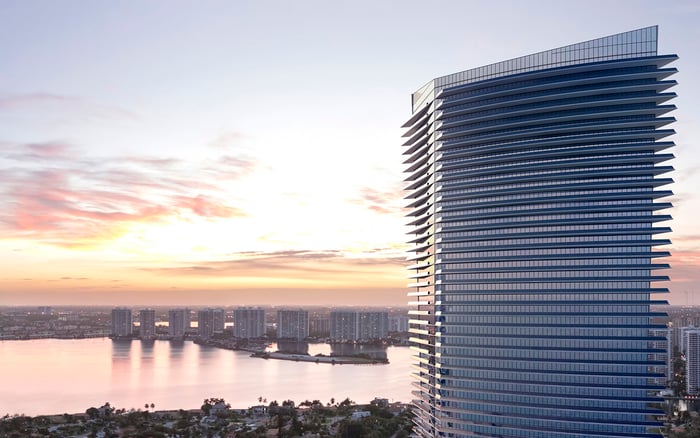
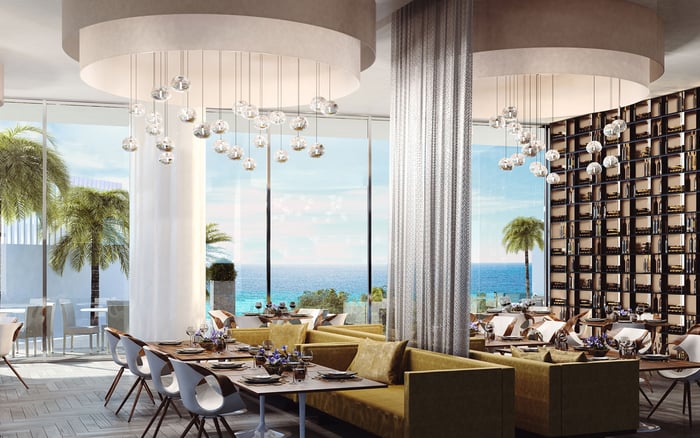
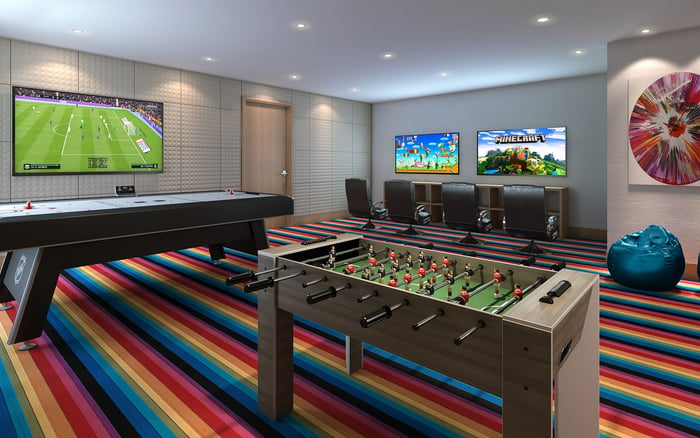
A discreet buyer framework for evaluating Sunny Isles Beach ownership through privacy, daily rhythm, global mobility, service expectations, and long-term residential fit.
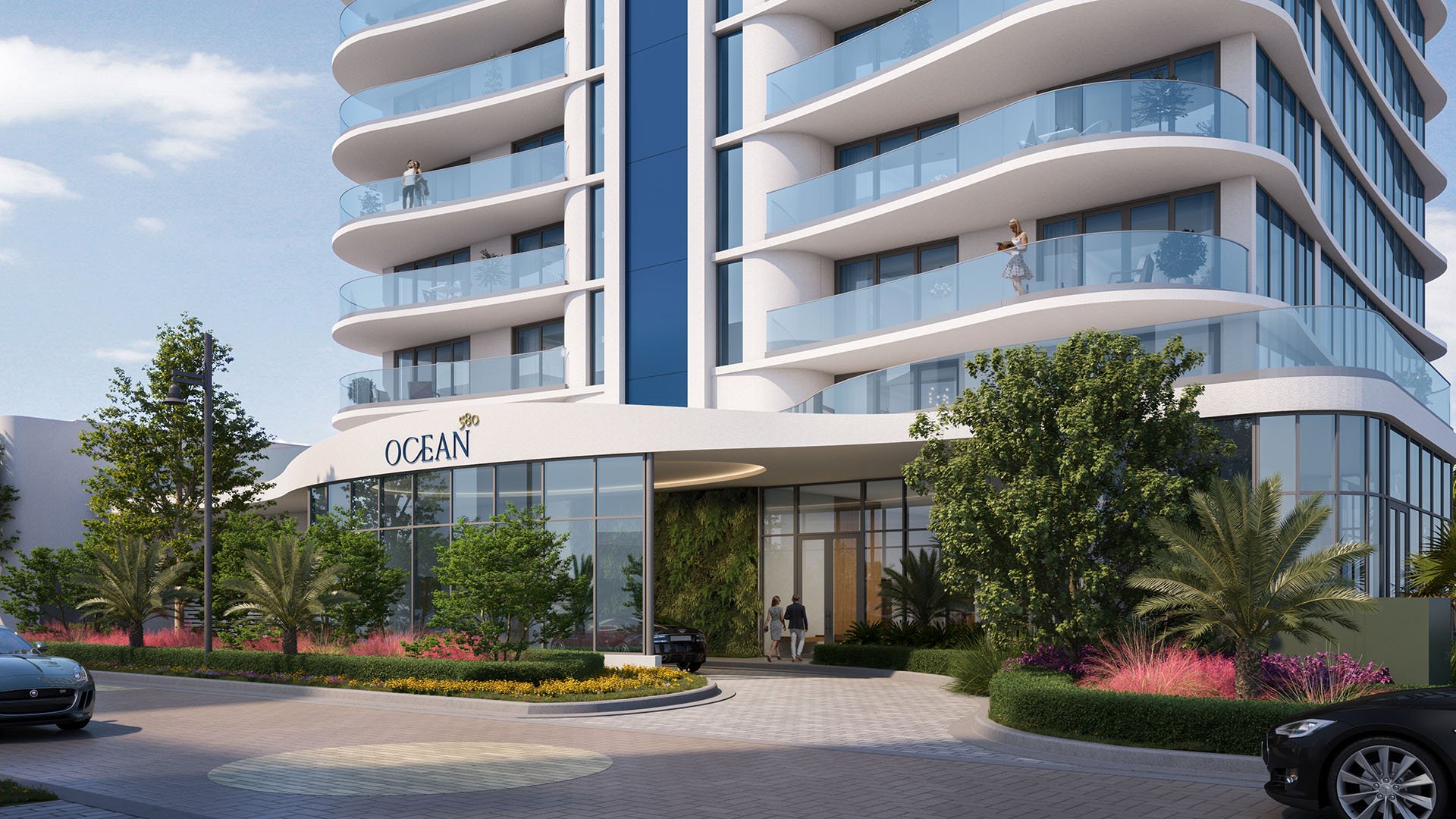
Sunny Isles Beach can be read too quickly. From a distance, the proposition appears simple: vertical residences, coastal light, formal service, and the ease of arriving in South Florida without surrendering privacy. For the serious buyer, however, the sharper question is not whether the setting is beautiful. It is whether ownership matches the way life is actually lived.
The best acquisitions in this market begin with a personal operating model. How often will the residence be used? Who arrives with you? Do you need quiet recovery after international travel, a low-friction family base, or a lock-and-leave home that remains composed after months away? Those answers matter more than a dramatic first impression.
For buyers working from a formal brief, the decision often sits across Sunny Isles, Oceanfront, Waterview, Second-home, Investment, and Private-school considerations. Those terms may sound like search filters, but at the ultra-premium level they become lifestyle tests. The right residence should reduce friction, protect discretion, and still feel emotionally resonant after the novelty of the view has softened.
Global access is not only about reaching South Florida. It is about what happens in the first hour after arrival. A buyer who lands late, travels with staff, brings children, or moves among multiple homes needs a property that functions without ceremony. Parking, lobby sequence, elevator privacy, package handling, guest protocols, and the feel of the corridor all shape the ownership experience.
The most successful buyers rehearse the arrival before they buy. They ask who meets them, where bags go, how guests are received, whether service feels warm or overexposed, and how the residence performs when the owner is away. In an ultra-premium building, elegance should be quiet. If every return home feels like an event, the residence may be more theatrical than restorative.
Privacy is often assumed in expensive buildings, but it should be examined in layers. There is visual privacy within the residence, acoustic privacy between rooms and neighbors, arrival privacy in the common areas, and social privacy within the ownership culture. A buyer who values discretion should understand each layer before committing.
This is especially important for internationally mobile owners. A home used intermittently must feel secure without feeling sealed. A residence may offer wide views and dramatic entertaining space, yet still fail if bedrooms feel exposed, the terrace feels too public, or guest movement is difficult to manage. The test is simple: can you live there naturally, not just impressively?
A private residential rhythm is different from a resort mood. It is calmer, more predictable, and more personal. It allows a morning to unfold without performance and an evening to settle without the feeling of transient energy around you. Buyers should consider how a building feels on ordinary days, not only during a curated showing.
The right residence supports both stillness and access. It should be easy to host, but not require hosting. It should be polished, but not demanding. It should allow owners to move from beach hours to dinner plans, from family time to work calls, from solitude to social life, without the property dictating the tone.
This is where floor plan discipline becomes central. Grand rooms matter, but so do secondary bedrooms, kitchen flow, service zones, storage, and the ability to close off portions of the home when not in use. A beautiful residence that requires constant management can become a burden. A well-composed residence makes ownership feel lighter.
Sunny Isles Beach ownership often carries an emotional charge. Buyers may be drawn by light, height, water, and the sense of being connected to a global coastal circuit. Yet the strongest purchases usually balance emotion with a clear strategic purpose.
For a Second-home buyer, the question is frequency. Will the residence be used enough to justify the attention it requires? For an Investment-minded buyer, the question is governance. Does the building culture, use policy, and service model align with the intended holding strategy? For a family, Private-school planning may influence how seasonal or permanent the ownership becomes, even if the residence is initially framed as a retreat.
None of these angles should overpower the others. The most resilient acquisition is the one that can evolve. A home first used as a seasonal base may become a longer-term residence. A family retreat may later become a quieter couple’s home. A strategic hold may become emotionally indispensable. Buyers should favor residences with enough flexibility to accommodate that evolution.
In luxury real estate, building culture is a form of architecture. It shapes how residents interact, how staff anticipates needs, how common spaces are used, and how the property feels when fully occupied. Two residences with similar views can deliver very different daily lives because the ownership culture is different.
Before buying, pay attention to small signals. Is the lobby serene or performative? Are amenities treated as private extensions of home or as social stages? Does the staff posture feel discreet? Are rules clear enough to preserve order without making ownership feel rigid? These details affect long-term satisfaction more than many buyers expect.
The goal is not to find the most elaborate amenity program. It is to find the environment where your habits feel understood. Some owners want high-touch service and active social energy. Others prefer invisibility, speed, and control. Neither is inherently better. The mismatch is what becomes costly.
The Sunny Isles Beach ownership test is ultimately a discipline of self-knowledge. A residence should be judged by how it performs across travel, privacy, family, service, and time. The view may begin the conversation, but it should not close it.
A serious buyer should walk through the home as an owner, not as a guest. Imagine arriving tired. Imagine hosting close friends. Imagine a quiet week with no plans. Imagine leaving for an extended period and returning without anxiety. If the residence performs in all of those moments, the purchase begins to move from aspiration to fit.
South Florida rewards decisiveness, but the best decisions are rarely rushed. In Sunny Isles Beach, the exceptional home is not merely the one with the most dramatic outlook. It is the one that gives a global buyer a private rhythm, a dependable base, and a sense of ease that holds its value in daily life.
What is the main ownership test for Sunny Isles Beach buyers? The central test is whether the residence supports your real travel pattern, privacy needs, family rhythm, and service expectations.
Is Sunny Isles Beach best suited for second-home ownership? It can suit second-home ownership when the building, rules, and service model match how often you expect to use the residence.
How should a buyer evaluate privacy? Look beyond price and views. Study arrival sequence, elevator experience, terrace exposure, bedroom placement, and the building’s social tone.
Should buyers prioritize views or floor plan? Views create the first emotional response, but floor plan quality often determines whether the home remains comfortable over time.
What role does service play in the decision? Service should simplify ownership without making daily life feel overly formal. The best service is attentive, discreet, and consistent.
Can Sunny Isles Beach ownership work for families? Yes, if the residence supports family logistics, privacy between rooms, storage, guest needs, and any school-related planning.
How should an investment-minded buyer approach the market? Focus on governance, building culture, use restrictions, maintenance expectations, and long-term desirability rather than presentation alone.
What should buyers notice during a showing? Notice how the building feels between set pieces: the lobby, elevator, corridors, staff interactions, sound, light, and movement.
Why does building culture matter so much? Building culture shapes daily life, from amenity use to privacy standards. It can make a beautiful residence feel either effortless or misaligned.
When is a Sunny Isles Beach residence the right fit? It is the right fit when it feels calm on ordinary days, capable during arrivals, and flexible enough for the next chapter of ownership.
When you're ready to tour or underwrite the options, connect with MILLION.
If branded residences are on your mind — as a home or as an allocation — we would be glad to share what we are seeing, privately.
Begin a quiet conversation