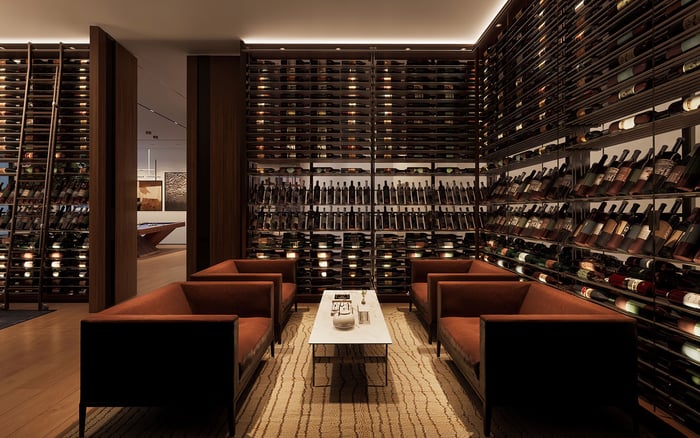
Seasonal South Florida owners should evaluate climate-controlled lockers as part of a broader home-preservation strategy, not merely as extra storage.
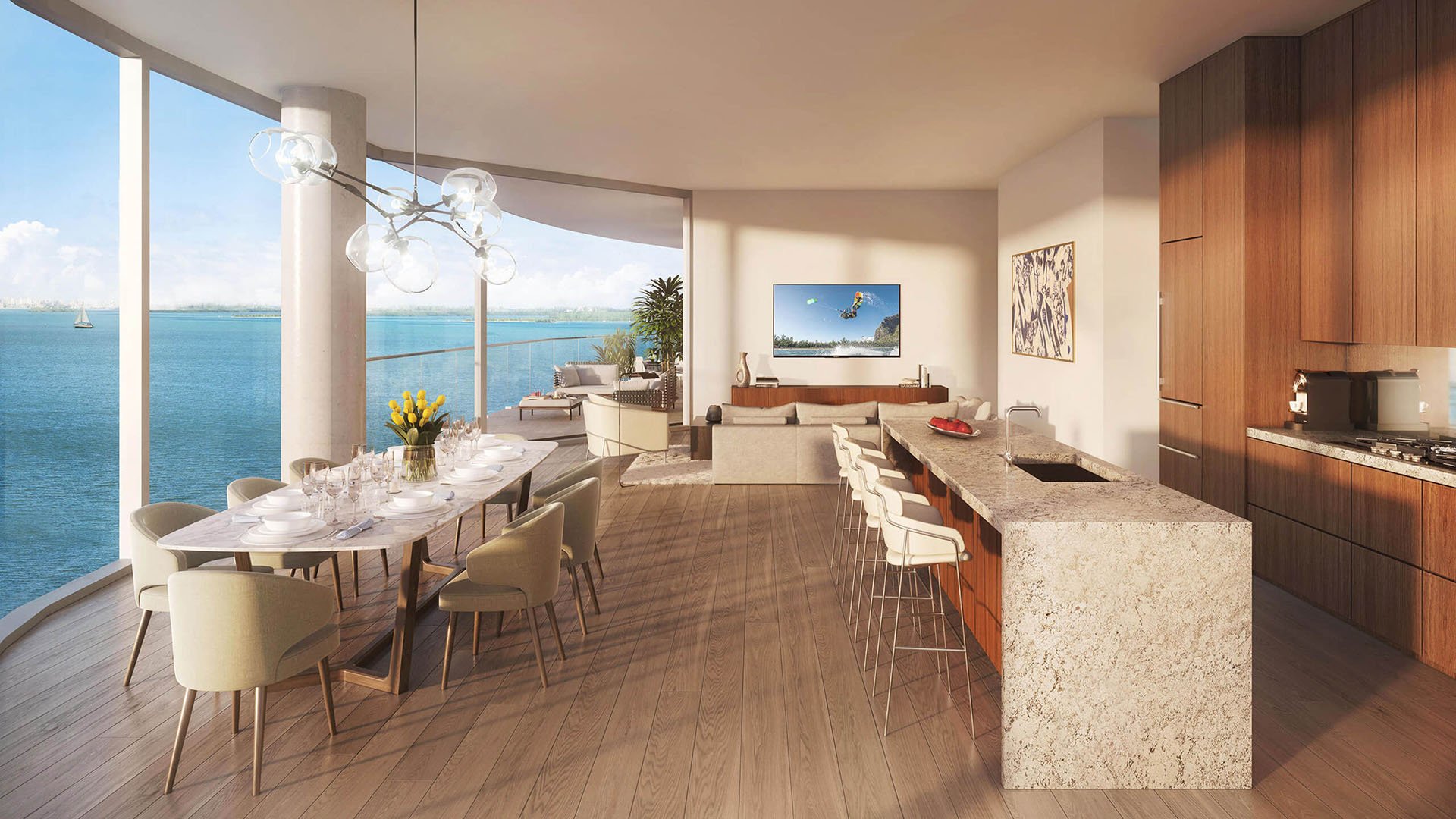
For seasonal buyers in South Florida, a climate-controlled locker deserves the same scrutiny as private elevator access, parking, security, and building services. It is not merely a place for golf clubs, luggage, or holiday décor. For many owners, it becomes the quiet holding room for the objects that make a seasonal residence function: linens, wardrobe pieces, sports equipment, art packing materials, wine accessories, boating gear, design samples, and the personal effects that should not travel back and forth each year.
The standard is different because the ownership pattern is different. A full-time resident can notice a moisture issue, a door left ajar, or an odor in a storage room within days. A seasonal owner may be away for months, often during periods when heat, humidity, and storm preparation define the operating environment. This applies whether the residence is a second home in Brickell, an oceanfront pied-à-terre in Miami Beach, a Sunny Isles tower home, or a Palm Beach retreat.
Luxury buyers often focus first on views, finishes, amenity decks, and floor plans. Those priorities are essential. Yet the quality of a storage locker can determine how easily a residence is left, reopened, and enjoyed without friction. The stronger standard is not climate control as a phrase. It is climate control supported by thoughtful placement, disciplined access, building procedures, and a clear plan for what belongs inside.
South Florida’s seasonal rhythm creates a specific ownership challenge: the home may be designed for pleasure, but it still has to perform during the owner’s absence. A locker in a poorly monitored or inconsistent environment can become a weak point in an otherwise refined property experience.
The concern is not temperature alone. Humidity is often the more subtle variable. Leather, paper, textiles, framed materials, delicate finishes, electronics accessories, and certain collectibles can be sensitive to prolonged exposure. Even when items are not museum-grade, they may still be costly, sentimental, or difficult to replace quickly when an owner returns for the season.
Heat is another issue. A locker that feels tolerable during a brief visit may not be appropriate for months of storage. Seasonal buyers should think in durations, not impressions. The question is not, “Does this room feel comfortable today?” The better question is, “How is this space managed when I am away, and what happens if conditions change?”
Storm-season absence adds another layer. Owners who leave during quieter months may not be present when buildings shift into storm protocols. A well-run property will have procedures, but the buyer should understand how storage areas fit into those procedures, including access, water-intrusion safeguards, and post-event inspections.
A premium climate-controlled locker should feel like part of the building’s private infrastructure. Buyers should evaluate its location within the property, its separation from mechanical or service areas, and the overall cleanliness of the corridor and storage room. Even the most elegant locker has limited value if it sits in an area that feels neglected.
Access matters. Seasonal owners should ask who can enter the storage area, how access is controlled, and whether management, valet, household staff, or vendors can be granted entry with permission. Convenience is valuable, but loose access standards can compromise the purpose of private storage.
Lighting, ventilation, and visibility are also worth attention. A buyer should be able to inspect the locker without guesswork. Shelving should allow air circulation and make it easy to keep items off the floor. Floor contact may seem harmless, but a more refined approach keeps valuable belongings elevated, labeled, and separated by category.
The locker should also be sized for the life the buyer intends to live. A compact space may work for a minimalist owner. It may not suit a household that rotates seasonal wardrobes, beach gear, entertaining pieces, and sports equipment. Luxury storage is not about accumulating more. It is about keeping the residence uncluttered while preserving the items that support the lifestyle.
Seasonal buyers often underestimate how much sensitive material accumulates around a South Florida residence. Resort clothing, eveningwear, handbags, shoes, and leather accessories frequently move between closet and storage. Linens, outdoor cushions, framed photographs, catalogs, documents, and design materials may also end up in lockers because they are not needed every day.
Not every item belongs in a building locker, even if the locker is climate controlled. Truly irreplaceable objects, high-value art, important documents, and highly sensitive collections may require more specialized solutions. The discerning approach is to divide belongings into tiers: everyday seasonal items, valuable but replaceable items, sensitive personal items, and assets that require professional-grade care elsewhere.
For the first two categories, a well-managed climate-controlled locker can be practical and elegant. For the latter categories, the locker may serve only as a temporary staging area. This distinction protects both the owner and the building team from unrealistic expectations.
Packaging is part of the standard. Breathable garment bags, rigid containers, clear labeling, moisture-conscious organization, and a photographic inventory can transform storage from an afterthought into a controlled system. Seasonal owners should assume that future access may be handled remotely, so the locker needs to be legible to a trusted assistant or property manager.
The best time to evaluate storage is before contract, not after closing. Buyers should ask to see the actual locker or, if assignments are not final, the storage area and the allocation process. A promise of storage is not the same as understanding its size, location, and operating environment.
Ask whether the storage room is climate controlled continuously, how the building monitors common-area conditions, and whether protocols exist for maintenance interruptions. Ask about access hours, security, cameras in common corridors where applicable, and procedures for granting entry to authorized representatives.
Buyers should also clarify whether the locker is deeded, assigned, licensed, or otherwise governed by association documents. The legal structure can affect transferability, use, and expectations. This is not a dramatic issue, but it is a detail that belongs in the diligence file.
Finally, consider the journey from residence to locker. Is the route private, convenient, and serviceable? Can luggage, wardrobe boxes, or sports equipment move through the building gracefully? In luxury real estate, the experience between spaces is often as important as the spaces themselves.
A strong storage protocol begins before departure. Owners should clean and dry all items before storage, remove anything perishable, avoid overpacking, and photograph the locker once it is organized. Labels should be simple enough for someone else to follow. If the owner employs a household manager, the locker inventory should be part of the same system used for the residence.
Before leaving for the season, identify which items may be needed during an unplanned return and keep them accessible. Place seldom-used objects toward the rear and frequently requested items near the front. If storm-season preparation may require access to certain materials, those items should not be buried.
A mid-absence check can be valuable, especially for owners storing wardrobe, textiles, or equipment they expect to use immediately upon return. The check does not need to be elaborate. It should confirm that access is clear, packaging is intact, the space is dry, and nothing appears displaced.
Upon return, the locker should support a seamless reopening of the residence. The goal is a home that feels ready, not a scavenger hunt through anonymous bins. When storage works properly, it disappears into the background of ownership.
For seasonal South Florida buyers, climate-controlled storage is a small space with large implications. It protects convenience, preserves belongings, and reduces the operational drag of part-time ownership. More importantly, it reveals how a building thinks about the details owners do not see every day.
A different standard is required because absence changes everything. The right locker is not merely cooler than a garage or neater than a closet. It is secure, stable, accessible, well documented, and integrated into the way the residence is lived in across seasons.
Why do seasonal buyers need a higher locker standard? Because long absences make small storage issues harder to detect quickly. The locker must perform reliably when the owner is not present.
Is climate control alone enough? Not necessarily. Buyers should also evaluate access, location, cleanliness, organization, and building procedures.
What should not be stored in a standard residential locker? Irreplaceable documents, highly sensitive collections, and major valuables may require specialized care beyond a building locker.
Should I inspect the locker before buying? Yes. Seeing the actual locker or storage area helps confirm size, condition, access, and overall quality.
Does locker location within the building matter? Yes. A convenient, clean, and well-managed location can improve both security and daily usability.
How should seasonal clothing be stored? Items should be clean, dry, breathable where appropriate, clearly labeled, and organized for easy retrieval.
Can a household manager access the locker? Often this depends on building policy and owner authorization. Buyers should confirm procedures before relying on remote access.
What should I ask about storm-season protocols? Ask how storage areas are inspected, protected, and accessed before and after major weather events.
Is a larger locker always better? Not always. The best locker is sized appropriately and organized well, with enough room for air circulation and access.
How often should a seasonal locker be checked? A pre-departure setup, a mid-absence review, and a return inspection create a practical rhythm for many owners.
When you're ready to tour or underwrite the options, connect with MILLION.
If branded residences are on your mind — as a home or as an allocation — we would be glad to share what we are seeing, privately.
Begin a quiet conversation