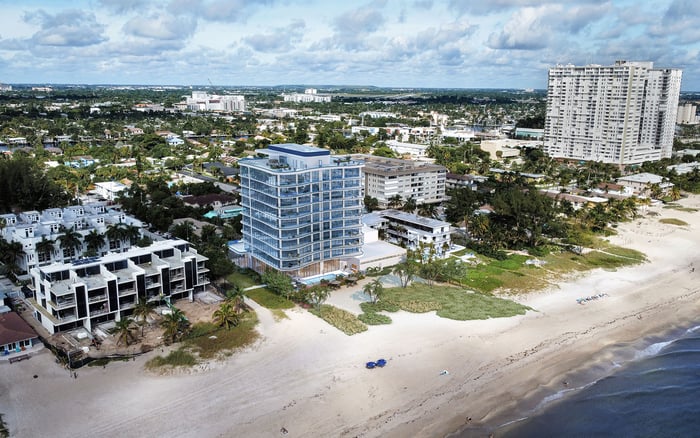
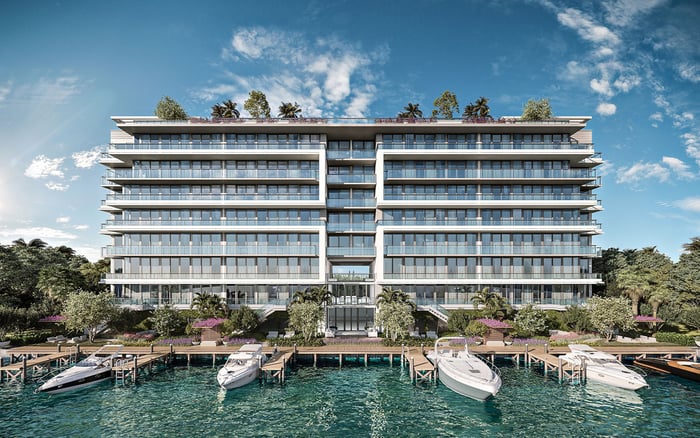
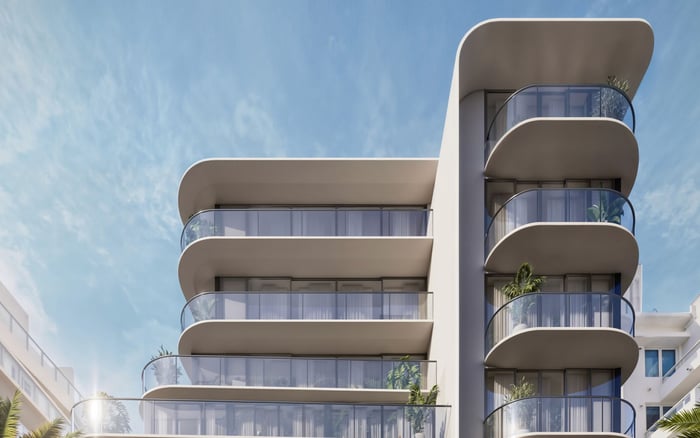
A discreet 2026 buyer framework for comparing Ocean 580 Pompano Beach and Alma Bay Harbor Islands through reserves, insurance, completion certainty, and lifestyle control.
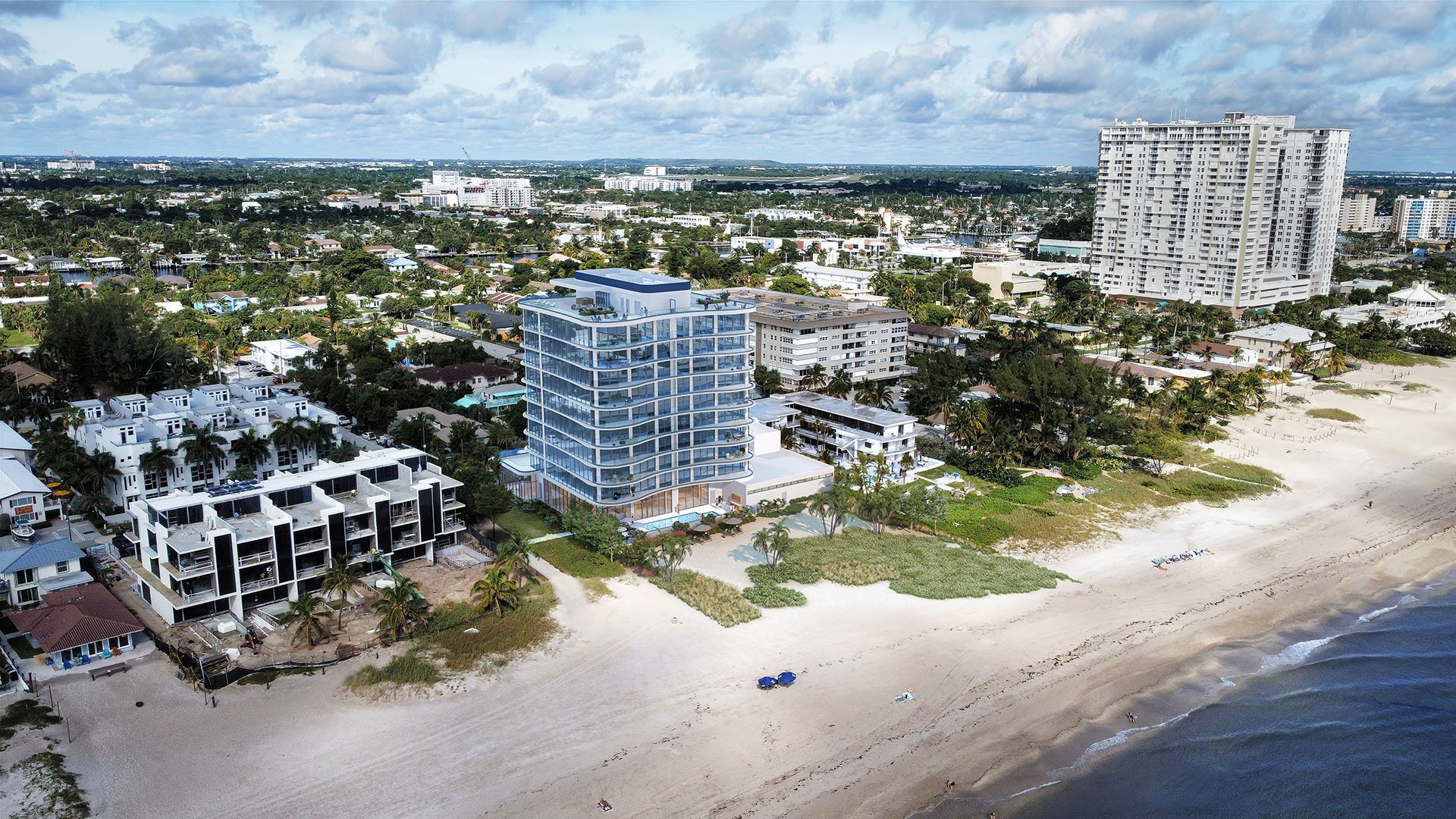
Ocean 580 Pompano Beach or Alma Bay Harbor Islands is not simply a coastline-versus-island-rhythm decision. For a disciplined 2026 buyer, the more revealing comparison sits beneath the presentation layer: reserve exposure, insurance structure, and completed-building certainty.
This is the new luxury filter in South Florida. A residence can be beautiful, well located, and emotionally persuasive, yet still require a careful reading of the building’s balance sheet, risk allocation, and delivery status. Buyers who understand these elements before falling in love with a floor plan gain a clearer view of long-term ownership.
In shorthand, the search may look like Pompano Beach versus Bay Harbor. In practice, it is a decision about control. Ocean 580 Pompano Beach places the conversation in a Broward coastal setting. Alma Bay Harbor Islands places it within the quieter island fabric north of Miami Beach. Each should be evaluated with the same calm discipline.
Reserve exposure is the first test because it shapes the ownership experience after closing. A luxury buyer should review the association budget, reserve schedule, capital-planning posture, and any discussion of future assessments. The point is not to avoid every future cost. It is to understand whether the building’s financial plan feels transparent, current, and proportionate to the asset.
For Ocean 580 Pompano Beach, buyers should focus on how the building’s ongoing coastal obligations are anticipated. For Alma Bay Harbor Islands, they should ask the same question in an island context. The names and settings differ, but the diligence is identical: what is funded, what is deferred, and what could become a future owner conversation?
Reserve strength can also influence liquidity. A well-documented building may give future purchasers more confidence, while ambiguity can slow decision-making. For an investment-minded buyer, this matters as much as finishes or amenities.
Insurance used to sit quietly in the closing file. In 2026, it deserves a place beside the pool deck, lobby, and view corridor. Buyers should understand the master policy, deductibles, covered elements, exclusions, and how the association’s coverage interacts with the owner’s individual policy.
The essential question is simple: when a claim occurs, who pays what, and when? A buyer should not wait until storm season or lender review to understand that answer. In South Florida, insurance structure can affect carrying costs, financing confidence, and resale dialogue.
This is especially important for boutique properties, where scale can influence how risk and cost are shared. It is also important in any new-construction or recently delivered context, where buyers may focus heavily on design while underweighting the operating model. Insurance clarity is part of luxury now because it protects calm ownership.
Completed-building certainty is about evidence. A buyer who can walk the corridors, feel the arrival sequence, inspect the residence, and review active operations is evaluating something tangible. A buyer considering a not-yet-delivered or still-evolving offering is evaluating documents, timelines, representations, and trust.
Neither approach is inherently superior. A completed building may offer less optionality but more visibility. A pre-completion opportunity may offer choice and early positioning, but it requires more contract diligence. The proper question is not which is more glamorous. It is which version of risk best matches the buyer’s temperament.
For Ocean 580 Pompano Beach and Alma Bay Harbor Islands, the prudent buyer should ask whether certainty is coming from physical completion, contractual protection, developer execution, association records, or some combination of those elements. The answer often determines negotiating posture.
Once the financial and structural questions are understood, lifestyle can return to the foreground. Pompano Beach can appeal to buyers who want a Broward coastal address with a quieter profile than Miami’s most visible corridors. Bay Harbor Islands can appeal to buyers seeking a more residential island cadence with proximity to established luxury destinations.
Those lifestyle preferences are real, but they should not obscure the deeper ownership test. View, arrival, privacy, service, and neighborhood rhythm are personal. Reserve exposure and insurance structure are not. They either support the ownership story or complicate it.
For a second-home buyer, the priority may be ease: predictable costs, simple maintenance, and confidence while away. For a primary resident, the priority may be governance, daily operations, and the quality of the building community. Both profiles should read the same documents before making an offer.
The strongest 2026 purchase is rarely the one with the loudest sales language. It is the one with the cleanest file. Buyers should ask for governing documents, budget, reserve information, insurance summary, meeting history where available, pending project details, and any material disclosures that affect ownership.
If the answers are organized, consistent, and easy to understand, confidence rises. If the answers are vague or delayed, the buyer should slow down. In the current luxury market, patience is not hesitation. It is leverage.
The final decision between Ocean 580 Pompano Beach and Alma Bay Harbor Islands should therefore be made in this order: financial clarity, insurance clarity, building certainty, then lifestyle preference. That sequence protects the buyer from confusing an attractive residence with a durable ownership position.
What is the main difference buyers should test first? Start with reserve exposure, because it can shape future assessments, liquidity, and confidence after closing.
Why does insurance structure matter so much in 2026? Insurance affects carrying costs, lender comfort, and owner responsibility when a covered event occurs.
Is completed-building certainty always better? Not always. It offers visibility, while earlier-stage opportunities may offer choice but require stronger contract diligence.
How should a buyer compare Ocean 580 Pompano Beach with Alma Bay Harbor Islands? Use the same framework for both: reserves, insurance, completion certainty, governance, and lifestyle fit.
Should lifestyle or building financials come first? Building financials should come first. Lifestyle matters more once ownership risk is clearly understood.
What documents should buyers request early? Buyers should review the budget, reserve information, insurance summary, governing documents, and relevant disclosures.
Does a boutique building require different diligence? Yes. Smaller ownership bases can make cost-sharing and governance especially important to understand.
Can insurance affect resale value? It can influence buyer confidence, financing review, and perceptions of long-term carrying-cost stability.
Is this framework useful for a second-home purchase? Yes. Second-home buyers often need predictable operations and clear responsibilities while they are away.
What is the best signal of a strong purchase file? Clear, timely, and consistent answers from the building file are often the strongest signal.
To compare the best-fit options with clarity, connect with MILLION.
If branded residences are on your mind — as a home or as an allocation — we would be glad to share what we are seeing, privately.
Begin a quiet conversation