A buyer-focused comparison of Colette Residences Brickell and Baccarat Residences Brickell, centered on enforceable waterfront rights, marina governance, dockmaster standards, and insurance clarity before contract execution.
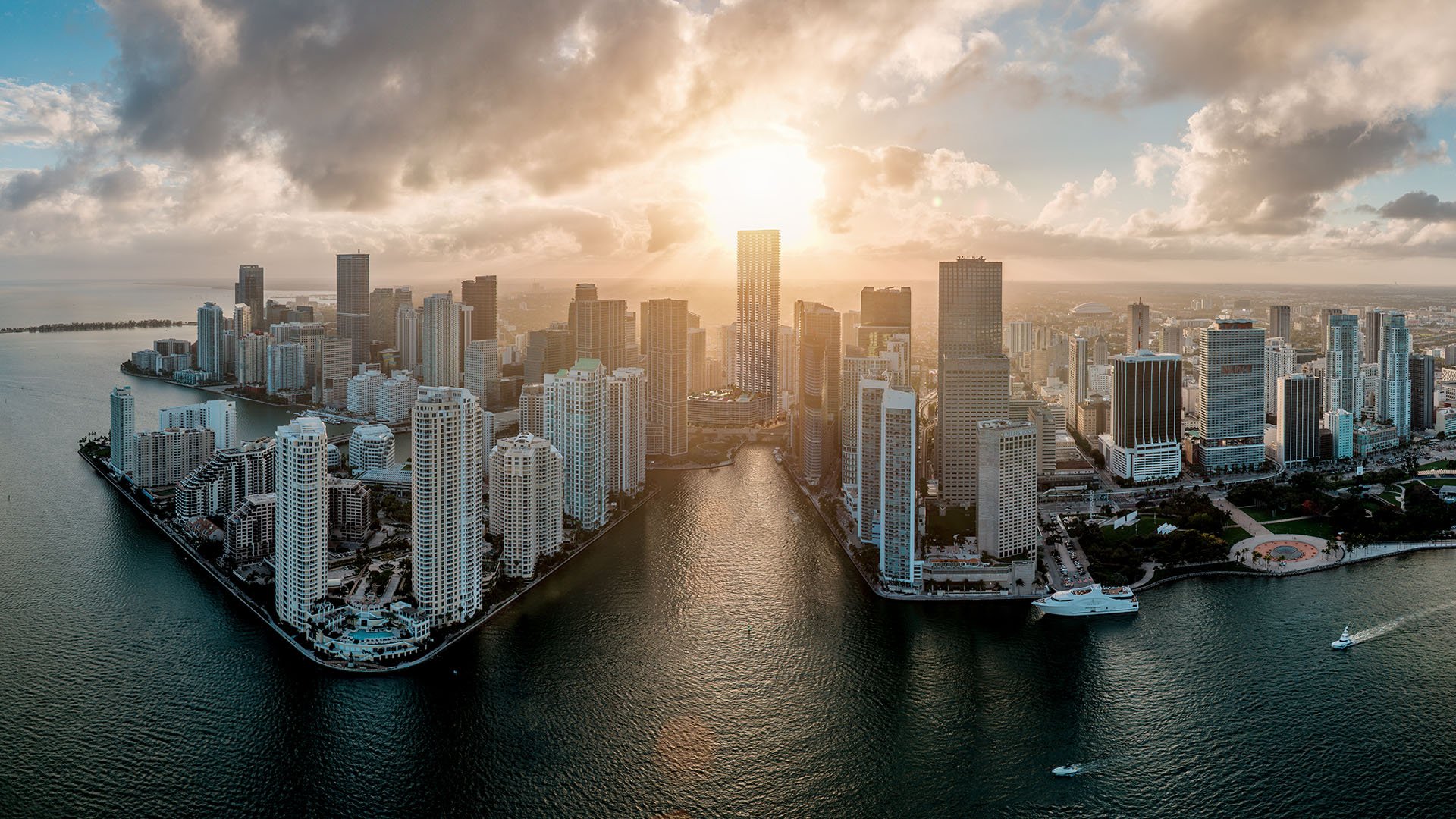
In Brickell’s upper tier, the difference between a beautiful waterfront residence and a strategically superior acquisition is often buried in the documents. Colette Residences Brickell and Baccarat Residences Brickell create a similar first impression: elevated urban living, proximity to the water, and a lifestyle narrative shaped around Miami’s most vertical financial district. Yet for a seven- or eight-figure buyer in 2026, the better question is not which presentation feels more seductive. It is which project provides clearer answers before a contract is signed.
That distinction matters because waterfront language can be imprecise. A waterview may be obvious from a residence. Waterfront positioning may be compelling in a sales gallery. But dockage, marina access, guest-vessel privileges, and marine service are separate legal and operational questions. In a market where buyers increasingly want usable lifestyle infrastructure, not simply atmosphere, certainty carries a premium.
Baccarat Residences Brickell currently reads as the clearer starting point in this comparison because its buyer-facing narrative gives purchasers a more specific diligence path. Colette Residences Brickell belongs in the same conversation, but it requires a more intensive buyer-side verification process before any waterfront-use narrative should be treated as a binding advantage.
Baccarat Residences Brickell has the more transparent profile in this buyer test. For purchasers who think of Miami not only through skyline views, but also through access to the water, the key is to separate presentation from enforceable rights. A strong lifestyle narrative does not mean every marine-related benefit should be assumed. It means the project gives buyers a more specific list of questions to test.
For a buyer evaluating Baccarat Residences Brickell, the first essential question is whether any marina or dock rights are deeded, licensed, assigned as limited common elements, or offered as revocable amenities. Those distinctions can alter the long-term value of a residence. A deeded or clearly assigned right may travel with ownership in a way that an amenity privilege may not. A license may be useful but conditional. A revocable amenity may be attractive but vulnerable to changes in association policy, operational capacity, or future governance.
The second issue is the operating structure. A marine-service concept is only as useful as its rules. Buyers should ask how any slips are allocated, whether vessel-size limits apply, how guest use is managed, whether rights transfer upon resale, and what service standards govern any dockmaster function. If dockmaster service is part of the lifestyle promise, the buyer should understand whether that service is a binding obligation, an association-controlled amenity, or a hospitality feature subject to change.
Colette Residences Brickell requires a different posture. The project belongs in a Brickell luxury conversation, but the available information is comparatively limited, which makes discipline more important. A buyer should not equate waterfront identity with private dockage, vessel access, or controlled marine hospitality unless those rights appear in binding documents.
This is not a negative conclusion. It is a more careful one. In South Florida, two waterfront residences can deliver very different ownership outcomes depending on who controls the waterfront, marina, promenade, boardwalk, seawall, or related access areas. A buyer may enjoy the same visual drama from the living room, yet hold very different rights at the water’s edge.
For Colette, the appropriate request is direct and written: confirm the nature of any waterfront-access rights, the existence or absence of dockage privileges, the party responsible for waterfront operations, and any limitations that may affect owners or guests. Dockmaster service, marine hospitality, and waterfront-use claims should remain unverified until they appear in condominium documents, association materials, or other binding disclosures reviewed before contract execution.
The ultra-luxury buyer often understands finishes intuitively. Stone, millwork, ceiling heights, appliances, private elevator entries, and service programming can be assessed in a relatively familiar way. Waterfront rights are different. They are not aesthetic. They are legal, operational, and sometimes political within an association.
A boat slip can be a residence-defining asset, but only if the right is clear. Is the slip attached to a unit, allocated by the association, rentable, transferable, waitlisted, size-restricted, or revocable? Can an owner’s guests use it? Can it be assigned to a family office, captain, or charter-related structure? Are liveaboards prohibited? Are tenders treated differently from larger vessels? The answers determine whether the marine component is part of the property’s core utility or simply part of the marketing mood.
The same is true of boardwalk and shoreline access. Waterfront does not automatically mean private control. In Brickell, public-facing, association-controlled, developer-controlled, or easement-influenced areas may each produce different owner experiences. The elegant buyer reads the view, then reads the documents.
Dockmaster service carries a particular glamour in Miami because it signals ease. The best version feels invisible: arrivals handled, rules enforced, vessels managed, guests directed, and friction removed. But from an ownership standpoint, the word “dockmaster” should trigger questions rather than assumptions.
At Baccarat, where waterfront and marine-service questions are central to the diligence conversation, buyers should ask for the operating standards. Who employs the dockmaster? Who pays for the service? What hours are covered? Are there emergency protocols, guest-vessel procedures, maintenance obligations, and owner conduct rules? Are service levels guaranteed, or merely contemplated?
At Colette, the test is even more fundamental. Unless dockmaster service or marine hospitality is confirmed in binding documents, buyers should treat it as unproven. In a new-construction environment, especially before delivery, hospitality language can evolve. A sophisticated contract review should separate what is promised, what is planned, and what is merely aspirational.
Insurance is less romantic than a sunset arrival by boat, but it may be more decisive. For both projects, buyers should understand the building master policy, owner-level coverage obligations, wind and flood exposure, deductibles, exclusions, and how premium changes may affect association budgets over time.
In luxury condominium ownership, the question is not simply whether insurance exists. It is how the risk is allocated. What does the association insure? What must the owner insure separately? How are special assessments handled if premiums rise or coverage changes? Are waterfront components, marina elements, docks, or related structures included in the master policy, insured separately, or treated as a limited-use facility with distinct obligations?
The buyer who clarifies insurance early is not being cautious for its own sake. They are protecting liquidity, resale confidence, and long-term carrying-cost stability. In 2026, the strongest waterfront purchase is not always the one with the most cinematic renderings. It is the one where the ownership obligations are legible.
If the decision is based on current clarity, Baccarat Residences Brickell has the advantage as a starting point. Its more defined buyer-facing narrative gives purchasers a clearer set of issues to test. That clarity does not replace due diligence, but it gives the diligence a sharper frame.
Colette Residences Brickell may still be compelling for the right buyer, particularly one focused on Brickell presence and willing to invest time in document review. But it should not be purchased on inferred waterfront rights. The burden of proof is higher. Written confirmation should precede emotional commitment.
For both projects, the correct luxury posture is calm precision. Ask what is enforceable at closing. Ask what the association can change later. Ask whether water access survives resale. Ask who pays when the waterfront requires maintenance. Ask whether any marina component is an amenity, a legal right, or an operational promise.
That is the real 2026 buyer test: not which tower looks better in the skyline, but which ownership structure is clearer when the view, the vessel, the service, and the insurance file are all examined together.
Which project appears more transparent for 2026 buyers? Baccarat Residences Brickell appears more transparent as a starting point because its buyer-facing narrative creates a clearer diligence framework.
Does waterfront mean private dockage? No. Waterfront, waterview, marina access, and private dockage are separate concepts that should be verified in writing.
What should Baccarat buyers ask first? They should ask whether any dock or marina rights are deeded, licensed, limited common elements, or revocable amenities.
What should Colette buyers verify before signing? They should request written confirmation of any waterfront-access rights, dockage privileges, and marine-service obligations.
Why does dockmaster service require diligence? Dockmaster service can be a binding operational feature or a flexible hospitality concept, depending on the documents.
Can a boat slip affect resale value? Yes. A clearly transferable boat slip right may matter to future buyers, especially those who own vessels.
Why is insurance central to this comparison? Insurance affects carrying costs, association budgets, owner obligations, and exposure to wind or flood-related risk.
Is Baccarat automatically the better purchase? Not automatically. It is the clearer starting point, but the final decision depends on contract terms and buyer priorities.
Is Colette Residences Brickell too uncertain to consider? No. It simply requires more verification before a buyer treats waterfront claims as enforceable ownership rights.
What is the best way to shortlist comparable options for touring? Start with location fit, delivery status, and daily lifestyle priorities, then compare stacks and elevations to validate views and privacy.
If you'd like a private walkthrough and a curated shortlist, connect with MILLION.
If branded residences are on your mind — as a home or as an allocation — we would be glad to share what we are seeing, privately.
Begin a quiet conversation