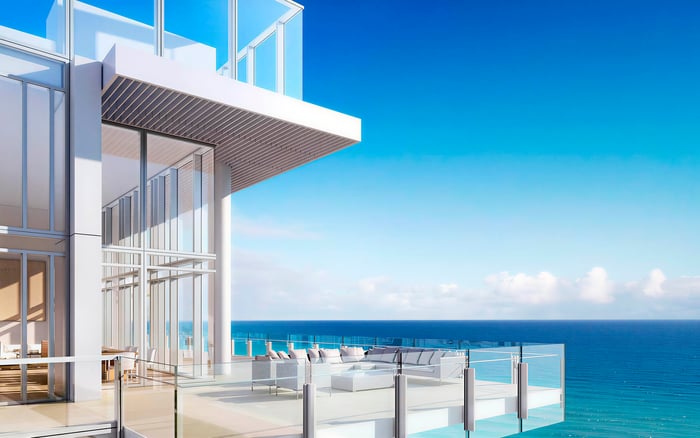
A buyer-focused guide to asking sharper seawall, storm, flood, insurance, and resilience questions around The Delmore Surfside and other South Florida waterfront residences.
In South Florida luxury real estate, water is both the emotional catalyst and the technical assignment. A buyer may first respond to the horizon, the reflected light, the morning color over the Atlantic, or the privacy of a residence set close to the shoreline. Yet the more sophisticated the purchase, the more the conversation must move beyond the glass line.
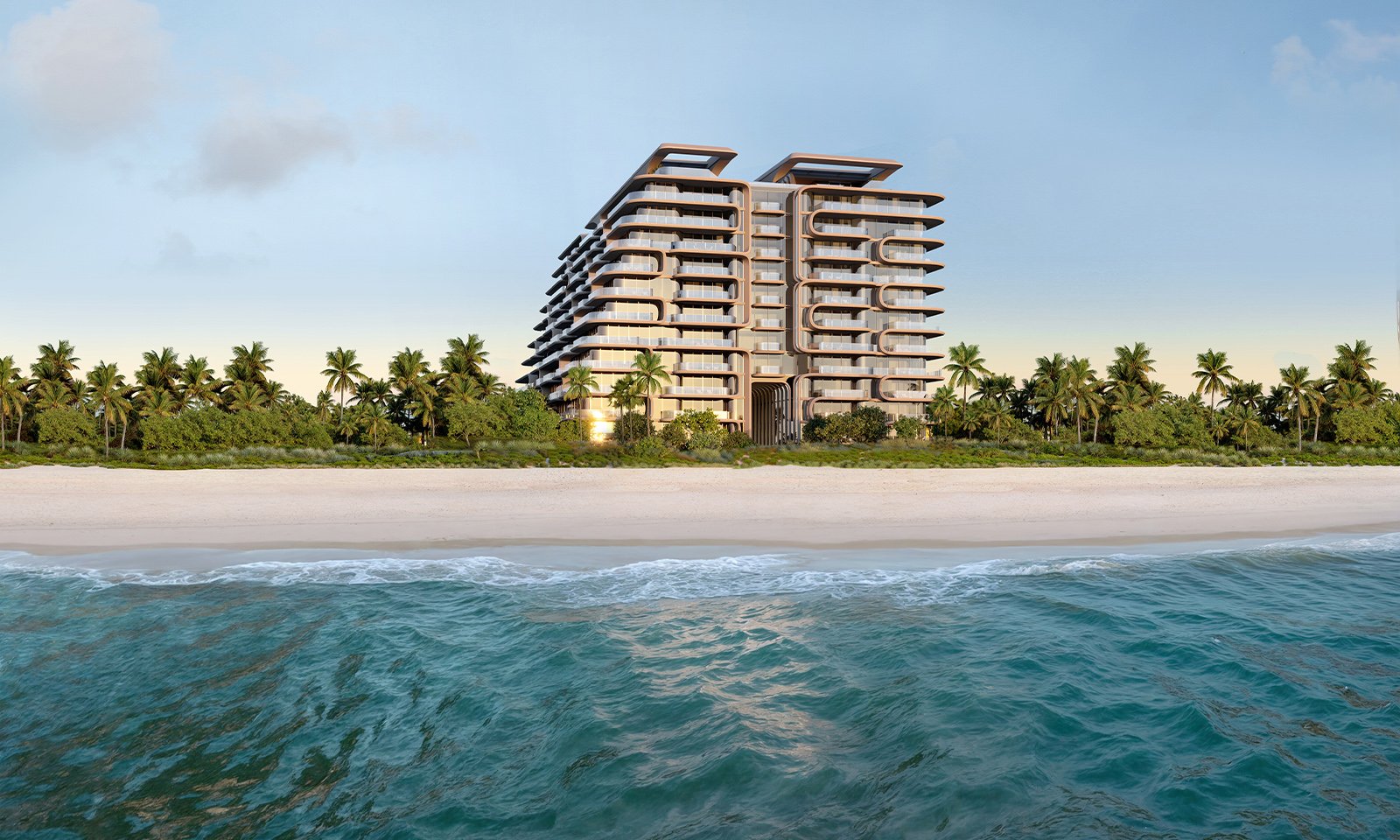
That is especially true near The Delmore Surfside, which offers a Surfside-specific lens for the diligence waterfront buyers should bring to any serious acquisition. The question is not whether the view is beautiful. It is how the building, the site, the association, and the surrounding coastal environment work together over time.
For a Surfside buyer, the category is not merely Waterfront or Oceanfront. It is a long-hold asset class where design, maintenance discipline, insurance review, and storm planning belong in the same conversation. The strongest buyers ask these questions early, calmly, and with the same care they bring to floor plans, privacy, and finishes.
Luxury marketing tends to emphasize what is visible: architecture, terraces, materials, spa programs, arrival sequences, and service. Those details matter. But a coastal purchase also requires a Buyer's Guides mindset, one that treats the invisible systems as part of the residence.
A buyer considering Surfside may compare the feel of Ocean House Surfside, the established privacy associated with The Surf Club Four Seasons Surfside, and the newer conversations around The Delmore Surfside. The purpose is not to rank them by view. It is to understand how different properties frame questions about site planning, building operations, exposure, maintenance culture, and long-term ownership experience.
In a New-construction setting, buyers often focus on what is new: design language, wellness amenities, parking, elevators, glazing, and interior packages. The better question is how newness is supported by documentation. What has been disclosed about the site? How are coastal conditions addressed in the building narrative? What should the buyer’s engineer, insurance advisor, and counsel review before the contract becomes emotional rather than analytical?
For waterfront buyers, the word seawall can sound singular, as if it were one object with one simple answer. In practice, the buyer should think more broadly. A seawall, where relevant, is part of a larger system that may include drainage, landscape design, access points, underground components, association maintenance, and adjacent properties.
The practical questions are straightforward. Who is responsible for inspection and maintenance? What documentation is available to review? Are future capital needs discussed in association materials? How do site features perform during heavy rain or high-water events? If the residence is part of a condominium, how are exterior and site-related obligations treated in the governing documents?
The buyer does not need to become an engineer. The buyer does need to know which professionals should be brought into the process, and when. A polished sales presentation is not a substitute for disciplined review. In the ultra-premium segment, the most compelling properties often reward buyers who can admire the architecture while still asking practical questions about the ground beneath it.
Storm questions should be handled without drama. They are part of owning in a coastal market, just as service charges, reserves, and privacy protocols are part of owning in a luxury condominium. The point is not to predict a specific event. The point is to understand the residence and building as an ownership environment.
Buyers should ask how the building communicates before, during, and after severe weather. They should understand access procedures, generator or backup-power discussions where disclosed, elevator protocols, staff responsibilities, and post-event inspection practices. If a buyer expects seasonal use, the question becomes more personal: who prepares the residence when the owner is away, and who reports on conditions afterward?
This is where lifestyle and operations intersect. A full-time resident, a seasonal owner, and a family using the residence as a second home may evaluate the same building differently. The right answer depends on how the property will be used, how quickly the owner expects information, and how much responsibility will be delegated to management, staff, or private advisors.
In luxury real estate, carrying cost is not merely a budget line. It is part of the psychology of ownership. Waterfront buyers should review insurance, association obligations, reserve planning, and maintenance history with the same seriousness they apply to price per square foot.
The key is to separate assumption from documentation. What insurance information is available for review? How are deductibles addressed? What are the association’s responsibilities versus the owner’s responsibilities? Are there special assessment discussions, planned capital projects, or maintenance items that should be understood before closing?
A buyer looking beyond Surfside might ask similar questions at Rivage Bal Harbour or along the Miami Beach coastline at 57 Ocean Miami Beach. The architectural expression may differ, but the ownership discipline is consistent: beauty should be paired with clarity.
This is not an argument against waterfront living. Quite the opposite. It is an argument for buying it well. The more extraordinary the setting, the more important it becomes to understand the responsibilities that preserve it.
Private elevator entries, stone selections, kitchen systems, and terrace depth are easy to understand because they are tactile. Site questions require a slower read. A buyer should walk the property with attention to edges, transitions, access points, planting, grading, garage entries, lobby approach, and the relationship between indoor amenity spaces and exterior areas.
Ask what happens during ordinary heavy weather, not only during named storms. Ask how water moves around the property. Ask whether the building’s operating documents describe procedures clearly. Ask how neighboring properties may influence the experience of arrival, access, and maintenance coordination.
The most refined due diligence is not adversarial. It is a way of respecting the asset. A serious seller, developer, or association should expect sophisticated buyers to ask careful questions. In the best transactions, those questions do not diminish desire. They make desire more durable.
A waterfront buyer should assemble advice before falling too deeply in love with a single view. The real estate advisor frames the market and negotiation. Counsel reviews the contract and governing documents. An insurance advisor helps interpret coverage considerations. An engineer or qualified inspector can evaluate physical questions that sit outside ordinary aesthetic review.
For The Delmore Surfside and comparable residences, this team approach can help buyers distinguish between acceptable coastal ownership realities and issues that deserve deeper review. It also helps couples, families, and investment-minded buyers align around risk tolerance. One buyer may prioritize convenience and service. Another may focus on long-term liquidity. Another may care most about seasonal lock-and-leave confidence.
The central principle is simple: do not let the view make every other question feel impolite. At this level, asking is part of buying well.
Why should buyers near The Delmore Surfside ask seawall questions? Because waterfront value depends on more than views. Buyers should understand site responsibilities, maintenance practices, and documentation before closing.
Is a seawall review only for single-family homes? No. Condominium buyers should also understand how exterior and site-related responsibilities are handled by the association and governing documents.
What storm questions should a luxury condo buyer ask first? Start with building communication, access procedures, post-storm inspections, staff responsibilities, and how an owner is updated when away.
Should insurance be reviewed before making an offer? Buyers should begin the insurance conversation early, especially for waterfront property. Coverage, deductibles, and association obligations can affect ownership comfort.
How does this apply to Oceanfront residences? Oceanfront ownership is highly desirable, but buyers should pair the emotional appeal of the setting with disciplined review of operations and maintenance.
Are reserves part of storm diligence? Yes. Reserve planning and capital needs can influence how confidently a building addresses maintenance, repairs, and future site-related work.
What should seasonal owners consider? Seasonal owners should ask who prepares the residence, who monitors it during absence, and how quickly management communicates after weather events.
Can a beautiful view hide practical concerns? It can distract from them. The best approach is to enjoy the view while still reviewing documents, systems, and professional opinions.
Does New-construction eliminate storm-related questions? No. New-construction may offer modern design and systems, but buyers should still review disclosures, documents, and site-specific considerations.
What is the main takeaway for Surfside buyers? Treat Surfside waterfront property as both a lifestyle purchase and a technical asset. The most confident buyers ask practical questions early.
For a confidential assessment and a building-by-building shortlist, connect with MILLION.
If branded residences are on your mind — as a home or as an allocation — we would be glad to share what we are seeing, privately.
Begin a quiet conversation