In Key Biscayne, resale liquidity depends on the depth of demand for a precise unit type. Size, view line, floor, condition, competing inventory, and ownership costs can shape the future buyer pool more decisively than the headline asking price.
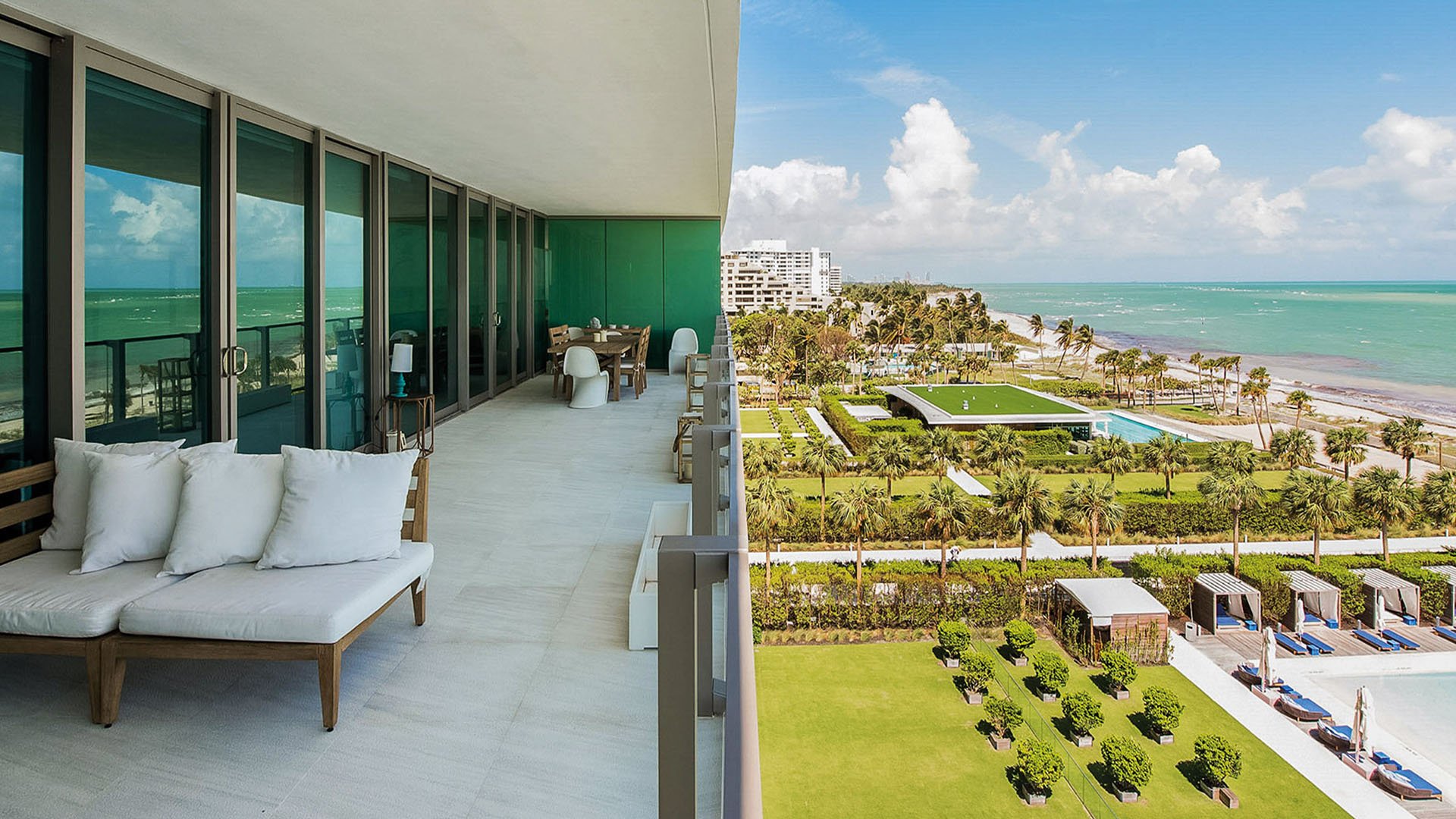
In Key Biscayne, two condominiums in the same building can occupy different resale markets. An efficient residence may appeal to several buyer profiles, while an unusually large home can face a smaller audience because of its total purchase price and annual ownership burden.
Buyer-pool depth is the number of credible purchasers who want the unit type, can carry it comfortably, and are prepared to transact within a reasonable period. Asking price remains important, but it does not create demand. The more useful question is how many buyers are likely to recognize the residence as a suitable choice when it returns to market.
A compelling ask cannot compensate indefinitely for a narrow resale audience.
Square footage changes more than price per square foot. It affects the total acquisition cost, furnishing requirements, interior maintenance, and other ownership expenses. These absolute costs often determine whether a prospective buyer enters the conversation at all.
A larger residence can appear attractive on a price-per-square-foot basis while remaining difficult to resell because fewer buyers can justify the total commitment. A more conventional layout may attract a broader audience even when its relative pricing is higher.
Layout efficiency matters alongside size. Buyers may respond differently to two residences with similar interior area if one provides more usable rooms, better circulation, or greater flexibility for guests and remote work.
Building averages conceal the attributes buyers actually experience. Direct ocean, angled water, bay, skyline, garden, and obstructed exposures should not be treated as interchangeable. Floor height can improve privacy and sightlines, but its value depends on whether the outlook materially changes and whether buyers consider that exposure scarce.
For an oceanfront resale, buyers should inspect what is visible from the principal rooms, how the outlook changes throughout the day, and whether competing listings share the same line. A lower-priced unit with a compromised view may prove harder to exit than a more expensive residence with a scarce, durable outlook.
Floor and view should therefore be evaluated together. A higher level does not automatically deliver the most compelling exposure, and a strong view on another floor can create a distinct resale proposition.
Price per square foot can orient a search, but it cannot value a specific residence. The measure compresses differences in floor, exposure, layout, condition, terrace utility, and ownership costs into a single figure.
Active listings and closed sales also serve different purposes. Active inventory shows seller expectations and immediate competition, while closed transactions show terms buyers accepted. Treating the two as interchangeable can distort an assessment of market-clearing value.
The relevant pricing question is not whether a home appears inexpensive against a broad building or island average. It is whether buyers have accepted similar pricing for a comparable line, floor, view, layout, size, and condition.
A building with limited direct inventory may reduce internal competition, but residences under the same name can still address very different budgets and buyer profiles. At Oceana Key Biscayne, underwriting should focus on the exact residence rather than relying on the project name alone.
Resale competition can also extend beyond Key Biscayne when a buyer is flexible about location. Depending on priorities, a purchaser may compare opportunities at Apogee South Beach, Eighty Seven Park Surfside, or Oceana Bal Harbour. This broader choice set reinforces the need to evaluate demand for the precise unit rather than assume loyalty to one address.
A low asking price can be misleading when annual ownership costs are poorly aligned with the likely buyer. Association dues, property taxes, insurance, reserves, assessments, interior maintenance, and unit-management expenses all shape the acquisition decision. A second-home buyer may focus on convenience and predictability as much as purchase price.
The practical calculation should show annual and multi-year carrying costs, not merely monthly dues. It should also separate recurring obligations from disclosed assessments and anticipated capital work. A residence priced below a close comparable may be rationally discounted if its ongoing burden is higher or less predictable.
For an investment-oriented buyer, these expenses influence the holding period and eventual exit. For a second-home purchaser, they influence the willingness to retain the property through quieter market cycles. In both cases, carrying cost can narrow or broaden the future audience.
Begin with same-building closed sales, then narrow the comparison to similar line, floor, orientation, condition, layout, size, and view quality. Compare active listings to understand immediate competition, but do not mistake seller expectations for executed value. Market time and price changes can help reveal how buyers responded.
Next, define the likely purchaser for the residence. Consider how many alternatives that buyer has within the building, elsewhere in Key Biscayne, and across comparable South Florida waterfront neighborhoods. Finally, stress-test annual costs and consider how simultaneous competing listings could affect timing.
The strongest purchase is not automatically the home with the lowest ask. It is the residence whose price, physical attributes, carrying profile, and future audience remain coherent. That alignment offers something more durable than a discount: a defensible path to resale.
For discreet advice on evaluating Key Biscayne opportunities, connect with MILLION.
If branded residences are on your mind — as a home or as an allocation — we would be glad to share what we are seeing, privately.
Begin a quiet conversationIt is the number of credible purchasers who want a specific unit type, can afford its total ownership cost, and are prepared to transact.
Larger homes require a higher total commitment and often greater absolute carrying costs, which can reduce the number of credible buyers.
They are useful screening tools, but they can combine residences with different floors, views, layouts, conditions, and sizes.
Prioritize closed sales in the same building with a similar line, floor, orientation, condition, layout, size, and view quality.
A scarce, durable exposure can attract focused demand, while a compromised or common outlook may require more competitive pricing.
No. Floor level matters most when it materially improves the view, privacy, or scarcity relative to competing residences.
Active listings show seller expectations and current competition, while closed sales show terms buyers accepted.
Consider association dues, property taxes, insurance, reserves, assessments, interior maintenance, and unit-management expenses.
It can reduce direct internal competition, but the unit's size, view, layout, condition, and ownership burden still shape demand.
Extended market time, repeated reductions, or a weaker response than comparable units can suggest that the ask is above market-clearing value.