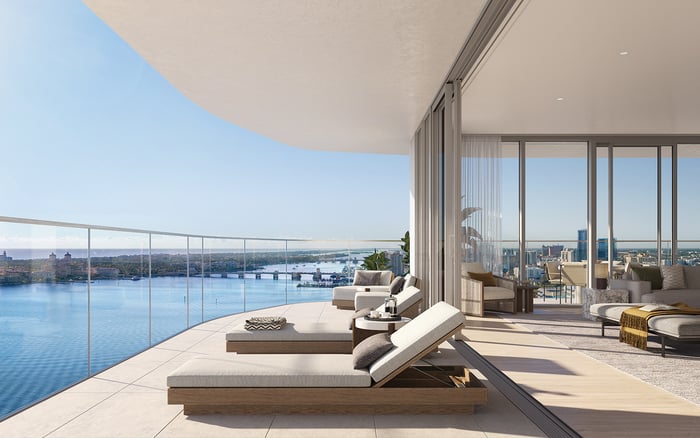
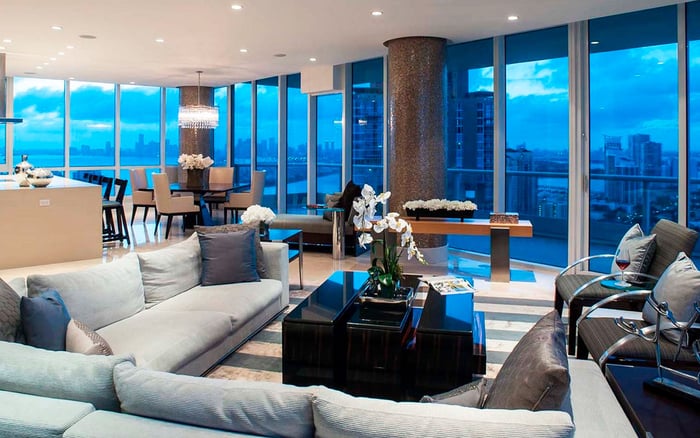
Privacy in residential treatment rooms is moving from a soft amenity to a practical luxury standard across South Florida, shaping how discerning buyers evaluate wellness, discretion, circulation, and service design.
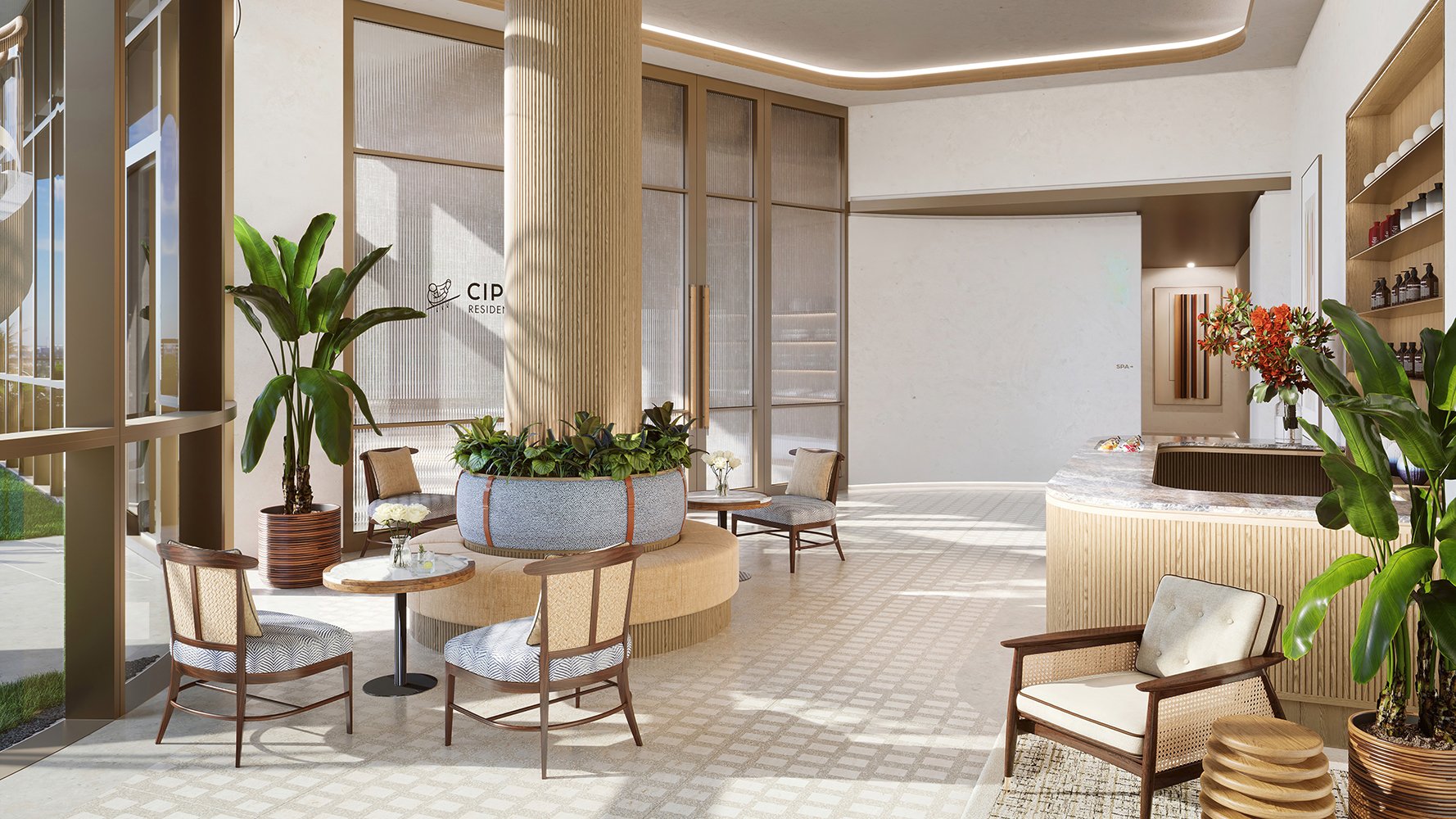
In South Florida’s upper tier of residential real estate, the private treatment room has become more than a serene setting for a massage or facial. It is now a measure of how seriously a building understands discretion. For buyers who already expect beautiful pools, sculptural lobbies, resort-style service, and ocean or skyline views, the next distinction is not simply abundance. It is control.
That control is practical. Who sees a resident arrive for a treatment? How is the room accessed? Can staff move quietly without crossing high-traffic social areas? Does the space feel clinically competent without losing the softness of a spa? These are not minor questions for a clientele accustomed to privacy at home, while traveling, and during health and wellness appointments.
The conversation now spans Brickell, Miami Beach, Surfside, Palm Beach, boutique buildings, and new-construction residences. In each setting, privacy is not about hiding. It is about shaping a wellness experience that feels calm, intelligent, and protected from the casual visibility of daily condominium life.
The rise of wellness amenities has made treatment rooms more prominent in sales presentations, but visibility can create a contradiction. The best spaces are not necessarily the most photographed. They are the ones residents trust enough to use.
A treatment room involves a different level of personal exposure than a gym, pool deck, or lounge. Residents may arrive without makeup, after a workout, before an event, or during recovery from travel. They may be booking a body treatment, skincare appointment, physical therapy session, or restorative service. The experience touches the body, schedule, and personal routine. For ultra-premium buyers, privacy must be embedded from the moment the appointment is made until the resident returns home.
This is why a single beautiful room is no longer enough. A credible residential wellness suite considers arrival sequence, robe and changing areas, acoustic separation, storage, staff circulation, sanitation protocols, lighting control, and the ability to maintain dignity at every stage. The luxury is not theatrical. It is the absence of friction.
Discretion begins with circulation. A treatment room placed directly off a busy amenity corridor may look efficient on a floor plan, but it can feel exposed in daily use. More sophisticated layouts create subtle transitions, such as a quiet vestibule, secondary hallway, or reception point that softens the movement from public to private.
Acoustics are equally important. A room that allows conversation, music, or hallway noise to bleed through undermines the premise of restoration. Buyers should pay attention to door placement, wall separation, mechanical noise, and whether the room feels insulated from nearby amenity spaces.
Lighting is another marker. A proper treatment room should not rely on decorative mood alone. It needs layered illumination that can support skincare, massage, consultation, and post-treatment calm. Temperature control also matters, especially in a climate where residents may move from humid exterior air into highly conditioned interiors throughout the day.
Finally, the room must feel serviceable without feeling institutional. Cabinetry, concealed storage, durable finishes, cleanable surfaces, and thoughtful plumbing or electrical planning can make the difference between an amenity that photographs well and one that functions gracefully over time.
In luxury residential life, privacy is as much operational as architectural. Even the best room can fall short if the service model is loose. Residents increasingly want appointment systems, staff protocols, and guest handling to feel quiet and controlled.
That may mean avoiding unnecessary check-ins at a visible desk, protecting the resident’s schedule, and keeping third-party providers from wandering through residential areas without guidance. It can also mean designing back-of-house paths that support staff movement without turning the amenity floor into a service corridor.
For buyers, the right question is not only, “Does the building have treatment rooms?” It is, “How will they be used on a Tuesday afternoon when the building is full, the pool is active, and several residents have guests in town?” Practical luxury reveals itself under normal conditions, not just during a private tour.
A buyer evaluating wellness spaces should look beyond the renderings and ask direct, practical questions. How many treatment rooms are planned or available? Are they single-use or flexible? Can two residents book separate services without crossing paths? Is there a dedicated changing area? Can providers enter and exit discreetly? Are rooms reserved exclusively for residents, or can outside guests access them with hosts?
The answers clarify whether the amenity is designed for occasional spectacle or routine use. In South Florida, where many owners divide time among multiple homes, the most successful buildings make wellness easy from the first day back in residence. A private treatment room should support a resident who lands in the morning, books a recovery service in the afternoon, and hosts dinner that evening without feeling processed through a public amenity machine.
This is especially relevant for buyers comparing high-service towers with more intimate residential formats. Larger buildings may offer deeper amenity programming, while smaller residences may deliver a quieter baseline. Neither approach is automatically superior. The advantage belongs to the property that aligns privacy, staffing, and design with the way its residents actually live.
The language of luxury real estate often turns every feature into an amenity. But some features eventually become standards. In South Florida, privacy in treatment rooms is moving in that direction because it responds to a durable expectation among affluent buyers: wellness should feel personal, protected, and convenient.
This shift is also tied to the broader maturation of the residential wellness category. A fitness center can be impressive at first glance. A spa suite can be beautiful in photography. But treatment-room privacy requires deeper planning, which makes it a revealing signal. It tells buyers whether a development team understands how service, architecture, and human behavior intersect.
For owners, the benefit is daily confidence. They can use the wellness suite without anticipating social encounters they did not invite. They can invite a preferred provider into a controlled environment. They can maintain routines that are restorative rather than performative. In the highest tier of the market, that confidence is a luxury in itself.
Privacy-led amenities may also influence how a residence is perceived over time. Buyers often remember the features that solve real problems: private elevators, generous storage, quiet primary suites, sheltered terraces, and wellness spaces that can be used without ceremony. Treatment-room privacy fits that category because it supports repeat behavior.
A beautiful but exposed spa room may impress once. A discreet, well-operated treatment suite can become part of a resident’s weekly rhythm. That difference matters in a market where buyers are increasingly sophisticated about amenity quality. They are not only asking whether a building has more. They are asking whether it has better.
For South Florida, where hospitality expectations are exceptionally high, the next generation of residential wellness will likely be judged by restraint as much as spectacle. The most compelling treatment rooms will not announce themselves loudly. They will simply work, quietly and consistently.
Why is privacy in treatment rooms important for luxury buyers? Treatment rooms involve personal routines, body care, and often health-adjacent services, so buyers value spaces that feel discreet, quiet, and controlled.
What should buyers look for in a private treatment room? Focus on access, acoustics, lighting, changing areas, staff circulation, and whether the room can be used comfortably without public exposure.
Is one treatment room enough in a luxury building? It depends on the size of the residence, service model, and expected usage. The more important issue is whether appointments can happen without friction.
Do treatment rooms need to feel medical? No. The best rooms balance professional functionality with residential warmth, using durable finishes, concealed storage, and calming design.
How does staff circulation affect privacy? If providers must pass through prominent social areas, the experience can feel exposed. Discreet access helps preserve the resident’s comfort.
Are private treatment rooms only relevant in large towers? No. Smaller buildings can benefit as well, especially when they prioritize quiet operation and controlled resident access.
Can treatment-room privacy affect daily lifestyle? Yes. When the space is easy and discreet to use, residents are more likely to incorporate wellness services into their regular routine.
What is the biggest design mistake in treatment rooms? Placing the room where it looks convenient on a plan but feels exposed in real life can weaken the entire wellness experience.
Should buyers ask about booking protocols? Yes. Appointment handling, provider access, and guest policies are central to whether privacy is maintained consistently.
Is treatment-room privacy becoming a luxury standard? In the upper end of South Florida real estate, it is increasingly viewed as a practical expectation rather than an optional flourish.
To compare the best-fit options with clarity, connect with MILLION.
If branded residences are on your mind — as a home or as an allocation — we would be glad to share what we are seeing, privately.
Begin a quiet conversation