A discreet due-diligence framework for evaluating a condominium developer, testing the credibility of delivery expectations, and structuring an offer around the risks that matter.
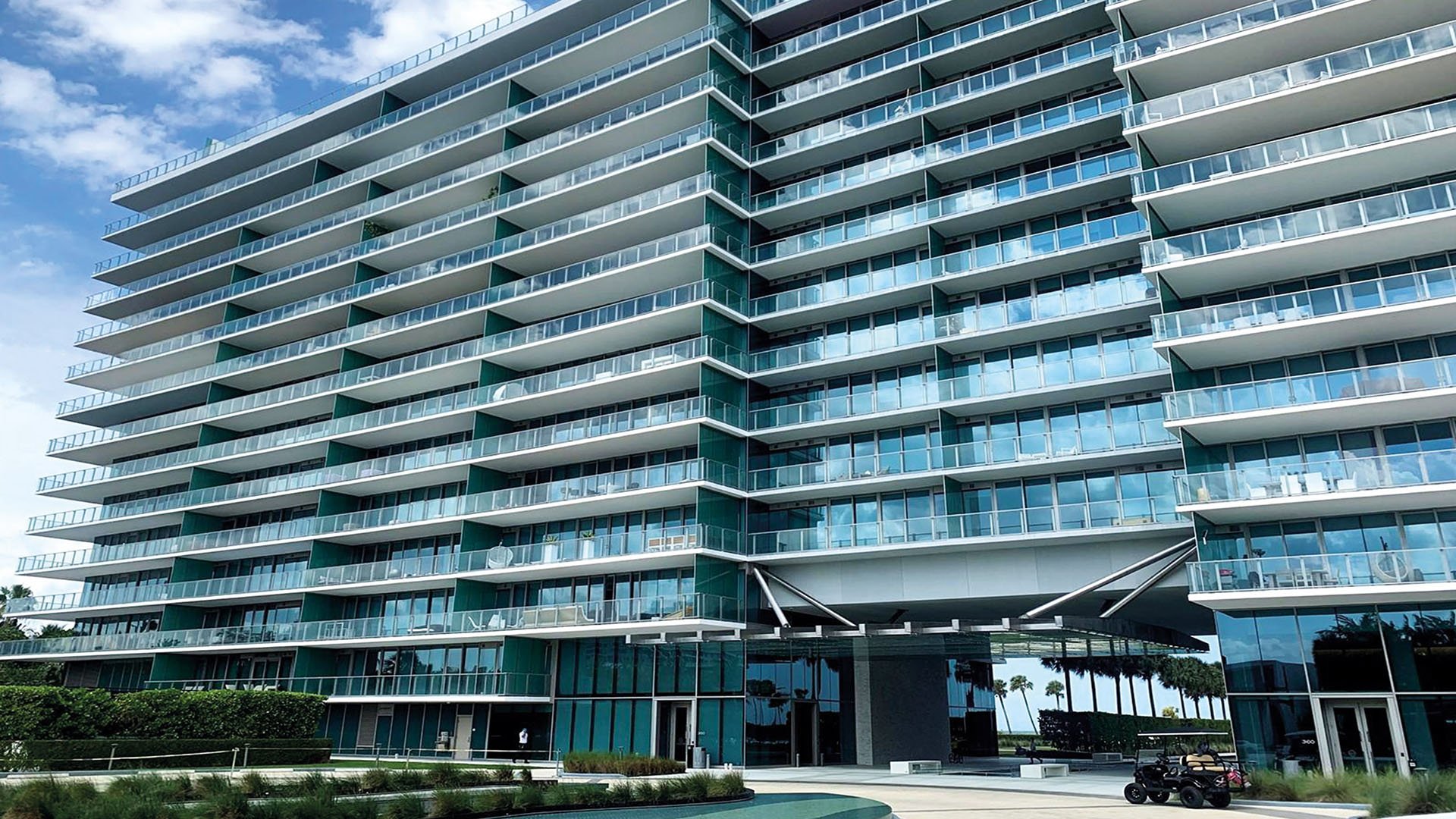
A Key Biscayne condominium purchase is not simply a judgment about architecture, views, finishes, and location. When a residence is under construction, undergoing substantial renovation, or being sold by a sponsor, the buyer is also taking a position on execution. The quality of that position depends on who controls the project, who bears contractual responsibility, and how clearly the transaction allocates delay and delivery risk.
This is especially important in a waterfront market, where sophisticated design, exposed building systems, extensive landscaping, and ambitious amenity programs can complicate completion. A polished sales environment may express intent beautifully, but intent is not an enforceable obligation.
The right approach is neither skeptical nor credulous. It is forensic. Buyers should ask precise questions, request supporting documents, and engage qualified legal, financial, insurance, engineering, and construction advisers to interpret the answers.
Begin by separating the public-facing development name from the legal entities and professionals responsible for delivery. Ask for the names and roles of the developer, property owner, contract seller, equity partners, lender, general contractor, architect, engineers, interior designer, landscape designer, and intended operator or manager.
Then determine which party signed each material agreement and which party is obligated to the buyer. A respected design collaborator does not necessarily guarantee construction performance. Likewise, a recognizable brand may have a limited role defined by a separate agreement.
Review the principals' prior projects individually. For each, ask whether the same decision-makers were involved, whether the building was completed, and whether its original program changed materially. Buyers considering Oceana Key Biscayne can apply the same discipline: distinguish the qualities of the residence from the obligations attached to the current transaction.
A portfolio shows what was created. A delivery record reveals how it was created. Request a project-by-project schedule detailing original target timing, actual completion, material scope revisions, contractor changes, and unresolved obligations. The most useful comparison is not necessarily the most glamorous prior tower, but the one closest in scale, construction type, jurisdictional complexity, and amenity ambition.
Ask who remains from those earlier teams. A track record is less persuasive when the people responsible for approvals, procurement, construction oversight, and closeout have changed. Also examine how the sponsor communicated when conditions shifted. Consistent, documented updates can be as revealing as the final completion date.
This buyer's-guide framework also applies when considering alternatives beyond Key Biscayne, including Vita at Grove Isle and The Residences at Six Fisher Island. The question is not which presentation feels most assured, but which transaction offers the clearest evidence and protections.
Request the current construction schedule and examine the assumptions beneath it. Relevant questions include whether permits required for the next phase are in hand, whether major contracts have been executed, whether long-lead components have been ordered, and what work must occur before temporary or final occupancy can be achieved.
Do not rely on a single delivery date. Request the milestone path leading to it, the contingency built into that path, and the frequency of schedule updates. For pre-construction and new-construction purchases, counsel should compare every verbal or visual representation with the operative contract and disclosure package.
Buyers should also ask what happens if an amenity, private club component, landscape plan, or common area remains unfinished when residences begin closing. Practical completion for occupancy may not deliver the full lifestyle represented during sales.
The purchase agreement should answer four central questions: how long the seller may delay, what changes the seller may make, when deposits become exposed, and what remedies the buyer retains. Ask counsel to identify extension rights, force majeure language, substitution provisions, square-footage tolerances, cancellation rights, default standards, dispute procedures, and limits on reliance upon marketing materials.
Deposits deserve separate scrutiny. Buyers should understand the schedule, the conditions governing release or use, and what happens if the transaction does not close. The legal structure matters more than reassuring language delivered outside the signed documents.
If the purchase is an investment or second home, timing can affect more than convenience. Financing readiness, insurance, planned occupancy, existing housing, moving arrangements, and carrying costs may all be sensitive to delay. Those exposures should be identified before the offer is priced.
Delivery risk does not end at closing. Ask how the developer will manage punch-list work, warranty claims, common-area completion, turnover documentation, and the transition to resident control. Clarify which party will oversee the process and how requests will be recorded and escalated.
Review the proposed operating budget and identify which assumptions depend on occupancy, staffing, vendor contracts, insurance, utilities, reserves, or amenities that may open later. A low introductory budget is not inherently proof of efficient operations. It is an estimate that should be tested against the intended service model.
Comparable luxury choices, such as Rivage Bal Harbour, can help buyers refine questions about service, common areas, and closing readiness without assuming that one project's structure applies to another.
A disciplined offer can account for uncertainty without becoming adversarial. Depending on the transaction and the advice of counsel, buyers may seek clear document-review periods, defined inspection access, written confirmation of included finishes, financing flexibility, closing conditions, or other negotiated protections.
Maintain a written question log recording each answer, the responsible party, the supporting document, and the date. Material points should be incorporated into the executed agreement where appropriate. If an answer cannot be documented, treat it as an assumption and decide whether the price and terms compensate for that uncertainty.
For Key Biscayne buyers, the objective is not merely to secure a beautiful residence. It is to understand who must deliver it, what delivery means legally, and how the buyer is protected if reality departs from the presentation.
What is the first developer question a buyer should ask? Ask which legal entity is selling the residence and which parties are responsible for financing, construction, completion, and post-closing obligations.
Is a strong portfolio enough to establish delivery confidence? No. Review comparable completed projects, original and actual timing, team continuity, scope changes, and the handling of outstanding work.
Which schedule documents deserve attention? Request the current milestone schedule and evidence supporting near-term assumptions, then have a qualified adviser assess its logic.
Should buyers rely on an estimated completion date? Treat it as one input. Examine contractual extension rights, milestone dependencies, contingencies, and the definition of completion.
Why do long-lead items matter? Specialized components may affect sequencing, but buyers should ask the project team which items are critical and whether commitments are documented.
Can the developer change finishes or amenities? The contract and disclosure documents govern permissible changes, substitutions, tolerances, and buyer remedies, making legal review essential.
What should buyers ask about deposits? Ask when each deposit is due, how it is held or used, and which contractual outcomes apply after delay, default, or termination.
Does closing mean the entire property is finished? Not necessarily. Confirm the status required for closing and separately document expectations for amenities, landscaping, and common areas.
How should a buyer assess the proposed operating budget? Test staffing, insurance, vendor, reserve, utility, and amenity assumptions against the service experience being represented.
Who should review delivery risk before an offer? Engage appropriate legal and technical advisers, adding financial and insurance specialists when the transaction warrants them.
If you'd like a private walkthrough and a curated shortlist, connect with MILLION.
If branded residences are on your mind — as a home or as an allocation — we would be glad to share what we are seeing, privately.
Begin a quiet conversation