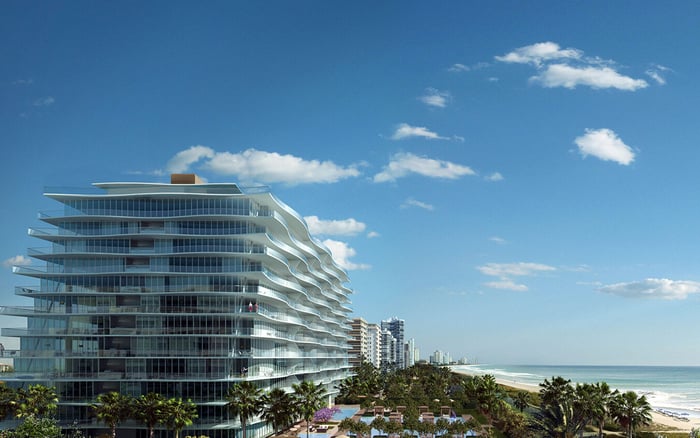
South Florida’s tax profile opens the conversation, but sophisticated buyers evaluate a broader matrix: lifestyle quality, privacy, liquidity, estate planning, building governance, and the durability of daily life in a chosen neighborhood.
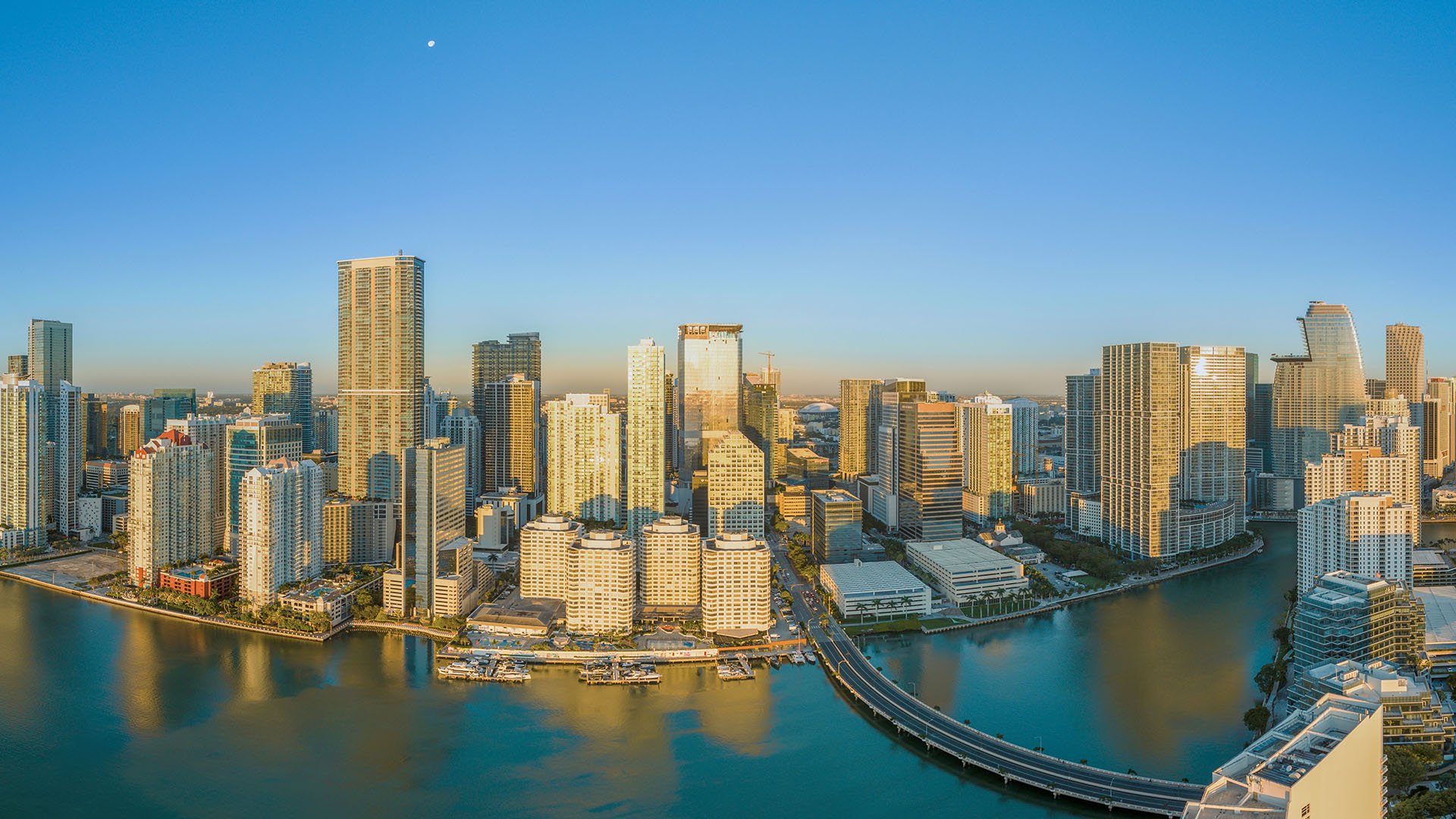
For many affluent buyers, South Florida enters the conversation with a simple premise: no state income tax. It is a meaningful distinction, especially for founders, investors, executives, family offices, and mobile professionals who can choose where to establish their primary life. Yet in the upper tier of the market, tax treatment is rarely the entire thesis. It is the opening argument, not the conclusion.
The more sophisticated question is not only what a buyer may save. It is what that buyer is acquiring in exchange for a major commitment of capital, time, and identity. A primary residence, second home, or seasonal base in South Florida should support family rhythm, privacy, access, health, business continuity, and long-term optionality. The best decisions tend to begin with tax efficiency, then expand into a complete ownership strategy.
At the high end, buyers are often purchasing control over daily life. That may mean a residence with direct elevator entry, a penthouse with generous outdoor space, a staffed building with discreet service, or a single-family home where privacy is the defining amenity. It may also mean proximity to an airport, a marina, private clubs, cultural programming, or a school community.
This is why the no-income-tax conversation can feel incomplete on its own. A lower tax burden does not guarantee a better life if the residence is misaligned with how the owner actually lives. The right home reduces friction. It makes arrivals easier, entertaining more natural, wellness more consistent, and family logistics less complicated. For many buyers, that operational elegance is the true luxury.
South Florida is not one market. It is a constellation of distinct residential cultures. Brickell may appeal to buyers who want vertical living, financial district energy, dining access, and a lock-and-leave framework. Miami Beach speaks to ocean proximity, design, privacy enclaves, and a lifestyle built around water and culture. Palm Beach, Boca Raton, Fort Lauderdale, Coconut Grove, Sunny Isles, and Aventura each carry different assumptions about pace, architecture, access, and community.
Those differences matter financially. A buyer who prioritizes walkability may make a different decision than one who values dockage, gated privacy, or a larger home for multigenerational use. Oceanfront property can behave differently from inland property because scarcity, exposure, maintenance, and lifestyle demand all interact. New construction may offer contemporary systems and amenities, while established properties may deliver irreplaceable settings or larger footprints. The correct choice depends less on fashion than on fit.
For buyers considering a deeper move to Florida, the residence should be part of a broader residency framework. Legal, tax, estate, insurance, philanthropic, and family office advisors should be aligned before assumptions become commitments. A luxury purchase can support a change in domicile, but it should not be treated as a substitute for proper planning.
The most disciplined buyers think in layers. Where will they spend time? Where are the most important business and family ties? How will estate documents, trusts, charitable structures, and operating entities interact with the move? Which assets require separate review? The residence is visible, but the structure around it is often what preserves the advantage.
No state income tax can create meaningful room in a buyer’s overall planning, but the ownership experience still carries obligations. Insurance, association dues, maintenance, staffing, property taxes, reserves, assessments, utilities, and security should be modeled with care. In luxury buildings, service quality and financial discipline are inseparable. A beautiful lobby is less important than transparent governance, reserves, and a culture of serious stewardship.
For single-family buyers, the analysis may include grounds care, marine exposure, pool systems, generators, smart-home infrastructure, and security protocols. For condominium buyers, the focus may shift to building management, service ratios, rules, renovation policies, parking, storage, and the quality of common areas. The most elegant acquisitions are rarely casual. They are underwritten as both homes and operating environments.
Many luxury buyers intend to hold for years, but liquidity still matters. Life changes. Children grow. Businesses are sold. Health needs shift. Markets evolve. A residence that feels deeply personal should still make sense to a future buyer pool.
This does not mean every purchase must be conservative. It means the buyer should understand what makes the property legible: view, frontage, floor height, outdoor space, privacy, parking, staff accommodations, building reputation, design restraint, and ease of use. In investment terms, the strongest properties often combine emotional appeal with practical clarity. The home should inspire, but it should also be explainable.
South Florida’s luxury buyers increasingly evaluate homes through the lens of privacy and well-being. That can include secure arrival sequences, private elevators, quiet amenities, wellness spaces, treatment rooms, fitness programming, spa-level bathrooms, outdoor living, and natural light. It also includes the discretion of staff, the temperament of neighbors, and the building’s ability to protect calm.
The best properties do not merely display wealth. They make life feel composed. For a buyer arriving from a high-tax jurisdiction, that composure can be as compelling as the financial profile. The tax advantage may motivate the move, but the lived experience is what confirms it.
Luxury buyers benefit from an integrated team. Real estate counsel, tax advisors, estate counsel, insurance specialists, lenders, architects, designers, and property managers should communicate early. This is especially true when a purchase involves trusts, corporate structures, renovation plans, international family members, or financing across multiple assets.
The advisory process should be discreet, but it should not be fragmented. A property that appears simple can become complex when ownership structure, renovation timing, association rules, insurance conditions, and family use are considered together. The goal is not to make the purchase feel burdensome. It is to remove surprises before they become expensive.
The strongest buyers do not ask only whether South Florida is tax-efficient. They ask whether the residence improves the architecture of their lives. Does it create more time? Does it make family gatherings easier? Does it support health, privacy, and productivity? Does it allow them to move gracefully between business, travel, and retreat?
No state income tax is a powerful beginning. For the luxury buyer, it is not the conclusion. The real opportunity is to pair financial efficiency with a home that is precise, resilient, and deeply aligned with how life should feel.
Is no state income tax the main reason luxury buyers choose South Florida? It is often a catalyst, but not the full decision. Lifestyle, access, privacy, and long-term planning usually shape the final choice.
Should buyers consult advisors before purchasing? Yes. Tax, legal, estate, insurance, and financing advisors should be coordinated before a major acquisition.
Does buying a home automatically establish Florida residency? A home can support residency planning, but buyers should not rely on the purchase alone. Proper documentation and behavior matter.
What should condominium buyers examine beyond the unit? They should review governance, reserves, service standards, rules, fees, and renovation policies. The building is part of the asset.
Why does neighborhood selection matter so much? Each area offers a different rhythm, buyer pool, and lifestyle profile. Fit can influence both enjoyment and future liquidity.
Is new construction always the better option? Not always. It may offer modern systems and amenities, while established properties may provide rare settings or larger layouts.
How should buyers think about oceanfront homes? Oceanfront ownership can offer exceptional lifestyle appeal, but maintenance, exposure, insurance, and scarcity should be evaluated carefully.
Can a South Florida property be both personal and strategic? Yes. The strongest purchases often combine emotional resonance with clear resale logic and disciplined ownership planning.
What role does privacy play in the luxury market? Privacy is central. Secure access, discreet service, thoughtful layouts, and calm common areas can materially improve daily life.
Is South Florida best suited for primary homes or seasonal use? It can serve both. The right answer depends on residency goals, family schedule, travel patterns, and the desired level of permanence.
For a confidential assessment and a building-by-building shortlist, connect with MILLION.
If branded residences are on your mind — as a home or as an allocation — we would be glad to share what we are seeing, privately.
Begin a quiet conversation