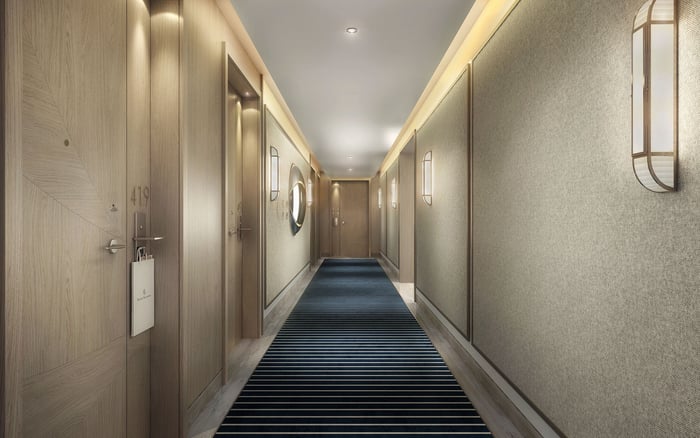
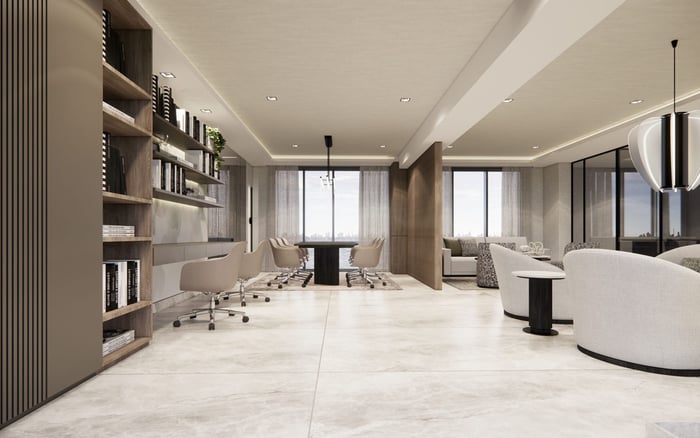
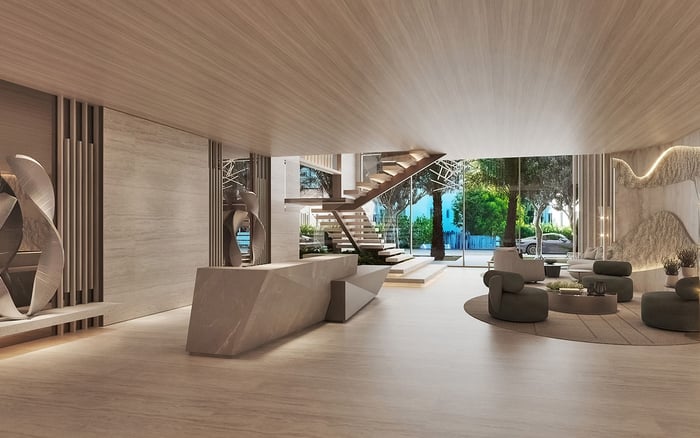
Miami Tropic Residences is best understood as a year-round Miami base, supported by business demand, international mobility, cultural life, climate-aware living, and flexible ownership use cases beyond the traditional winter season.
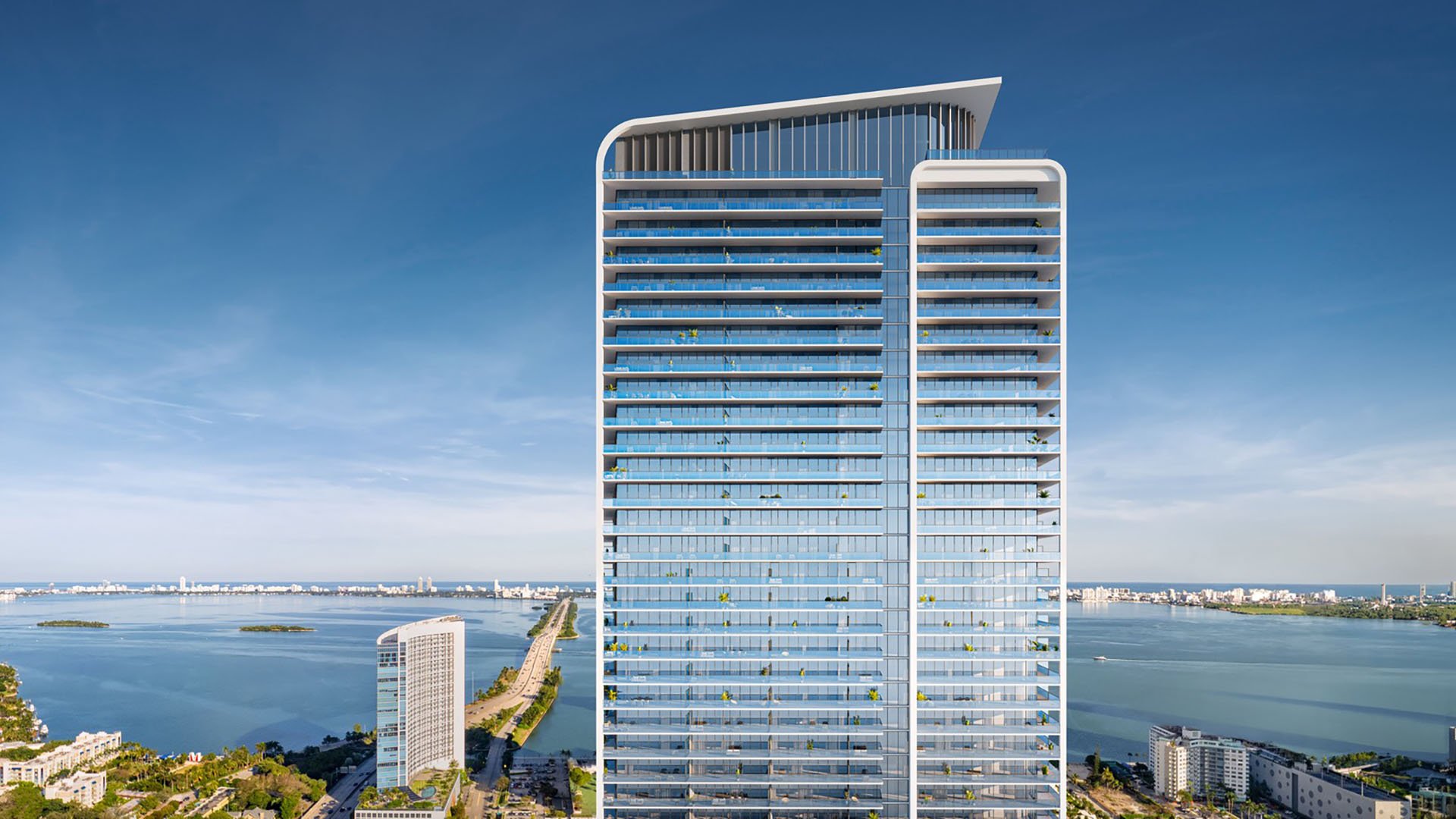
For decades, the Miami purchase was often judged by a familiar question: how well does it perform from December through April? That logic still matters, but it no longer captures the full value of a serious Miami address. For many buyers, the sharper question is whether a residence remains genuinely useful in June, September, and the quieter weeks between major social moments.
That is the stronger lens for Miami Tropic Residences. Rather than viewing the property only as a winter-season pied-à-terre, buyers can assess it as a primary residence, a flexible second home, a corporate apartment, or a potential income-producing asset. The address sits within a Miami market that has matured beyond resort-calendar dependence into a more permanent global-city rhythm.
Seasonality has not disappeared. Winter still brings peak energy, Art Basel Miami Beach remains a marquee anchor, and the best restaurant reservations still feel more competitive during high season. Yet the city’s luxury audience is broader and more repeat-oriented. Finance, technology, international trade, tourism, real estate, and healthcare all support demand that extends beyond the classic snowbird window.
The important shift is not only who buys in Miami, but how often they use the city. A growing base of permanent and semi-permanent high-net-worth residents has helped stabilize building occupancy outside the peak months. International wealth from Latin America and Europe continues to matter, while domestic U.S. buyers increasingly view Miami as a practical operating base rather than a seasonal escape.
For the second-home buyer, this changes the ownership calculation. A residence that can serve a long weekend, a school-holiday stay, an extended work period, or a family transition has a different utility profile than a unit that waits for winter. A corporate apartment can accommodate visiting executives, consultants, or clients. A flexible residence can support families moving between Miami, New York, Latin America, and other business centers.
The same pattern informs investment thinking. Non-winter demand may come from business travelers, long-stay visitors, families, and transitional residents, not only vacation tourists. Any rental strategy must be reviewed against building rules, local regulations, management costs, taxes, and owner-use priorities, but the demand base is broader than a purely resort market would suggest.
A year-round residence is only as useful as it is accessible. Miami International Airport connectivity helps make short, frequent visits practical. For buyers who travel often, the ability to arrive for two nights of meetings, a cultural event, family obligations, or a long weekend can matter as much as view, finish, or service.
Regional mobility adds another layer. Road and rail links across South Florida make it easier to move between Miami, Fort Lauderdale, Palm Beach, and other nodes without treating each market as isolated. A buyer may own in Miami yet attend a meeting in Brickell, dine in Coconut Grove, visit family in Aventura, and spend a weekend farther north. The residence becomes a base, not just a destination.
That is why central Miami offerings increasingly compete on operational flexibility as much as design. Buyers comparing Miami Tropic Residences with urban addresses such as 2200 Brickell or Cipriani Residences Brickell are often studying the same underlying issue: how easily the home can support a full calendar.
Lifestyle is the intangible that becomes measurable through use. A residence becomes more valuable when restaurants, galleries, fitness studios, nightlife, and cultural programming remain active after peak-season visitors leave. Miami’s broader cultural calendar now gives residents reasons to return repeatedly, even when the winter crowd has thinned.
For a buyer considering Miami Tropic Residences, the question is not simply whether the city is exciting in February. It is whether the address still feels alive in late spring, over summer school holidays, and during the fall lead-up to high season. Miami’s restaurants, private clubs, design culture, wellness studios, and waterfront habits help turn the city into a 12-month platform.
This is where Downtown Miami and adjacent urban neighborhoods gain strategic weight. A buyer may look at Waldorf Astoria Residences Downtown Miami for a vertical city experience, or The Residences at Mandarin Oriental, Miami for a refined Miami address with strong global recognition. The common thread is not identical product, but repeat-use convenience.
South Florida’s off-season is not a small detail. Higher heat, humidity, summer storms, and the Atlantic hurricane season from June through November all affect how a residence is used. In the luxury market, comfort is not only aesthetic. It is operational.
Climate-controlled interiors, shaded outdoor areas, water access, gyms, spas, pool decks, and covered terraces can make summer use more practical. The key is not merely whether a building has amenities, but whether those spaces are designed for the climate residents actually experience. A terrace that works at sunset, a shaded arrival sequence, or a well-planned indoor wellness routine may influence real use more than a glossy amenity menu.
Buyers should also separate romance from resilience. Hurricane readiness, impact-resistant glass, backup power, and flood mitigation are year-round utility issues. These are not abstract concerns for an owner who may be abroad, traveling, or using the residence intermittently. A luxury address should be reviewed for how it handles disruption, maintenance access, communications, insurance considerations, and post-storm continuity.
The best way to judge Miami Tropic Residences is through practical repeat-use factors. Airport access matters because frequent travel changes the value of the home. Services matter because a residence used irregularly must still feel effortless on arrival. Climate-adapted amenities matter because summer comfort determines whether off-season use is theoretical or real.
Neighborhood activity matters because an address should not go quiet once the winter social calendar ends. Rental flexibility matters for owners who want to balance personal use with income potential, although that flexibility must be verified carefully against governing documents and local rules. The most successful ownership plan is often the one that acknowledges multiple uses rather than forcing the residence into a single category.
That is the real appeal of a central Miami address with residential comfort and hotel-style service expectations. It can support a family seeking a Miami base, an executive who visits often, a buyer transitioning toward full-time residency, or an owner who values optionality. In a market increasingly shaped by permanent wealth, business mobility, and international connection, usefulness is a luxury feature in its own right.
Is Miami Tropic Residences only for winter use? No. It can be evaluated as a year-round residence, second home, corporate apartment, or potential income-producing asset.
Why does Miami demand extend beyond December through April? The city now has broader drivers, including finance, technology, international trade, tourism, real estate, healthcare, and permanent high-net-worth residency.
Does airport access matter for luxury buyers? Yes. Miami International Airport connectivity can make frequent short visits more practical than a single annual winter stay.
How does Brickell relate to this buyer decision? Brickell reflects Miami’s business-oriented lifestyle, where residences are often judged by convenience, access, and weekday usability.
Is Downtown Miami relevant to year-round ownership? Yes. Downtown Miami supports repeat use through urban access, cultural proximity, and connections to the broader South Florida region.
What should buyers consider during the off-season? Heat, humidity, summer storms, and the June through November hurricane season should all be part of practical due diligence.
Which amenities matter most outside peak season? Climate-controlled interiors, shaded areas, wellness spaces, pool decks, covered terraces, and water access can improve off-season comfort.
Can the residence support investment goals? Potentially, but buyers should verify rental rules, ownership costs, local requirements, and whether demand matches their intended use pattern.
Why does lifestyle matter after winter? Restaurants, galleries, fitness studios, nightlife, and cultural programming help keep a luxury address useful throughout the year.
What is the core value question for buyers? The core question is whether the residence supports repeat use through access, services, resilience, neighborhood activity, and flexibility.
For a confidential assessment and a building-by-building shortlist, connect with MILLION.
If branded residences are on your mind — as a home or as an allocation — we would be glad to share what we are seeing, privately.
Begin a quiet conversation