A buyer-focused framework for evaluating private entertaining, guest circulation, valet protocols, outdoor-space rules, and the documents that govern them.
At The Ritz-Carlton Residences® West Palm Beach, the central entertaining question is not simply whether a residence can accommodate guests. It is whether arrivals, circulation, service, sound, outdoor use, and departure can unfold discreetly.
That distinction matters across West Palm Beach, where buyers may evaluate branded residences through the lens of service as much as architecture. Privacy unfolds in sequence: a guest enters the property, is received, reaches the correct elevator, arrives at the home, uses the indoor or outdoor space, and departs. A weakness at any stage can alter the evening.
Because event policies and operating procedures may evolve, buyers should regard current governing documents, management protocols, and written confirmations as decisive. Marketing language may establish atmosphere, but it does not replace enforceable rules.
Before envisioning a dinner, cocktail reception, or family celebration, request the provisions governing private gatherings. Essential considerations include guest limits, permitted hours, music restrictions, advance notice, security requirements, vendor access, deposits, cleanup obligations, and any distinction between ordinary hosting and an event.
Ask whether the rules differ among the residence, a terrace, and shared amenity spaces. Clarify whether approval depends on guest count, outside staff, amplified sound, furniture delivery, or catering equipment. A gathering that feels private to an owner may be classified differently by management.
Written clarity is particularly important for second-home owners who entertain seasonally. The relevant standard is not what was informally allowed on one occasion, but what the documents and current procedures consistently permit. This is where lifestyle expectations meet condominium governance.
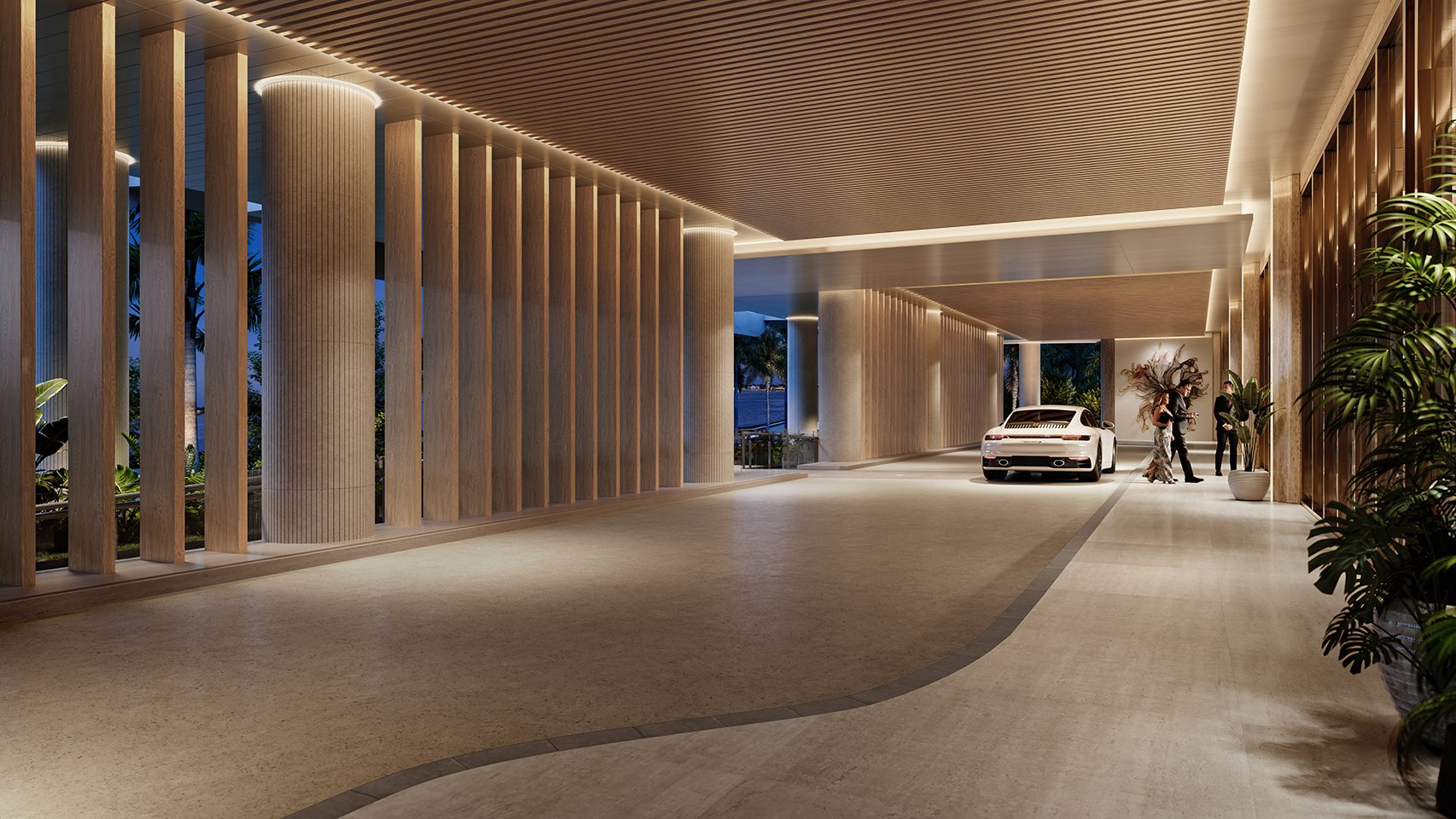
Valet is the first privacy threshold. Buyers should understand how names are submitted, how unexpected guests are handled, where passengers wait, whether hosts receive arrival notifications, and what happens when several guests arrive nearly simultaneously. For a discreet evening, recognition should feel polished without becoming conspicuous.
Apply the same scrutiny to drivers, caterers, florists, musicians, and rental deliveries. Ask whether vendors use the primary arrival path or a separate service route, where equipment is staged, and when loading is permitted. Service circulation can determine whether preparation remains invisible to residents and guests.
When comparing alternatives such as Alba West Palm Beach or Forté on Flagler West Palm Beach, use the same arrival script at each property. Consistent questions reveal meaningful distinctions more effectively than broad amenity comparisons.
Elevator planning deserves close attention because it mediates the boundary between public arrival and private home. Confirm how guests are authorized, whether access is floor-specific, how residents summon or release access, and whether a staff escort is available or required. Ask what happens if a guest arrives early, loses connectivity, or enters under another party’s name.
Owners who use caterers should examine service-elevator procedures separately. Verify reservation requirements, protected hours, padding rules, capacity constraints, and the route from loading area to kitchen. The ideal arrangement minimizes contact between dressed guests and working staff, but buyers should verify the actual operating model rather than assume it.
Test the departure sequence as well. Several guests requesting vehicles at once can create more exposure than their arrivals. Ask whether cars can be called from the residence, how retrieval is coordinated, and where guests wait if vehicles are delayed.
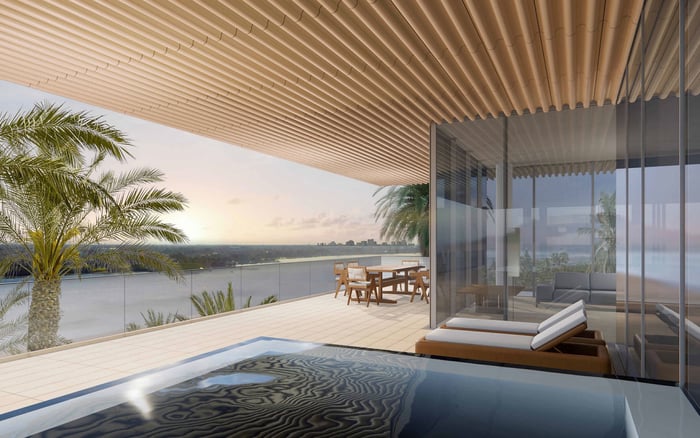
Outdoor entertaining introduces considerations of sound, sightlines, wind, lighting, and weather. During a showing, stand where a dining table or lounge grouping would be placed. Look toward neighboring terraces, nearby windows, shared decks, and circulation areas. If access permits, repeat the assessment after sunset.
A generous terrace is only as usable as its rules allow. Confirm permitted furniture, umbrellas, planters, grills, speakers, temporary décor, and service equipment. Ask about quiet hours, lighting restrictions, drainage, maintenance access, and storm preparation. These details determine whether the space supports an intimate dinner or is better suited to informal daytime use.
Weather planning also belongs in the privacy conversation. If guests must move indoors suddenly, the residence needs a credible plan for circulation, seating, and service. Buyers comparing Mr. C Residences West Palm Beach can apply the same indoor-outdoor test rather than comparing exterior spaces by dimensions alone.
Request the declaration, bylaws, rules and regulations, relevant operating procedures, and any available architectural or alteration standards. Have qualified advisers identify provisions affecting guests, noise, common-area use, valet, deliveries, security, terrace furnishings, and owner liability.
Then translate verbal answers into a concise written matrix. Record what requires notice, reservation, approval, staffing, insurance, payment, or restoration. If private dining support or amenity-space use matters to the purchase, confirm availability, fees, lead times, cancellation terms, and whether access is guaranteed or subject to scheduling.
Finally, rehearse a realistic evening with the sales or management team. Use an actual guest count and vendor plan. Precision at this stage protects both privacy and neighborly ease-the two qualities that distinguish sophisticated residential entertaining from merely having sufficient space.
Are private parties automatically permitted inside a residence? Buyers should verify current governing documents and management procedures, including any thresholds that cause a gathering to be treated as an event.
Should guest limits be confirmed in writing? Yes. Ask whether limits vary by residence, outdoor area, amenity space, time, or use of outside vendors.
Can guests access a residential floor without an escort? Confirm elevator authorization procedures, including floor controls, host approvals, and staff involvement.
How should valet privacy be evaluated? Review name submission, arrival notification, passenger waiting, vehicle retrieval, and the handling of unannounced guests.
Do caterers follow the same route as guests? Do not assume so. Confirm loading access, service elevators, staging areas, permitted hours, and insurance requirements.
Can a terrace be used for music and dining? Verify quiet hours, sound rules, lighting limits, furniture standards, and any restrictions on cooking or equipment.
What happens if weather moves an event indoors? Test whether the interior layout can absorb guests, service staff, and furnishings without compromising circulation or privacy.
May owners reserve shared amenity spaces for private events? Confirm eligibility, capacity, fees, lead times, staffing, cancellation terms, and whether reservations are exclusive.
Which documents matter most for entertaining? Review the declaration, bylaws, rules and regulations, operating procedures, and applicable alteration or outdoor-space standards.
What is the best pre-contract privacy test? Walk through one realistic event from valet arrival to final departure, then document every approval, route, fee, and restriction.
For a tailored shortlist and next-step guidance, connect with MILLION.
If branded residences are on your mind — as a home or as an allocation — we would be glad to share what we are seeing, privately.
Begin a quiet conversation