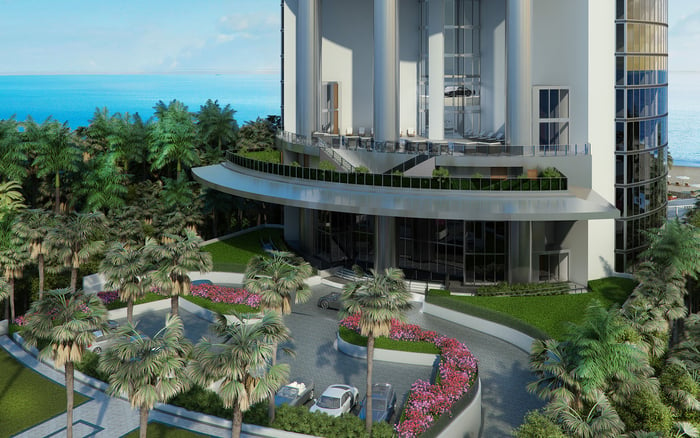
For South Florida penthouse buyers, the most important carrying-cost question is no longer limited to the monthly dues. Reserve study assumptions, milestone inspections, and structural reserve rules can materially alter the true cost of ownership in coastal condominium towers.
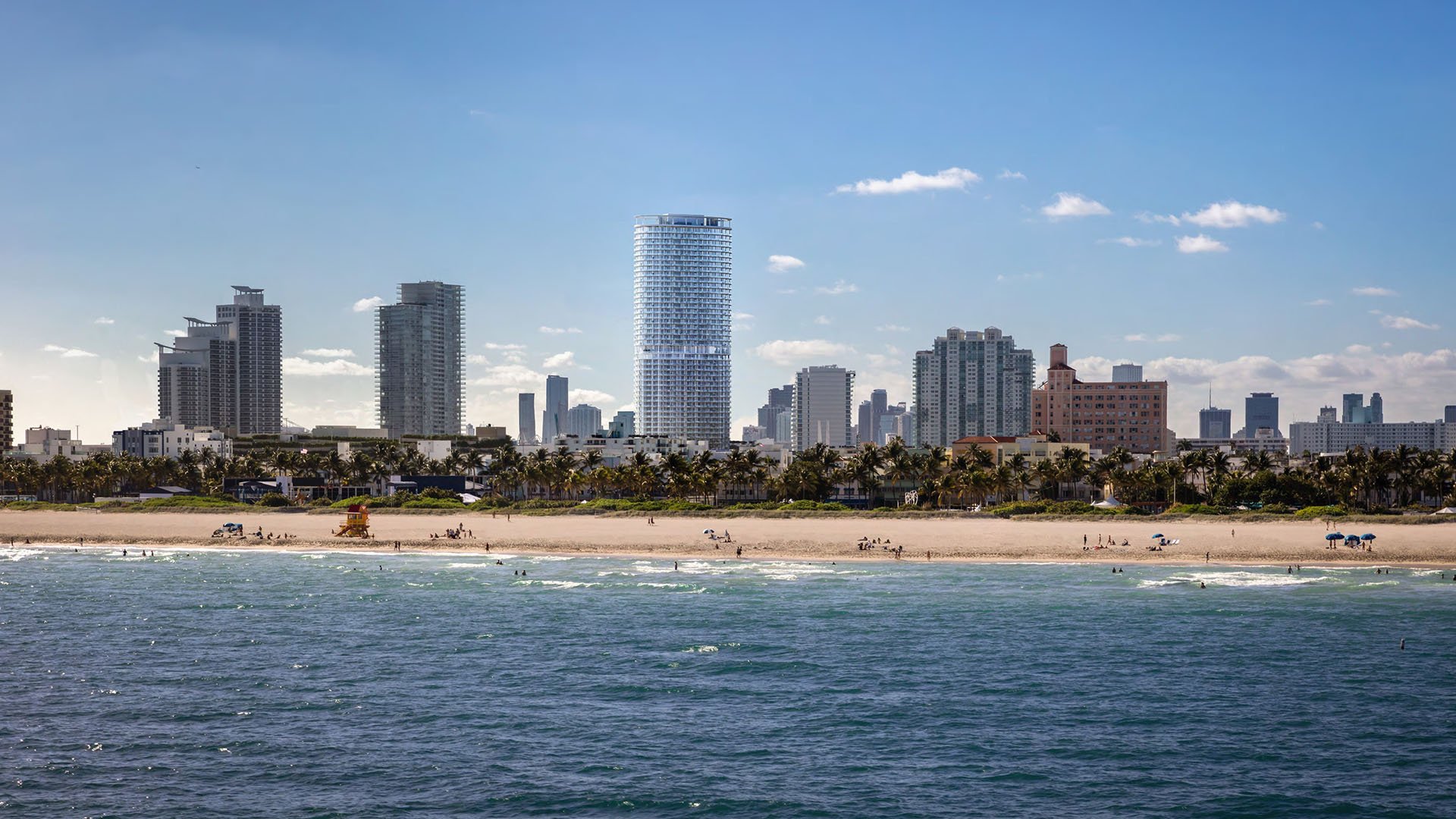
A South Florida trophy penthouse is often judged first by its outlook: Oceanfront horizon, Waterfront exposure, private elevator arrival, sunrise terrace, skyline drama. Yet the more consequential number may sit several pages into the condominium budget. For a Penthouse owner, the monthly assessment is not simply a service charge for staffing, amenities, and daily operations. It also represents a share of the building’s common expenses, including capital obligations that belong to the association.
That distinction matters. A large penthouse can carry a meaningful percentage interest in common elements and common surplus, depending on the condominium declaration. That allocation can determine how much the residence contributes to reserves, repairs, and special assessments. In practical terms, the buyer is not only acquiring a private home in the sky. The buyer is also accepting an economic interest in the condition of the roof, façade, waterproofing, elevators, garage, fire protection systems, plumbing, electrical systems, windows, exterior doors, and other shared infrastructure.
This is why the most sophisticated due diligence question has shifted. It is no longer, “What are the dues today?” It is, “Which assumptions make those dues look adequate?”
Florida condominium budgets must include reserve accounts for capital expenditures and deferred maintenance, including categories such as roof replacement, building painting, pavement resurfacing, and other qualifying items. Reserve funding calculations depend on a few critical inputs: estimated remaining useful life, estimated replacement cost, and deferred maintenance expense. If any of those inputs changes, the owner contribution can change with it.
For trophy buyers comparing new and established towers in Brickell, Miami Beach, Sunny Isles Beach, Surfside, and Fisher Island, that sensitivity is especially important. A study that assumes a longer useful life for a major component can make today’s funding requirement appear manageable. A revised study that shortens that useful life, raises the replacement cost, or adds deferred maintenance can push required contributions higher. Associations may adjust reserve assessments annually to reflect those changes.
The numbers can feel abstract until they arrive as a budget increase or a special assessment. A special assessment is separate from the regular assessment, and it can become the mechanism by which owners fund under-reserved or newly identified work. For an ultra-luxury penthouse, the dollar exposure may be amplified by the unit’s percentage share under the declaration.
The collapse of Champlain Towers South in Surfside became the defining public-safety event behind Florida’s renewed focus on condominium inspections and reserves. The result is a more disciplined environment for older and taller condominium buildings, particularly those exposed to coastal conditions.
Milestone inspections generally apply to condominium and cooperative buildings that are three stories or higher. A qualifying building generally faces inspection when it reaches 30 years of age and every 10 years thereafter. A local enforcement agency may require an earlier 25-year inspection based on circumstances that include environmental conditions such as proximity to salt water. The inspection must be performed by a licensed architect or engineer authorized to practice in Florida. Phase 1 is a visual examination; Phase 2 is required if substantial structural deterioration is identified.
For buyers, the key point is not simply whether an inspection exists. It is whether the inspection aligns with the reserve study, the budget, and the board’s capital plan. If the engineering narrative and the reserve schedule tell different stories, that inconsistency deserves attention before the contract becomes a closing.
Florida structural integrity reserve studies apply to certain condominium buildings three stories or higher and must address key structural and life-safety components. At minimum, the scope includes items such as roof, load-bearing walls, primary structural members, floors, foundation, fireproofing and fire protection systems, plumbing, electrical systems, waterproofing, exterior painting, windows, and exterior doors.
These are not cosmetic line items. They are the systems that support the building’s function and longevity. Florida law also restricts associations from waiving or underfunding reserves for structural integrity reserve study items, reducing the old temptation to keep fees artificially low by deferring structural funding.
That change is central for luxury buyers. A low monthly fee can still be attractive, but it should not be read as proof of efficiency. It may reflect conservative management, or it may reflect optimistic assumptions. The difference can be material.
South Florida’s most desirable towers often occupy the very environments that test building systems most aggressively. Salt air, wind-driven rain, hurricane exposure, intense sun, and waterfront humidity can affect concrete restoration, exterior painting, glazing, waterproofing, roofs, pool decks, garages, elevators, and mechanical infrastructure. The reserve study’s component scope must be broad enough to capture those realities.
A buyer considering The Perigon Miami Beach may read exterior envelope assumptions differently than a buyer comparing an urban high-rise such as The Residences at 1428 Brickell. In Sunny Isles Beach, a purchaser looking at St. Regis® Residences Sunny Isles is naturally focused on views and services, but the reserve conversation still belongs in the same diligence file as floor plan, exposure, and finish package.
The same is true in Surfside, where The Delmore Surfside sits within a market now highly sensitive to inspection timing, association discipline, and long-term capital planning. Location, architecture, and privacy remain the emotional drivers. Reserve assumptions are the financial discipline beneath them.
The cleanest diligence begins with the condominium declaration. It will show the unit’s allocation for common elements and common surplus, which frames the penthouse’s share of assessments. From there, the buyer should review the current budget, reserve schedule, structural integrity reserve study if applicable, milestone inspection materials, engineering correspondence, board minutes, insurance renewals, litigation disclosures, and any special assessment history.
The most important questions are direct. What replacement costs are assumed for major components? What remaining useful lives are assigned? Are reserves pooled or component-specific? What inflation or escalation assumptions are used? Are investment yields built into the funding model? Has the association added deferred maintenance items recently? Do the board minutes suggest disagreement about timing, scope, or funding?
For a buyer comparing The Residences at Six Fisher Island with mainland or barrier-island alternatives, the exercise is not about avoiding shared costs. It is about understanding them. In a well-governed building, reserve strength can be a form of luxury because it protects continuity, asset quality, and buyer confidence.
The published monthly assessment should be read as a snapshot, not a guarantee. A sophisticated Investment lens looks at what that number includes, what it excludes, and what may need to be added later. If reserve funding is based on realistic replacement costs, disciplined useful-life assumptions, and a complete component list, higher dues may be more rational than they first appear. If dues are low because a building has postponed structural reserve funding or relied on overly optimistic life spans, the apparent savings may be temporary.
For Penthouses, the distinction is magnified. The private residence may be singular, but the capital obligations are collective. A buyer who understands that relationship can price the opportunity more intelligently, negotiate with greater confidence, and avoid mistaking a low assessment for a low cost of ownership.
Why do reserve studies matter so much for penthouse buyers? They influence the owner’s future contribution to major building repairs and replacements. A penthouse may pay a larger share if its declaration allocation is higher.
Can reserve assumptions change after I buy? Yes. Associations may adjust reserve assessments annually as replacement costs, deferred maintenance estimates, or useful-life assumptions change.
What is the biggest reserve-study risk in a coastal tower? Understated replacement costs or overly long useful-life assumptions can make dues look lower than the building’s actual capital needs.
Are special assessments separate from regular dues? Yes. A special assessment is a charge outside the regular assessment and may be used when additional owner funding is required.
Do milestone inspections apply to every condo building? They generally apply to condominium and cooperative buildings that are three stories or higher and meet the statutory age thresholds.
Can a coastal building face an earlier milestone inspection? Yes. Local enforcement may require an earlier 25-year inspection based on circumstances that include proximity to salt water.
Who performs a milestone inspection? It must be performed by a licensed architect or engineer authorized to practice in Florida.
What should I compare against the reserve study? Compare it with budgets, board minutes, inspection reports, engineering materials, insurance renewals, litigation disclosures, and assessment history.
Is a low monthly fee always better? Not necessarily. It may indicate efficiency, but it may also reflect optimistic assumptions or deferred capital funding.
Can reserve strength be a luxury feature? Yes. Strong reserves can support building quality, reduce surprise funding pressure, and strengthen confidence in long-term ownership.
For a tailored shortlist and next-step guidance, connect with MILLION.
If branded residences are on your mind — as a home or as an allocation — we would be glad to share what we are seeing, privately.
Begin a quiet conversation