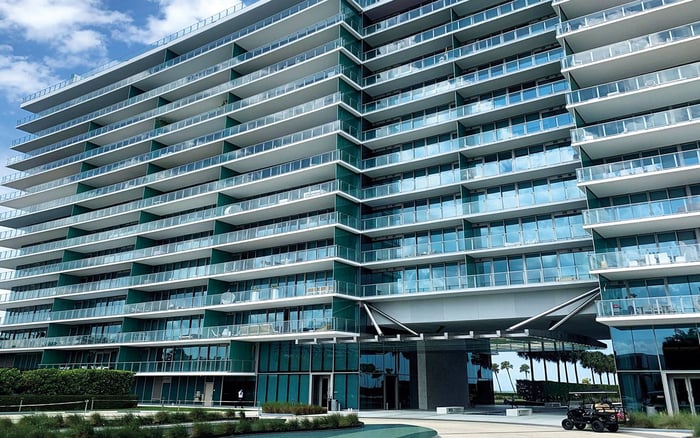
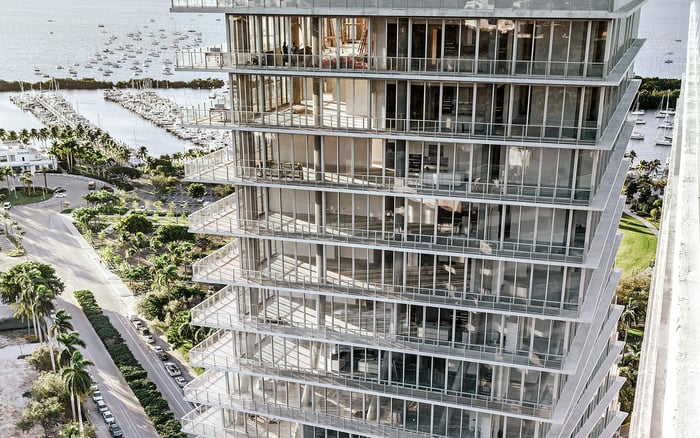
Key Biscayne can suit yacht owners who prioritize operational discipline, access planning, storm readiness, and concierge-level coordination over pure marina proximity.
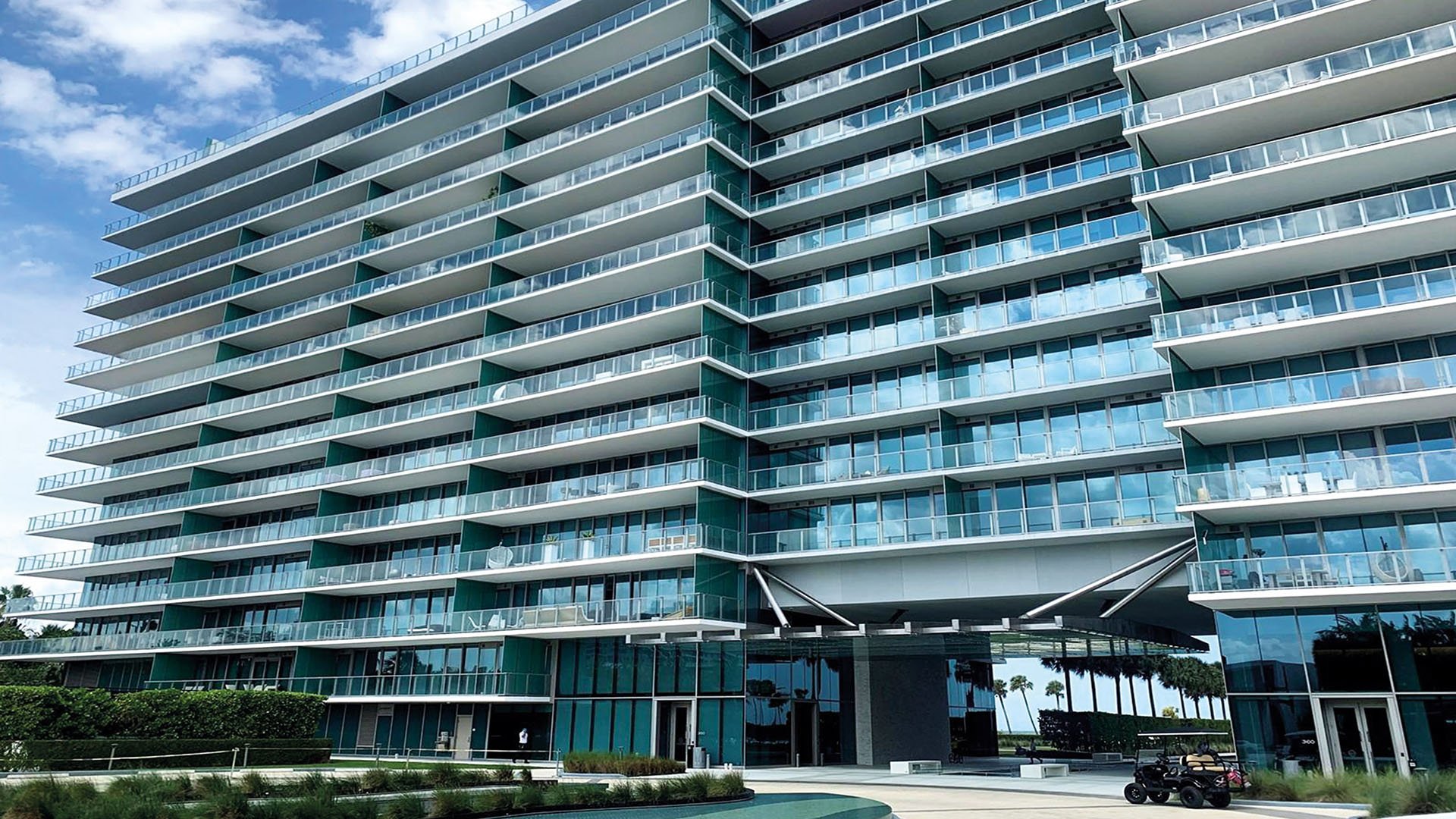
Key Biscayne has a rare South Florida quality: it feels close to Miami, yet psychologically apart from it. For yacht owners, that separation can be both the attraction and the test. The island’s appeal is not simply blue water, bay views, or a weekend rhythm that begins minutes after the elevator doors open. It is whether the building itself understands how a boat owner lives.
The shorthand may read Key Biscayne, marina, boat slip, waterview, oceanfront, balcony, but the actual purchase decision is more nuanced. A residence can have the right outlook and still fail the owner who needs predictable access, discreet vendor movement, protected storage for gear, and a calm management team when weather shifts. Conversely, a building without a private slip can work beautifully if its operations are thoughtful enough to support the lifestyle around the yacht.
That is why Key Biscayne should be evaluated less like a postcard and more like a private club with elevators. The best fit is not always the most obvious waterfront address. It is the building where staff, board culture, loading logistics, guest protocols, and emergency planning align with the way the owner actually uses the boat.
For a yacht owner, the condominium is part residence, part staging ground. The morning may involve family, provisions, crew communication, fishing gear, paddleboards, dive bags, or a quiet transfer to a marina. None of that should feel improvised in a luxury building.
The first operational question is access. How easily can an owner move between the residence, parking, loading areas, and the next point of departure? A beautiful lobby is less valuable if every trip to the boat requires awkward coordination. Buildings that understand this lifestyle tend to have clear procedures for temporary loading, guest arrivals, deliveries, and service providers. The point is not excess. It is frictionless choreography.
The second question is tolerance for boating realities. Saltwater living brings wet gear, coolers, tackle, carts, and occasional service needs. A building does not need to resemble a marina to be yacht-friendly, but it does need policies that are practical rather than precious. Luxury, in this context, means the staff knows how to say yes within a well-managed framework.
The third question is storage. Owners should look closely at private storage, bicycle and board rooms, package handling, refrigerated delivery protocols if available, and the building’s approach to larger items. Even when the yacht is berthed elsewhere, the residence often becomes the command center for everything that supports a day on the water.
The island’s strongest argument for yacht owners is lifestyle compression. A buyer can have a quieter residential environment, a beach-oriented routine, and proximity to Miami’s broader boating culture without living in the middle of the city’s most intense vertical districts.
That is especially meaningful for owners who use their boats as part of family life rather than only as an entertaining platform. The best Key Biscayne residence should make the spontaneous departure feel possible: breakfast at home, a quick change, gear gathered, guests received, and the day unfolding without a production. Oceana Key Biscayne enters the conversation because buyers often want the island setting to feel polished, residential, and resort-caliber without losing the privacy that drew them to Key Biscayne in the first place.
But the island is not a universal answer. Some yacht owners require direct dockage, immediate crew access, or a more marina-centric setting. Others place greater value on coming home to an island not defined by the yacht, even if the boat remains central to their life. The right answer depends on the owner’s operating pattern.
In ultra-premium condominiums, rules are not merely restrictions. They are signals. For yacht owners, the building’s rulebook reveals whether the community understands active waterfront living or simply wants to look at it from a distance.
A buyer should review how the association handles vendors, deliveries, move-ins, insurance requirements, storm preparation, generator protocols, and common-area use. The issue is not whether rules exist. Serious buildings need them. The question is whether the rules are coherent, consistently enforced, and flexible enough to accommodate legitimate owner needs.
This is where a seasoned building manager can become as important as the view. The manager who can coordinate a delivery window, communicate weather procedures, and resolve a guest-arrival issue discreetly adds real value to yacht ownership. For buyers who travel frequently or keep multiple residences, that competence can be the difference between enjoying the property and managing it from afar.
Key Biscayne should be compared with other South Florida waterfront markets not because one is inherently superior, but because each solves a different version of the yachting brief.
Coconut Grove often appeals to buyers who want a historic boating sensibility and a mainland village rhythm. A project such as Vita at Grove Isle may enter a buyer’s comparison set when the priority is bayfront living with a different relationship to Miami’s mainland conveniences.
Fisher Island speaks to another profile: privacy, controlled arrival, and a highly self-contained environment. Buyers considering The Residences at Six Fisher Island are often thinking about seclusion and service at a level that changes daily logistics entirely.
Fort Lauderdale, by contrast, remains a natural reference point for owners whose boating life is deeply infrastructure-driven. A residence such as St. Regis® Residences Bahia Mar Fort Lauderdale belongs in the broader conversation for buyers who want a more explicitly yacht-oriented urban waterfront setting.
Key Biscayne wins when the buyer wants island calm, Miami proximity, and a residence that can support boating without making the boat the only story.
For yacht owners, storm planning is not a seasonal footnote. It is part of ownership. The residence, the building, the marina arrangement, and the owner’s crew or captain all need a clear communication chain before weather becomes urgent.
A luxury building should be able to explain its procedures plainly. How does it communicate with residents? What is expected from owners before a storm? How are balconies, common areas, elevators, generators, access points, and staff coverage handled? These questions are not dramatic. They are practical due diligence.
The same discipline should extend to the owner’s boating plan. Where the yacht goes, who is responsible, how early decisions are made, and how the residence supports pre-storm and post-storm needs should all be defined before purchase. Key Biscayne can work well for yacht owners, but only when the building’s operational culture is not casual about weather.
At the highest level, luxury is not only finish quality. It is the absence of repeated inconvenience. Yacht owners quickly learn whether a building respects their time. Can the valet handle guest arrivals smoothly? Can packages be managed without confusion? Are service elevators available when needed? Does security understand the difference between privacy and obstruction? Are there sensible paths for equipment that do not disturb other residents?
These details rarely appear in glamorous renderings, yet they shape the ownership experience. A buyer should walk the property as if preparing for a real boating day. Where would guests arrive? Where would provisions be staged? How would children, pets, luggage, or gear move? What happens if the owner returns wet, late, or with unexpected guests?
The best building makes these moments feel normal. That is the standard Key Biscayne must meet for yacht owners.
A yacht-oriented buyer should underwrite more than price, view, and floor plan. Due diligence should include association documents, management interviews, insurance context, parking configuration, storage assignment, loading rules, guest policies, pet policies if relevant, and the building’s real-world service culture.
It is also wise to test the commute to the preferred marina or departure point at the times the owner actually expects to use the boat. Weekend timing, school schedules, bridge patterns, and event traffic can matter. The objective is not perfection. It is predictability.
Key Biscayne can be an excellent answer when the buyer wants a refined island home that supports a boating life with discipline and discretion. The mistake is assuming that water proximity alone creates yacht convenience. In practice, the building either completes the lifestyle or complicates it.
Is Key Biscayne a good choice for yacht owners? It can be, especially for buyers who value island privacy, water access, and a building operation that supports boating routines.
Does a yacht owner need a private boat slip at the residence? Not always. Some owners prefer separate marina arrangements if the condominium handles access, storage, guests, and deliveries well.
What is the most important building feature for a yacht owner? Operational competence is often the key feature. Loading, vendor access, storage, staff communication, and storm procedures matter daily.
Should buyers focus only on waterfront buildings? Waterfront is desirable, but it is not the whole equation. A less obvious property may function better if its systems are more practical.
How should storm planning affect the purchase decision? Buyers should understand the building’s procedures before purchasing. Clear communication and disciplined preparation are essential.
Are concierge services important for yacht owners? Yes, when they are genuinely useful. The best concierge teams help coordinate arrivals, deliveries, guests, and service needs discreetly.
How does Key Biscayne compare with Fort Lauderdale? Key Biscayne often feels more residential and island-oriented. Fort Lauderdale may appeal to buyers who want a more marina-driven setting.
How does Key Biscayne compare with Coconut Grove? Coconut Grove offers mainland convenience and a long boating culture. Key Biscayne offers a more separated island atmosphere.
What documents should a buyer review? Association rules, insurance context, storage rights, parking details, vendor policies, and storm procedures should all be reviewed carefully.
What makes a building truly yacht-friendly? A yacht-friendly building reduces friction. It anticipates access, gear, guests, weather, privacy, and service without making ownership feel complicated.
When you're ready to tour or underwrite the options, connect with MILLION.
If branded residences are on your mind — as a home or as an allocation — we would be glad to share what we are seeing, privately.
Begin a quiet conversation