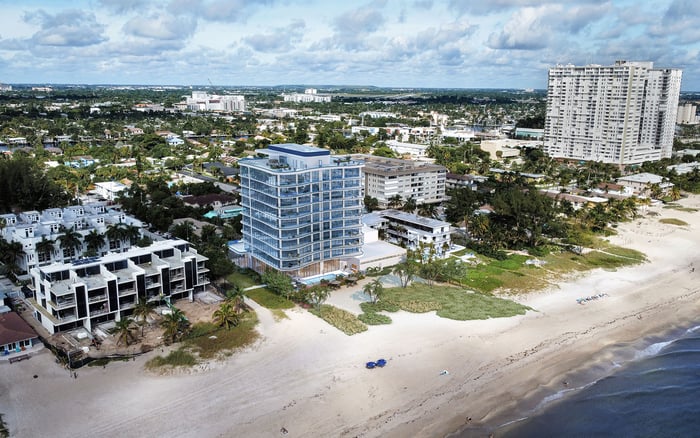
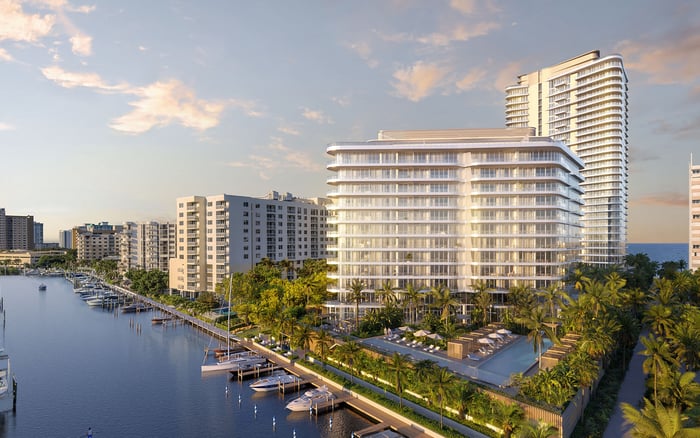
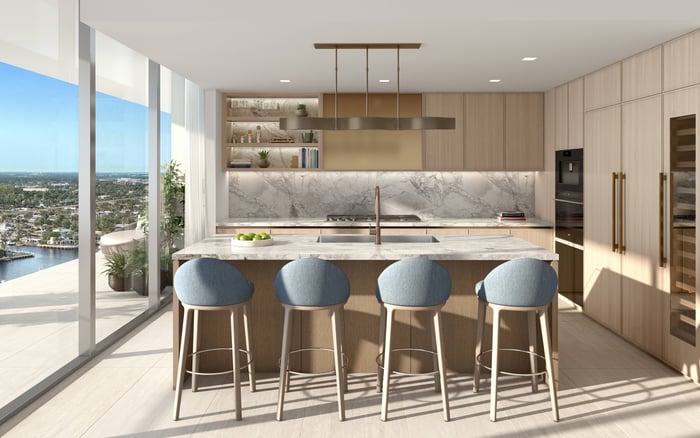
For Canadian snowbirds, Hillsboro Beach can be compelling when the residence functions like a carefully managed second-home rather than a seasonal project. The key is not only the view, but the operational discipline behind access, maintenance, storm readiness, service coordination, and lock-and-leave confidence.
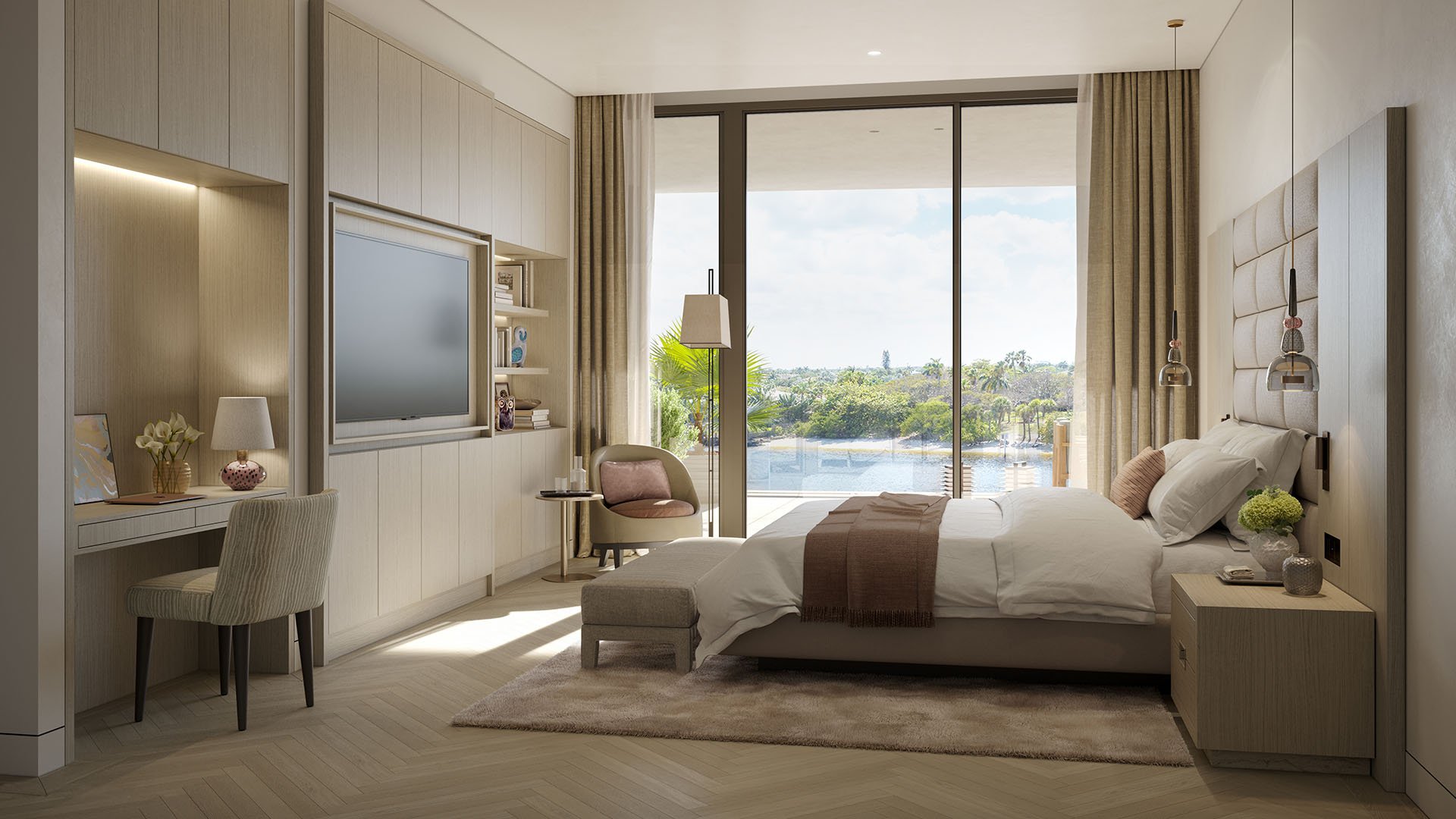
For Canadian buyers considering Hillsboro Beach, the first question is rarely just architectural. It is operational. A seasonal residence must be beautiful when occupied and quietly competent when vacant. The building has to support an owner who may arrive for the winter season, leave for long intervals, and expect the home to remain composed in between.
In this context, Hillsboro Beach can work especially well when the building functions less like a conventional condominium and more like a disciplined residential platform. The right operation protects time, privacy, and peace of mind. It reduces the friction of cross-border ownership, from arrival logistics to maintenance coordination, without requiring the owner to supervise every detail remotely.
A Canadian snowbird is not simply buying a view. The buyer is buying confidence that the residence will be ready, secure, conditioned, and serviced when the season begins.
Strong operations begin before an owner arrives. The best-managed buildings make seasonal returns feel almost invisible: access credentials are current, deliveries are handled, elevators and service areas are coordinated, and pre-arrival requests are documented. The goal is not theatrics. It is precision.
For a second-home buyer, management quality is measured by what does not become a project. HVAC check-ins, humidity awareness, water shutoff protocols, vendor access, housekeeping coordination, and regular residence inspections all matter. So do clear communication channels. Owners should understand who is responsible, how requests are logged, and what happens if an issue appears while they are abroad.
This is where boutique scale can be attractive, provided the staffing model is substantial enough to support absentee owners. A smaller building may feel personal, but personal service only works when protocols are consistent. A larger building may offer more infrastructure, but owners should still ask how well the team understands individual residences and seasonal patterns.
Hillsboro Beach appeals to buyers who value a quieter coastal rhythm. For Canadian snowbirds, that can be a virtue, especially when the home is intended as a winter retreat rather than a year-round social stage. The setting supports privacy, water-oriented living, and a more residential pace.
That said, serenity only works when the back-of-house is disciplined. A quiet location with weak operations can feel burdensome. A quiet location with polished operations can feel effortless. Buyers should examine how the building handles owner arrivals, guest access, service appointments, parking coordination, package management, security procedures, and off-season communication.
For a local Hillsboro Beach reference point, Rosewood Residences Hillsboro Beach belongs naturally in the conversation, not simply because of its coastal positioning, but because buyers in this category are often comparing the full ownership experience. The question is whether the building’s daily systems support the way a Canadian owner actually lives.
Oceanfront living is seductive, but it is also operationally specific. Salt air, humidity, seasonal storms, exterior maintenance, window systems, terraces, and mechanical equipment all require thoughtful oversight. The most successful seasonal owners choose buildings where these realities are anticipated, not improvised.
Beach access is another practical detail. Snowbirds often imagine daily walks and unplanned swims, but ease depends on how the building manages transitions between private residence, amenity areas, and the shoreline. Storage, rinsing areas, service elevators, and staff familiarity with owner routines can shape daily life more than a brochure ever suggests.
Nearby coastal alternatives can help frame expectations. In Pompano Beach, Armani Casa Residences Pompano Beach and The Ritz-Carlton Residences® Pompano Beach give buyers useful comparisons for branded design, service culture, and the way newer buildings present the residential experience. A Canadian buyer should use those comparisons not to chase a logo, but to clarify the operating standard they expect.
The most important test is simple: can the owner leave without creating anxiety? A proper lock-and-leave residence should have clear answers for water, climate, access, vendors, inspections, storms, insurance documentation, and emergency communication. If the answers are vague, the lifestyle may not be as effortless as it appears.
Canadian owners should also consider how the building communicates. A well-run association or management team should be responsive without being intrusive. It should know how to escalate issues, document work, and coordinate with approved vendors. The owner should not need to rely on casual favors or last-minute improvisation.
This is particularly important for couples or families who use the residence in intervals. One spouse may arrive first. Adult children may visit. Guests may need pre-authorized access. Housekeeping, groceries, and maintenance may need to be timed around flights. Good operations turn those moving parts into a routine.
Lifestyle is often the reason Canadian buyers look south: winter light, outdoor living, ocean air, and the relief of arriving somewhere warm and familiar. Yet the better question is whether the lifestyle can be repeated comfortably year after year.
A residence that works in the first season may not work in the fifth if building policies, maintenance expectations, or staffing are misaligned with absentee ownership. Buyers should review pet procedures, guest policies, renovation rules, parking access, service hours, delivery handling, and any rental restrictions that could affect future flexibility.
It can also be wise to compare Hillsboro Beach with adjacent luxury markets. Fort Lauderdale offers a more urban coastal cadence, while Auberge Beach Residences & Spa Fort Lauderdale gives buyers another lens on how service, amenities, and coastal living can be combined. The point is not that one location is universally better. The point is to identify which operating model best matches the owner’s seasonal life.
Before committing, Canadian snowbirds should ask pointed, practical questions. Who enters the residence while the owner is away? How are inspections scheduled and documented? What happens during severe weather preparation? Are preferred vendors available, and are they familiar with the building? How are packages, deliveries, and service appointments managed outside peak season?
Buyers should also ask about communication norms. A polished building should be able to explain how owners receive updates, who handles urgent matters, and whether there is a single point of contact. If the process depends on knowing the right person informally, it may not be robust enough.
Finally, buyers should walk the property with operations in mind. Look beyond finishes. Study service corridors, garage access, loading areas, lobby staffing, security flow, elevator protocols, and amenity upkeep. Luxury is not only what the owner sees. It is also the system that keeps the visible experience calm.
Hillsboro Beach can work for Canadian snowbirds when the purchase is evaluated as an operating decision, not merely a design decision. The most satisfying residence will likely be the one that can absorb absence, simplify arrival, and protect the owner’s attention.
For this buyer, the best building is not necessarily the loudest or most amenity-heavy. It is the one that understands seasonal ownership, communicates clearly, and treats maintenance as part of the luxury experience. When those pieces are in place, Hillsboro Beach becomes more than a winter escape. It becomes a reliable coastal base.
Is Hillsboro Beach a practical choice for Canadian snowbirds? It can be, particularly when the building has strong systems for seasonal arrival, maintenance, access, and communication.
What should Canadian buyers prioritize first? Prioritize building operations, management quality, and lock-and-leave procedures before focusing only on views or finishes.
Why do operations matter so much for a second home? A seasonal residence is vacant for long periods, so the building must help protect, monitor, and prepare the home while the owner is away.
Should buyers compare Hillsboro Beach with Pompano Beach? Yes. Pompano Beach can provide useful nearby comparisons for newer coastal residences, service models, and amenity expectations.
What is the lock-and-leave standard? It means the owner can depart with confidence that access, climate, maintenance, vendors, and emergency protocols are clearly handled.
Are branded residences automatically better for snowbirds? Not automatically. Branding can signal a service philosophy, but buyers still need to verify the actual building procedures.
What questions should be asked about storms? Ask how the building prepares common areas, communicates with owners, secures access, and handles residence-specific vendor needs.
How important is beach access for seasonal living? It is important if daily shoreline use is part of the lifestyle, but convenience depends on the building’s layout and service flow.
Can family and guest visits complicate ownership? They can, unless the building has clear guest authorization, parking, package, and access procedures that are easy to manage remotely.
What is the best sign of a well-run building? The best sign is consistency: clear answers, documented procedures, responsive communication, and calm execution during busy periods.
To compare the best-fit options with clarity, connect with MILLION.
If branded residences are on your mind — as a home or as an allocation — we would be glad to share what we are seeing, privately.
Begin a quiet conversation