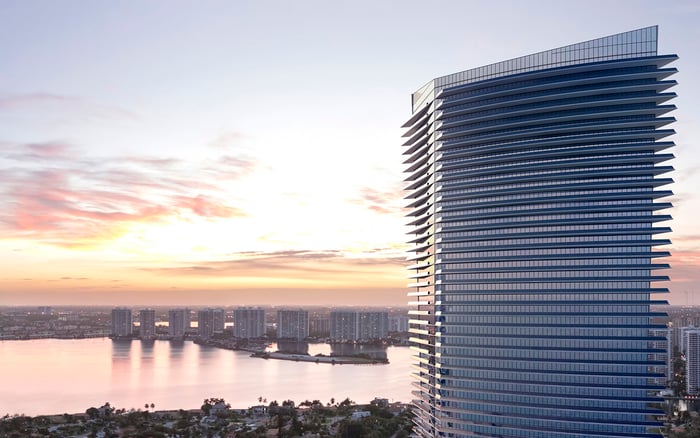
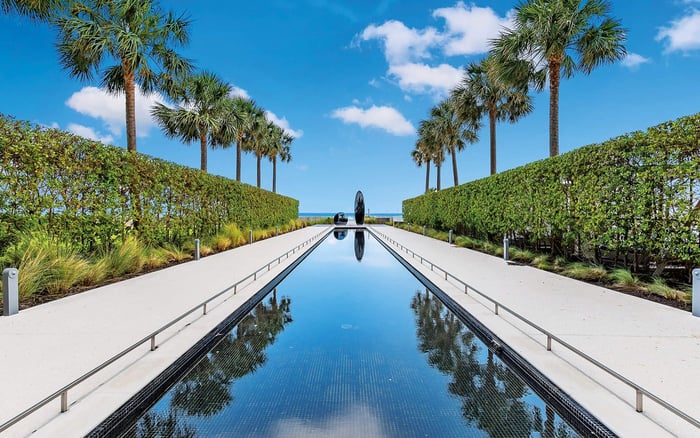
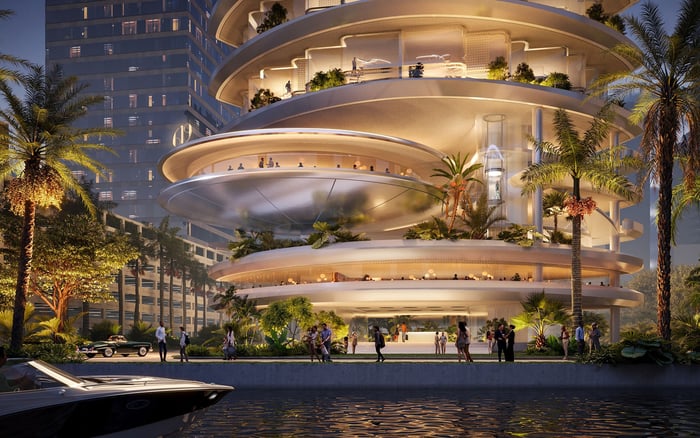
Hallandale Beach speaks to oceanfront buyers who want the romance of coastal living without making every daily decision around exposure, glare, wind, and upkeep. For luxury purchasers, the most compelling homes are not simply the ones closest to the water, but those that balance views, comfort, service, and livability.
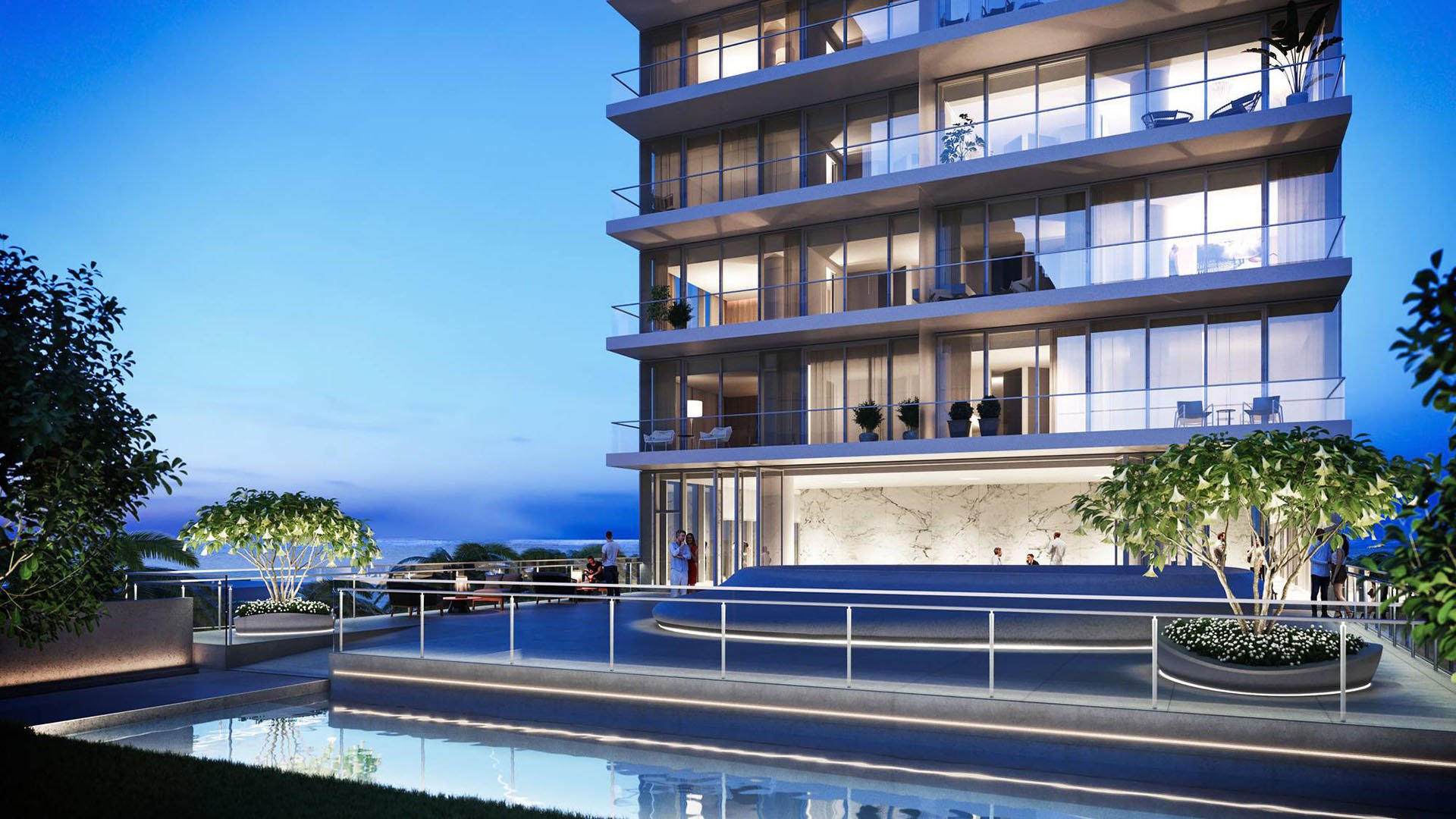
For a certain South Florida buyer, the dream remains unmistakable: wake to water, read the horizon from the living room, and let the day begin in the soft geometry of beach light. Yet the most sophisticated oceanfront buyers are increasingly precise about how that dream should feel in daily life. They want the romance of the Atlantic without accepting constant exposure as the price of entry.
That is where Hallandale Beach earns attention. Its appeal is not simply that it belongs in the coastal conversation. It is that it can satisfy buyers who want an Oceanfront address while staying disciplined about comfort, usability, and long-term ownership. For many, the question is no longer, “How close can I get to the water?” It is, “How elegantly can I live with the water?”
In luxury real estate, exposure is not an abstract technical detail. It determines how a home is actually used. A beautiful terrace that feels too forceful at certain hours becomes more decorative than functional. A dramatic glass wall that amplifies glare can change how a room is furnished. A balcony that photographs well but rarely hosts breakfast, reading, or evening conversation is not performing at the level a premium buyer expects.
This is why wind-exposed compromises matter. The best coastal residences are designed and selected around lived experience: how doors open, where seating actually works, how protected a dining terrace feels, and whether the primary suite reads as serene rather than theatrical. Buyers who understand this are not rejecting the beach. They are refining their relationship to it.
Hallandale fits this conversation because it allows buyers to think beyond the postcard. The right home can still deliver coastal drama, but the evaluation becomes more nuanced: orientation, floor height, terrace depth, building form, approach, privacy, and the way interior spaces transition into outdoor rooms.
Hallandale appeals to buyers who want South Florida energy without feeling that every element of the home is dictated by the most exposed edge of the coastline. The area’s luxury appeal often lies in its balance. It can feel connected, coastal, and residential at once, a meaningful combination for those who split time between homes or want a more manageable daily rhythm.
For a Second-home buyer, that balance can be especially important. A second residence should be easy to return to, easy to open for the season, and easy to enjoy immediately. The building’s service culture, parking experience, lobby sequence, elevator privacy, storage, and maintenance expectations all become part of the luxury equation. The view matters, but so does the first hour after arrival.
In listing conversations, labels such as Oceanfront, Waterview, Balcony, Pool, and Second-home can be useful, but they are not substitutes for judgment. A buyer still needs to ask whether the home lives calmly, whether the outdoor areas are truly usable, and whether the floor plan supports both solitude and hosting.
The most compelling Hallandale oceanfront home is rarely defined by one feature. It is the sum of several intelligent choices. A usable terrace should feel like an outdoor room rather than a ledge. The living area should have enough depth to absorb light gracefully. Bedrooms should be positioned for rest, not only spectacle. Kitchens and entertaining areas should allow guests to enjoy the view without turning the entire residence into a wind tunnel.
Buyers should also study the relationship between glass, shade, and furniture placement. Expansive glazing can be magnificent, but only when the home allows art, textiles, and seating to live comfortably with the light. A residence that demands constant adjustment of shades or climate settings may be less effortless than it first appears.
Floor height deserves the same scrutiny. Higher is not automatically better for every buyer. Some purchasers want the cinematic sweep of elevation. Others prefer a more intimate connection to the water and landscape. The right answer depends on how the home will be used, how often outdoor areas matter, and whether the buyer values panorama, privacy, or day-to-day ease most.
Luxury amenities are most valuable when they simplify life rather than merely expand a brochure. In a coastal setting, this can mean a pool deck that feels sheltered and gracious, arrival areas that remain composed during busy periods, wellness spaces that encourage regular use, and social rooms that offer privacy rather than spectacle.
For Hallandale buyers concerned with exposure, the amenity experience can be a meaningful test. Does the building offer multiple ways to enjoy the water and the weather? Are there places to sit outdoors without feeling overpowered by the elements? Does the pool environment feel like a resort, a private club, or an afterthought? These questions often reveal more about livability than a single dramatic view photo.
The best amenity packages support different moods: a morning swim, a quiet work call, a family visit, a sunset drink, a low-key fitness routine. When a building gives owners choices, the oceanfront lifestyle becomes less dependent on perfect conditions.
For the ultra-premium buyer, value is often found in what does not need to be announced. A calm arrival. A discreet staff culture. A residence that feels secure without feeling defensive. A floor plan that allows guests to gather while private rooms remain private. These qualities rarely dominate the first impression, but they shape satisfaction over years.
Hallandale’s appeal to the thoughtful buyer is tied to this quieter definition of luxury. The home should feel polished, but not fragile. It should invite use, not merely admiration. It should handle seasonal occupancy, visiting family, and spontaneous weekends without requiring a performance from the owner.
That is the difference between buying a view and buying a lifestyle. A view is a feature. A lifestyle is a system of decisions that supports how a person wants to live.
Even emotionally driven purchases benefit from discipline. Buyers should compare residences by asking three questions. First, does the home deliver the coastal feeling I want? Second, does it avoid daily compromises that would reduce enjoyment? Third, will the next sophisticated buyer understand the same value proposition?
The third question is essential. A home that balances ocean proximity with comfort can have broader appeal than one that relies solely on dramatic exposure. Future buyers may admire the view, but they will also notice whether the terrace works, whether the rooms furnish well, and whether the building feels effortless.
For Hallandale, that is the core attraction. It speaks to buyers who want the prestige of coastal ownership with a practical understanding of how luxury is actually lived. The best purchase is not necessarily the most extreme expression of beachfront drama. It is the residence that lets the owner enjoy the ocean often, comfortably, and without negotiation.
Why does Hallandale appeal to oceanfront buyers? Hallandale appeals to buyers who want coastal living with a strong emphasis on daily comfort, view quality, and ease of ownership.
What does wind-exposed compromise mean in a luxury home? It refers to design or location factors that make terraces, rooms, or outdoor amenities less comfortable to use in everyday life.
Is the highest floor always the best choice? Not always. Some buyers prefer elevation, while others value a calmer, more intimate relationship with the water and outdoor spaces.
How important is a Balcony in this type of purchase? A Balcony matters when it functions as a true outdoor room, not just a visual extension of the interior.
What should buyers evaluate beyond the view? They should evaluate orientation, terrace usability, glass exposure, privacy, building service, parking, amenities, and maintenance expectations.
Can an Oceanfront home still feel calm? Yes. The right layout, building design, and exposure profile can make an oceanfront residence feel serene rather than overpowered.
Why does Waterview quality vary so much? Waterview quality depends on orientation, floor height, sightlines, glare, privacy, and how the view interacts with the interior plan.
Does the Pool experience matter for resale appeal? Yes. A comfortable, well-composed Pool environment can strengthen the lifestyle story for both current enjoyment and future buyers.
Is Hallandale mainly for primary residents or seasonal owners? Hallandale can appeal to both, especially when the residence supports easy arrivals, low-friction ownership, and flexible use.
What is the smartest way to compare Hallandale residences? Compare how each home lives, not only how it photographs, with special attention to exposure, comfort, privacy, and service.
For a tailored shortlist and next-step guidance, connect with MILLION.
If branded residences are on your mind — as a home or as an allocation — we would be glad to share what we are seeing, privately.
Begin a quiet conversation