A founder-focused guide to evaluating hotel traffic management, arrival flow, privacy, and daily executive mobility before selecting a South Florida residence.
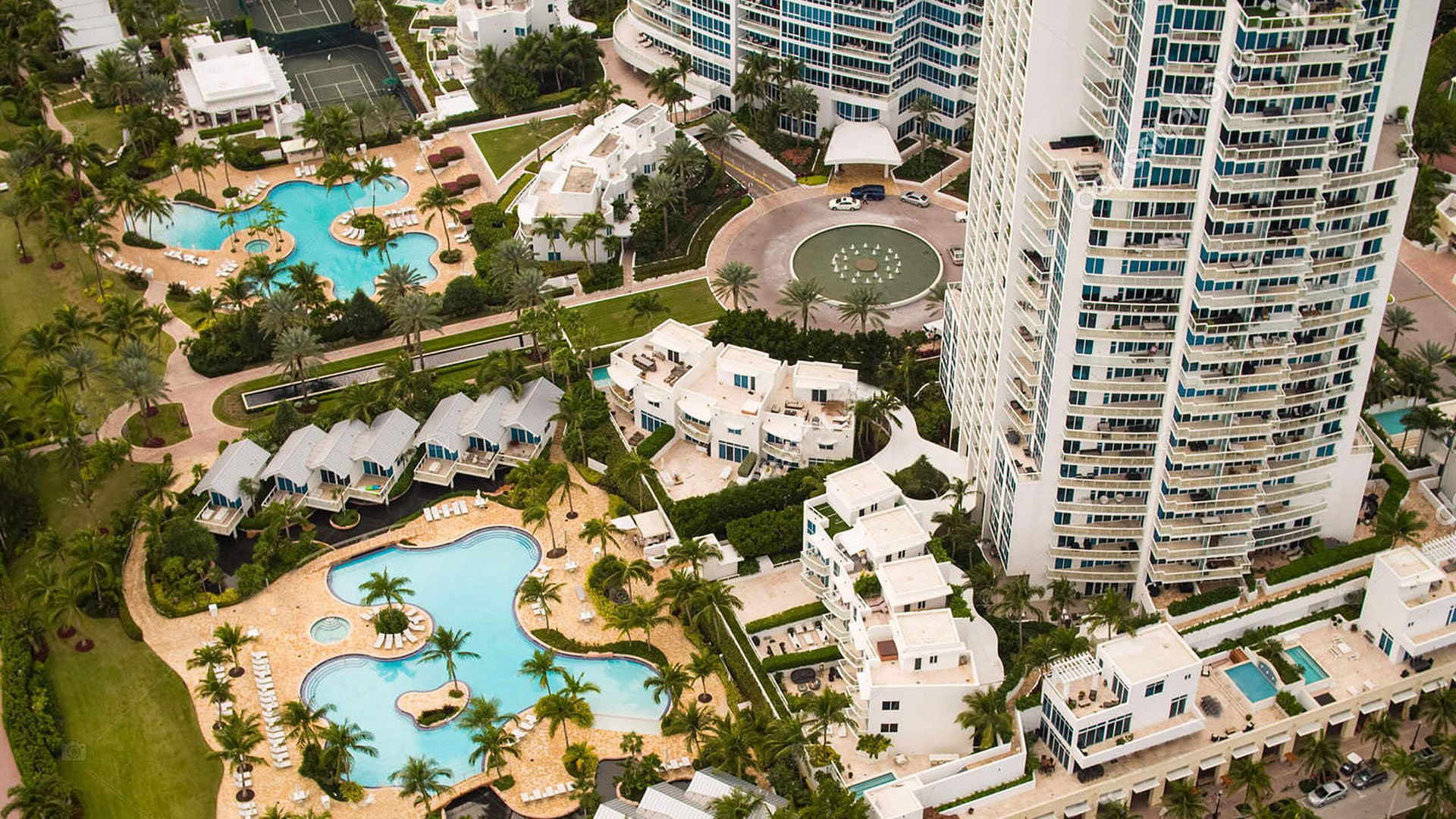
For a founder relocating a leadership team, a South Florida residence is rarely just a private address. It becomes an operating base, a recruiting signal, a family anchor, and, at times, the quiet room where decisions are made before the first board call of the day. That is why hotel traffic management deserves scrutiny before signing, even when the home itself appears impeccable.
Hotel traffic management is not simply the presence of a porte cochere or valet stand. It is the choreography of arrivals, departures, rideshare pickups, service vehicles, guests, events, restaurant patrons, and resident privacy. In a market where luxury residential life often intersects with hospitality, founders should treat that choreography as a core due diligence item.
The issue becomes most visible at peak moments: breakfast meetings, school runs, rainstorms, evening events, airport departures, and weekend guest arrivals. A beautiful lobby is less persuasive when the curb feels unpredictable. A residence with extraordinary views can become less efficient if every executive arrival requires improvisation.
A relocating founder often evaluates South Florida through the lenses of lifestyle, tax, schools, clubs, marinas, airports, and office access. Those matter. Yet the day-to-day question is more practical: can the address absorb the rhythm of a leadership team without creating friction?
If a chief executive, president, general counsel, visiting investor, and family member all rely on the same arrival court, the building’s traffic logic becomes part of the company’s hidden infrastructure. The concern is not drama. It is time discipline, confidentiality, and consistency.
Founders should ask how the property separates residents from hotel guests, restaurant patrons, events, vendors, and ride-hail traffic. They should also observe how the arrival sequence works at different points in the day, not only during a polished sales appointment. Morning and evening visits can reveal a different truth than a midafternoon tour.
This is especially relevant when considering Branded Residences, mixed-use addresses, or properties with a hospitality component. The brand may elevate service, but service must be supported by circulation. A disciplined arrival plan can preserve the best of hotel-style living without allowing public energy to compromise residential calm.
Brickell remains one of South Florida’s most natural choices for founders who want proximity to finance, professional services, restaurants, and an urban executive rhythm. Its strength is concentration. Its challenge is that same concentration.
Before choosing a Brickell residence, founders should study the curb the way they would study a cap table. Where do vehicles queue? Where do guests wait? Is there clean separation between residential arrivals and other nearby uses? Does the building feel composed when the district is active?
A residence such as 2200 Brickell may enter a founder’s consideration set because the location places daily life inside a familiar executive corridor. Nearby, St. Regis® Residences Brickell may appeal to buyers who value a globally recognized residential context. In either case, the question is not only which address has the more refined finish package. The sharper question is which address can support repeated, discreet movement without making every arrival feel public.
For leadership teams, Brickell due diligence should also include after-hours access. A founder returning late from dinner, a partner arriving before dawn for a flight, or a visiting executive needing quick lobby coordination will all test the building’s operating culture.
Miami Beach carries a different traffic question. Here, the issue is not only weekday density. It is the blend of residential privacy with beach access, dining, events, wellness culture, and seasonal movement. For many founders, Miami Beach offers the emotional reward of South Florida: water, light, restaurants, and a sense of release after intense work.
A buyer considering The Ritz-Carlton Residences® Miami Beach, for example, may be drawn to a residential setting associated with a service vocabulary executives understand. Still, the founder’s diligence should focus on how cars, guests, deliveries, staff, and residents move through the property.
Miami Beach also requires weekend observation. A residence that feels serene on Tuesday can feel different when social calendars expand. Founders should test how the address behaves when friends visit, when children have activities, when drivers are waiting, and when the neighborhood is active. Privacy is not just a feature. It is a system.
Fort Lauderdale and West Palm Beach often appeal to founders seeking a more measured cadence than Miami’s most compressed districts. The atmosphere can feel easier, but traffic management still matters. Waterfront settings, beach corridors, hospitality uses, restaurants, boating, and event patterns can all influence the lived experience of a luxury address.
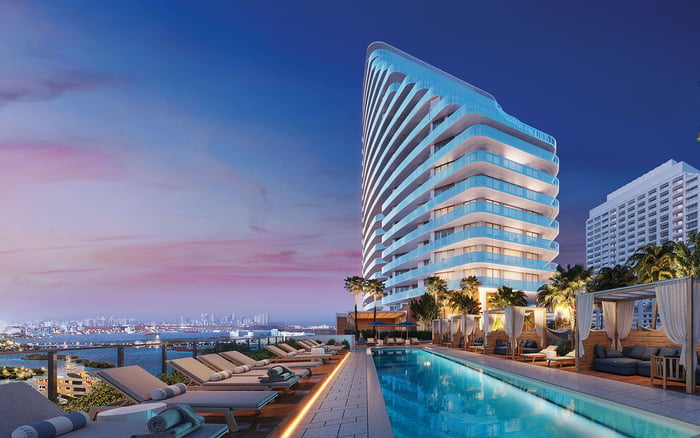
In Fort Lauderdale, a project such as Four Seasons Hotel & Private Residences Fort Lauderdale places the traffic question directly in focus because the name itself signals a relationship between private residence and hospitality. The diligence should be calm and specific: how does the property protect resident arrival from hotel flow, and how does the team manage peak guest movement?
In West Palm Beach, buyers comparing residential options such as Alba West Palm Beach should bring the same rigor. West Palm Beach can feel polished and accessible, but founders still need to understand how residential circulation works during active dining hours, cultural events, seasonal arrivals, and airport transfer windows.
The point is not to avoid energy. The point is to choose the right energy for the founder’s actual operating life.
The strongest residential decisions come from observing operations, not only reviewing renderings or amenities. Founders should request a clear explanation of resident valet protocols, guest registration, private driver staging, loading dock access, package handling, food delivery flow, and after-hours staffing.
They should also ask whether leadership assistants, executive protection teams, family offices, and regular drivers can be coordinated without confusion. A founder may not need formality every day, but the building should be capable of it when needed.
A practical walkthrough can be revealing. Arrive by black car, rideshare, and self-drive if relevant. Ask where a visiting investor would wait. Ask how a vendor enters. Ask what happens if three residents host guests simultaneously. Ask how the building handles rain. Ask what happens when a restaurant or event component is busy.
Luxury is often defined by finishes, but for founders, Lifestyle value is also measured in reduced friction. The best address should make the private side of life feel quietly protected while allowing business movement to happen without announcing itself.
When relocating multiple executives, founders should evaluate housing as a network, not a single trophy acquisition. If the CEO lives in Miami Beach, the CFO in Brickell, the COO in Fort Lauderdale, and the family office presence in West Palm Beach, daily movement between homes, airports, offices, schools, marinas, and clubs becomes part of the relocation architecture.
This is where hotel traffic management becomes a strategic filter. The residence should not merely impress on first arrival. It should perform after six months, when routines are established and the novelty has passed. The right building will feel composed under pressure, discreet when visitors arrive, and predictable when schedules change.
Founders should also avoid assuming that a quieter-looking building is automatically better. Some residential-only buildings may have limited staffing depth. Some hospitality-linked buildings may have excellent coordination. The correct question is not category. It is execution.
Why does hotel traffic management matter for founders buying in South Florida? It affects privacy, punctuality, guest handling, and the daily ease of executive movement.
Is this only relevant for hotel-branded residences? No. Any luxury building with restaurants, events, valet demand, or nearby hospitality energy should be evaluated.
What should a founder observe during a property tour? Watch the curb, valet flow, guest waiting areas, vendor access, and how staff communicate during active periods.
Should leadership teams tour at different times of day? Yes. Morning, evening, weekend, and rainy-day conditions can reveal how the address performs under pressure.
Is Brickell more complicated than other areas? Brickell can require extra attention because its appeal comes with a dense urban rhythm and frequent vehicle activity.
Does Miami Beach require a different checklist? Yes. Buyers should study weekend patterns, hospitality energy, beach traffic, and privacy between public and residential zones.
Can Fort Lauderdale offer a calmer executive lifestyle? It can, but founders should still examine beach corridors, valet systems, hotel flow, and waterfront access patterns.
Why include West Palm Beach in the search? West Palm Beach can suit executives seeking a polished pace, but arrival management remains important during active seasonal periods.
What is the biggest mistake founders make before signing? They focus on finishes and views while underestimating the operational experience of arriving, hosting, and leaving daily.
How should a founder compare two similar residences? Choose the address that feels most predictable under real conditions, not only the one that photographs best.
If you'd like a private walkthrough and a curated shortlist, connect with MILLION.
If branded residences are on your mind — as a home or as an allocation — we would be glad to share what we are seeing, privately.
Begin a quiet conversation