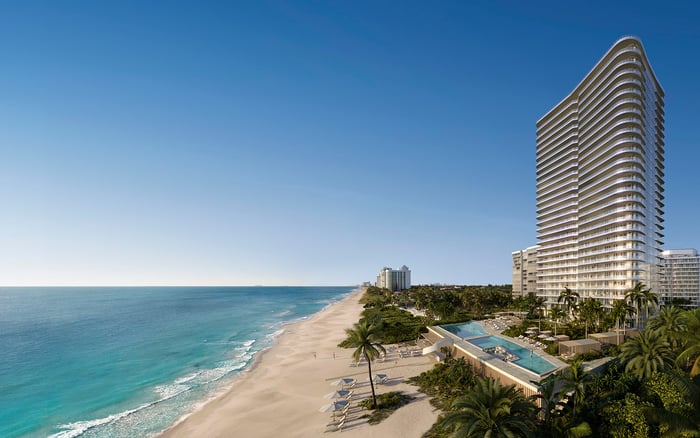
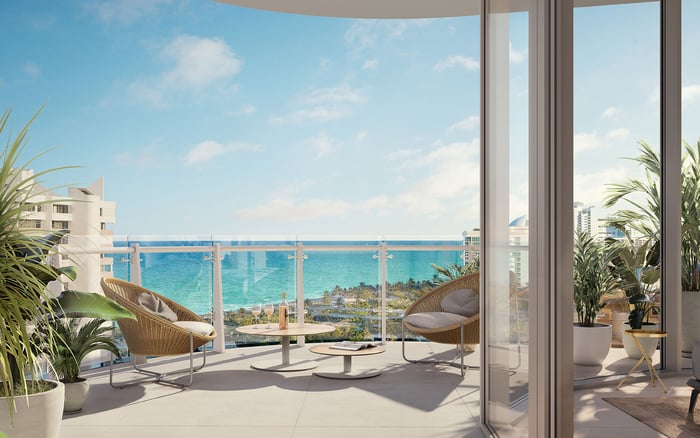
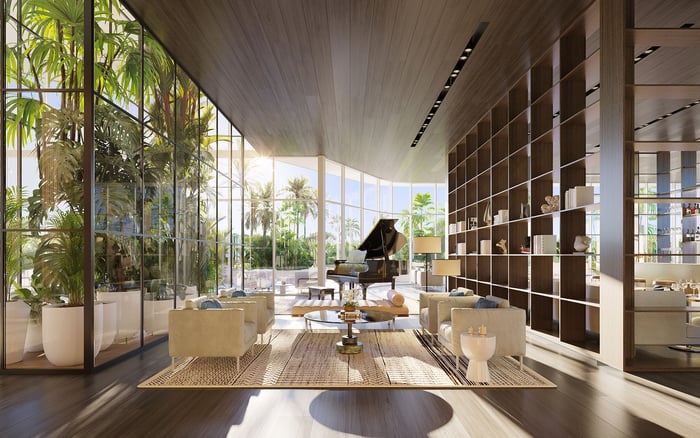
A buyer-focused look at how W Pompano Beach Hotel & Residences reflects Pompano Beach’s shift toward branded residences, design-forward ownership, and hospitality-shaped coastal living.
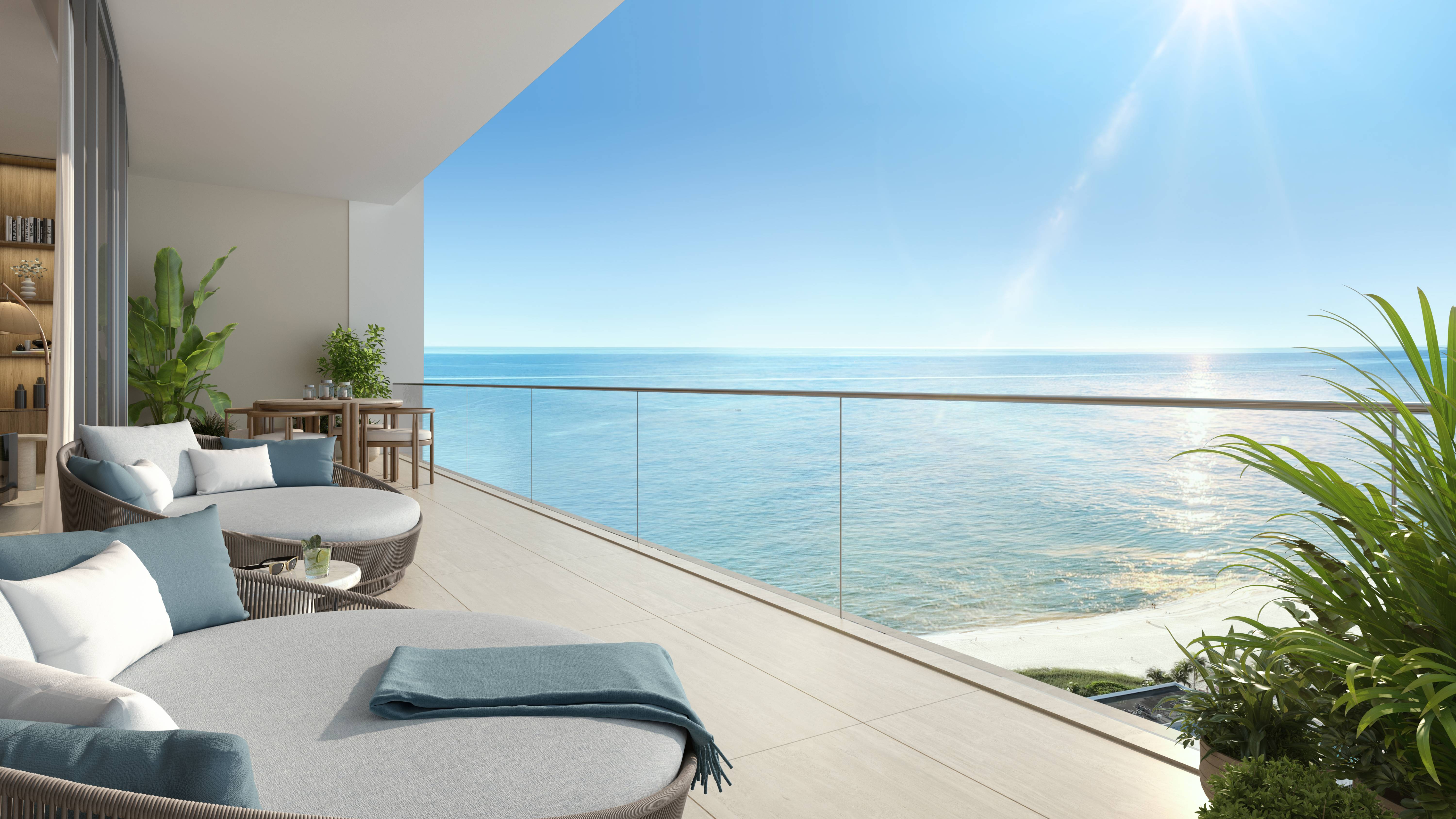
For years, Pompano Beach was often viewed as a quieter coastal alternative, a place where beachfront ownership felt more understated than the branded towers and design statements of Miami Beach, Bal Harbour, or Fort Lauderdale. That perception is changing. The arrival of W Pompano Beach Hotel & Residences places the city inside a more current South Florida conversation, one shaped by hospitality identity, recognizable brands, visual distinction, and a fuller idea of lifestyle ownership.
The project is positioned as a W-branded hotel-and-residential ownership offering in Pompano Beach. That matters because the W identity does not read as a conventional condominium alone. It introduces a lifestyle-hospitality dimension, where private ownership is connected to a hotel-grade service and amenity narrative. For buyers already comparing South Florida options across established luxury corridors, that distinction helps reframe Pompano Beach as more than a value or location play. It becomes part of the design-forward ownership map.
In the current luxury market, affluent buyers are rarely purchasing square footage in isolation. They are evaluating atmosphere, arrival sequence, service culture, interior point of view, amenity composition, and the emotional clarity of the brand. W Pompano Beach Hotel & Residences fits that shift because its proposition is framed around architecture, interiors, amenities, and brand experience as integral parts of the ownership story.
This is where the project separates itself from older utilitarian beachfront condominium stock. A residence can still offer privacy, views, and access, but the newer buyer often wants a composed environment that feels intentional from the lobby to the social spaces to the private residence. Oceanfront ownership in this context is no longer simply about proximity to the sand. It is about how the building curates the daily rhythm of coastal life.
That is also why the phrase design-forward should not be reduced to aesthetics. It is a broader discipline. It considers how residents arrive, gather, retreat, host, work, exercise, and move between private and shared spaces. The W brand brings a more social, experience-oriented lens to that question, making the hotel-and-residences format especially relevant.
The relevance of W Pompano Beach is tied to Pompano Beach’s movement from understated beachfront inventory toward more design-conscious coastal development. The city is increasingly discussed as an emerging canvas for projects that place visual identity and lifestyle programming closer to the center of the purchase decision.
That does not mean every buyer is seeking the same mood. Some will prefer the hospitality-driven energy of W. Others may be drawn to the fashion-coded identity of Armani Casa Residences Pompano Beach or the service associations carried by The Ritz-Carlton Residences® Pompano Beach. The broader point is that Pompano Beach is no longer competing on coastline alone. It is participating in a branded-residences conversation that has already reshaped buyer expectations across South Florida.
For search and buyer shorthand, Pompano Beach now signals more than a geographic filter. It increasingly points to a coastal Broward market where recognizable names, curated amenities, and more deliberate design are helping define a newer luxury corridor.
Branded residences work because they compress a complex ownership decision into a recognizable promise. A buyer may not know every detail of a project at first glance, but a brand can create an immediate sense of tone. W suggests energy, social life, hospitality, and design personality. In a hotel-and-residences format, that identity can connect private living with a service narrative more commonly associated with travel.
This is the key to understanding W Pompano Beach. The project’s value in the conversation is not only that it adds another luxury address. It introduces a specific lifestyle vocabulary into Pompano Beach ownership. The buyer is not simply asking whether the residence is large enough or close enough to the water. The buyer is asking whether the building feels complete, whether it has a point of view, and whether the brand supports the way they want to live when they are in residence.
That question is increasingly familiar across the region. In Miami Beach, design-led coastal projects have helped reinforce the idea that ownership can be shaped by wellness, design, and privacy as much as by location. In Fort Lauderdale, branded hospitality projects have also contributed to a more service-conscious ownership culture. Pompano Beach is now entering that same comparative set with a clearer voice.
The most important buyer lens is fit. W Pompano Beach Hotel & Residences will likely appeal to those who want coastal ownership with a stronger hospitality identity and a more social residential atmosphere. That does not make it the right answer for every buyer, but it does make it a meaningful option for those who want their residence to feel connected to a larger lifestyle environment.
Buyers should evaluate how the brand experience translates into daily living. The appeal of a branded residence is strongest when the public spaces, service model, amenity concept, and private interiors feel aligned. If those elements work together, the project can offer a more seamless ownership experience than a building where amenities feel added rather than integrated.
It is also useful to compare W against other branded or design-led names in the same coastal corridor. Waldorf Astoria Residences Pompano Beach offers another recognizable hospitality reference point, while neighboring luxury markets provide additional context for how South Florida buyers weigh service, design, and brand prestige. The best decision is not simply about choosing the most recognizable name. It is about selecting the environment that best matches the buyer’s personal rhythm.
W Pompano Beach Hotel & Residences is best understood as a symbol of where the market conversation is headed. Pompano Beach is being pulled into a more elevated dialogue, one where beachfront ownership is measured through design, service, brand experience, and the completeness of the lifestyle proposition.
That shift is important for end users and second-home buyers alike. A residence that feels fully composed can carry a different emotional weight. It can become less about occasional use and more about the confidence that every stay will feel considered. For buyers who move between South Florida, New York, Latin America, Europe, and other luxury markets, that consistency of experience is increasingly valuable.
The project’s significance is therefore not limited to one address. It helps define a new expectation for Pompano Beach, where buyers can consider branded luxury without leaving the quieter texture of coastal Broward. In that sense, W does not replace the city’s traditional appeal. It edits it, sharpens it, and gives it a more contemporary frame.
What is W Pompano Beach Hotel & Residences? It is positioned as a W-branded hotel-and-residential ownership project in Pompano Beach, combining private residences with a hospitality-style identity.
Why is the W brand important for buyers? The W identity brings a lifestyle and hospitality angle, making the ownership proposition feel more social, service-oriented, and design-conscious.
Is this considered a branded residence? Yes. The project sits within the branded-residences category, where brand experience, amenities, and service narrative are part of the residential appeal.
How does it fit into Pompano Beach’s evolution? It reflects the city’s shift from more understated beachfront inventory toward a design-led luxury conversation.
What does design-forward ownership mean here? It means the purchase decision is shaped by architecture, interiors, amenities, service culture, and the overall lifestyle environment, not square footage alone.
How should buyers compare it with Miami Beach or Fort Lauderdale projects? Buyers should compare the project’s brand tone, service expectations, design language, and daily-use amenities against other South Florida luxury options.
Does the hotel-and-residences format change the ownership feel? Yes. It can connect private living with a hotel-grade amenity and service narrative, which may appeal to buyers seeking a more managed lifestyle.
What does the Pompano Beach label mean in this context? It signals a coastal Broward market increasingly discussed through design, brand, and lifestyle rather than inventory alone.
Is W Pompano Beach only about beachfront living? No. Its relevance is also tied to brand identity, curated experience, and the broader move toward visually distinctive luxury ownership.
Who is the likely buyer for this type of residence? The likely buyer values coastal access, hospitality energy, recognizable branding, and a residence that feels like a fully composed lifestyle environment.
For a confidential assessment and a building-by-building shortlist, connect with MILLION.
If branded residences are on your mind — as a home or as an allocation — we would be glad to share what we are seeing, privately.
Begin a quiet conversation