Elevator destination control is no longer a background building feature. For luxury high-rise buyers in South Florida, it belongs in the due-diligence file because it can shape daily privacy, vertical circulation, guest access, service logistics, resilience planning, and long-term ownership comfort.

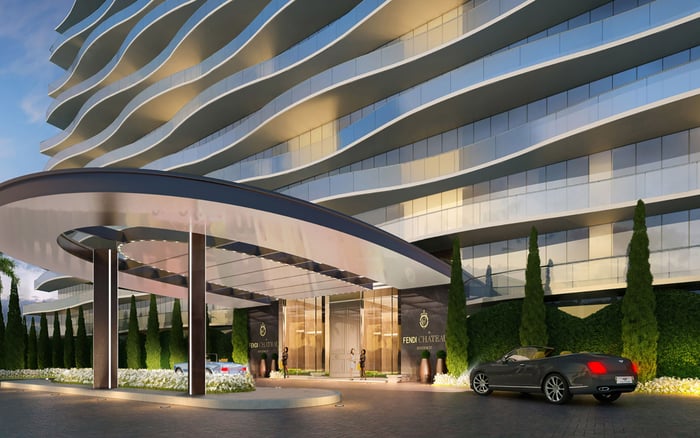
In South Florida luxury real estate, the first impression often begins before the residence itself. A valet court, discreet lobby, private vestibule, controlled elevator ride, and uninterrupted arrival sequence are all part of what a buyer is purchasing. Elevator destination control sits at the center of that sequence.
Destination control assigns passengers to elevator cars based on their intended floor, usually through a keypad, touchscreen, credential, or integrated access device before they enter the cab. In a refined residential tower, it can feel seamless. In a poorly understood building, it can become an operational blind spot.
For buyers considering high-floor residences, penthouse-level homes, or large residences with staff and frequent guests, the question is not simply whether the elevator looks elegant. The sharper question is whether the system has been reviewed with the same seriousness as financial statements, insurance, reserves, balcony condition, and association rules. Elevator circulation is infrastructure, hospitality, privacy, and risk management at once.
Traditional elevator diligence often stops at age, maintenance history, and visible condition. Destination control adds another layer because it blends mechanical equipment with software, access permissions, user data, dispatch logic, and building policy. That combination deserves a place in the buyer’s closing file.
In practical terms, the system may affect how owners, guests, vendors, staff, deliveries, and building personnel move through the property. It may determine whether certain floors are restricted, whether a service route is separated from resident traffic, and how visitors are cleared after arrival. It can also shape the perceived calm of a lobby during peak periods.
For a buyer in Brickell, where high-rise living is defined by density and speed, vertical circulation can become part of everyday value. In Surfside, where privacy and discretion often shape buyer expectations, the same system may be judged by how quietly it protects exclusivity. In Aventura, with a broad mix of full-time residents, seasonal owners, and visiting families, ease of use may matter as much as security.
A strong due-diligence review begins with direct questions. Who maintains the system? How often is it serviced? Is the destination-control platform still supported? Are software updates current? Does the association have a modernization plan? Are replacement parts readily available? What happens during a power interruption, fire-service condition, or other emergency operating mode?
The goal is not to turn a buyer into an elevator engineer. The goal is to understand whether the building has mature oversight. A luxury tower can have beautiful finishes and still rely on systems that require disciplined management. Destination control should be evaluated through documentation, not lobby impressions.
Buyers should also ask how access credentials are issued and revoked. That issue becomes especially relevant for households with domestic staff, private chefs, nurses, tutors, security personnel, or rotating guests. A building that cannot clearly explain credential control may create avoidable friction for owners who expect precision.
In many ultra-premium residences, privacy is discussed through view corridors, private elevators, entry foyers, guarded gates, and discreet amenity access. Destination control belongs in that same conversation. It can determine who shares an elevator, which floors can be selected, and how much information is visible to other users.
A buyer should ask whether the system displays floor destinations publicly or privately, whether visitor permissions are time-limited, and whether staff access can be tailored without compromising convenience. In luxury ownership, privacy is not only about keeping people out. It is also about allowing the right people in with minimal exposure.
This is especially important for investment buyers who may be thinking about long-term asset quality rather than personal use alone. A well-run building with clear vertical access protocols can feel more composed, more secure, and more durable in owner perception. That perception can matter when the time comes for resale.
The most elegant residential experience depends on operational choreography. Groceries, flowers, wine deliveries, housekeeping, maintenance, dog walkers, luggage, catering, and move-ins all create vertical demand. Destination control can help organize that movement, but only if the building’s rules and system programming support the lifestyle owners actually live.
Before closing, buyers should ask how service elevators interact with resident elevators. Are deliveries directed through a defined route? Are move-ins scheduled with elevator protection and clear time windows? Can staff reach authorized floors without unnecessary delays? Are after-hours procedures practical for owners returning from travel or hosting events?
In new-construction towers, buyers should not assume that a sophisticated presentation center automatically translates into long-term operational clarity. The question is how the system will be governed after turnover, how the association will budget for support, and whether residents will receive consistent guidance on use.
Destination control is not just a button panel. It may depend on controllers, terminals, credentials, software licenses, network connections, monitoring, and vendor-specific service arrangements. Those details can influence future expense and building flexibility.
A purchaser should request available maintenance records, modernization history, open proposals, service contracts, and any association discussion of elevator performance. If the building has recurring complaints, upcoming upgrades, or unresolved service concerns, those items should be understood before the deposit becomes irreversible.
Resilience also matters in South Florida ownership. Buyers should ask how the elevators operate when backup power is engaged, how emergency access is handled, and whether management has written procedures for disruptions. A luxury building is not judged only on perfect days. It is judged by how gracefully it handles interruptions.
The elevator section of a buyer’s file should be concise but meaningful. It may include the most recent service information available to buyers, summaries of association discussions involving elevator performance, applicable rules on guest and staff access, move-in protocols, insurance and reserve references when available, and any planned modernization notes.
For a large residence, the buyer’s advisor may also request a practical walkthrough. How does a guest enter? How does a housekeeper arrive? How does a delivery reach the unit? How does an owner return from the garage? How does the system treat multiple passengers going to different restricted floors? These lived scenarios can reveal more than a polished tour.
The point is not to reject a building because its system is complex. Complexity is expected in the upper tier. The point is to know whether that complexity is managed with clarity.
Elevator destination control belongs beside the other documents that define a high-rise purchase. It touches privacy, convenience, safety procedures, staff movement, guest experience, maintenance exposure, and long-term confidence. For buyers comparing towers across Brickell, Surfside, Aventura, Palm Beach, and other premium South Florida markets, the elevator conversation is a refined but essential test of building stewardship.
The best buildings make vertical movement feel invisible. The best buyers still verify how that invisibility is produced.
What is elevator destination control? It is a system that assigns elevator cars based on a passenger’s intended floor before they enter the cab.
Why should buyers review it before closing? It can affect privacy, guest access, service routes, daily convenience, and future building expenses.
Is this only important for penthouses? No. It matters for any buyer who values controlled access, efficient arrivals, and predictable building operations.
What documents should be requested? Buyers should seek available maintenance records, service-contract details, rules for access credentials, and any planned modernization notes.
Should a buyer ask about software support? Yes. Destination control often involves software, credentials, and vendor support that may influence reliability and cost.
How does it relate to privacy? The system can influence who may select certain floors, how visitors are cleared, and how discreetly residents move through the tower.
Does destination control replace good management? No. The technology is only as effective as the building policies, maintenance discipline, and staff training behind it.
What should seasonal owners consider? They should understand guest permissions, staff access, delivery procedures, and how credentials are managed when they are away.
Can elevator issues affect resale? Persistent operational friction can influence buyer confidence, especially in luxury towers where daily experience is closely scrutinized.
Who should help review the elevator file? A buyer’s real estate advisor, attorney, property inspector, and when appropriate, a qualified elevator consultant can help frame the right questions.
When you're ready to tour or underwrite the options, connect with MILLION.
If branded residences are on your mind — as a home or as an allocation — we would be glad to share what we are seeing, privately.
Begin a quiet conversation