Completed towers offer luxury buyers clarity, but true confidence depends on operations, privacy, design durability, neighborhood fit, and future resale depth.
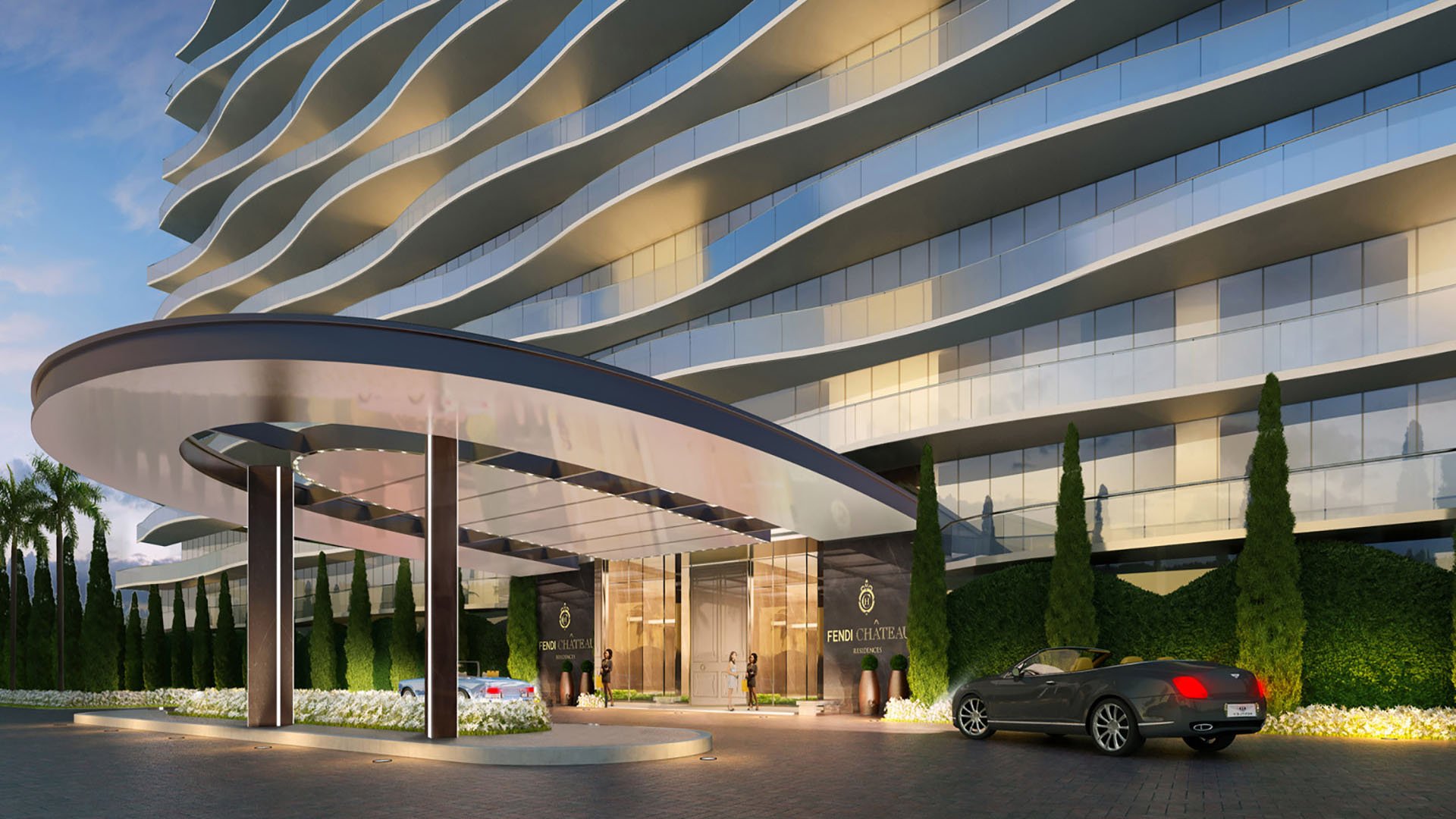
For South Florida luxury buyers, a completed tower offers an immediate form of reassurance. The building can be walked. The lobby can be felt. The elevator sequence, arrival experience, staff presence, amenity programming, views, light, and acoustics are no longer renderings or promises. They are visible, tactile, and measurable in real time.
That clarity matters. In a market where buyers often compare finished residences with new-construction opportunities, completion removes one category of uncertainty: whether the physical product has been delivered. Yet completion should never be mistaken for a complete investment thesis. The most sophisticated buyers understand that a finished building answers only the first question. It shows what exists today, not how the property will live, operate, age, trade, and compete over the next ownership cycle.
The distinction is especially important in South Florida, where waterfront scarcity, branded hospitality, private-club expectations, and design ambition have elevated the definition of luxury. A completed tower may inspire confidence, but the best decisions come from a broader reading of the asset.
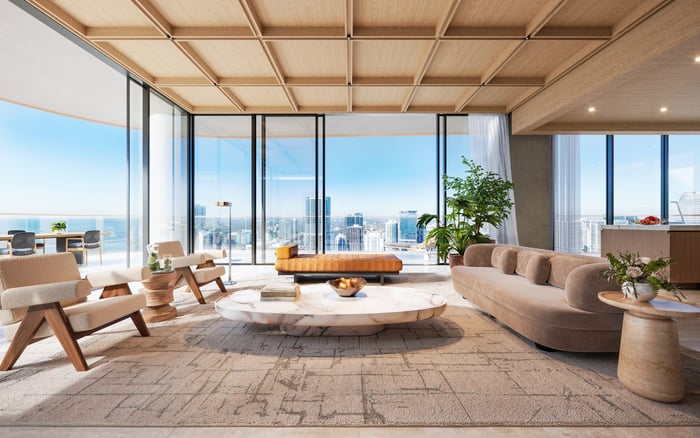
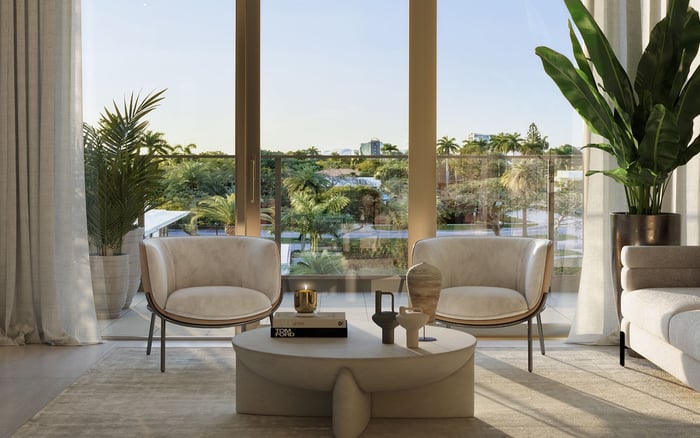
A completed tower proves that the buyer can inspect the residence without abstraction. Ceiling heights, corridor quality, natural light, kitchen proportions, terrace usability, and primary-suite privacy can all be judged directly. For end users, this is invaluable. For second-home buyers, it can reduce the friction of making a decision from afar. For investors, it can clarify the difference between presentation and performance.
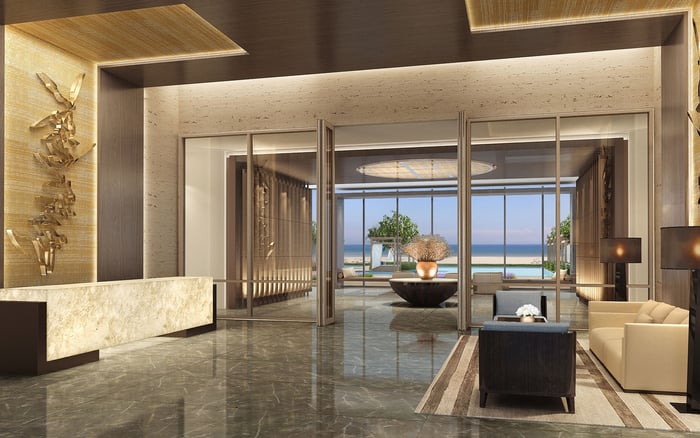
Completion also reveals the building’s daily rhythm. A buyer can observe how staff manage arrivals, how service areas function, whether valet operations feel seamless, and whether amenity spaces are being used as intended. These details separate a polished address from a truly refined one.
Still, physical delivery is only one layer. A luxury condominium is not just an apartment in the sky. It is a private operating environment with rules, costs, maintenance standards, service culture, resident composition, and long-term capital needs. The tower may be complete, but the ownership story is still unfolding.
In the ultra-premium segment, operations can be as consequential as architecture. A beautifully finished residence loses some of its power if the building lacks disciplined management, clear governance, consistent staffing, or a sustainable maintenance philosophy. Buyers should look beyond surface impressions and ask how the building is run.
This includes the association’s approach to reserves, insurance, building systems, staffing levels, access control, and amenity upkeep. The question is not simply whether a property feels impressive on tour. The question is whether it is structured to remain impressive after years of salt air, heavy seasonal use, evolving resident expectations, and rising service standards.
Oceanfront ownership adds another level of scrutiny. Salt exposure, wind, water management, façade maintenance, terrace care, and mechanical resilience all matter. A view may be timeless, but the building envelope and operations behind that view require constant discipline.
Luxury buyers often focus on what is immediately visible: finishes, floor plan, views, and amenities. These are essential, but future desirability is shaped by subtler factors. Does the residence have a layout that will still feel current in a decade? Are the outdoor spaces genuinely usable, or merely decorative? Is the building intimate enough to feel private, or large enough to support a robust service platform? Does the address have enduring cachet, or is it dependent on a passing design moment?
Resale strength is rarely about one feature. It comes from the combination of scarcity, condition, design coherence, neighborhood appeal, and the depth of future buyer demand. A completed tower may offer immediate certainty, but it must also be evaluated against the next generation of properties that will enter the market.
This is where discretion and discipline matter. A residence that photographs beautifully may not function beautifully. A tower that feels fashionable today may not have the architectural restraint or operational backbone to remain compelling. The strongest assets tend to combine emotional appeal with practical permanence.
South Florida is not one luxury market. It is a collection of distinct ownership environments, each with its own rhythm. Brickell often appeals to buyers seeking vertical energy, financial-district proximity, dining, and a metropolitan daily routine. Surfside speaks to a quieter coastal sensibility, where privacy, beach access, and scale can matter as much as finishes. Aventura offers a different equation, often centered on convenience, access, and a more residential cadence.
Even within the same price tier, buyer profiles can vary dramatically. One purchaser may prioritize a lock-and-leave residence with concierge depth. Another may want a full-time home with generous storage, family functionality, and a strong sense of neighborhood. Another may care most about yacht access, wellness amenities, or proximity to private schools.
The completed tower helps buyers judge the building, but it does not automatically answer whether the location supports their life. That decision requires a candid reading of habits: where one dines, boards a flight, hosts family, receives guests, works, exercises, and escapes.
Amenity programs are central to South Florida luxury, but they should be considered with precision. A spa, fitness center, pool deck, residents’ lounge, dining room, or private treatment suite has different value depending on scale, staffing, design, and actual usability.
A completed tower allows buyers to test these spaces in a more meaningful way. Are they calm or crowded? Are they finished to the same level as the model residence? Are sightlines private? Is the pool positioned for light and comfort? Does the fitness space feel complete or ornamental? Can residents entertain without compromising privacy?
The most valuable amenities are not simply impressive. They reduce friction in daily life. They make the residence easier to enjoy, easier to host from, and easier to leave unattended when owners travel.
Governance is not glamorous, but it is central to long-term ownership quality. Buyers should pay close attention to rules around rentals, pets, renovations, service access, deliveries, guest use, and amenity reservations. These details shape the lived experience and can affect future liquidity.
A building with loose rules may feel flexible at first, but it can dilute privacy or quiet enjoyment. A building with overly restrictive rules may protect exclusivity but limit certain ownership goals. Neither is inherently right nor wrong. The question is fit.
For buyers comparing completed towers, governance can become a decisive difference. Two residences with similar views and finishes may offer entirely different ownership cultures once the documents, policies, and resident expectations are understood.
True confidence is not simply the comfort of seeing a finished tower. It is the confidence that comes from understanding the complete ownership environment. That includes the residence, the building, the board culture, the management approach, the amenity execution, the location, the cost structure, and the likely future buyer pool.
In South Florida, the most desirable properties are not always the loudest. They are often the ones where architecture, privacy, service, and setting work together without strain. They feel effortless because the difficult decisions have already been made well.
For a luxury buyer, completion is the beginning of judgment. The finished tower may open the door, but enduring value is found in what stands behind it.
Is a completed tower always safer than buying before completion? Not always. It reduces construction and delivery uncertainty, but buyers still need to evaluate operations, governance, condition, and future demand.
What should buyers inspect first in a finished luxury tower? Start with the arrival sequence, staff presence, residence layout, natural light, acoustics, terrace usability, and amenity quality.
Why do building operations matter so much? Operations shape the daily experience. Staffing, maintenance, access control, and amenity management can elevate or weaken even a beautifully designed property.
How important is the condominium association? Very important. Rules, reserves, maintenance planning, insurance posture, and governance culture all affect long-term ownership quality.
Does a completed residence make pricing easier to judge? It helps because buyers can compare real finishes, views, and condition. Pricing still depends on scarcity, location, layout, and future resale appeal.
Should buyers prioritize views or floor plan? Both matter, but a functional floor plan often has lasting value. A remarkable view can be weakened by poor room proportions or limited privacy.
Are amenities always a major value driver? Only when they are well designed, well maintained, and genuinely usable. Amenities that look impressive but function poorly may add limited daily value.
How should buyers compare Brickell, Surfside, and Aventura? Compare them by lifestyle rather than prestige alone. Each area supports a different balance of energy, privacy, convenience, and residential rhythm.
What does resale potential depend on? Resale potential depends on scarcity, building reputation, condition, design relevance, governance, and the size of the future buyer pool.
When is a completed tower the right choice? It is often right for buyers who value certainty, immediate use, and direct inspection. The best choice still requires careful review beyond the tour.
For a tailored shortlist and next-step guidance, connect with MILLION.
If branded residences are on your mind — as a home or as an allocation — we would be glad to share what we are seeing, privately.
Begin a quiet conversation