A discreet buyer’s guide to evaluating sauna traffic as its own due-diligence topic, with attention to privacy, scheduling, maintenance discipline, and resale relevance in South Florida luxury residences.
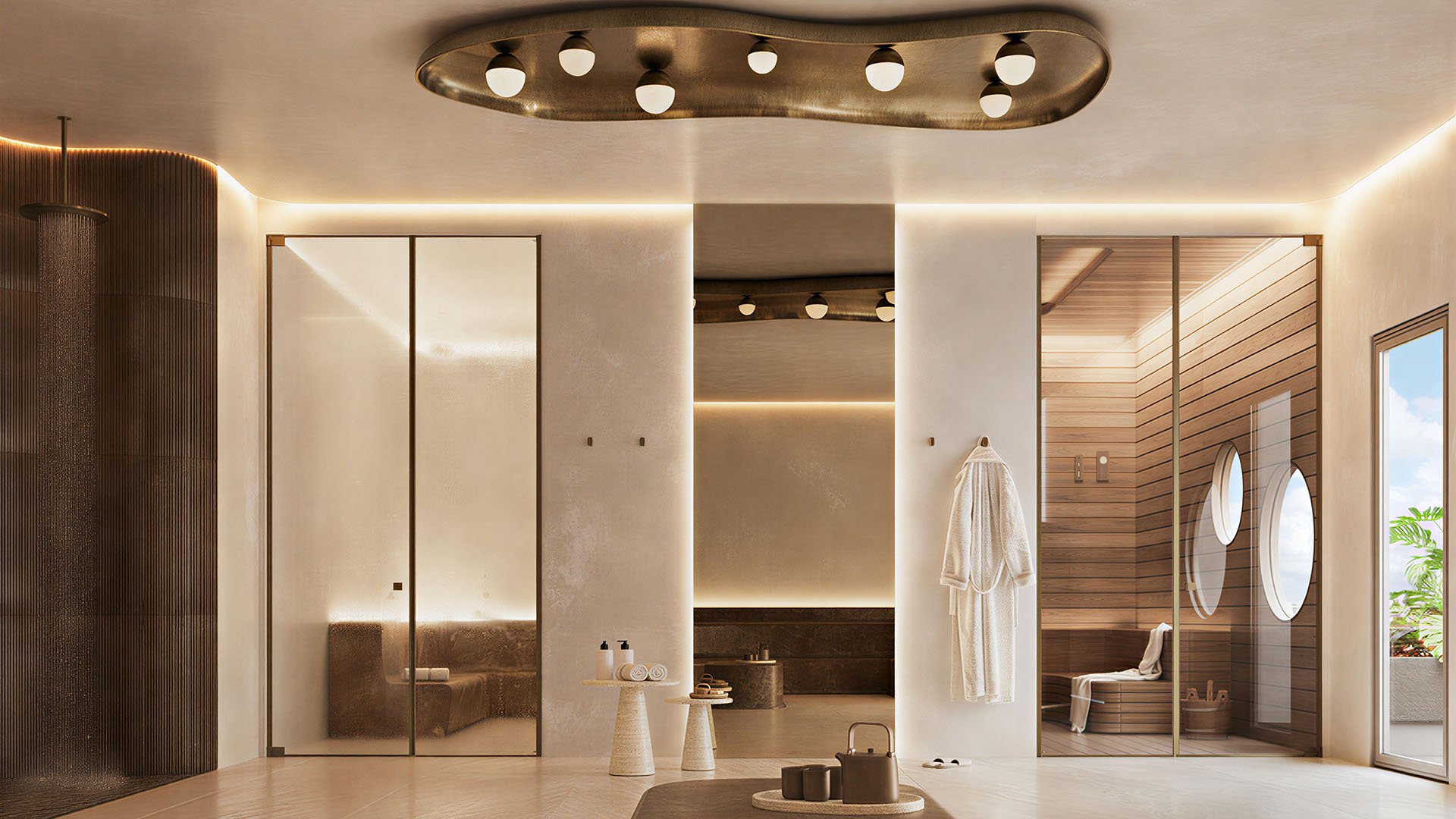
In South Florida’s luxury condominium market, wellness is no longer a decorative amenity category. Buyers expect spas, treatment rooms, steam areas, recovery lounges, cold plunges, and quiet places to reset after travel, training, or a long workday. The sauna sits at the center of that expectation because it is intimate, used repeatedly, and highly sensitive to crowding.
A buyer may tour a property, admire the finishes, and still learn very little about how the sauna performs at 7:30 a.m., after school drop-off, on a winter weekend, or during peak season. That is why sauna traffic deserves its own due-diligence conversation, rather than being folded into a general amenities review. The question is not simply whether the building has a sauna. The more refined question is whether the sauna experience supports the lifestyle the buyer is purchasing.
For a buyer comparing Brickell convenience, Aventura family logistics, Surfside discretion, or a Miami Beach lock-and-leave rhythm, the sauna can be a revealing amenity. It shows how residents share space, how management protects comfort, and how seriously a building treats daily wellness.
High use is not inherently negative. In a well-managed luxury building, active wellness amenities can indicate that residents value the facilities and that the program is relevant to the community. The concern is unmanaged traffic: crowding, inconsistent etiquette, extended occupancy, poor turnover, noise transfer, or a sense that the space feels public rather than private.
The distinction matters. A sauna that is popular but controlled can remain serene. A sauna with lighter use but weak oversight can still feel compromised. Buyers should therefore avoid asking only, “Is it busy?” The better conversation is more precise: when is it busiest, who monitors it, how long do residents typically stay, and what happens when demand exceeds comfort?
This is especially important for owners who travel frequently. A seasonal resident may use the spa only during concentrated windows, often when many other residents are also in residence. A full-time owner may care more about predictable weekday access. A wellness-focused buyer may want regular recovery sessions after the Pool, gym, or waterfront run. Each profile experiences traffic differently.
The sauna conversation should be practical, calm, and specific. Buyers can ask whether use is first-come, reservation-based, or informally managed. They can ask whether the sauna is shared with hotel guests, club members, short-term occupants, or only residents. They can ask how cleaning intervals work, whether time limits are posted, and how staff respond when the area is overused.
None of these questions are confrontational. In the upper tier of the market, they are part of understanding what ownership will feel like. A beautiful amenity rendering or polished tour can show design intent, but it cannot fully explain the daily experience. A separate conversation gives buyers room to discuss operations without rushing through broader items such as parking, insurance, reserves, views, and closing timelines.
It is also wise to ask whether sauna rules are written into formal building materials or handled by custom. Written rules are easier to evaluate and may be enforced more consistently. Informal customs can work well in a small, respectful building, but they are harder to rely on if ownership patterns change.
Luxury buyers often define value through quiet. In that context, privacy can matter as much as design. A sauna may be finished in warm wood and stone, but if entry feels uncontrolled or turnover is poor, the amenity loses its composure.
A separate due-diligence discussion should explore etiquette expectations. Are mobile phones discouraged? Are guests allowed? Are there limits on conversation volume? Are towels, robes, and water service handled in a way that preserves the space? Are locker rooms separated clearly enough to keep the experience orderly?
These small details determine whether the sauna feels like a private wellness extension or a shared afterthought. They also affect household dynamics. A buyer with teenagers may care about guest privileges. A couple seeking a quiet second home may care about peak-season serenity. An Investment-minded purchaser may care about how well the amenity supports future buyer perception. A Resale-focused owner may want confidence that the building’s wellness program will age gracefully.
Sauna traffic is a proxy for operational discipline. When management understands wellness, the details tend to align: signage is discreet, cleaning is frequent, staff know how to intervene, and residents understand the tone of the space. When management treats the sauna as a minor add-on, issues can surface quickly.
Buyers should listen carefully to the quality of the answers. A vague response may not mean there is a problem, but it does suggest that the topic has not been actively managed. A confident response, with clear procedures and a calm explanation of peak periods, can give a buyer more comfort.
This is relevant across building types. In a large tower, the question may be capacity. In a boutique building, it may be guest control. In a branded residence, it may be whether service standards match the promise. In a waterfront community, it may be how spa demand changes during season, holidays, and weekends.
The point is not to overemphasize one amenity. It is to recognize that, in the luxury market, small operational frictions can have an outsized effect on daily satisfaction.
A sauna traffic review can help a buyer compare properties with more nuance. Two residences may offer similar views and finishes, while the wellness experience may differ dramatically. One building may offer a highly polished but heavily used spa. Another may provide a quieter, simpler sauna that better suits the buyer’s rhythm.
This information can influence selection and negotiation posture. If the amenity package is central to the buyer’s decision, clarity around use patterns may affect perceived value. If the sauna is peripheral, the conversation may simply confirm that the building is well run. Either way, the buyer gains a more complete picture.
The best time to ask is before emotional momentum narrows the field. Once a buyer is captivated by a view, a terrace, or a floor plan, lifestyle questions can be minimized. A separate sauna discussion keeps the focus on lived experience, not just visual appeal.
The most productive sauna traffic conversation is short, specific, and documented in the buyer’s notes. Ask about peak times, reservation systems, resident-only access, guest policies, time limits, cleaning routines, staff oversight, and any recent changes to rules. Ask how management handles complaints. Ask whether the sauna is part of a broader wellness zone and whether adjacent uses affect noise or privacy.
Buyers should also consider their own pattern of use. Morning users, evening users, couples, athletes, seasonal residents, and hosts all have different needs. The goal is not to find a building where the sauna is empty. The goal is to find a building where the sauna is appropriately managed for the way the buyer intends to live.
In South Florida, where wellness, hospitality, and residential privacy increasingly overlap, that distinction is essential.
Why should sauna traffic be reviewed separately? Because it reveals how a building manages privacy, capacity, etiquette, and daily wellness comfort beyond the amenity tour.
Is high sauna use a bad sign? Not necessarily. High use can be positive if the building has strong rules, cleaning routines, and staff oversight.
What is the most important question to ask? Ask when the sauna is busiest and how management handles peak demand without compromising resident comfort.
Should buyers ask about guest access? Yes. Guest policies can materially affect privacy, crowding, and the character of the wellness area.
Does this matter more in large buildings? It can, because capacity is more visible, but boutique buildings also need clear rules and consistent etiquette.
How does sauna traffic affect Resale? A well-managed wellness amenity can support buyer confidence, while persistent crowding may weaken perceived lifestyle value.
Should Investment buyers care about this? Yes. Amenity quality can influence future demand, especially among buyers who prioritize wellness and privacy.
Can rules change after purchase? Rules may evolve, so buyers should understand current procedures and how amenity policies are typically updated.
Is the Pool relevant to the sauna review? Yes. Pool, gym, and spa traffic often overlap, especially during mornings, weekends, and seasonal occupancy periods.
What should a buyer do if answers feel vague? Ask for clarification in writing or revisit the property during likely peak hours before making a final decision.
To compare the best-fit options with clarity, connect with MILLION.
If branded residences are on your mind — as a home or as an allocation — we would be glad to share what we are seeing, privately.
Begin a quiet conversation