A buyer-focused editorial on how Arbor Coconut Grove, Avenia Aventura, and Oceana Key Biscayne define three distinct expressions of design-forward ownership in South Florida.
Design-forward ownership is not a single aesthetic. In South Florida, it is better read as a spectrum of residential intent: how a building relates to its neighborhood, how its scale shapes privacy, how amenities support daily life, and how architecture becomes part of the ownership experience rather than a decorative afterthought.
That is why Arbor Coconut Grove, Avenia Aventura, and Oceana Key Biscayne belong in the same conversation despite their very different temperaments. Each speaks to a buyer who values design, but each defines that value through a distinct lens.
Arbor Coconut Grove is the intimate, neighborhood-integrated example. Avenia Aventura represents a more urban, lifestyle-centric expression within Aventura. Oceana Key Biscayne sits at the oceanfront, large-format end of the spectrum, where art, architecture, and resort-style ownership converge.
For buyers, the question is not simply which residence is most impressive. It is which form of design discipline best matches the way they want to live.
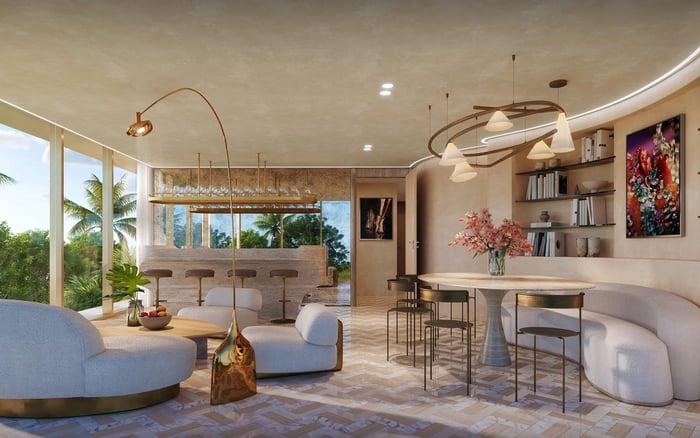
Arbor Coconut Grove occupies the low-rise, boutique-scale side of this discussion. Its appeal is rooted in intimacy, materiality, and residential authenticity rather than the grand theater of a large resort-style property. In Coconut Grove, that distinction matters. Buyers are often drawn to the area for its village character, lush texture, and quieter sense of permanence.
The design language associated with Arbor is tactile and residential. Rather than leaning on spectacle, it is positioned around the feeling of belonging to the neighborhood. That makes it especially relevant for buyers who want architecture to feel personal, not institutional.
For a Coconut Grove buyer, design-forward ownership may mean entering a building that feels woven into its surroundings. The measure of luxury is not only the amenity program, but also the scale, softness, and daily rhythm of the address. Arbor Coconut Grove fits the buyer who wants the Grove’s neighborhood character to remain central to the ownership experience.
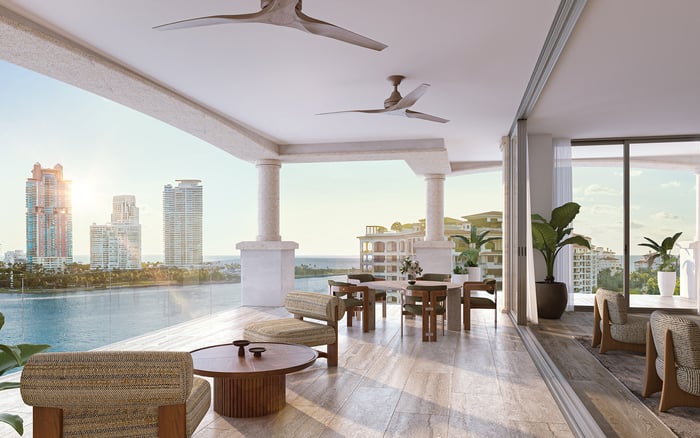
Avenia Aventura introduces a different version of the design-forward thesis. Rather than the boutique Grove model, it is framed around Aventura’s more urban, lifestyle-centric direction. The appeal is not simply residential seclusion. It is the coordination of design, convenience, and urbanized amenities within a market that increasingly rewards vertical composition and daily accessibility.
In this context, Avenia Aventura is best understood as a mixed-use-oriented ownership model. It is not purely resort-driven, and it is not trying to replicate the smaller-scale neighborhood intimacy of Arbor. Its design value comes from the way it speaks to a buyer who wants a more connected living pattern within Aventura.
That buyer may prioritize efficient movement, amenity access, and a contemporary sense of place. The architecture becomes part of a lifestyle framework, where the building is not an escape from the district, but a refined extension of it. Avenia Aventura therefore sits in the middle of this comparison: more urban than Arbor, less resort-like than Oceana Key Biscayne, and distinctly shaped by Aventura’s evolving residential identity.
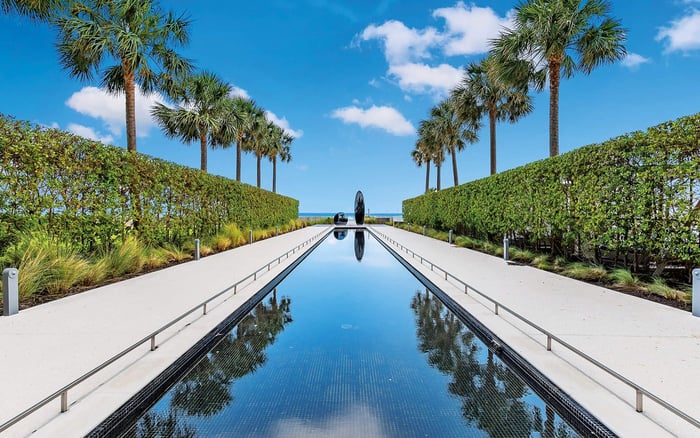
Oceana Key Biscayne represents the oceanfront, large-format case study in this trio. Its design-forward proposition is tied to a controlled ownership environment, a resort-style setting, and the integration of museum-grade architecture and art. It is the most expansive expression of the three, both in physical presence and in lifestyle character.
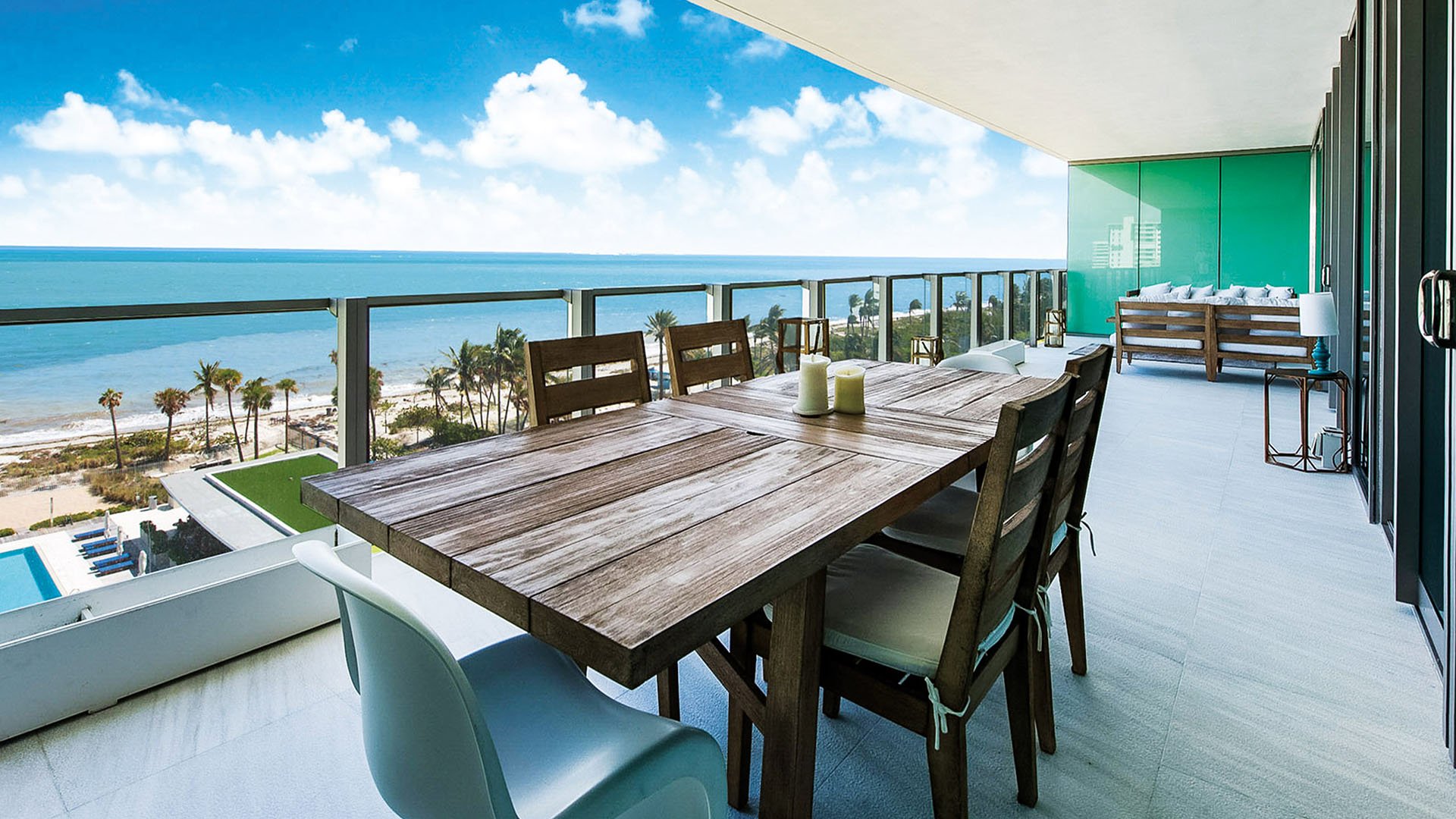
For buyers considering Key Biscayne, Oceana Key Biscayne offers a different emotional register. The setting is oceanfront. The ownership model is more resort-like. The architecture and art integration become part of the property’s identity, creating a residential environment where design is meant to be encountered at a larger scale.
This is not the buyer seeking the most neighborhood-boutique experience. It is the buyer who wants art, architecture, oceanfront living, and a more controlled residential world. Oceana Key Biscayne is therefore less about blending quietly into a village fabric and more about creating a complete coastal environment.
The clearest distinction among the three is scale. Arbor Coconut Grove is intimate and boutique. Avenia Aventura is more urban and lifestyle-organized. Oceana Key Biscayne is large-format and resort-like. All three are design-forward, but the ownership experiences they create are fundamentally different.
The second distinction is context. Coconut Grove supports a residential language tied to neighborhood character. Aventura supports convenience, amenities, and vertical lifestyle planning. Key Biscayne supports oceanfront privacy, artful presentation, and resort-style control.
The third distinction is emotional tone. Arbor feels grounded and tactile. Avenia feels contemporary and connected. Oceana feels composed, artful, and coastal. None of these positions is inherently superior. They are different answers to the same high-level question: what should design do for the owner?
A buyer who values privacy through smaller scale, a softer residential atmosphere, and neighborhood authenticity will likely read Arbor Coconut Grove as the most aligned option. It is a design-forward choice for someone who wants Coconut Grove to remain part of daily life rather than merely a location on a map.
A buyer who wants convenience, a more urban lifestyle, and amenities shaped around Aventura’s vertical residential district will likely find Avenia Aventura more intuitive. It suits the owner who wants design to support motion, access, and a contemporary way of living.
A buyer who wants oceanfront presence, art integration, resort-style ownership, and the distinct setting of Key Biscayne will naturally gravitate toward Oceana Key Biscayne. Its proposition is less about understatement and more about a complete design environment at the water’s edge.
The important point is that design-forward ownership is now more nuanced than a beautiful lobby or a recognizable name. It is about fit. The right building should express how the owner wants to move through the day, receive guests, retreat, and connect with place.
What does design-forward ownership mean in this comparison? It refers to ownership where architecture, materiality, setting, and lifestyle structure shape residential value. The term applies differently to each project.
How does Arbor Coconut Grove fit into the design conversation? Arbor Coconut Grove represents the boutique, neighborhood-integrated side of the spectrum. Its appeal is tied to residential authenticity and Coconut Grove character.
Who is Arbor Coconut Grove best suited for? It fits buyers seeking smaller-scale design, a tactile residential atmosphere, and a lifestyle closely tied to Coconut Grove. It is not positioned as a large resort-style model.
How does Avenia Aventura differ from Arbor Coconut Grove? Avenia Aventura is more urban and lifestyle-centric. Its positioning is tied to convenience, amenities, and Aventura’s more vertically composed residential direction.
Is Avenia Aventura a resort-style property? In this comparison, Avenia Aventura is better understood as mixed-use-oriented rather than purely resort-driven. Its value lies in design, access, and urbanized lifestyle convenience.
What defines Oceana Key Biscayne in this group? Oceana Key Biscayne is the oceanfront, large-format design case study. It is associated with art integration, architecture, and a controlled resort-style ownership environment.
Who should consider Oceana Key Biscayne? It fits buyers who want oceanfront living, art, architecture, and a more complete resort-style residential setting. Key Biscayne is central to that identity.
Are these projects competing for the same buyer? They may overlap among design-conscious buyers, but their lifestyle propositions differ. Scale, neighborhood context, and ownership rhythm are the key separators.
Which project is most boutique? Arbor Coconut Grove is the boutique-scale example in this comparison. Its positioning centers on intimacy and neighborhood integration.
Which project is most oceanfront and resort-like? Oceana Key Biscayne occupies that end of the spectrum. It contrasts with Arbor’s intimate scale and Avenia’s more urban lifestyle positioning.
For a tailored shortlist and next-step guidance, connect with MILLION.
If branded residences are on your mind — as a home or as an allocation — we would be glad to share what we are seeing, privately.
Begin a quiet conversation