A cash purchase may simplify financing, but it does not remove the property-level expenses, title work, association obligations, prorations, or timing decisions that shape a Boca Raton closing.

A cash acquisition can eliminate lender underwriting, financing-related appraisal conditions, mortgage charges, and the uncertainty of loan approval. It does not make the closing cost-free. Buyers still need a disciplined understanding of title work, settlement services, recording, inspections, contractual prorations, association requirements, insurance planning, and property-specific obligations.
That distinction matters in Boca Raton, where a purchase may involve a condominium association, a homeowners association, a private club, or several layers of governance. The right question is not simply, “What percentage should I add?” but “Which obligations attach to this residence, this contract, and this ownership structure?”
Whether approaching a Boca Raton acquisition as an investment, a second home, or a primary residence, the most useful starting point is an itemized closing worksheet prepared for the specific transaction.
“Title fees” can encompass several distinct items. Buyers should ask for each component to be identified rather than accept a bundled estimate without explanation.
The file may involve a title search, examination, settlement or closing services, document preparation, recording coordination, and a title insurance policy. Additional work may be appropriate if ownership is taken through a trust or entity, if an older matter appears in the title history, or if the property carries liens, open permits, or other unresolved issues. Whether a particular item applies-and who is responsible for it-should be confirmed through the contract and closing professionals.
A cash buyer should also decide how title will be held well before the documents are finalized. Individual ownership, joint ownership, a trust, and an entity can carry different legal, estate-planning, privacy, and administrative considerations. Those choices warrant advice from the buyer’s own legal and tax professionals, not a last-minute decision at the closing table.
Custom and assumption are poor substitutes for the executed agreement. Review the contract for the selected title arrangement, responsibility for title insurance and related services, recording obligations, deposits, inspection rights, closing date, default provisions, and treatment of prorations.
Cash buyers should also preserve sufficient time for diligence. Waiving financing does not require waiving inspection, title, document-review, insurance, or association-related protections. A compelling offer can remain carefully structured.
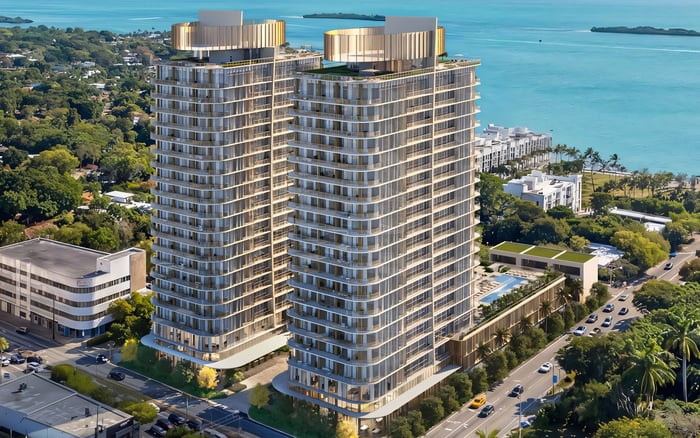
Resale and new-construction transactions may present different paperwork, deposits, closing procedures, and disclosure packages. When considering residences such as Alina Residences Boca Raton or Glass House Boca Raton, buyers should request the documents and proposed closing statement for the particular residence and contract rather than extrapolate from another property.
Association expenses extend beyond regular assessments. Depending on the property and its governing documents, the transaction package may reference application or screening charges, transfer-related charges, deposits, move-in coordination, capital contributions, document fees, estoppel-related items, current assessments, or approved future obligations.
Buyers should identify which charges are refundable, which are one-time, which recur, and which must be paid before occupancy. It is equally important to distinguish a charge imposed on the buyer from an amount owed by the seller that must be resolved at closing.
Approval timing deserves the same scrutiny as cost. If an association application is required, submission dates, interview procedures, supporting financial information, entity-ownership rules, and occupancy restrictions should be mapped against the contractual closing date. A delayed application can create avoidable pressure even when funds are immediately available.
For branded or service-oriented residences, including Mr. C Residences Boca Raton and The Residences at Mandarin Oriental Boca Raton, buyers should review the governing and purchase documents for the specific residence. A familiar name does not replace transaction-level diligence.
Boca Raton buyers may encounter residences connected with social, golf, marina, or other private-club arrangements. The central inquiry is whether membership is mandatory, optional, transferable, or subject to separate approval. Buyers should also distinguish initiation obligations from recurring dues, minimum spending requirements, deposits, and charges for particular privileges.
Club economics should not be inferred from association dues. The club and residential association may be separate legal and financial structures, each with distinct billing cycles, rules, approval standards, and exit provisions. Request current documents and written clarification before the diligence period expires.
A useful cash-to-close schedule begins with the purchase price and deposit credits, then adds every anticipated buyer-side item. It should also account for prorations, inspections, insurance premiums, legal or advisory costs, title and settlement items, association or club charges, and reserves for post-closing work.
The schedule should identify when funds are due, not merely the total. Deposits, application charges, inspections, and insurance may arise before closing; move-in deposits or building coordination fees may follow. International buyers and those using entities should allow additional time for banking instructions, identity verification, document execution, and confirmation of the receiving account.
Wire security is part of closing discipline. Instructions should be verified through a trusted channel using independently confirmed contact information. Any changes received by email deserve heightened scrutiny.
The central principle is simple: liquidity creates negotiating strength, but preparation protects it. A sophisticated buyer requests a preliminary statement early, updates it after diligence, and reviews the final figures against the contract and supporting documents.
Before committing, ask who will conduct the closing, who selects and pays for title services, how title will be held, and which diligence rights remain in the cash contract. Request the association package, current budget and assessment information, application instructions, and any applicable separate club materials.
Then request a line-by-line explanation of every charge, credit, proration, deposit, and reserve. The objective is not to eliminate legitimate costs, but to ensure that each amount is understood, correctly assigned, and timed without surprises.
Does paying cash eliminate closing costs? No. Cash removes financing-related expenses, but title, settlement, recording, inspection, association, insurance, and advisory costs may remain.
Should a cash buyer still consider title insurance? Title insurance is separate from mortgage financing. Buyers should discuss the policy, coverage, exceptions, and cost with their closing and legal professionals.
Who pays title-related charges in Boca Raton? Responsibility can depend on the contract and transaction structure. Review the executed agreement rather than rely on a general convention.
Are association fees included in regular dues? Not necessarily. Application, transfer, move-in, deposit, or capital-related items may be addressed separately in the governing and transaction documents.
Can association approval affect the closing date? Yes, if approval is required and the application timeline does not align with the contract. Obtain instructions and submit a complete package promptly.
What is an estoppel-related item? It generally concerns written information about amounts or obligations associated with the property. The closing professional should explain its role and any related charge.
Are private-club charges the same as association charges? No. Club membership can be governed, approved, and billed separately from residential association obligations.
Should entity buyers expect additional steps? They may. Ownership documents, authorized signers, compliance information, and association rules should be reviewed early.
When should the buyer request a closing estimate? Request a preliminary estimate before key contractual deadlines, then update it as title, association, insurance, and proration information becomes available.
What is the best way to avoid a last-minute surprise? Use a property-specific checklist, reconcile every line item with the contract, and verify all payment instructions independently.
For a tailored shortlist and next-step guidance, connect with MILLION.
If branded residences are on your mind — as a home or as an allocation — we would be glad to share what we are seeing, privately.
Begin a quiet conversation