For South Florida buyers transitioning from large waterfront homes into premium residences, foreign-buyer closing timelines can shape deposit strategy, contract language, document readiness, and the rhythm of a successful acquisition.
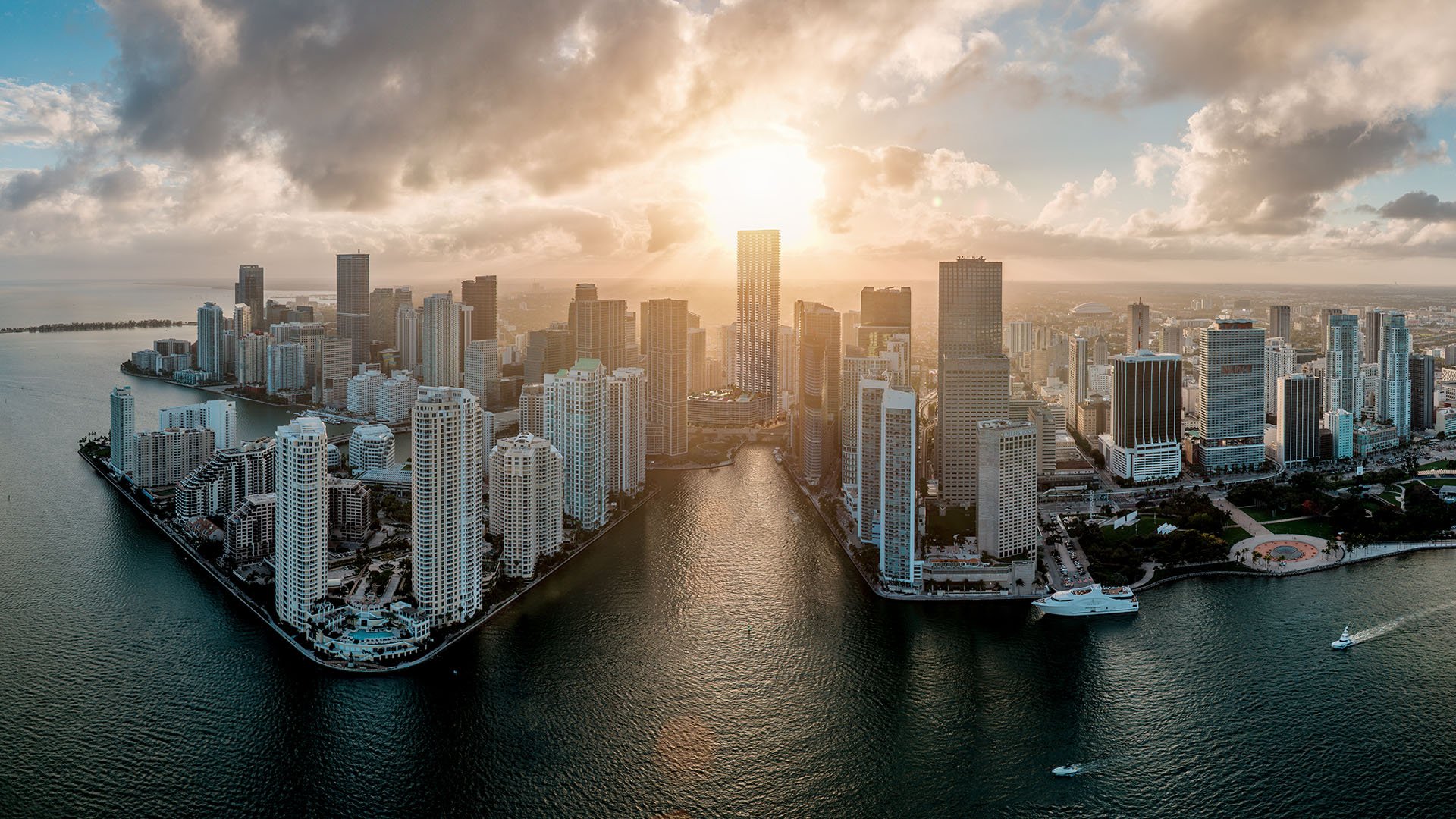
For buyers leaving large waterfront homes, the next purchase is rarely a simple change of address. It is a recalibration of lifestyle, exposure, privacy, maintenance, family logistics, and global capital planning. In South Florida, where many premium buyers are internationally connected, the closing timeline can become as important as the residence itself.
A buyer moving out of a waterfront estate may be coordinating a home sale, a condominium or lock-and-leave purchase, banking across jurisdictions, international travel, family school calendars, domestic staff transitions, and the disposition of furnishings, boats, cars, or art. If a foreign-buyer closing timeline is misunderstood, even a polished deal can become unnecessarily tense before closing.
The strongest buyers do not wait until a contract is circulated to address timing. They map the sequence before signing. That means understanding how deposits will be delivered, how identity and entity documents will be reviewed, how signatures will be completed, how funds will move, and whether the desired closing date is realistic for everyone involved.
A large waterfront home carries a different operational footprint than a condominium. There may be dockage considerations, landscaping, security systems, insurance renewals, service contracts, household employees, storage, and high-value personal property. Even when a buyer is emotionally ready to simplify, the actual transition may require careful staging.
This is especially true when the next purchase is in a more vertical, service-driven environment such as Baccarat Residences Brickell or 2200 Brickell. The decision may be lifestyle-led, but the closing must still be operationally sound. A buyer selling a waterfront estate and buying in Brickell needs a plan for liquidity, possession, temporary housing if needed, and the timing of wires and signatures.
The core issue is not whether the buyer is qualified. It is whether the transaction calendar reflects the buyer’s real-world logistics. In luxury real estate, certainty is its own form of leverage.
International buyers often need additional lead time for documents and fund movement. That does not make the process inherently difficult. It means the timeline should be built with precision rather than optimism.
Before signing, a buyer should confirm who will take title, whether the purchase will be personal or through an entity, who is authorized to sign, where the signatory will be during the contract period, and whether any documents must be notarized, apostilled, translated, certified, or approved by counsel. These details may sound administrative, but they can determine whether a closing date feels elegant or strained.
The deposit schedule deserves the same level of attention. A buyer should know where funds are held, how quickly they can be released, whether transfers require multiple approvals, and whether holidays or banking cutoffs in another country could affect delivery. A contract can be beautifully negotiated and still be vulnerable if the deposit mechanics are assumed rather than confirmed.
In South Florida’s premium market, sellers and developers value certainty. A buyer who presents a clean timeline may stand apart from one who simply offers speed. The distinction matters. A fast closing date is valuable only if it can be executed.
For foreign buyers, banking realities may include internal compliance review, exchange approvals, account authorization steps, or coordination between private bankers and escrow parties. None of these should be treated as afterthoughts. They belong in the conversation before a buyer signs.
The same discipline applies to buyers considering oceanfront or coastal new development. A move from a private waterfront home into a residence such as The Perigon Miami Beach or Bentley Residences Sunny Isles may feel like a lifestyle simplification, but the purchase process still requires exact coordination. Miami Beach and Sunny Isles buyers frequently prize discretion, and discretion is best protected by preparation.
Pre-construction and new-construction purchases often involve a longer arc than a resale purchase. The buyer may sign now, fund deposits over time, and close later when the residence is ready. For a buyer leaving a large waterfront property, that structure can be attractive because it offers planning runway. It can also create complexity if the buyer’s existing home sale, currency planning, tax review, and family relocation are not aligned.
The prudent approach is to treat the first signature as the beginning of an organized timeline, not as a placeholder. Buyers should understand how deposit obligations are scheduled, when additional approvals may be required, what documents must remain current, and how the final closing phase will be handled. If the buyer’s circumstances change during the development timeline, early advisory coordination can prevent avoidable pressure.
For those evaluating a more private branded environment outside Miami’s urban core, The Residences at Mandarin Oriental Boca Raton may appeal to buyers who want service and permanence without the day-to-day obligations of single-family homes. The lifestyle case may be clear, but the closing calendar should still be modeled carefully.
In many luxury transactions, the other party is also coordinating a sophisticated transition. A seller may be purchasing elsewhere, moving internationally, renovating a future residence, or timing a family relocation. When a foreign buyer asks for flexibility after signing, the request can affect more than paperwork. It can affect trust.
This is why timing conversations should be direct before contract execution. If a buyer needs additional time for funds, signatures, entity approvals, or travel, that should be reflected in the deal structure. Luxury sellers are often receptive to serious buyers, but they are less receptive to uncertainty that appears late.
A well-prepared buyer can explain the timing, provide confidence, and avoid drama. The objective is not to disclose private details unnecessarily. It is to create a transaction that feels composed from the first draft to the final closing statement.
The advisory circle should be assembled early. Real estate counsel, tax counsel, private banking contacts, wealth advisors, and the buyer’s real estate representative should understand the same calendar. Each professional may see a different risk. The buyer benefits when those risks are reconciled before a deadline appears.
A practical pre-signing review should cover title structure, deposit sourcing, wire readiness, signing authority, document formalities, insurance timing, closing statement review, and post-closing possession. If the buyer is also selling a waterfront home, the team should discuss whether sale proceeds are needed for the purchase, whether bridge liquidity exists, and how much time is required between closings.
In the ultra-premium segment, the question is not simply, “Can this close?” The better question is, “Can this close without unnecessary friction?” That is the standard sophisticated buyers should expect.
Leverage is strongest before signing. Once a buyer is under contract, missed assumptions can become negotiating vulnerabilities. If funds are delayed, documents are incomplete, or signatories are unavailable, the buyer may need extensions, and extensions can come with cost, stress, or reduced negotiating power.
The solution is a disciplined closing timeline prepared before the offer becomes binding. Confirm the buyer’s exact name or entity, the source and location of funds, the likely path of wires, the expected signing method, and the availability of decision-makers. Then compare that timeline against the contract obligations.
For buyers leaving large waterfront homes, this is not bureaucracy. It is lifestyle protection. A graceful move into a serviced residence should not be compromised by avoidable administrative friction.
Why should a foreign-buyer timeline be discussed before signing? Because contract dates create obligations. If funds, documents, or signatures require international coordination, the timeline should be realistic from the outset.
Is a foreign buyer always slower to close? Not necessarily. A foreign buyer can close efficiently when banking, documentation, and signing authority are prepared in advance.
What is the biggest risk for buyers leaving waterfront homes? The largest risk is assuming the sale, move, funding, and purchase will align automatically. Each step should be placed on one calendar.
Should deposits be planned before an offer is made? Yes. Buyers should know where deposit funds are held, who must approve transfers, and how quickly wires can be completed.
Can pre-construction help with timing? It can provide planning runway, but it also requires discipline because deposit and closing obligations may extend over a longer period.
Does title structure affect timing? It can. If an entity, trust, or multiple signatories are involved, the required documents and approvals should be reviewed early.
What if the buyer is traveling during the contract period? Travel should be built into the signing plan. Buyers should confirm how documents will be executed before deadlines arrive.
Should a buyer sell the waterfront home before buying? That depends on liquidity, risk tolerance, and lifestyle needs. The key is to understand whether sale proceeds are required for the next closing.
How can buyers reduce closing friction? They can align counsel, banking contacts, advisors, and their real estate representative before signing rather than after a deadline appears.
What is the best way to shortlist comparable options for touring? Start with location fit, delivery status, and daily lifestyle priorities, then compare stacks and elevations to validate views and privacy.
If you'd like a private walkthrough and a curated shortlist, connect with MILLION.
If branded residences are on your mind — as a home or as an allocation — we would be glad to share what we are seeing, privately.
Begin a quiet conversation