For buyers comparing two distinctive residential addresses, storm resilience belongs beside design and service in the purchase decision. Mechanical elevations, documented emergency-power coverage, and recovery obligations offer a more useful basis for diligence than branding alone.
The most consequential features of a coastal residence are not always visible during a private presentation. Beyond the view, finishes, and service offering lie essential questions: where critical equipment sits, what remains powered during an outage, and how the building prepares to restore normal operations.
For buyers considering The Ritz-Carlton Residences® South Beach and The Surf Club Four Seasons Surfside, those questions deserve a place alongside architecture and lifestyle. Neither a luxury name nor a high residential floor establishes protection for the systems that support daily occupancy.
The comparison is not about which brand sounds more reassuring. It is about which protections can be documented, which services they support, and what responsibilities remain with the owner. No property-level resilience ranking between these two addresses is established here.
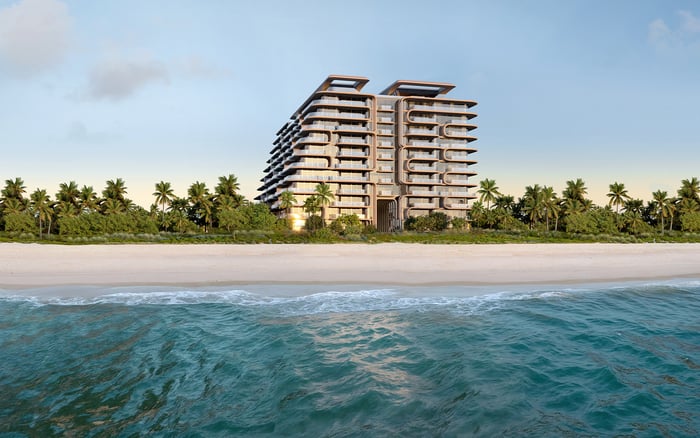
In August 2025, the Ritz-Carlton South Beach residential proposal called for a 15-story tower with 30 residences. That historical description represents a development plan, not evidence of a completed building with verified operating performance.
The development site includes the existing Sagamore and Ritz-Carlton South Beach hotels at 1671 Collins Avenue and 1 Lincoln Road. September 2025 plans contemplated transforming the 101-key Sagamore into a 55-room Ritz-branded hotel alongside the condominium.
For buyers, the key question concerns infrastructure: which residential services are intended to operate independently, and which, if any, will depend on existing hotel equipment? The review should identify electrical distribution, water pumping, cooling, telecommunications, and emergency power wherever a shared dependency is proposed. Do not assume those dependencies exist, but do not leave the question unresolved.
For planned systems, request approved drawings and contractual specifications, followed by confirmation of what is delivered. Where installed systems are available for review, request as-built drawings, testing records, and maintenance documentation. Design intent and demonstrated performance answer different questions.
A residence's elevation does not establish the elevation of its electrical rooms, pumps, generators, or cooling equipment. Buyers should ask their engineer to trace the supporting systems rather than stop at the apartment's threshold.
Base Flood Elevation, or BFE, is a regulatory reference used in Miami Beach for building elevation, floodproofing, and protection of systems and utilities. The 2020 Florida Building Code flood framework includes provisions using BFE plus one foot or the design flood elevation, whichever is higher. Applicability depends on the building and flood-zone classification.
That historical framework does not replace confirmation of the code edition governing the permit and the adopted local requirements. Nor should Miami Beach provisions be treated as establishing requirements in Surfside.
Request an elevation certificate, survey, and engineering drawings identifying the applicable flood elevation and vertical datum-the reference system used to measure height. Then request equipment elevations expressed on that same basis. Include electrical rooms, generators, chillers, pumps, and telecommunications equipment, paying particular attention to anything in garages or lower-level enclosures.
For a broader Miami Beach shortlist that includes The Perigon Miami Beach, apply the same document request. This is a consistent evaluation standard, not a claim that different buildings share the same engineering or protection.
Redevelopment requires a careful distinction between newly designed infrastructure and retained equipment. Miami Beach's September 2022 first-reading resilience proposals contemplated placing critical mechanical and electrical systems above BFE in new construction. For redevelopment, relocation was qualified by the phrase “whenever practicable and economically reasonable.”
That distinction warrants precise questions; it does not establish an installed elevation or a present-day project requirement. At the South Beach development, buyers should request a clear account of retained, relocated, and newly installed systems, along with responsibility for maintaining each.
For the Surf Club, the inquiry should be equally specific, without importing assumptions from Miami Beach. Ask for the property's own elevation documentation, applicable approvals, and an engineering explanation of critical-system protection. Neither its mechanical elevations nor its emergency-power specifications should be presumed from its identity.
“Backup power” is not a complete specification. Buyers should establish whether the proposed or installed system supports life safety only, selected building services, or any meaningful portion of in-residence use.
Request the backed-up load schedule, generator capacity, fuel storage, and runtime at the stated load. A runtime figure without its associated operating load leaves an important question unanswered. Ask for refueling arrangements and, where available, maintenance and testing records.
The service-level discussion should be explicit:
Which elevators, if any, remain available under emergency power?
Are domestic-water pumps supported, and under what operating conditions?
Does backup extend to common-area HVAC or in-residence cooling?
Which residential outlets or telecommunications systems, if any, are included?
Keep the answers separate. Confirmation that one service is supported does not confirm support for the others. Likewise, generator capacity alone does not establish that every desired load is connected or that the supporting equipment is protected from flooding.
For an owner evaluating extended stays or seasonal use, the relevant distinction is between emergency functions and the conditions needed for comfortable occupancy. Neither should be assumed to guarantee uninterrupted post-storm use.
Resilience diligence should extend beyond equipment specifications to the practical and financial arrangements for recovery. Request storm-response procedures, assigned responsibilities, and the process for communicating service restrictions and restoration updates to owners.
The financial review should include equipment-replacement reserves, insurance terms, deductibles, claims history, and any storm-related assessments. Ask who bears the costs associated with shared infrastructure and whether the governing agreements clearly allocate maintenance and replacement obligations.
These matters call for a joint review by the buyer's engineer, insurance adviser, and counsel. Branding and purchase price do not establish lower premiums, above-code protection, or freedom from future assessments. A satisfactory answer is a documented allocation of risk, not a general assurance that the building is well managed.
The strongest purchase review brings three files together: elevation and engineering records, emergency-power specifications, and recovery and financial obligations. Each should distinguish proposed protections from installed conditions and identify questions that require professional confirmation.
For either address, the objective is not to eliminate every uncertainty. It is to understand which services are protected, where that protection ends, and what obligations accompany ownership. That clarity belongs in an ultra-premium purchase decision as much as the residence itself.
For a discreet conversation about your South Florida residential search, connect with MILLION.
If branded residences are on your mind — as a home or as an allocation — we would be glad to share what we are seeing, privately.
Begin a quiet conversationNo property-level resilience ranking is established here. A meaningful comparison requires each property's engineering documentation and emergency-power specifications.
The August 2025 description was a plan for a 15-story, 30-residence tower, not confirmation of a completed building with verified operating performance.
The development site includes existing hotels. Buyers should determine whether any residential services depend on retained hotel systems and how those dependencies would be protected.
No. The residence's floor height does not establish the elevation or protection of the equipment supporting electricity, water, cooling, and other services.
BFE is a regulatory reference used for elevation and protection requirements. An engineer should confirm its applicability and compare equipment elevations using the same vertical datum.
No. The historical 2020 code framework includes such provisions, but the permit-governing edition, flood-zone classification, and adopted local requirements must be checked.
No. Surfside requirements and the property's applicable approvals must be evaluated separately from Miami Beach provisions.
No such coverage is established for either property here. Buyers should request a load schedule identifying whether residential cooling and outlets are included.
Request generator capacity, fuel storage, runtime at the stated load, and refueling arrangements. Maintenance and testing records help evaluate installed-system performance where available.
Review equipment-replacement reserves, insurance terms, deductibles, claims history, and any storm-related assessments. Shared-system agreements should clarify maintenance and replacement obligations.