
A buyer-focused framework for evaluating The Delmore’s flood-loss disclosures, below-grade equipment protection, insurance arrangements, and operational recovery plans before committing to a residence.
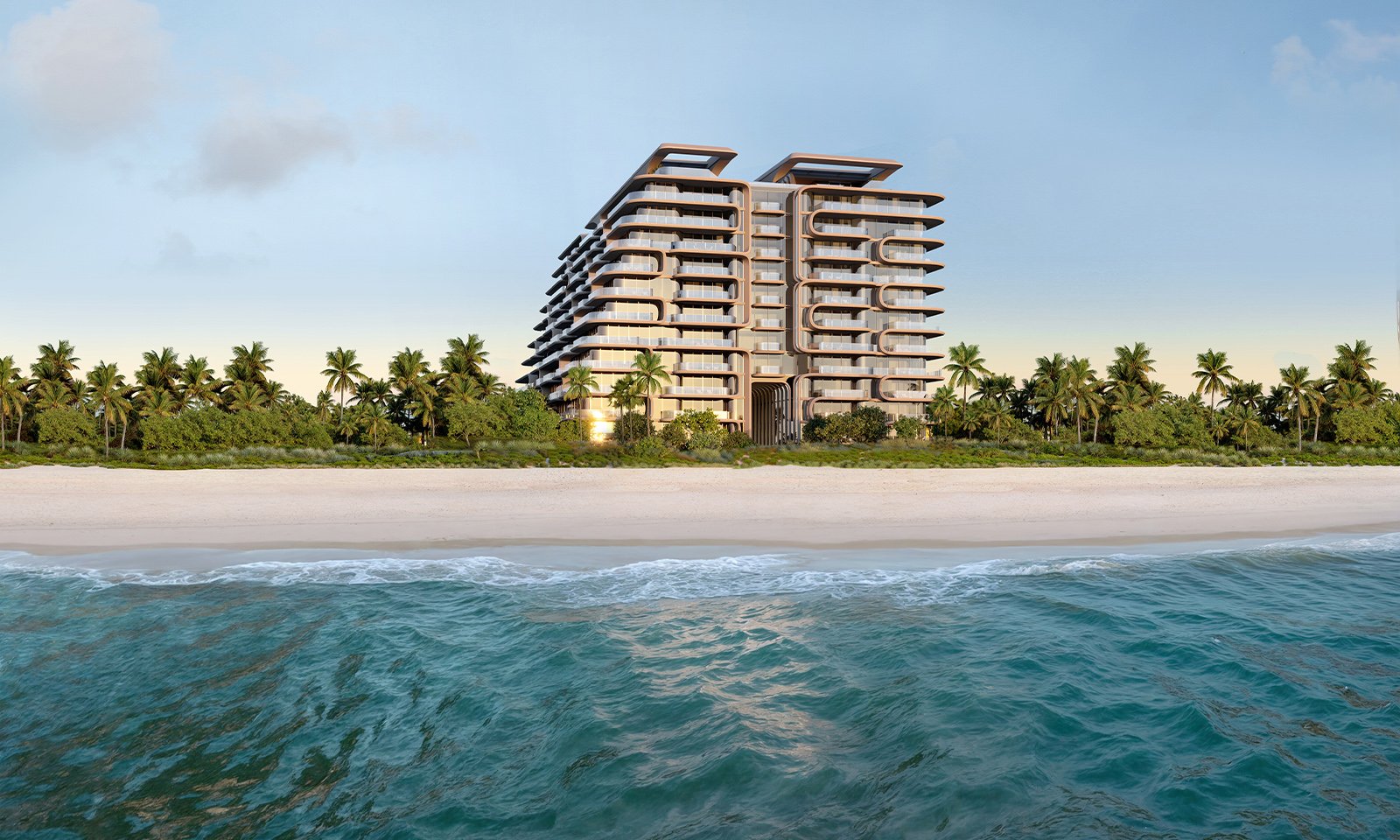
At The Delmore Surfside, the purchase decision calls for a conversation beyond architecture, ocean views, and residential service. Planned for 8777 Collins Avenue in Surfside, the DAMAC International development comprises 12 stories and 37 residences. Its advertised private, temperature-controlled garages make below-grade protection particularly relevant to ownership.
The site was formerly occupied by Champlain Towers South, which collapsed on June 24, 2021, killing 98 people. That history warrants respectful, exacting diligence. It is not evidence of a defect in The Delmore’s new design, nor a substitute for reviewing the new building’s engineering and insurance documents.
The essential distinction is between what is advertised, what is documented, and what remains unestablished. Before committing, buyers should seek a written record covering flood claims, equipment elevations, insurance, and recovery procedures. A polished presentation cannot answer those questions.
A project-specific flood-claims ledger is not provided. That absence should not be interpreted as confirmation that no claims exist.
Ask for written disclosure separating three categories: losses associated with the former property, claims arising during redevelopment and construction, and the future association’s claims record once it exists. These categories cover different periods and potentially different insured parties. Combining them into a single reassuring statement obscures exposure rather than clarifying it.
The request should address builder’s-risk claims, water-intrusion incidents, notices of circumstance, remediation records, and insurer correspondence. Each response should identify the period covered and the entity making the disclosure. Where records are unavailable, seek a written explanation of the limitation rather than accepting an unqualified claim-free assurance.
Frequent basement-garage flooding at Champlain Towers South was a historical condition that can contribute to reinforcement corrosion and concrete deterioration. Technical findings from June 2026 described the start of that building’s failure at pool-deck connections involving garage columns. Neither point establishes how The Delmore’s new structure will perform; both reinforce the importance of project-specific engineering review.
The Delmore’s advertised private, air-conditioned three-car garages raise a question beyond vehicle comfort: could water exposure interrupt the systems that make the residence usable?
Request drawings locating electrical distribution equipment, elevator machinery, pumps, HVAC controls, generators, and EV chargers relative to the design flood elevation. Have a coastal-structural engineer assess the documentation rather than relying on a general assurance that the garage is protected.
The review should also cover waterproofing specifications and warranties, drainage calculations, pump redundancy, and the power supply supporting drainage during an outage. Ask how water intrusion would be detected, who receives the alert, and who is authorized to respond.
For buyers also considering Ocean House Surfside, the same document requests provide a useful comparison framework. They do not imply equivalent garage layouts or protection standards; each property requires its own evidence.
Surfside’s approval of The Delmore’s foundation permit was disclosed in August 2025. Below-grade work included deep-soil mixing intended to stabilize the soil and create a watertight perimeter around the basement. At that time, mixing was more than 30 percent complete, with completion expected that fall.
The method was described as avoiding the vibration and water-table impacts associated with traditional pile driving, with real-time quality control during mixing. Those construction details matter, but they do not guarantee structural performance or post-flood operability.
Ask for current engineering documentation and quality-control records relevant to the completed work. A watertight-perimeter concept does not, by itself, resolve questions about openings, drainage, equipment placement, maintenance, or emergency power.
Similarly, the reference to LEED Silver concerns sustainability, not a documented flood-protection or business-continuity standard. Keep those evaluations separate.
Construction was reportedly halted as of June 23, 2026 because DAMAC could not obtain required construction insurance. That dated information does not establish the project’s current construction status. Buyers should request updated written confirmation of both status and applicable coverage.
The construction-insurance issue does not establish the availability or terms of the future condominium association’s permanent insurance program. These are separate inquiries; neither should be answered through assumptions about the other.
Obtain current construction-insurance evidence and the proposed association policy schedule. An insurance adviser should examine limits, deductibles, exclusions, treatment of below-grade equipment, and any business-interruption coverage. Request the replacement-cost appraisal supporting proposed property limits.
Ask who bears costs that insurance does not reimburse and how responsibilities are divided between private garages and common elements. Check that allocation against the offering documents and purchase agreement rather than inferring it from the word private.
Advertised amenities include concierge service, valet parking, private elevator lobbies, climate-controlled storage, and EV charging. They describe the intended experience, not how operations would continue after flooding or a prolonged utility interruption.
Request written procedures for the loss of elevators, garage access, power, cooling, water, communications, or security. The plan should identify backup-power arrangements, emergency communications, vendor contacts, resident-access procedures, data recovery, and water-remediation arrangements.
Ask management to explain the practical sequence: who assesses the incident, who contacts residents, which services remain available, and what must occur before normal access resumes. Distinguish proposed procedures from arrangements already documented or tested.
When considering The Surf Club Four Seasons Surfside alongside The Delmore, evaluate continuity documentation independently of the residential service proposition. A compelling hospitality experience and a documented recovery plan answer different ownership questions.
Public completion estimates differ: an August 2025 estimate anticipated 2029, while another indicated approximately 2030. Neither is a contractual delivery commitment.
Have a Florida condominium attorney review delivery deadlines, extension provisions, refund rights, casualty language, and garage or common-element responsibilities. Pair that review with a coastal-structural engineer’s assessment and an insurance adviser’s analysis. The objective is a coordinated understanding of what is promised, protected, and recoverable.
Buyers comparing Fendi Château Residences Surfside can apply the same discipline without assuming identical obligations or building systems. The strongest decision rests on property-specific records, not neighborhood prestige alone.
Proceed with clarity about unresolved items and the contractual significance of each. In a purchase of this caliber, discretion should coexist with insistence on written answers.
Explore South Florida’s exceptional residences with MILLION.
If branded residences are on your mind — as a home or as an allocation — we would be glad to share what we are seeing, privately.
Begin a quiet conversationThe Delmore is planned at 8777 Collins Avenue in Surfside, on the former Champlain Towers South site. The proposed DAMAC International development comprises 12 stories and 37 residences.
No. The Champlain Towers South collapse is the site’s history, not evidence of a defect in The Delmore’s new design.
The project factsheet does not provide a project-specific flood-claims ledger. Buyers should request written disclosures distinguishing prior-site losses from redevelopment and construction claims.
The factsheet advertises private, temperature-controlled garages for each residence. Developer publicity describes private, air-conditioned three-car garages.
Request drawings showing electrical equipment, elevator machinery, pumps, HVAC controls, generators, and EV chargers relative to the design flood elevation. The supplied information does not establish final equipment elevations.
No. The method was intended to stabilize soil and create a watertight basement perimeter, but it does not guarantee structural performance or post-flood operability.
No. The factsheet presents LEED Silver as a sustainability feature, not a documented flood-protection or business-continuity standard.
Construction was reportedly halted as of June 23, 2026 because required construction insurance could not be obtained. That dated information does not confirm current status; buyers should obtain an updated written response.
Request procedures for interruptions to elevators, garage access, power, cooling, water, communications, and security. Ask for backup-power details, emergency contacts, access procedures, and remediation arrangements.
No. Public estimates include 2029 and approximately 2030, neither of which establishes a contractual delivery commitment. An attorney should review deadlines, extensions, and refund rights.
.jpg&width=700&height=438&fit=cover)