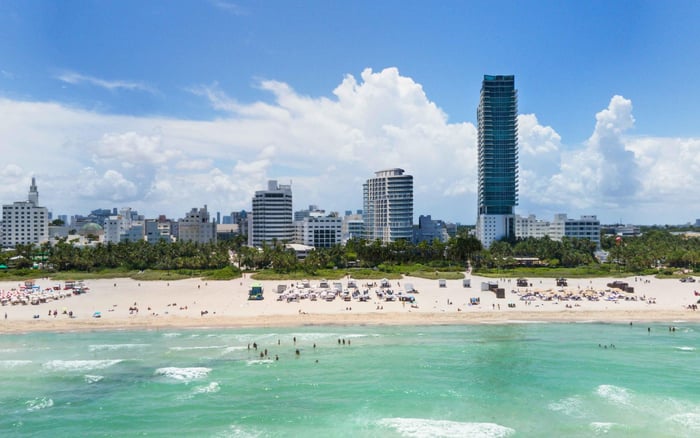
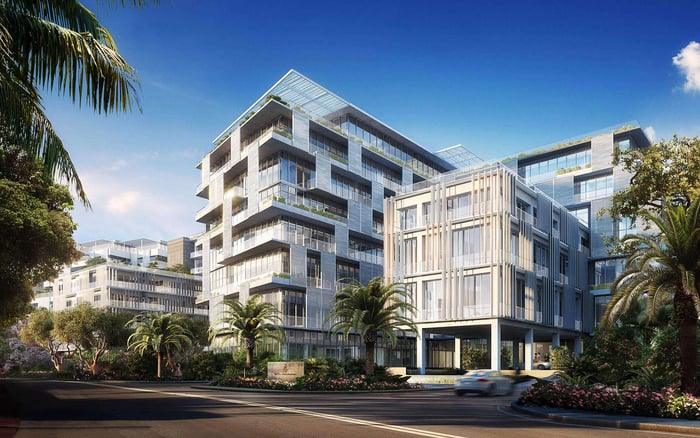
A South Beach closing should account for more than the residence itself. Examine neighboring development rights, the legal basis of a view, construction logistics, and unit-specific noise exposure before committing to an oceanfront purchase.
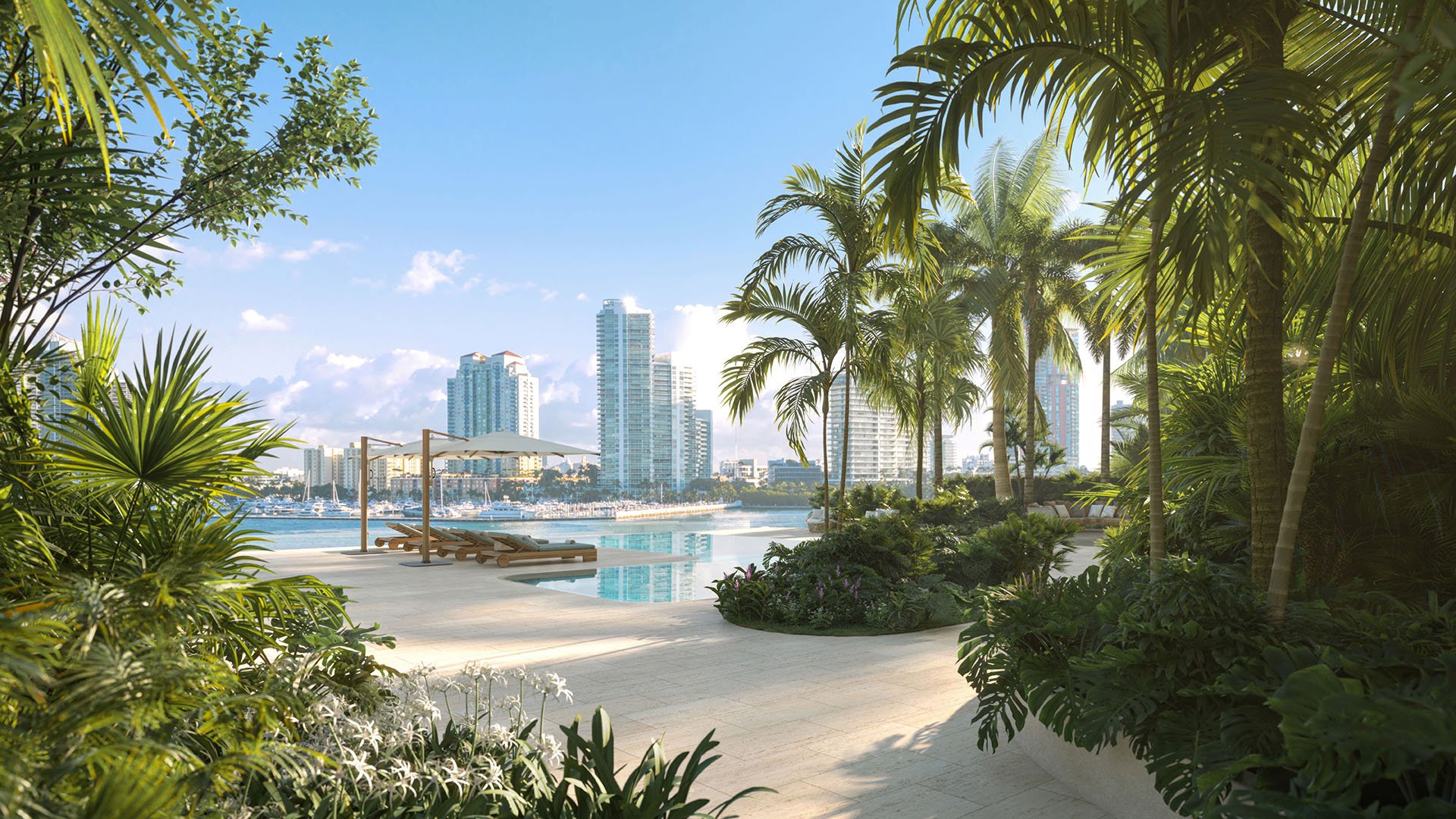
In South Beach, a compelling purchase can begin with an ocean horizon, a generous terrace, and the promise of effortless arrival. Closing readiness requires a less visible investigation: what neighboring owners may build, whether the outlook has legal protection, and how construction could affect daily life. The residence and its surroundings warrant separate diligence.
A quiet showing is not evidence of a quiet construction cycle. Nor does an open view establish a right to preserve it. For a buyer purchasing privacy, outdoor living, or a seasonal retreat, these distinctions belong in the decision before closing-not in a conversation after possession.
The objective is not to eliminate every uncertainty. It is to distinguish documented rights from assumptions, temporary disruption from permanent change, and contractual protection from reassurance.
When evaluating the Collins Avenue corridor, request current project documentation rather than relying on an announced schedule. Buyers considering Shore Club Private Collections Miami Beach should distinguish projected milestones from contractual completion commitments.
The same approach applies to The Ritz-Carlton Residences® South Beach: ask which construction milestones are documented, how recently the information was updated, and what uncertainties remain. A delivery estimate alone does not establish the timing or intensity of neighboring disruption.
For a buyer evaluating Setai Residences Miami Beach, examine the specific residence, its orientation, and relevant neighboring parcels rather than drawing conclusions from an address alone. Project timelines do not establish unit-specific noise, crane visibility, or access disruption. Request current construction-phase information before using those timelines to plan occupancy.
An announced project is only part of the picture. Ask a land-use professional to review neighboring parcels’ permitted development envelopes, pending applications, approved plans, variances, historic restrictions, and permit expiration dates. Do not exclude a parcel without an active construction site simply because it looks settled today.
Separate three questions: what the rules permit, what has been approved, and what is being built. Those answers should not become a single assurance that the neighborhood is finished. Request the documents supporting each conclusion, including any conditions affecting the approved design.
Keep the investigation jurisdiction-specific. Use Miami Beach parcel-level zoning and entitlement information rather than assuming that another municipality’s mapping resources or procedures apply. A familiar map interface does not make its information applicable across municipal boundaries.
The closing file should identify which parcels matter to the purchase and why. Prioritize those aligned with principal windows, outdoor spaces, and arrival routes, then ask whether unresolved applications warrant further review before committing.
Evaluate a view both visually and legally. Ask counsel to distinguish recorded easements or covenants, contractual rights, and zoning restrictions from nonbinding marketing representations. Each may address a different issue; none should be assumed to guarantee an unchanged panorama without examining its language.
An ocean-facing photograph records a condition at a moment in time. A rendering presents the proposed residence. Neither, by itself, establishes enforceable protection against neighboring development. The inquiry should remain parcel-specific and document-led rather than assuming a comprehensive protected-view map resolves the question.
Ask the design team or an appropriate professional to compare the residence’s sightlines with neighboring permitted and approved development envelopes. Include the outlook from seated positions and principal interior rooms, not only the terrace edge. If a view is central to the price you are prepared to pay, identify the legal and physical assumptions supporting that value before closing.
The completed development and its construction footprint are different subjects. Request project-specific crane approvals, staging information, traffic plans, sidewalk closures, right-of-way permissions, delivery schedules, and construction-phase updates. Establish which documents are approved, which remain provisional, and who can provide subsequent changes.
Review arrival as carefully as outlook. Ask how planned work could affect pedestrian access, vehicle circulation, and routine deliveries. A buyer comparing Apogee South Beach with other South Beach residences should apply the same property-specific framework without assuming that every building shares the Collins Avenue projects’ exposure.
Ask which approvals govern crane setup, material deliveries, traffic management, and construction noise at the relevant site. Do not assume that permission for one activity authorizes another, or substitute another municipality’s procedures for applicable Miami Beach requirements.
Visit the residence and amenity deck at different times, where access permits. Assess the spaces where you expect to spend time: bedrooms, work areas, outdoor seating, and arrival points. Compare conditions with doors open and closed, and ask which construction phase was underway during each visit. One inspection cannot represent every future phase.
Confirm the applicable Miami Beach construction-noise requirements, including permitted hours, zoning considerations, and any relevant seasonal distinctions. Obtain the current rules rather than treating a quoted interval as a universal schedule.
Request any project-specific exceptions and clarification of the applicable requirements. Procedures from another municipality should not be presumed to govern South Beach. Compliance and personal comfort are separate questions: permitted work may still conflict with a buyer’s expectations for daytime rest, remote work, or outdoor entertaining.
Before closing, ask counsel to review construction disclosures, condominium records, representations that survive closing, and any negotiable delay or termination rights. Identify whether assurances about neighboring work, views, or access appear in binding documents or only in sales conversations. Do not assume a remedy exists without examining the agreement.
Consolidate outstanding questions into a short decision file: relevant parcel rights, view protections, current logistics, applicable noise rules, and unresolved contractual issues. Refresh time-sensitive information near closing. The essential test is whether the documented conditions support the way you intend to use the residence.
For a considered approach to South Beach ownership, explore exceptional residences with MILLION.
If branded residences are on your mind — as a home or as an allocation — we would be glad to share what we are seeing, privately.
Begin a quiet conversationIt may affect views, outdoor use, and access. Review both active projects and neighboring development rights rather than relying on conditions during a showing.
Request current documentation and distinguish estimates from contractual completion commitments. A timeline alone does not establish unit-specific disruption.
Request permitted development envelopes, pending applications, approved plans, variances, historic restrictions, and permit expiration information. Ask a land-use professional to explain their implications for the residence.
No protection should be assumed from the view alone. Counsel should review recorded easements or covenants, contractual rights, and relevant zoning restrictions.
Photographs show an existing outlook but do not, by themselves, establish enforceable protection. Review the documents and neighboring development envelopes supporting any view assurance.
Request project-specific crane approvals, staging information, traffic plans, sidewalk closures, right-of-way permissions, delivery schedules, and construction-phase updates.
Obtain current Miami Beach requirements for the relevant site and ask about zoning considerations, seasonal distinctions, and project-specific exceptions. Do not assume a quoted schedule applies universally.
No such applicability should be assumed. Establish the relevant Miami Beach requirements and any project-specific exceptions.
Inspect the residence and amenity deck at different times, compare conditions with doors open and closed, and ask which construction phase is underway. A single visit does not establish future exposure.
Counsel should review construction disclosures, condominium records, surviving representations, and any negotiable delay or termination rights. Assurances about views and access should be checked against binding documents.