A buyer-focused framework for evaluating The Perigon’s façade maintenance, balcony waterproofing, permit records, and wind-driven-rain representations without confusing design intent with demonstrated performance.
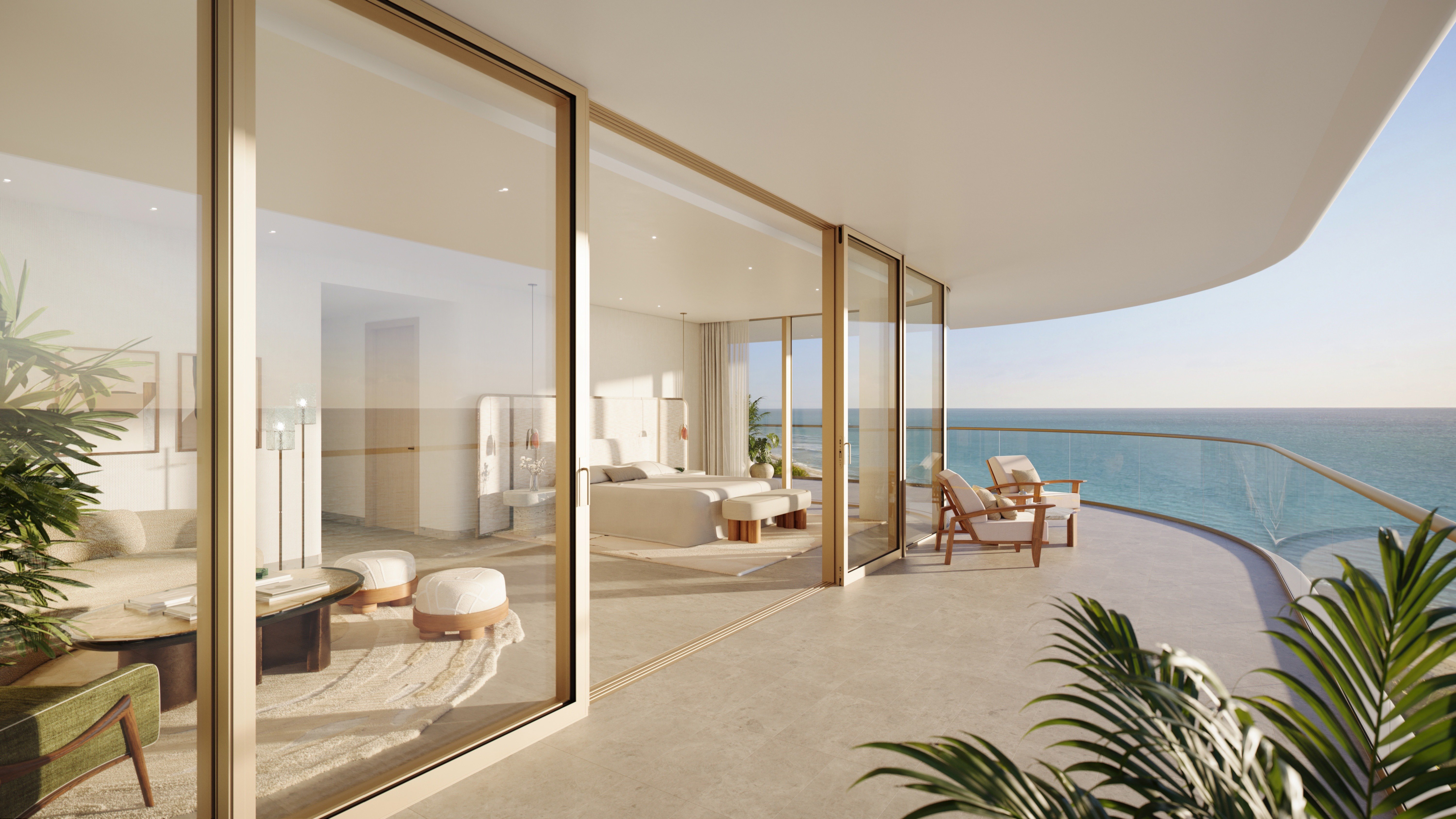
For an oceanfront residence, confidence should extend beyond the view to the documents behind the façade. At The Perigon Miami Beach, decision-grade due diligence means separating architectural ambition, approved construction details, and demonstrated performance. Each belongs in the purchase conversation; none substitutes for another.
The Perigon is an oceanfront condominium project in Miami Beach, identified as pre-construction rather than a verified completed building. Its occupied building mass is described as elevated approximately 45 feet above grade in response to flood-mitigation requirements and coastal regulations. That elevation provides meaningful design context, not proof of façade watertightness or balcony performance.
The available project information establishes neither a leak history nor a defect-free envelope. Buyers should approach sealant cycles, waterproofing, and wind-driven-rain claims as questions requiring project-specific answers-not settled conclusions.
Start by distinguishing proposed details from approved details, installed work, and inspected work. Improvements, design, and construction remain dependent on appropriate federal, state, and local permits and approvals. A polished presentation does not confirm that every illustrated condition has reached the same approval or construction stage.
Request a dated document register identifying the current envelope drawings, specifications, relevant permits, revisions, and available inspection records. Ask the project team to distinguish materials describing intended work from records documenting completed work. Where testing is planned rather than complete, request its anticipated scope and the process for receiving results when available.
This distinction also sharpens comparisons. If 57 Ocean Miami Beach enters the same purchase conversation, compare the evidence available for each property rather than transferring assumptions about maintenance or construction performance between them.
No verified Perigon-specific sealant replacement interval is established here. Assigning a standard number of years would create false precision. The more useful question is which project documents will govern inspection, maintenance, and eventual replacement.
Request the specified sealant products, applicable installation requirements, joint details, and written maintenance guidance. Ask the responsible design professional to identify the conditions those documents address and the inspection criteria intended to trigger corrective work. A replacement forecast should rest on an identifiable technical basis, not a sales estimate.
The commercial questions deserve equal attention. Who is expected to arrange inspections? Which documents allocate maintenance responsibility? What access arrangements would work at different façade locations require? Request written answers without presuming the eventual association’s obligations or budget.
If a future maintenance allowance is presented, have an adviser distinguish the assumed cycle from the supporting specification. A financial model can accommodate uncertainty; it should not disguise uncertainty as a confirmed service life.
Balcony diligence should focus on the proposed assembly and the records that will establish how it was executed. Request waterproofing details, product documentation, installation records where available, and the inspection trail for work concealed beneath finishes. Ask the design team to explain how the drawings address transitions at doors, edges, drains, and penetrations, without assuming that a particular system has been selected or installed.
In Miami Beach, an inspection is required before any part of construction is covered up. Concealed-work records are therefore especially relevant: finished surfaces alone cannot establish whether the underlying work was inspected at the required stage.
Request any specified flood-testing or other waterproofing verification procedures, along with completed results if available. For each result, ask which location was tested, when, what procedure was used, and whether follow-up work or retesting was required. Distinguish testing that has not yet occurred from a completed test with unresolved findings.
These requests do not imply a membrane failure. They establish a traceable connection between design, installation, inspection, and any verification performed. No Perigon-specific balcony membrane records or flood-test results are established in the available project information.
The word “claim” can describe a performance representation, a reported water-entry event, or a formal demand under a warranty or insurance policy. Establish which meaning is intended before evaluating the answer.
For performance representations, request the exact written language and supporting project-specific test documentation, if available. Ask an independent envelope specialist to review the test scope, locations, conditions, acceptance criteria, and any corrective work. A broad assurance is not equivalent to evidence for every opening or façade condition.
For alleged incidents, request a location-specific chronology and supporting records rather than relying on an unqualified statement that the building has-or has not-experienced leaks. Keep predecessor-site history separate from findings about the new Perigon project. Neither geography nor an older property’s history establishes performance here.
For warranty or insurance matters, have counsel review the actual terms, notice requirements, exclusions, and responsible parties before relying on coverage. No project-specific warranty terms, façade water-test results, corrective-work records, or wind-driven-rain claim history are established here. That calls for precise questions, not an inference of defects or immunity from them.
The relevant municipal jurisdiction is the City of Miami Beach, not the City of Miami. The typical permitting process in Miami Beach has four stages: application, plan review, permit issuance, and inspections. Before applying, applicants should determine whether Planning Board approval, departmental approvals, or additional permits are needed.
Use the city’s permit-search dashboard as a starting point, then request the underlying records needed to connect the relevant permit scope with inspection outcomes. Construction inspections check compliance with the Florida Building Code and applicable local codes; that purpose does not make them a substitute for project-specific maintenance instructions or warranty language.
If a private provider is involved, request the applicable inspection records. In Miami Beach, those records must be maintained on a form acceptable to the Building Official and posted at the construction site. This requirement does not establish which provider, if any, is involved at The Perigon.
Build a concise decision file with three categories: documented, awaiting clarification, and requiring specialist review. For every unresolved item, identify the requested document, responsible contact, and decision it could affect. Have counsel advise whether clarification should precede a contractual commitment and how any agreed disclosure obligations should be recorded.
The same discipline can frame a comparison with Faena House Miami Beach, without implying that either property shares the other’s systems, warranties, or performance history. The objective is comparable questions, not interchangeable answers.
A compelling residence deserves an equally considered acquisition. Seek a clear account of what is designed, approved, inspected, tested, and still pending. Let that evidence inform the purchase.
For a considered approach to South Florida’s finest residences, explore MILLION.
If branded residences are on your mind — as a home or as an allocation — we would be glad to share what we are seeing, privately.
Begin a quiet conversationThe project is identified as pre-construction, not as a verified completed building. Buyers should distinguish proposed, approved, installed, and inspected work.
No. The elevation relates to flood-mitigation requirements and coastal regulations, not demonstrated façade or balcony performance.
No verified project-specific interval is established here. Request specifications and maintenance guidance before relying on a replacement forecast.
Request assembly details, product documentation, available installation and concealed-work inspection records, and any specified testing procedures and completed results.
Miami Beach requires inspection before any part of construction is covered up. Those records help connect finished work with the required inspection stage.
The available project information establishes neither a Perigon-specific leak history nor a defect-free envelope. Document requests should not be interpreted as allegations of failure.
Request the precise written representation and any supporting project-specific testing documentation. Have an envelope specialist assess the scope and findings before drawing broader conclusions.
Use City of Miami Beach records, not City of Miami records. Miami Beach’s permit-search dashboard is a starting point for locating relevant approval and inspection information.
They are application, plan review, permit issuance, and inspections. Additional approvals or permits may need to be addressed before applying.
Miami Beach’s guidance requires inspection records on a form acceptable to the Building Official and posted at the construction site. This does not establish whether a private provider is involved at The Perigon.