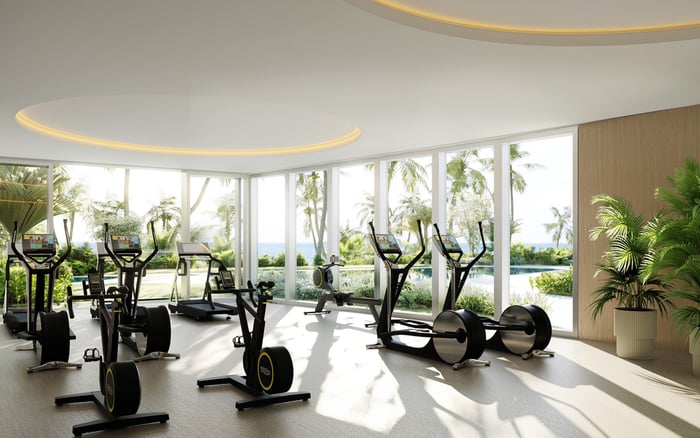
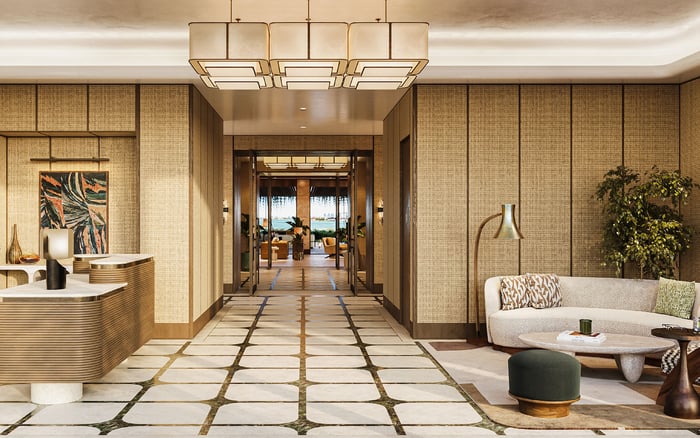
For serious collectors, guest parking is not a minor convenience. It affects art deliveries, advisors, installers, private dinners, valet discretion, and the rhythm of ownership in South Florida luxury condominiums.
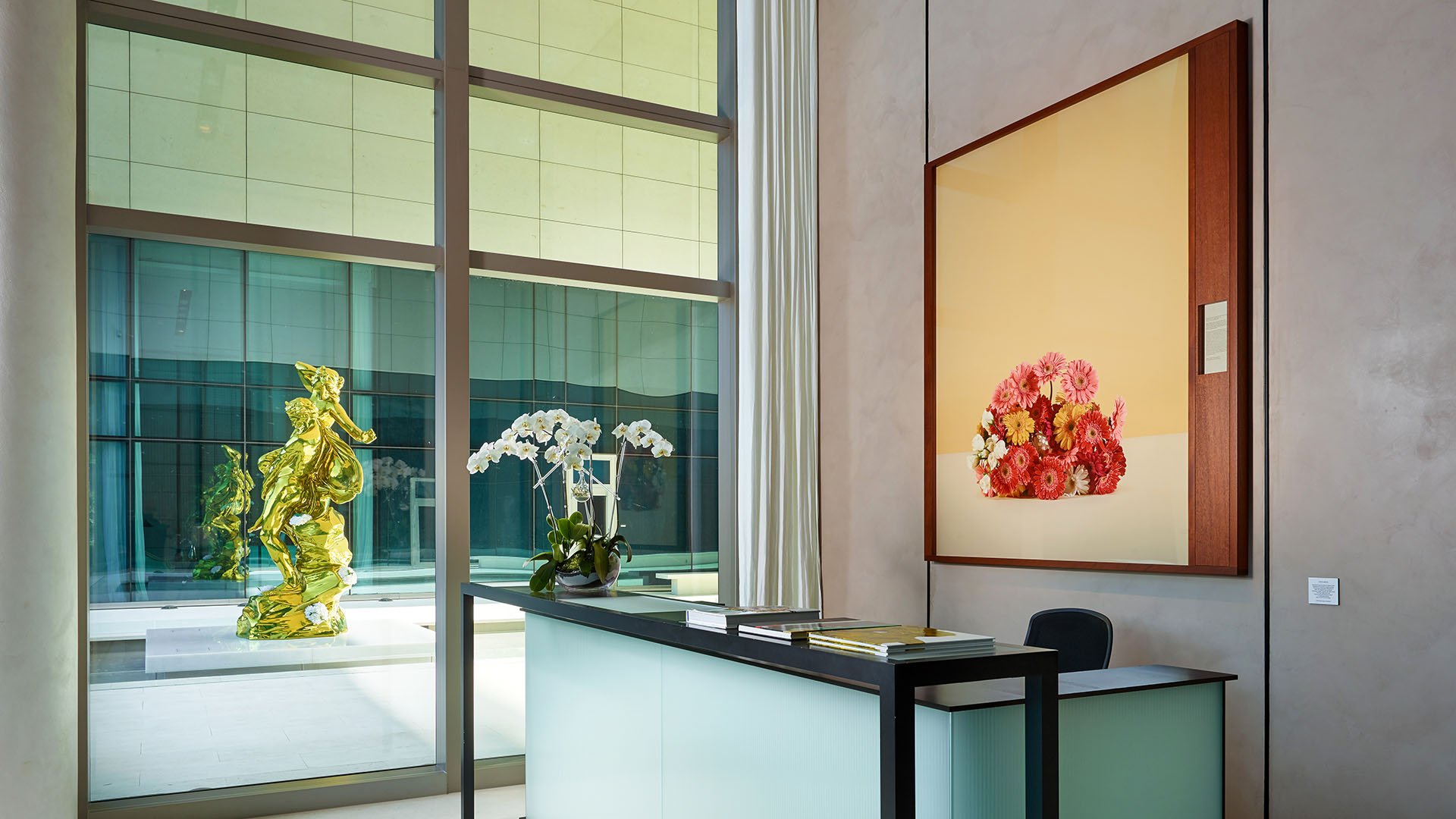
For an art collector, a South Florida residence is more than a place to live. It is a private salon, a receiving room, a storage environment, a social stage, and often the first stop for works moving among advisors, framers, installers, conservators, and seasonal homes. That is why guest parking deserves closer attention before signing.
In ultra-premium buildings, the question is rarely whether the lobby is beautiful. It is whether the arrival choreography supports the way you actually live. If your calendar includes advisors, dinner guests, private viewings, art handlers, caterers, security consultants, or family staying overnight, parking rules become part of the ownership experience. A magnificent residence can still feel awkward when every arrival requires negotiation.
Collectors create a different rhythm from a standard second-home owner. A quiet week may include a curator stopping by, a designer reviewing lighting, a photographer documenting a piece, or an installer making adjustments after a move. During peak art-season weeks, that pattern can intensify, with more visitors, more cars, and greater sensitivity around discretion.
Guest parking rules influence whether those movements feel seamless or conspicuous. A building may have a polished valet operation, but the details matter: visitor registration, time limits, overnight permissions, service entrance protocols, vendor credentials, loading access, and whether a guest can arrive without creating a public scene at the front desk.
This is especially important for collectors who value privacy. The fewer improvised conversations required at arrival, the better. Rules that look administrative on paper can affect confidentiality, timing, and even the emotional tone of hosting.
Before contract, ask to review the building’s current parking and access policies, not merely the marketing language around convenience. The goal is to understand how a guest, vendor, or delivery professional is treated from curb to elevator.
Clarify whether guest spaces are self-park, valet-managed, or subject to availability. Ask how after-hours arrivals are handled, whether advance registration is required, and whether repeat visitors can be streamlined. For art-related logistics, confirm how service vehicles, crating, protective materials, elevator reservations, and loading times are coordinated. A collector does not need uncertainty when a fragile work is entering the property.
Also study the distinction between social guests and service providers. Buildings can treat these categories differently, and an art advisor may arrive like a guest while an installer is processed like a vendor. That distinction can determine where the person parks, which entrance is used, how long they may remain, and whether additional approvals are needed.
Parking diligence should be tailored to the neighborhood. In Brickell, where residences often sit amid a dense urban cadence, a collector may prioritize valet efficiency, predictable guest arrivals, and ease for advisors coming between meetings. A residence such as The Residences at 1428 Brickell naturally invites questions about how a highly serviced vertical lifestyle handles frequent visitors with discretion.
In Miami Beach, the conversation often becomes more lifestyle-driven. Private dinners, seasonal guests, beach days, and art-week entertaining can all place pressure on arrival areas. At The Perigon Miami Beach or Apogee South Beach, a buyer should think beyond the beauty of the residence and ask how the building manages the flow of people who support a cultivated life.
Bal Harbour buyers may be especially sensitive to calm, privacy, and polished hospitality. For a collector considering Rivage Bal Harbour, guest parking should be viewed as part of the property’s broader discretion profile. The best experience is one where guests feel welcomed while the owner remains shielded from unnecessary visibility.
On Fisher Island, privacy is already central to the ownership conversation, yet access planning remains essential. At The Residences at Six Fisher Island, the buyer’s questions should focus on how guests, household staff, and art logistics integrate with the island’s controlled arrival sequence.
A collector’s home often becomes a cultural room. Even a small dinner can involve guests, florals, food service, a sommelier, musicians, security, and transportation coordination. If the building limits guest parking duration or requires extensive advance notice, the owner needs to know that early.
Ask how the property handles multiple arrivals in a short window. Determine whether valet capacity can flex for private entertaining, whether event vendors use a separate path, and whether there are blackout periods or special procedures during peak local cultural moments. The most refined buildings make rules feel invisible, but they still have rules.
The same applies to overnight guests. A collector may host friends, family, trustees, or advisors during the season. Overnight guest parking can be more restrictive than daytime visiting, and that distinction should be clear before closing.
Guest parking may not appear as glamorous as ceiling heights, views, terraces, or amenity design, but it can shape daily satisfaction. For collectors, the residence must accommodate both beauty and movement. Art arrives. People advise. Installers adjust. Guests gather. The building either supports that ecosystem or introduces friction.
A disciplined buyer should ask for written rules, work through real-life scenarios, and evaluate whether management’s answers are specific. Vague reassurance is not enough. If you own meaningful work, host privately, or maintain a rotating calendar of specialists, parking rules belong beside insurance, security, humidity planning, and elevator logistics in your pre-closing review.
In South Florida’s best residential settings, luxury is often expressed through what never has to be explained. The valet already knows the guest. The installer is expected. The elevator is prepared. The dinner begins on time. For art collectors, that invisible coordination begins with a simple question before signing: how does this building handle the people and vehicles that support my life?
Why should art collectors care about guest parking before buying? Because collectors often rely on advisors, installers, vendors, and guests whose arrivals must be smooth, private, and predictable.
Is valet service enough to solve guest parking concerns? Not always. Buyers should understand valet procedures, capacity, timing, registration, and how service providers are treated.
What should I ask about art deliveries? Ask how loading, elevator reservations, crating materials, service entrances, and arrival times are coordinated.
Do social guests and art vendors follow the same rules? They may not. A building can distinguish between visitors and service providers, which affects parking and access.
Should I review parking rules before making an offer? Ideally, yes. Rules can influence privacy, entertaining, vendor access, and the practical experience of ownership.
Can guest parking affect private events? Yes. Multiple arrivals, catering teams, staff, and overnight guests can all depend on the building’s policies.
What matters most for a seasonal owner? Predictability matters. Seasonal owners should know how the building handles peak periods, repeat guests, and advance registration.
Are boutique buildings always easier for collectors? Not necessarily. A smaller setting may feel calmer, but formal rules still determine how guests and vendors arrive.
How can I protect privacy during art-related visits? Ask whether repeat visitors can be pre-cleared and whether service arrivals can be handled discreetly.
What is the best sign of a collector-friendly building? Clear written procedures, responsive management, and an arrival sequence that feels polished rather than improvised.
For a tailored shortlist and next-step guidance, connect with MILLION.
If branded residences are on your mind — as a home or as an allocation — we would be glad to share what we are seeing, privately.
Begin a quiet conversation