A discreet due-diligence guide for buyers evaluating branded ultra-luxury residences in Miami, with a focus on governance, service, fees, lifestyle fit, and long-term value.
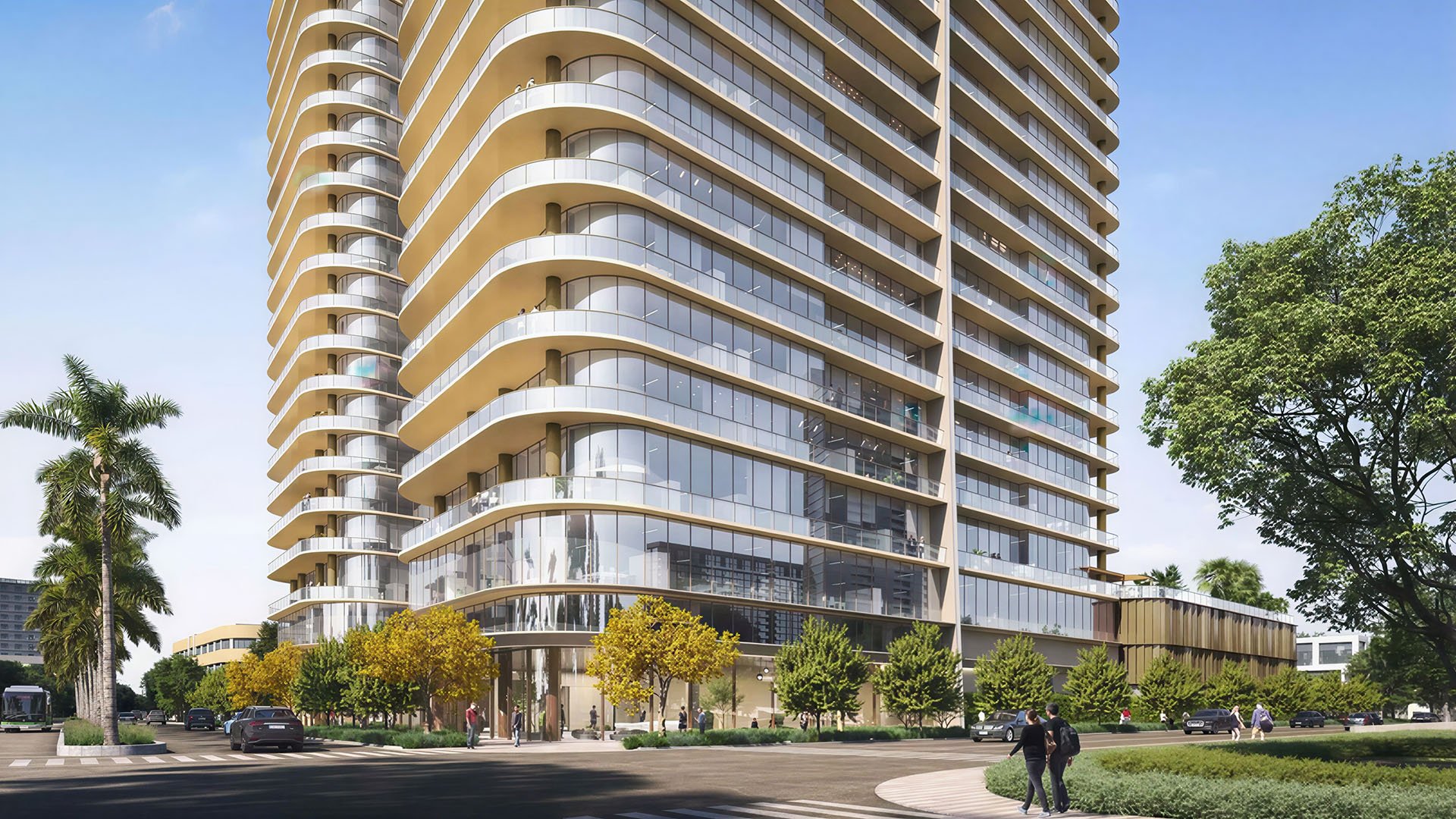
For buyers evaluating Kempinski Residences Miami Design District or any comparable branded address, the most important questions come well before a preferred line, view, or terrace depth. Finishes matter, but in the branded-residence category, the real asset is a promise: a defined standard of arrival, service, maintenance, privacy, hospitality, and long-term identity.
That promise deserves careful examination. A residence may live like a private home, a hotel-caliber environment, a design object, or a social club. It may suit a primary resident who wants seamless daily support, or a second-home owner who values lock-and-leave confidence. The task is to determine whether the building’s operating model supports the life you actually intend to lead.
In South Florida, where buyers can compare Miami’s urban core, waterfront enclaves, beach towers, and private-feeling boutique buildings, the question is not simply whether a residence is beautiful. The sharper question is whether the brand, governance, fees, rules, and location will still feel right five or ten years after closing.
Branded residences are not all structured alike. A serious buyer should ask what the brand controls, what it advises on, and what remains with the developer, association, or third-party operator. Those answers shape everything from staffing and amenity standards to design continuity and the experience of guests.
Ask whether the brand is involved only during sales and design, or whether it maintains an ongoing role after residents move in. Ask who monitors service quality, who trains staff, who approves changes to public spaces, and what happens if the brand relationship changes. A recognizable name can create confidence, but the contract behind the name is where the practical value lives.
This is especially relevant when comparing hospitality-driven concepts across the market. A buyer looking at the Design District may also be studying branded city living such as 888 Brickell by Dolce & Gabbana or waterfront hospitality residences such as Baccarat Residences Brickell. Each may appeal to a different instinct, whether fashion, service, architecture, privacy, dining, or city access. The brand should clarify the experience, not replace due diligence.
Luxury service is never abstract. It is funded through operating budgets, association dues, reserves, amenity staffing, maintenance protocols, and, in some cases, additional fees for private services. Buyers should establish what is included, what is optional, what is subject to change, and how future increases may be approved.
The most elegant lobby is only as strong as the budget that maintains it. Ask how staff levels are determined. Ask whether housekeeping, valet, concierge, wellness programming, food and beverage, spa access, or in-residence services are included, à la carte, or administered separately. Ask how shared amenities are maintained and whether any hotel-style services depend on third-party providers.
For Pre-Construction purchases, early materials may emphasize lifestyle and architecture. That is appropriate, but a disciplined buyer should also request the governing documents, budget projections, reservation or purchase agreement details, and any documents describing the brand’s continuing role. The goal is not to diminish the romance of the purchase. It is to confirm that the romance has an operating plan.
A residence’s rules can affect daily pleasure as much as its views. Pet policies, guest access, service-elevator protocols, move-in procedures, leasing restrictions, renovation controls, terrace use, parking assignments, storage, and amenity reservations can all shape the lived experience.
Buyers should ask whether the building is intended primarily for full-time residents, seasonal owners, investors, or a mix. That answer matters. A quiet primary residence may be less compatible with a transient atmosphere, while a second-home buyer may value flexibility. A collector of art or design may care about delivery procedures, climate control, wall systems, and private installation access. A family may focus on security, staff familiarity, parking convenience, and the ease of hosting.
In the Design District, the lifestyle proposition is often tied to proximity, culture, dining, galleries, fashion, and a more urban rhythm. That differs from the beach-driven privacy of The Perigon Miami Beach or the resort-like waterfront atmosphere associated with other coastal addresses. None is universally superior. The right answer depends on how often you will be in residence, how you entertain, and whether you prefer energy at your doorstep or retreat as your default.
Beyond the brand, buyers should examine the experience of the developer, design team, construction team, sales process, and management structure. Ask what the developer has delivered before, how communication is handled during construction, how changes are documented, and how purchasers are informed about schedules, finishes, and association matters.
In the ultra-luxury segment, execution is everything. The buyer should ask who is responsible for punch-list items, warranty processes, post-closing service, and the transition from developer control to resident governance. A compelling sales gallery can reveal taste, but completed buildings reveal discipline. When possible, walk finished work by the same team or study comparable executions with an advisor who understands construction quality, association health, and resale behavior.
This discipline applies just as strongly outside the Design District. Buyers comparing urban branded residences with resort-style ownership may also consider projects such as The Residences at Mandarin Oriental, Miami, where the questions remain similar: who controls the service standard, how the building will operate, and what obligations attach to ownership.
Resale should be addressed before the first contract is signed. A buyer may have no intention of selling soon, yet future liquidity is part of prudent ownership. Ask what will make the residence distinctive later: scarcity, location, views, floor plan, ceiling heights, terrace usability, privacy, brand durability, service quality, and the condition of common areas.
An investment-minded buyer should also separate personal taste from market depth. Highly stylized residences can command devotion from the right audience, but the future buyer pool may be narrower if the design language is too specific or the monthly cost structure feels misaligned. Conversely, a well-run branded building with disciplined service, strong governance, and a coherent identity can remain compelling even as new supply enters the market.
Ask about transfer fees, rental rules, approval processes, and any restrictions that could affect a future sale. Ask how the association will preserve the building’s public areas and whether reserves appear adequate for the level of finish promised. In luxury real estate, deferred maintenance is not merely an expense issue. It is a reputation issue.
A serious buyer should spend time imagining a normal week, not only a celebratory weekend. Where will you have coffee? How will guests arrive? Will you walk, drive, use valet, or rely on a driver? Do you need beach access, boat access, airport convenience, gallery proximity, school proximity, or the ability to host privately without friction?
The Design District buyer often values culture, design, dining, and a polished urban environment. The Brickell buyer may prioritize business access and skyline energy. The Miami Beach buyer may want ocean air and a resort cadence. The Coconut Grove or Coral Gables buyer may prefer a softer residential texture. These distinctions should guide the decision as much as appliance packages or amenity renderings.
The best residence is not always the one with the longest amenity list. It is the one where the amenities you actually use are executed beautifully, staffed consistently, and supported by rules that make ownership feel effortless.
What is the first question to ask before buying a branded residence? Ask what the brand actually controls after closing, including service standards, staffing influence, design oversight, and the duration of its role.
Why do operating fees matter so much in branded residences? Fees fund the service experience, staffing, maintenance, reserves, and amenities that support the property’s long-term identity.
Should I review association documents before signing? Yes. Governing documents can affect leasing, pets, renovations, guest access, amenity use, fees, and future resale flexibility.
Is a well-known brand enough to justify a purchase? No. The brand should be supported by strong governance, a credible developer, clear service commitments, and a location that fits your life.
How should I compare Design District living with waterfront living? Compare your daily rhythm first. Design District living may emphasize culture and urban access, while waterfront living may emphasize views, privacy, and retreat.
What should second-home buyers focus on? They should ask about lock-and-leave services, security, package handling, maintenance access, guest procedures, and optional in-residence support.
What questions help protect resale value? Ask about rental rules, transfer restrictions, monthly costs, reserve planning, maintenance standards, and what will make the residence scarce over time.
Are Pre-Construction residences riskier than completed homes? They require different diligence. Buyers should understand delivery obligations, finish specifications, timelines, budgets, and remedies for changes.
How important is the developer’s track record? Very important. The developer and delivery team influence construction quality, communication, post-closing service, and the transition to resident control.
What is the best way to shortlist comparable options for touring? Start with location fit, delivery status, and daily lifestyle priorities, then compare stacks and elevations to validate views and privacy.
When you're ready to tour or underwrite the options, connect with MILLION.
If branded residences are on your mind — as a home or as an allocation — we would be glad to share what we are seeing, privately.
Begin a quiet conversation