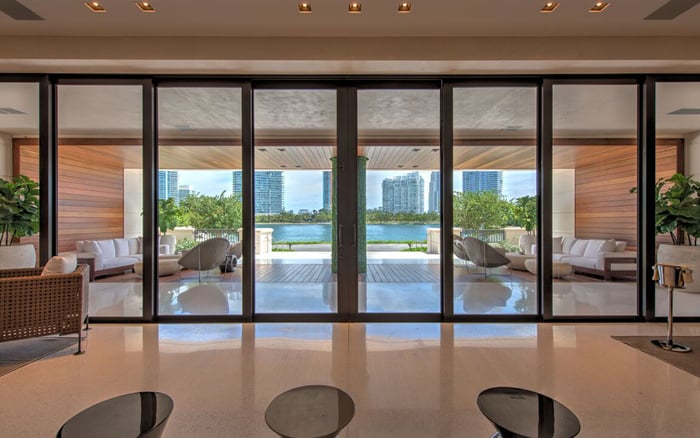
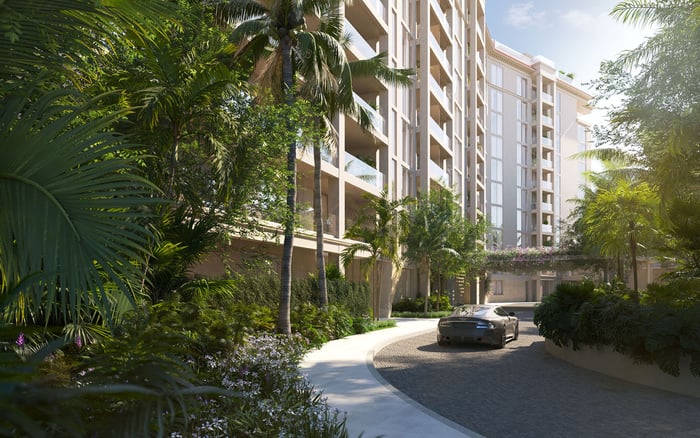
A buyer-oriented look at how three South Florida residential names belong in the water-access conversation, with emphasis on practical daily use, arrival patterns and due diligence rather than view-driven assumptions.
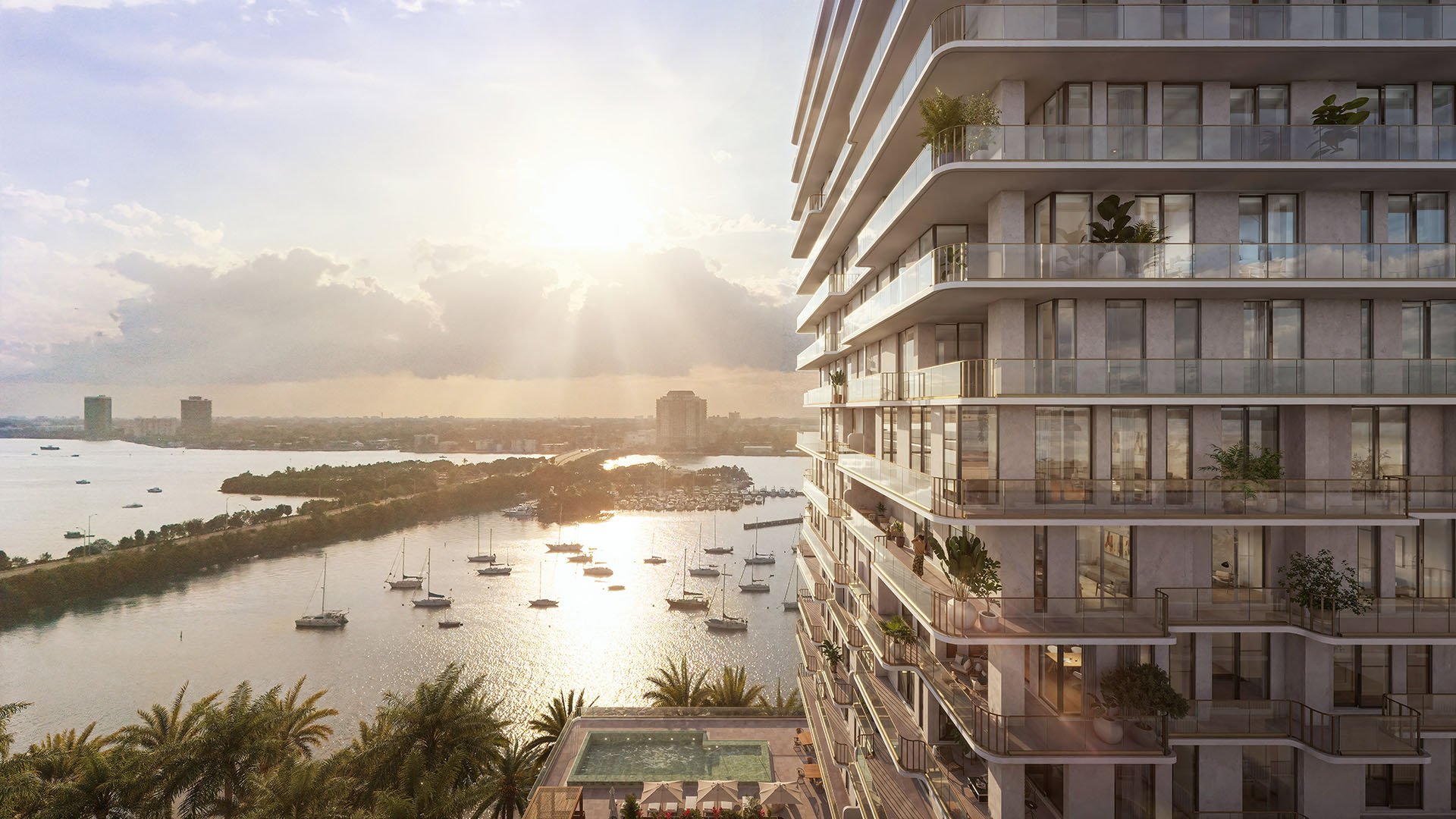
In South Florida, “water access” can mean very different things depending on the buyer. For one household, it is the ability to move from residence to boat with minimal friction. For another, it is the calm of a bay view, a sense of separation from the city, or the ease of hosting friends who arrive by land without turning every visit into a logistical exercise.
That is why the comparison around The Residences at Six Fisher Island, Vita at Grove Isle and Tula Residences North Bay Village is best framed less as a beauty contest and more as a practicality test. Each name belongs to a different kind of waterfront conversation. The right choice depends on how often a buyer expects to move across the water, who else needs access, and whether the home is meant to simplify daily life or create a retreat from it.
For high-net-worth buyers, the most valuable due diligence is often not the most glamorous. It is the quiet work of understanding arrival, departure, guest flow, service coordination, parking, potential marine rules, and the true cadence of ownership. Waterfront and Waterview value may begin with emotion, but long-term satisfaction usually rests on logistics.
The Residences at Six Fisher Island naturally sits within the Fisher Island part of this conversation, where buyers tend to think carefully about separation, control and daily rhythm. The appeal is not simply proximity to water. It is the broader question of how a residential setting mediates movement between private life and the city beyond it.
For a buyer considering this lane, the practical questions should be direct. How often will the owner commute? How frequently will guests visit? Are staff, vendors and service providers part of the weekly routine? Will children, extended family or visiting friends need a simple pattern of entry and exit? A residence can feel exceptionally serene, yet the ownership experience still depends on whether that serenity aligns with the household’s actual calendar.
Boat-oriented buyers should be equally precise. It is not enough to ask whether a property is near water. The relevant questions concern what type of marine access is available, how it is controlled, what can be reserved or assigned, what vessels may be accommodated, and how weather, maintenance and guest usage affect the experience. Those details should be reviewed before a buyer attaches a lifestyle assumption to a purchase.
Vita at Grove Isle enters the discussion through a different lens. The name itself suggests a setting buyers often read as more sheltered and residential, while still connected to the broader Miami lifestyle. In a market where many waterfront homes compete through scale or spectacle, this part of the conversation is often about balance.
The practical buyer should ask whether the address supports daily habits rather than occasional fantasies. If the home is intended for full-time living, proximity to schools, dining, fitness routines, medical appointments and social circuits may matter as much as the edge condition facing the water. If the property is meant as a second home, the test changes. Arrival from the airport, ease of closing the residence for travel, and the simplicity of hosting guests become more important.
This is also where buyers should separate view value from use value. A beautiful water outlook may justify a premium for many households, even when direct boating convenience is not the central objective. But if the buyer expects water access to function as part of the weekly routine, the questions need to become operational: Where does the boating activity happen? Who manages it? How long does it take to reach open water or a preferred route? What approvals, storage needs or association rules might apply?
Tula Residences North Bay Village belongs to a corridor that many buyers evaluate for its central water orientation and its position between major lifestyle zones. Here, practicality often turns on whether the buyer wants a waterfront residential setting that feels connected to multiple parts of Miami rather than set apart from them.
North Bay Village searches often begin with the idea of being close to the water and close to the city at the same time. That combination can be compelling, but it deserves a careful reading. Buyers should look at bridge routes, traffic patterns, parking, visitor access and the practical distance to their most frequent destinations. Water adjacency is only one dimension of convenience.
For boating households, the same discipline applies. A buyer should not infer dockage, slips, marina rights or private marine access from a project name or a waterfront image. Those items should be confirmed in writing, along with usage rules, fees, availability, vessel limitations and transferability. In luxury real estate, the difference between “near water” and “usable water access” can be substantial.
The first step is to define the household’s true use case. A year-round Miami resident, a seasonal owner, a frequent entertainer and a dedicated boater all need different things from the same waterfront setting. The most elegant residence may still be the wrong fit if its access pattern does not match the owner’s life.
Second, buyers should separate four ideas that are often compressed into one phrase: water view, water frontage, boating convenience and private marine control. A residence may offer one, several or none of those in the way a buyer imagines. The vocabulary matters because each element carries different legal, practical and financial implications.
Third, the operating environment deserves attention. Association rules, guest procedures, service elevator policies, valet operations, loading areas, pet movement, package handling and maintenance access all shape the living experience. For the ultra-premium buyer, the day-to-day standard is often measured by what never becomes inconvenient.
Finally, resale should be considered with restraint. Water-related premiums can be durable when the practical story is clear. They can be harder to defend when the buyer paid for an assumption that later proves complicated. The strongest purchase thesis is one where the view, the address and the access logic all reinforce each other.
For buyers drawn to Fisher Island, the relevant question is whether a controlled, private-feeling residential rhythm is the priority. For buyers considering Vita at Grove Isle, the question may be whether a quieter water-oriented setting can still support the patterns of daily Miami life. For buyers looking at Tula Residences North Bay Village, the question is whether centrality and waterfront positioning align with the household’s expectations for access, mobility and convenience.
None of these questions is purely aesthetic. The most sophisticated buyers already know that a spectacular view can be enjoyed in many ways. What separates a strong decision from a romantic one is the willingness to test every beautiful promise against actual use. Waterfront living works best when the water is not just visible, but understood.
What does water-access practicality mean for luxury condo buyers? It means evaluating how the water affects daily life, including arrival, boating expectations, guests, service access and mobility.
Is a water view the same as usable water access? No. A residence can have a compelling view without offering the specific boating, dockage or marine rights a buyer may expect.
How should buyers compare The Residences at Six Fisher Island with other waterfront options? Buyers should focus on how the Fisher Island lifestyle fits their routine, including privacy, access patterns, guest movement and service needs.
What should buyers ask about Vita at Grove Isle? They should clarify whether the setting supports full-time living, second-home use, entertaining and any desired boating-related routines.
What matters most when evaluating Tula Residences North Bay Village? Buyers should examine mobility, guest access, parking, bridge routes and any confirmed marine-use details before making assumptions.
Should boat owners prioritize a marina over a view? Dedicated boaters should verify marine access first, because a beautiful view may not provide the practical boating function they need.
Can association rules affect water-access value? Yes. Rules around usage, guests, vessels, storage, fees and transfers can materially shape the ownership experience.
Is Waterfront always better for resale? Waterfront can be powerful, but the strongest resale story usually combines view quality with clear, practical access logic.
What is the biggest mistake buyers make with Waterview residences? The common mistake is assuming that a compelling outlook automatically includes convenience, control or boating utility.
How early should water-access questions be raised? They should be raised at the beginning of the search, before pricing, negotiation and emotional attachment narrow the buyer’s perspective.
To compare the best-fit options with clarity, connect with MILLION.
If branded residences are on your mind — as a home or as an allocation — we would be glad to share what we are seeing, privately.
Begin a quiet conversation