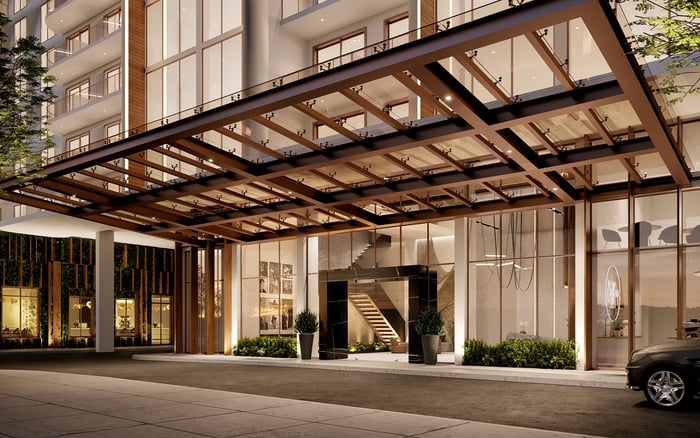
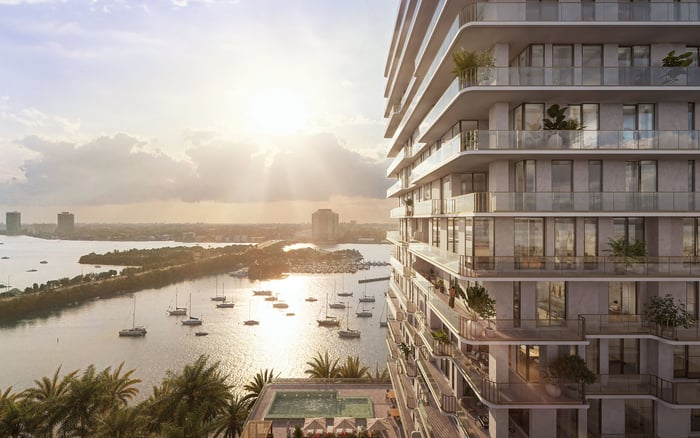
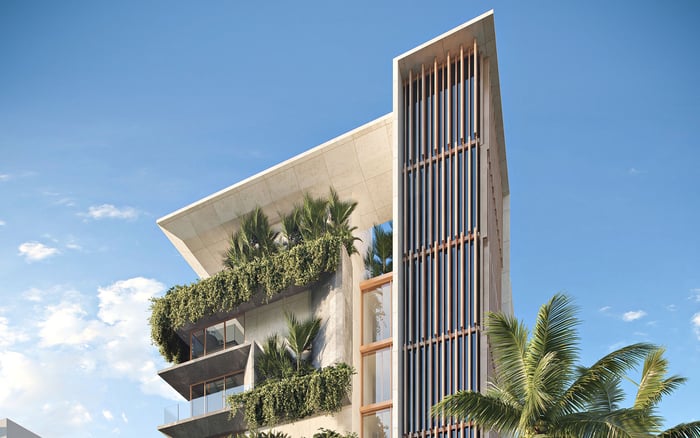
A buyer-focused look at how La Maré Bay Harbor Islands and Shoma Bay North Bay Village belong in the evolving South Florida conversation around service-led ownership, privacy, and long-term ease.
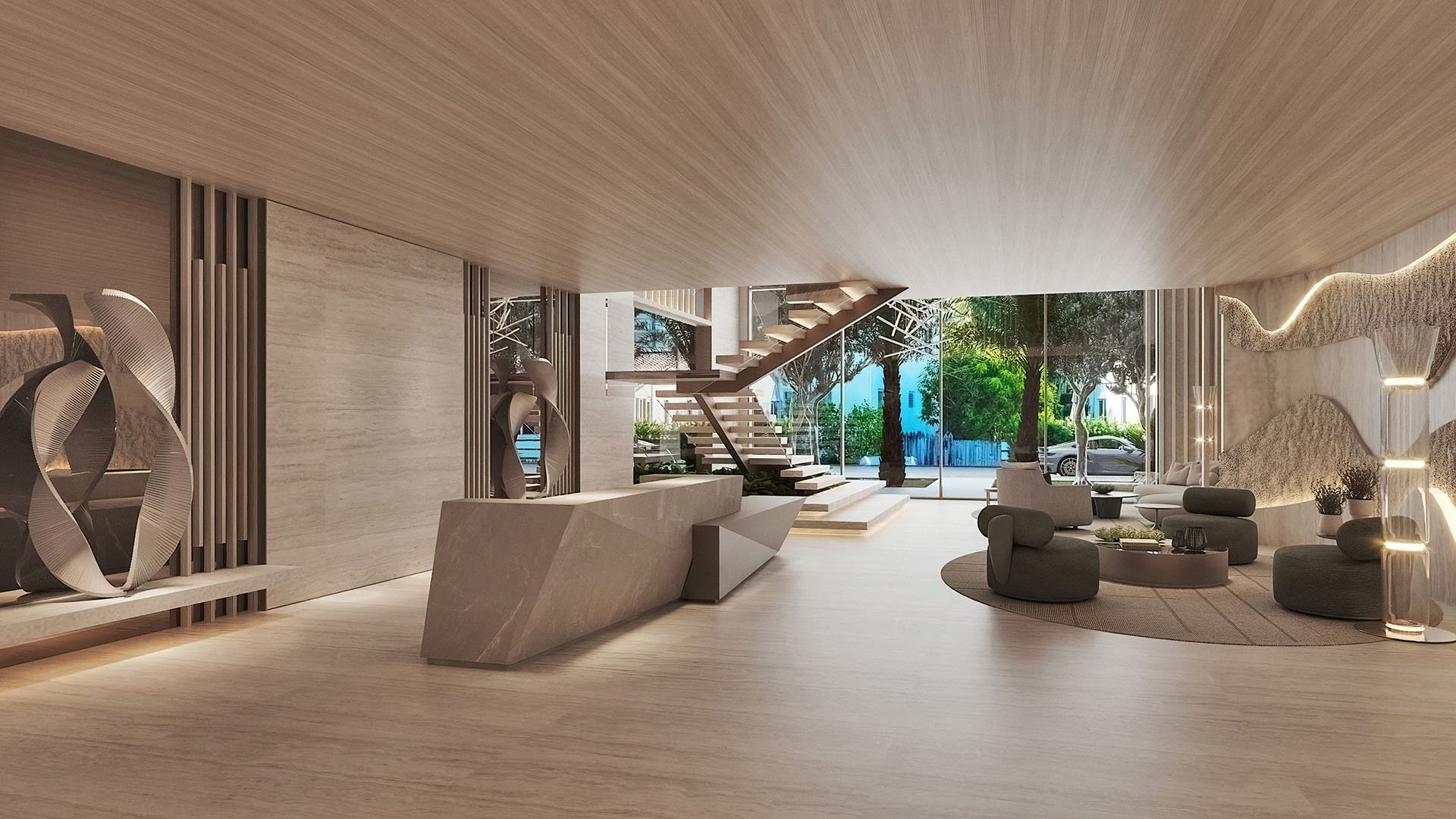
South Florida’s luxury condominium buyer has become more exacting. The conversation is no longer limited to views, finishes, parking, or the prestige of a neighborhood name. Those elements still matter, but at the upper end of the market, they are increasingly assumed. The sharper question is how ownership feels day after day, particularly for buyers who divide time between cities, travel frequently, host selectively, and expect a building to absorb complexity rather than create it.
That is the context in which La Maré Bay Harbor Islands and Shoma Bay North Bay Village deserve attention. They sit in different buyer conversations, yet both belong to the broader shift toward service-led ownership. The phrase does not simply mean more amenities. It means a residential environment where arrival, privacy, maintenance, access, communication, guest handling, and daily convenience are treated as part of the product.
For sophisticated buyers, this is where value becomes more subtle. A service-led building should reduce friction without becoming performative. It should make ownership easier without feeling as if a hotel lobby has been imported into private life. The best version of the model is discreet, reliable, and almost invisible.
Service-led ownership begins before a resident reaches the front door. It includes the choreography of arrival, the tone of the staff, the clarity of building policies, the quality of vendor access, the ease of receiving guests, and the way management responds when something ordinary becomes urgent. In luxury real estate, these details can define the lived experience more powerfully than a list of amenities.
A pool, lounge, gym, or wellness space can be photographed. Service culture is harder to capture, but easier to feel. It appears in how the building handles deliveries during season, how a second-home owner prepares for arrival after weeks away, and how calmly the property operates during peak weekends. The physical building may create desire, but the management ecosystem sustains confidence.
This is especially relevant in bay-market settings, where buyers often seek a quieter alternative to larger, more public luxury corridors. In practical buyer language, Bay Harbor and North Bay Village now sit beside Boutique and New-construction as filters for a more intentional kind of ownership. The decision is not only where to live. It is how much daily life the building can absorb on the owner’s behalf.
La Maré enters the conversation through the lens of Bay Harbor Islands, a market that often appeals to buyers seeking a residential pace with proximity to established luxury destinations. In that setting, service-led ownership is less about spectacle and more about refinement. Buyers considering La Maré Bay Harbor Islands will likely focus on whether the building’s private experience matches the expectations created by its location and positioning.
The important question is not whether a building has service. Most luxury projects do. The better question is whether service is integrated into the ownership model. Is communication simple? Are resident needs handled consistently? Does the building support seasonal ownership as gracefully as full-time residency? Does it feel personal without becoming intrusive?
Bay Harbor Islands also benefits from a broader new-development dialogue. Buyers comparing La Maré may naturally look at nearby offerings such as The Well Bay Harbor Islands and La Baia North Bay Harbor Islands to understand how different projects interpret privacy, wellness, scale, and convenience. The strongest comparison is not a checklist comparison. It is an experience comparison.
Shoma Bay sits in North Bay Village, a market whose appeal is increasingly tied to connectivity, bay-oriented living, and a more central position within the Miami area. For buyers evaluating Shoma Bay North Bay Village, the service-led question differs slightly from Bay Harbor Islands. Here, the focus is how a building supports an active Miami lifestyle while still delivering a sense of residential control.
North Bay Village buyers may be balancing access with retreat. That makes the operating personality of a building especially important. A well-conceived service model can turn a central location into an easier ownership proposition, particularly for residents who want the city nearby without making daily logistics feel urban or exposed.
This is why Shoma Bay belongs in the same discussion as other North Bay Village projects, including Continuum Club & Residences North Bay Village. The comparison is not simply architectural or amenity-driven. It is about how each address interprets the promise of convenience, whether through staff culture, resident programming, access control, or the overall rhythm of the property.
For a luxury buyer, the most useful due diligence is experiential. A model residence can show materials, ceiling heights, and spatial flow. It cannot fully show what happens after closing, when the resident begins relying on the building. Buyers should ask how the property communicates with owners, how requests are tracked, how guests are managed, and how seasonal residents are supported.
Governance also matters. Service-led ownership carries ongoing obligations, and buyers should understand how the building intends to maintain standards over time. A beautiful service concept can weaken if staffing, budgeting, or resident expectations are not aligned. The most desirable buildings are those where the operating model feels financially and culturally sustainable.
There is also a privacy component. True service does not require constant visibility. Many ultra-premium buyers prefer a building that is attentive but quiet, warm but not theatrical, capable but not overbearing. This is where the distinction between hospitality and residential service becomes important. A private residence should not feel like a public venue. It should feel protected, edited, and personal.
La Maré and Shoma Bay should not be treated as interchangeable. Their appeal begins with different locations and likely different buyer priorities. La Maré may speak more directly to buyers who value a composed island setting and a residential sense of discretion. Shoma Bay may speak to buyers who want the energy and access associated with North Bay Village while still seeking a managed luxury environment.
The common thread is the buyer’s desire for ease. In both cases, the most important evaluation is whether the building can make ownership feel lighter. That may include how smoothly residents arrive, how confidently they leave the property for extended periods, how well the building handles guests, and how consistently the service experience is delivered.
The luxury market is increasingly rewarding buildings that understand this. Design may attract attention, but service protects long-term satisfaction. For buyers comparing these two projects, the best question is simple: which building will make ownership feel more intuitive five years from now?
What is service-led ownership in luxury real estate? It is an ownership model where building operations, staff culture, privacy, and convenience are central to the resident experience.
Why does service matter as much as amenities? Amenities create appeal, but service determines how effortless the property feels in daily life and during peak-use moments.
How does La Maré Bay Harbor Islands fit this conversation? It fits through the lens of Bay Harbor Islands buyers who often prioritize discretion, refinement, and a residential ownership rhythm.
How does Shoma Bay North Bay Village fit this conversation? It fits through a North Bay Village lens, where buyers may want access and convenience supported by a managed residential environment.
Should buyers compare these projects only by amenity lists? No. The more revealing comparison is how each building handles arrival, privacy, communication, and owner support.
Is service-led ownership only for full-time residents? No. It can be especially valuable for seasonal owners who need the building to support arrivals, absences, and guest coordination.
What should buyers ask before purchasing? Buyers should ask how requests are managed, how staff standards are maintained, and how the building protects resident privacy.
Does a Boutique building always provide better service? Not automatically. Scale can help, but service quality depends on management, staffing, governance, and resident expectations.
Why is New-construction relevant to service-led ownership? New projects can design service expectations into the ownership experience from the beginning, rather than adapting later.
Which project is better for a buyer focused on ease? The better fit depends on the buyer’s lifestyle, preferred location, privacy expectations, and desired level of daily support.
When you're ready to tour or underwrite the options, connect with MILLION.
If branded residences are on your mind — as a home or as an allocation — we would be glad to share what we are seeing, privately.
Begin a quiet conversation