A practical guide for luxury buyers evaluating waterfront scarcity across South Florida, with a focus on frontage quality, resilience, boating access, views, privacy, and long-term ownership fit.
Waterfront is the most emotionally legible category in South Florida luxury real estate. It is also among the easiest to misread. A beautiful view can obscure the practical questions that determine whether a property is genuinely scarce, broadly desirable, and resilient as an ownership decision.
A disciplined buyer should begin with a simple premise: not all water is equal. Oceanfront, bayfront, riverfront, Intracoastal, lakefront, and canal settings deliver different experiences, constraints, maintenance demands, and exit profiles. A property may photograph like a trophy and still carry limitations that matter to a future purchaser, a captain, an architect, or an insurance reviewer.
Scarcity is not defined by the presence of water alone. It is the combination of frontage quality, view protection, privacy, access, elevation, buildability, neighborhood character, and the number of comparable alternatives. Buyers who understand those layers can move decisively when the right property appears and, just as importantly, walk away from waterfront that is more decorative than durable.
The first distinction is use. A buyer seeking sunrise drama, sand proximity, and resort-style living will read oceanfront differently from a buyer prioritizing boating, sheltered water, and private dock utility. A waterview residence may offer the visual reward of water without the same maintenance profile or direct access, which can be ideal for certain owners and less compelling for others.
For single-family buyers, frontage should be evaluated in physical terms. Consider width, depth, orientation, privacy from neighboring properties, and how the home sits in relation to the water. A long, narrow canal parcel can feel very different from a broader bay-facing site, even when both are technically waterfront. The usable relationship among house, pool, terrace, lawn, seawall, and dock often matters more than the label.
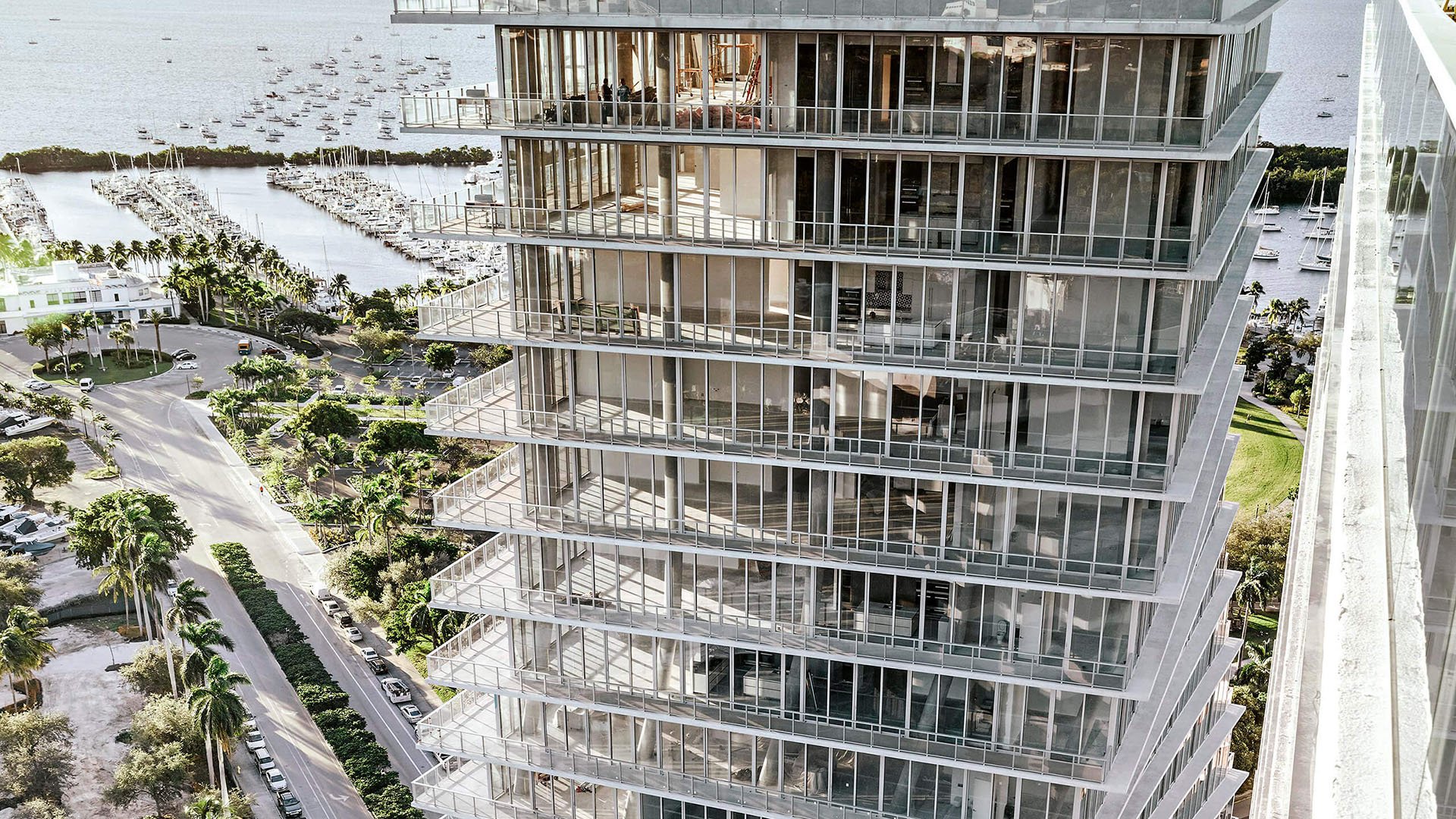
For condominium buyers, the same logic applies vertically. A high-floor residence with open-water exposure may command a premium if the view feels protected and the floor plan gives principal rooms direct sightlines. A lower residence may offer a stronger connection to landscaping, pool decks, or marina life. In either case, the practical question is whether the water improves daily living, not whether it is visible from a corner of the balcony.
Boating access should be underwritten separately from waterfront ambiance. A boat slip can be a meaningful lifestyle advantage, but its value depends on dimensions, water depth, approach, rules, waitlists, bridges, and the ease of reaching open water. A home with water behind it is not automatically a boating home.
Buyers should also study how a vessel will live at the property. Is the dock protected from excessive wake? Is there practical space for boarding, service, storage, and lighting? Can the dock support the owner’s current and future boating plans? Are there community rules, architectural approvals, or operational constraints that could affect use?
In condominium and club-oriented settings, marina access may be a defining amenity, but the legal and operational details matter. Ownership, lease rights, assignment policies, and guest use can shape the real value. For many ultra-premium buyers, the boating component is less about novelty than seamlessness. If the experience requires constant compromise, the scarcity premium becomes harder to justify.
A waterfront residence should be studied from both sides: from the home looking out, and from the water looking in. Some properties deliver magnificent views but limited privacy. Others feel wonderfully secluded at terrace level yet have compromised outlooks from principal rooms. The best waterfront assets usually balance openness with discretion.
Exposure is equally important. Light, breeze, glare, and afternoon heat affect how terraces, pools, and outdoor dining spaces are actually used. A postcard view that is uncomfortable for large parts of the day may have less lifestyle utility than a quieter setting with better shade, orientation, and wind protection.
View protection should be analyzed with humility. Waterfront buyers often assume water views are permanent, but adjacent parcels, redevelopment, vegetation, bridge infrastructure, and nearby boating corridors can all influence the experience over time. The more a property depends on a narrow view corridor, the more carefully that corridor should be tested.
South Florida is not a single waterfront market. Miami Beach speaks to buyers who want proximity to cultural energy, dining, design, and a recognizable coastal identity. Fort Lauderdale often appeals to those who place a premium on boating culture, canal networks, and a more nautical daily rhythm. Palm Beach, Boca Raton, Sunny Isles, Surfside, Coconut Grove, and the bayfront enclaves each express scarcity differently.
The right question is not which market is best. It is which market makes the waterfront more valuable to you. A buyer who entertains frequently may prioritize terraces, arrival sequence, and guest circulation. A family may prioritize schools, neighborhood quiet, and practical drives. A seasonal owner may favor security, staff efficiency, and lock-and-leave simplicity. An avid boater may accept less architectural drama in exchange for superior water access.
The most successful waterfront purchase is usually the one where location, property type, and owner behavior are aligned. If you will spend more time on the terrace than on the boat, do not overpay for a nautical feature you will rarely use. If boating is central to the ownership vision, do not let an impressive interior distract from compromised access.
New construction can offer contemporary planning, improved systems, fresh amenities, and the appeal of a residence designed for current expectations. It may also bring uncertainty around final feel, association culture, operating costs, and the maturity of landscaping or neighboring development. The buyer should separate design renderings from day-to-day functionality.
Established waterfront can offer proven views, mature neighborhoods, and a clearer sense of privacy, traffic, sunlight, and water activity. It can also require capital planning for structure, seawall, roof, mechanical systems, windows, elevators, dockage, or interior modernization. In the ultra-premium tier, the acquisition price is only one part of the underwriting.
For condominiums, examine the building as an asset, not only the residence. Lobby experience, service culture, amenity maintenance, reserves, governance, parking, staff tenure, and storm preparation all influence long-term satisfaction. For single-family homes, study the site with the same seriousness you bring to finishes. A remarkable kitchen can be replaced. A compromised lot cannot.
Before negotiating, reduce the romance to a clear checklist. First, identify the water type and decide whether it supports your actual lifestyle. Second, evaluate frontage quality, dock utility, or view durability. Third, test privacy, sound, glare, and exposure at different times if possible. Fourth, review condition, resilience, and likely capital needs. Fifth, compare the property only with assets that share its true scarcity traits.
This last point is essential. Waterfront pricing often becomes distorted when buyers compare unlike properties. A direct ocean condominium should not be judged against a distant waterview residence simply because both mention water. A deepwater boating property should not be reduced to interior square footage. A discreet bayfront estate should not be valued only by bedroom count.
The practical buyer keeps two truths in mind at once. Waterfront can deserve a premium, and that premium must be earned. The best acquisitions feel emotional at first sight and rational under scrutiny.
What makes waterfront property scarce in South Florida? True scarcity comes from the quality of the water relationship, including frontage, access, privacy, views, resilience, and the limited number of comparable alternatives.
Is oceanfront always more valuable than bayfront or canal-front property? Not always. Oceanfront offers rare visual drama, while bayfront or canal-front settings may offer better boating utility, privacy, or daily livability.
How should I evaluate a waterview condominium? Focus on whether principal rooms and terraces meaningfully engage the water, and whether the view feels durable rather than incidental.
Why is a boat slip not always straightforward? Its usefulness depends on size, depth, access, rules, bridge clearance, assignment rights, and how easily it supports the owner’s vessel.
Does marina access add value? It can, especially for boaters, but the rights, operating structure, and practical ease of use matter as much as the amenity itself.
Should I prioritize new design or proven location? The strongest choice depends on your lifestyle, but location quality and waterfront fundamentals are usually harder to replace than finishes.
What should buyers ask about privacy? Study how the property is seen from the water, neighboring homes, common areas, bridges, and passing boats.
Is Miami Beach the right choice for every luxury waterfront buyer? No. It suits buyers who value its coastal identity and energy, while other markets may better serve boating, quiet, or family priorities.
Why consider Fort Lauderdale for waterfront living? Fort Lauderdale can appeal to buyers who prioritize a nautical lifestyle and practical access to the water as part of daily ownership.
What is the best way to shortlist comparable options for touring? Start with location fit, delivery status, and daily lifestyle priorities, then compare stacks and elevations to validate views and privacy.
For a confidential assessment and a building-by-building shortlist, connect with MILLION.
If branded residences are on your mind — as a home or as an allocation — we would be glad to share what we are seeing, privately.
Begin a quiet conversation