Colette’s advertised access control, surveillance, and smart-home prewiring invite careful buyer questions, not assumptions about biometrics or tracking. Here is what to request before treating privacy as part of the purchase proposition.
In a luxury residence, privacy is part of daily life: a guest arrives discreetly, a household employee receives appropriate access, and an owner understands what remains on record. At Colette Residences Brickell, the starting point is to separate advertised conveniences from the technologies and policies that would govern them.
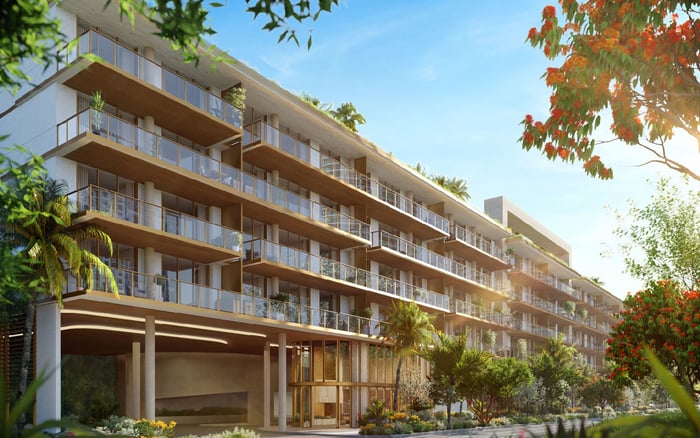
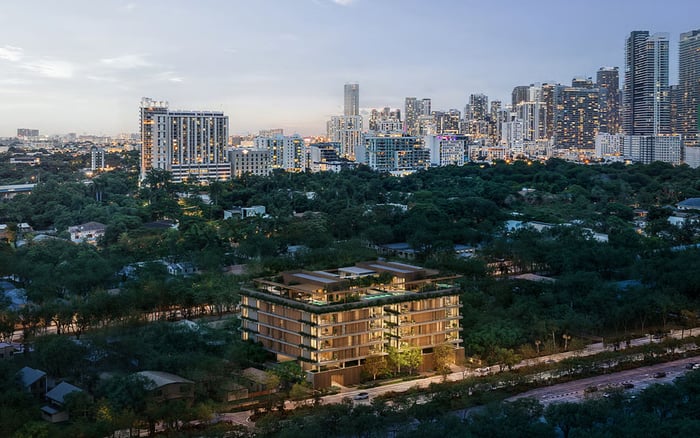
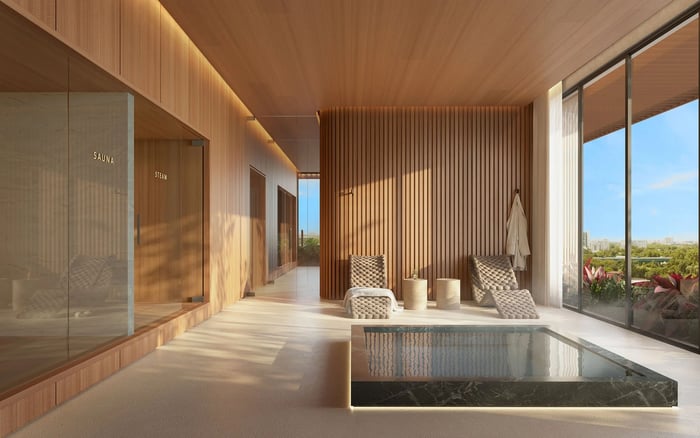
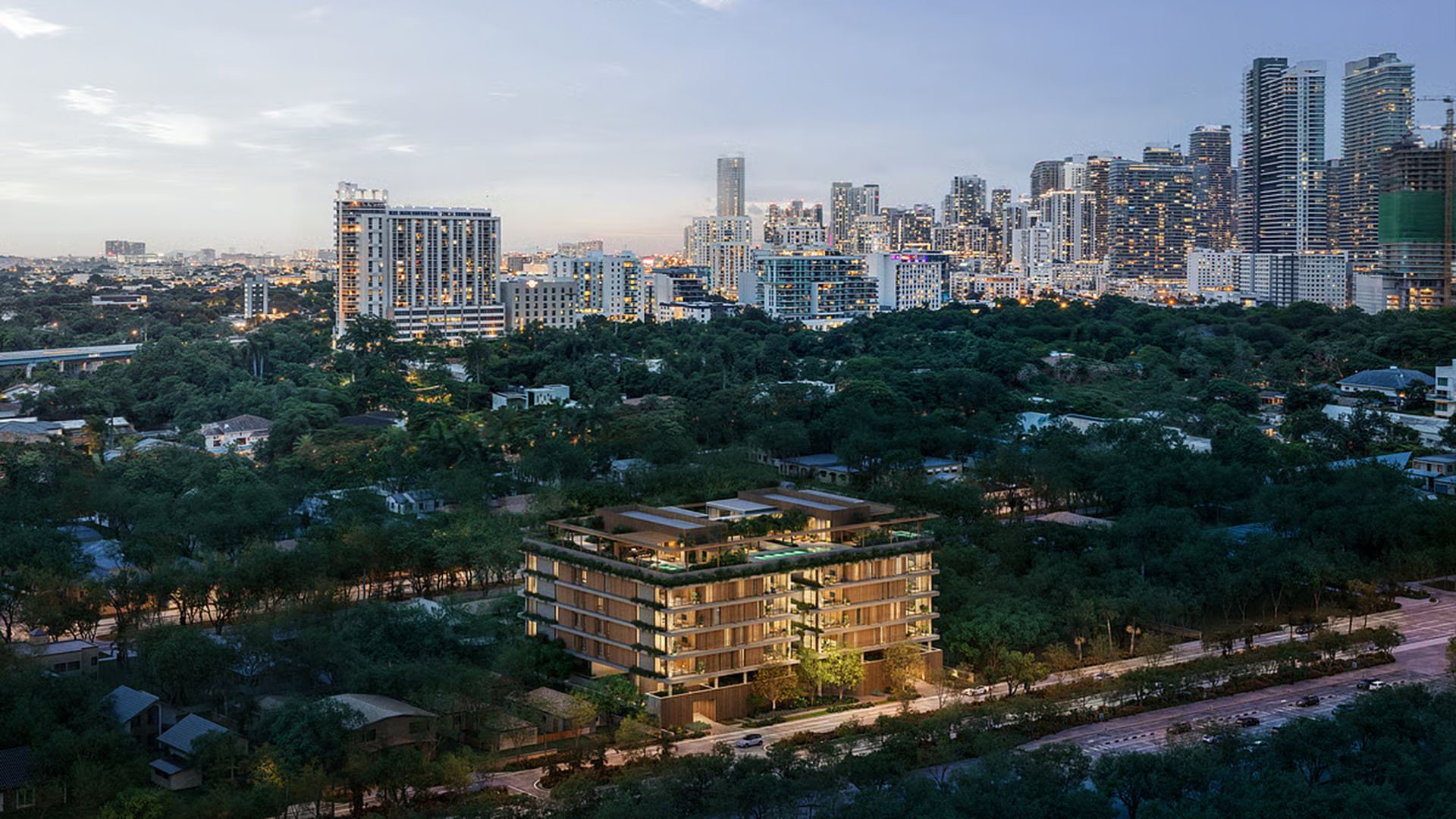
Located at 1880 Brickell Avenue in South Brickell, Colette is marketed as a five-story boutique condominium. Advertised services include 24/7 concierge, advanced access control, and surveillance. Advertised features also include four private elevators with password-protected access and residences prewired for smart-home integration.
These descriptions do not establish that Colette will use facial recognition, fingerprint credentials, a resident app, or a particular visitor-registration platform. Nor do they establish cloud storage or intensive tracking. Buyers should ask what each system will do, what information it will retain, and who will be accountable for it.
Colette is described as pre-construction. Evaluate its privacy proposition as a planned operating arrangement, not an established service. Ask which systems have been selected, which remain provisional, and which specifications appear in purchase documents rather than promotional descriptions.
Even the basic marketing figures warrant reconciliation. Colette advertises 38 residences and more than 15,000 square feet of amenities; the residence count is also listed as 34. Request confirmation of the final count and amenity scope. Neither the building’s scale nor its ratio of amenity space to residences demonstrates how much personal information it will collect.
Request a dated technology schedule identifying access credentials, elevator controls, cameras, visitor procedures, and any proposed resident software. Have the sales team distinguish committed features from options under consideration. Ask your advisers how substitutions would be communicated and what, if anything, the purchase documents say about changes before delivery.
Begin with an ordinary visit. Ask how a dinner guest would be announced, admitted, directed to the residence, and signed out, if departure is recorded. Then identify which steps create a record. A concierge service alone does not establish whether names, telephone numbers, identification images, vehicle details, or arrival times will be retained.
Request the proposed visitor-data fields and the reason for each. Distinguish inspecting identification from retaining a copy. Ask whether residents can authorize a guest without requiring that person to create an account, download software, or provide information beyond what the building considers necessary for entry.
Household staff, caregivers, contractors, and overnight guests deserve separate attention. If recurring credentials are offered, ask whether they can be limited by time or destination and revoked promptly. Clarify whether residents can view only their own authorizations and whether front-desk staff have broader visibility.
Finally, request a retention schedule: what is deleted automatically, what may be preserved after an incident, and who approves an extension. These are questions for verification, not descriptions of Colette’s proposed operations.
Smart-home prewiring signals readiness for integration, not a confirmed building-app platform. It does not establish how apartment systems would connect to building management or whether any information would leave the residence.
If an app is proposed, ask for its name, operator, privacy terms, and required permissions. Determine which functions would depend on it: entry, visitor invitations, amenity reservations, service requests, or payments. Ask whether practical alternatives would remain available for owners, guests, and household members who do not use it.
The same distinction applies when evaluating 2200 Brickell alongside Colette: compare written requirements rather than assuming the projects use the same technology. This is a due-diligence standard, not a claim about another building’s systems.
For any proposed software, clarify local versus remote storage, administrator access, vendor access, and account deletion. Ask whether information gathered for building services could be used for marketing or shared beyond service delivery. A clear answer should identify the relevant policy, not simply describe the platform as secure.
Password-protected elevators are not evidence of biometric enrollment. Before discussing safeguards for facial or fingerprint access, ask whether either technology is contemplated. If the answer is no, clarify the actual credential and its replacement procedure.
If biometrics are proposed later, seek written answers on voluntary enrollment, non-biometric alternatives, and whether declining enrollment would affect access or service. Ask what would be stored, whether an image or derived template would be retained, where processing would occur, and which parties could retrieve or administer the information.
The exit procedure matters as much as enrollment. Ask how credentials would be removed when an owner sells, a lease ends, or a staff member leaves. Request the deletion timetable, treatment of backups, and procedure for confirming completion. Have counsel assess the proposed consent language and applicable obligations rather than assuming a convenience feature settles the privacy question.
Colette advertises covered self-parking, EV charging, and optional full-service valet. Those services do not establish license-plate recognition or any particular vehicle-recording system. Ask separately whether parking operations would record plates, associate vehicles with residences, or share records with access-control software.
For advertised surveillance, request the proposed coverage areas, whether audio would be captured, how recordings would be stored, and who could view or export them. Clarify how an incident would be investigated and whether access to recordings would itself be logged. Evaluate security and discretion together, without treating cameras as proof of a specific data practice.
A buyer also considering Una Residences Brickell can bring the same questions to that evaluation. Compare the answers received rather than assuming a relationship between architecture, service level, and privacy.
Before relying on assurances, request a concise package: the current technology schedule, proposed privacy notices, retention rules, credential alternatives, and the party responsible for responding to concerns. Where decisions remain open, ask for a written status and confirmation of when buyers will receive updated information.
Clarify responsibility after delivery, too. Who would approve a vendor change, revise a retention period, or authorize a new use of resident information? Ask how owners would learn about those decisions and where the governing procedures would be documented.
The standard is not technology-free living. It is a residence whose convenience comes with understandable boundaries, proportionate information requests, and accountable administration. At Colette, that assessment begins with verification-not assumptions about systems that have not been established.
For a discreet perspective on South Florida residences and buyer due diligence, explore MILLION.
If branded residences are on your mind — as a home or as an allocation — we would be glad to share what we are seeing, privately.
Begin a quiet conversationColette Residences is located at 1880 Brickell Avenue in South Brickell, Miami.
Colette is described as pre-construction. Buyers should distinguish planned features from confirmed operating procedures.
The advertised residence counts differ between 38 and 34. Buyers should request confirmation of the final residence count.
Advertised services include 24/7 concierge, advanced access control, and surveillance. The descriptions do not establish detailed technical specifications or data policies.
No biometric access system is established by the disclosed descriptions. Password-protected elevators do not demonstrate facial recognition or fingerprint enrollment.
No. Smart-home prewiring does not identify a resident-app platform, mandatory enrollment, or a data-storage arrangement.
Ask which information would be collected, why it is needed, who could access it, and when it would be deleted. Also clarify procedures for recurring guests and household staff.
No. Covered self-parking, EV charging, and optional full-service valet are advertised, but they do not establish license-plate recognition or a particular visitor-registration system.
Request written details on consent, non-biometric alternatives, storage, administrator access, and deletion. Clarify whether declining enrollment would affect access or service.
Request the current technology schedule, proposed privacy notices, retention rules, and credential alternatives. Ask who would be responsible for vendor changes and resident concerns after delivery.