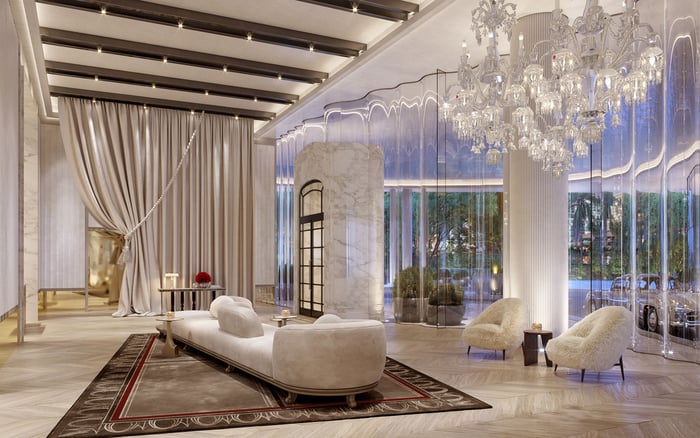
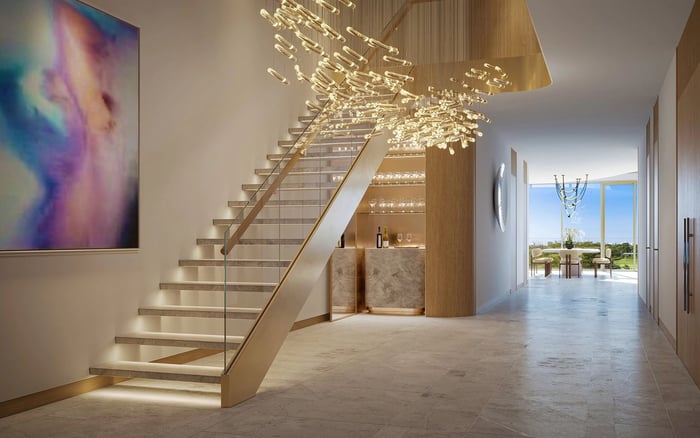
Five privacy-oriented residences across Miami and Sunny Isles Beach offer compelling starting points for a lock-and-leave search. Private arrivals, residential-only towers and branded management merit attention, but quiet interiors require unit-specific verification.
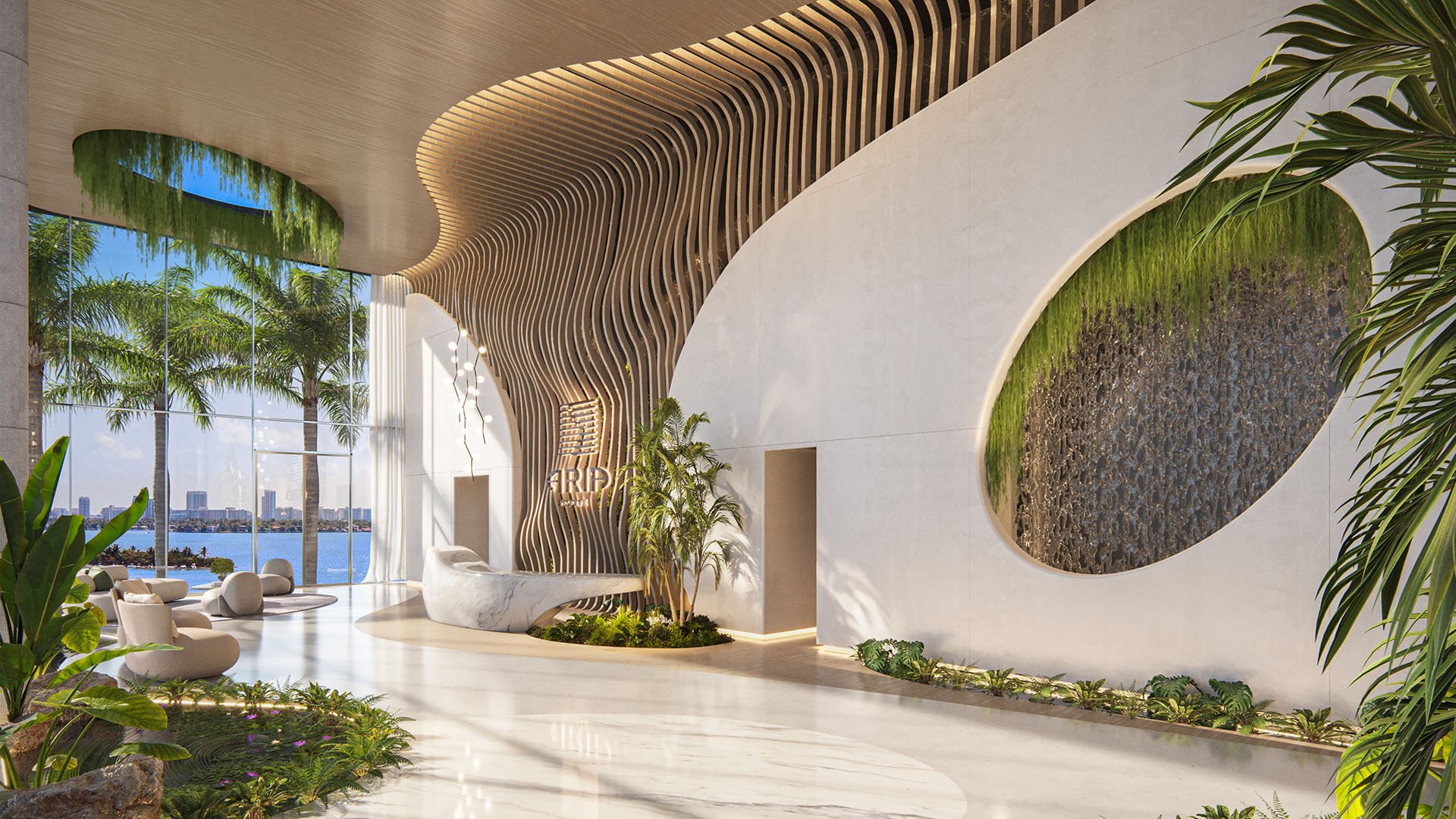
For a seasonal Miami owner, luxury often lies in the absence of interruptions: a shared arrival corridor, an unexpected delivery outside the bedroom or visitor traffic crossing the residential routine. A compelling lock-and-leave residence should make returning and departing feel equally uncomplicated. But discreet arrivals and quiet interiors remain distinct purchasing criteria.
The five residences below are privacy-oriented candidates, not acoustically verified recommendations. Their ranking reflects private arrivals, residential scale and operating arrangements-not demonstrated protection from service elevators or public venues. The absence of a hotel does not establish the absence of restaurants, retail, events or outside visitors. Nor should lock-and-leave suitability be mistaken for a confirmed vacant-home care package.
On Brickell Key, The Residences at Mandarin Oriental, Miami illustrates the distinction: planned separation between residential and hotel uses is attractive, but each home's relationship to service circulation still warrants scrutiny.
1. The Residences at Mandarin Oriental Miami | Brickell Key, Miami
The planned residential tower has no hotel component within it, and residences are described as offering private elevator access. Owners are expected to have access to amenities at the neighboring new Mandarin Oriental hotel, while hotel guests and condo-hotel owners are not expected to have access to the residential amenities. That separation earns the property first place on this privacy-focused shortlist.
For buyers who want hospitality nearby rather than hotel arrivals within their residential tower, the arrangement is compelling. The remaining question is architectural: confirm where service elevators, staff entrances and delivery routes sit relative to the selected residence, particularly its bedrooms.
2. Four Seasons Residences Coconut Grove | Coconut Grove, Miami
This development is described as purely residential, with approximately 70 residences and no hotel component. Its operating proposition is full management under Four Seasons standards, rather than brand licensing alone. Limited residential scale and branded management make it a strong candidate for owners seeking a service-oriented second home.
Neither the residence count nor the management name establishes acoustic performance. Buyers should distinguish building-wide hospitality from the specific services available while an apartment is unoccupied. Confirm inspection responsibilities, authorized access and maintenance arrangements before treating the residence as ready for extended absences.
3. Villa Miami | Edgewater, Miami
Villa Miami's principal advantage in this comparison is residential scale: approximately 70 residences in a single tower directly on Biscayne Bay. The development is described as having no hotel component and no second tower sharing its amenities. That configuration offers a clear residential proposition for buyers comparing waterfront settings.
A single residential tower does not necessarily mean a property is free of public-facing activity. Establish which spaces admit outside visitors and how those visitors' routes relate to residential circulation. Bay frontage and a modest residence count cannot settle the question of bedroom quiet.
4. EDITION Residences Miami | Edgewater, Miami
Marketed as the first private EDITION residences worldwide, this development is planned without a hotel component and with management and operation by EDITION Hotels. Its appeal lies in pairing a residential setting with a hospitality operator, rather than an on-site hotel operation.
For an owner dividing time between cities, that planned management structure deserves attention. The actual services available during an owner's absence, however, require separate confirmation. Buyers should also review service access and any public-facing uses, rather than infer separation from venues solely from the absence of hotel rooms.
5. Turnberry Ocean Club Residences | Sunny Isles Beach, Greater Miami
Every residence is described as opening into its own private elevator foyer rather than a shared arrival hallway. This is a specific, useful privacy feature: arrival does not depend on a common corridor immediately outside neighboring front doors. Its Greater Miami location extends the shortlist beyond Miami proper.
A private foyer does not prove isolation from elevator machinery or service circulation. For a quiet-interior purchase, examine the foyer's relationship to living and sleeping spaces, then establish the position of service shafts and back-of-house routes. The ranking recognizes arrival privacy, not a verified noise advantage.
In Coconut Grove, Four Seasons Residences Coconut Grove warrants consideration for its approximately 70-residence scale and full-management proposition. For an owner away for extended periods, the decisive document is the written service scope. Ask who checks the apartment, how an issue is escalated and which tasks require a separate agreement.
Edgewater presents two distinct starting points. Villa Miami emphasizes a single-tower, approximately 70-residence setting on the bay. EDITION Residences Miami offers planned operation by EDITION Hotels without a hotel component. Compare these arrangements through access rules and contractual services; do not assume a hospitality name is equivalent to comprehensive home care.
Several entries involve planned developments. Establish current delivery status, the proposed operating timetable and which arrangements are binding before aligning a purchase with your seasonal calendar. Keep planned services distinct from available services throughout the decision.
In Sunny Isles Beach, Turnberry Ocean Club Residences provides a useful reminder that a private arrival is only one layer of the assessment. The individual residence-not simply the building name-must satisfy the quiet-interior brief.
Request a floor plan identifying passenger and service elevators, mechanical spaces, refuse rooms, staff access and loading connections. Trace the delivery route from arrival to the apartment. Ask whether any bedroom shares a boundary with a shaft or service space, and examine what sits above and below the unit as well as beside it.
Next, establish the location and access arrangements of any restaurant, retail or event spaces. Ask about operating hours, visitor entrances and delivery schedules. These are verification questions, not assertions that any particular venue exists at the five properties.
Where a residence is accessible, arrange visits during relevant service and evening periods. Where it is not, request acoustic specifications and consider an independent specialist's review. Do not substitute a private elevator label for evidence of sound isolation.
The strongest purchase will pair a discreet residential arrangement with a unit layout and service agreement suited to your absences. This ranking offers five places to begin that conversation; it does not certify protection from machinery, deliveries or public activity. Let privacy features earn consideration, then let the documents and the individual residence determine the choice.
For a discreet conversation about your Miami second-home priorities, connect with MILLION.
If branded residences are on your mind — as a home or as an allocation — we would be glad to share what we are seeing, privately.
Begin a quiet conversationNo. They are privacy-oriented candidates ranked for arrival arrangements, residential scale and management features, not measured interior noise performance.
Its planned arrangement combines private elevator access with residential amenities restricted from hotel guests and condo-hotel owners. Residents are expected to have access to the neighboring hotel's amenities.
No. It supports arrival privacy but does not establish sound isolation from elevator machinery, shafts or service circulation.
No. Restaurants, retail, event spaces and outside-visitor access must be checked separately rather than inferred from the absence of a hotel.
It is described as an approximately 70-residence development without a hotel component, with full management under Four Seasons standards rather than brand licensing alone.
It is described as approximately 70 residences in a single bayfront tower without a hotel component. Its amenities are not described as shared with a second tower.
EDITION Hotels is planned to manage and operate the residences. The development is described without a hotel component.
No. It is in Sunny Isles Beach, within Greater Miami, and is included for its private elevator foyer arrangement for every residence.
A specific owner-absence package is not established for these candidates. Confirm inspections, maintenance responsibilities, authorized entry and additional service agreements in writing.
Request plans showing service shafts, mechanical spaces, delivery routes and their relationship to bedrooms. Review acoustic specifications and, where possible, visit during relevant operating periods.