A discreet buyer’s guide to water-intrusion diligence in North Bay Village, from flood-zone records and association files to insurance, permits, reserves, and engineer review.

In North Bay Village, water is both the amenity and the variable. It frames the skyline, enriches the views, and defines the lifestyle, while demanding a more forensic standard of buyer diligence. For a luxury purchaser, the question is not simply whether a residence appears dry on inspection day. The sharper question is whether the property, building envelope, association records, and insurance file all tell the same story.
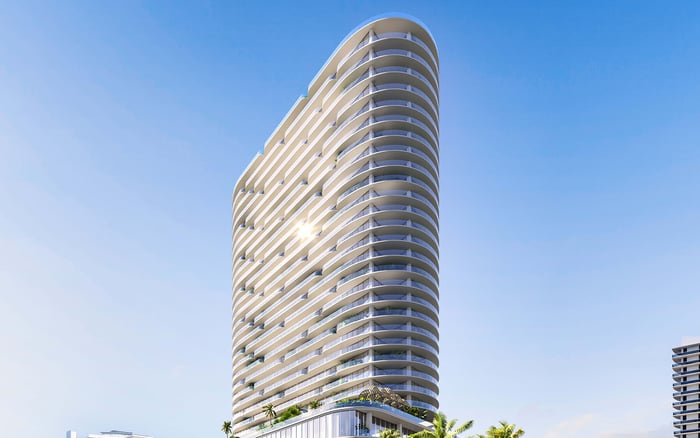
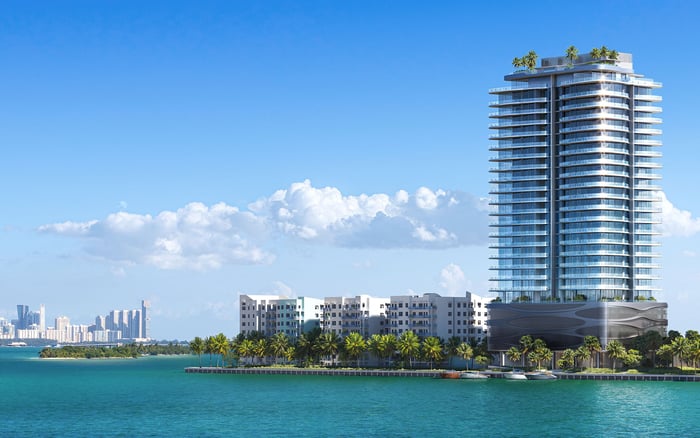
This is especially important for waterfront condominiums and bayfront homes, where site-specific flood zone, base flood elevation, mapped flood hazard, storm history, drainage, and building age can influence both risk and carrying cost. Buyers considering new-construction residences such as Continuum Club & Residences North Bay Village, Shoma Bay North Bay Village, or Tula Residences North Bay Village should still ask rigorous water questions. Newness is not a substitute for documentation, product approvals, insurance clarity, and long-term maintenance planning.
For resale buyers, the inquiry becomes more layered. A polished renovation may conceal a prior leak, a professionally remediated moisture event, or a cosmetic repair that never addressed the source. Florida sellers must disclose known facts materially affecting value that are not readily observable. In practice, the paper trail can be as important as the marble, millwork, and view corridor.
Before relying on listing language, ask whether the property is located in a Special Flood Hazard Area and request the current flood zone determination. Confirm the mapped flood hazard, base flood elevation, and any available Elevation Certificate. An Elevation Certificate records building elevation information used for floodplain management and insurance rating, and it can help clarify how a property sits in relation to mapped risk.
Insurance should be treated as its own diligence category, not an afterthought. Ask whether flood insurance is in place separately from standard property coverage, because flood coverage is typically distinct from homeowners or condominium property insurance. For a condominium, request the association’s master policy, flood policy, deductibles, exclusions, claims history summaries, and premium changes tied to prior water losses. A luxury residence can feel pristine while the association’s insurance history tells a more complicated story.
If the property is a single-family bayfront home, add questions about seawall condition, site drainage, grading, flood vents where applicable, and post-storm repair history. If it is a condominium, focus closely on the building envelope, common-element maintenance, association reserves, and the chain of responsibility between the unit owner and the association.
The first seller question should be direct: has the property ever experienced flooding, roof leakage, window or door leakage, plumbing leaks, mold, hidden wall moisture, HVAC condensation, recurring odors, or moisture-related repairs? Then ask for dates, locations, repair invoices, remediation records, testing results, photographs, warranties, and confirmation of whether the underlying source was corrected.
For condominiums, broaden the request to the association’s official records. Ask for prior water-intrusion complaints, repair contracts, bids, invoices, engineering reports, maintenance records, insurance policies, board minutes, and open maintenance logs. Look for references to roof failures, façade cracks, balcony ponding, garage flooding, drainage deficiencies, recurring leaks, waterproofing defects, window systems, sliding-glass-door failures, or water entering from neighboring units.
Luxury buyers often focus on the private residence, but the building’s shared systems may carry the larger exposure. A penthouse leak can begin with a roof membrane. A bedroom moisture issue can trace back to a window assembly. A terrace stain can point to balcony waterproofing. A garage water event can signal drainage stress. The source determines the cost, recurrence risk, and negotiating posture.
Ask whether the building has completed required milestone inspections and whether any structural, façade, balcony, corrosion, cracking, concrete, or waterproofing observations were tied to water intrusion. The answer matters because water can be a cosmetic issue, a building-envelope issue, or a structural-integrity issue, depending on the pathway and duration.
Then request the Structural Integrity Reserve Study where applicable. Review whether reserves address roof systems, load-bearing components, exterior painting and waterproofing, windows, and other building elements exposed to water. The critical issue is not simply whether reserves exist, but whether the reserve categories align with the building’s actual exposure.
Special assessments deserve the same scrutiny. Ask whether any assessments are pending or expected for waterproofing, roof replacement, balcony restoration, concrete repairs, window systems, drainage, seawall, or façade work. A trophy view can come with an upcoming capital project, and sophisticated buyers want that cost visible before contract deadlines expire.
This is where disciplined buyer diligence matters. The goal is not to avoid every property with a water event. In a coastal market, that would be unrealistic. The goal is to distinguish a one-time, properly corrected condition from a pattern of deferred maintenance, incomplete repairs, or recurring moisture.
Ask for Miami-Dade permit history covering roof, window, sliding-glass-door, balcony, plumbing, HVAC, drainage, seawall, and façade repairs. Confirm whether water-related work was permitted and closed. An invoice proves someone was paid; a closed permit can help show that regulated work moved through the proper channel.
Also ask whether impact windows, exterior doors, shutters, roof systems, and other envelope components have Miami-Dade Notice of Acceptance or product-approval documentation. In a luxury setting, buyers may admire the scale of glass, terrace access, and indoor-outdoor composition. The diligence question is whether those same components have the documentation expected for the exposure.
Cross-check ownership, assessment, unit details, building age, and parcel information through property records. Then give the complete package to an inspector or engineer: seller disclosures, condo records, permits, insurance documents, reserve materials, board minutes, and visual findings. The strongest professional review is comparative. It asks whether the records support the physical condition and whether the physical condition supports the records.
For buyers comparing North Bay Village with Miami Beach, Bay Harbor Islands, or North Miami waterfront inventory, this level of discipline travels well. Bayfront and ocean-adjacent assets differ in architecture, exposure, and association culture, but water diligence remains a core luxury practice.
Mold questions should be specific, not emotional. Ask whether prior moisture events were dried promptly and professionally, whether mold testing or remediation occurred, whether walls or ceilings were opened, whether HVAC condensation was involved, and whether any recurring odor remains after rain, high humidity, or prolonged vacancy.
Ask where water entered: windows, sliding doors, balcony thresholds, roof membranes, plumbing stacks, HVAC lines, neighboring units, garage levels, drainage systems, or storm surge. Each pathway implies a different repair strategy. A failed plumbing line is not the same as a recurring façade leak. A balcony threshold issue is not the same as storm-driven water at a lower level.
For long-hold buyers, also ask the association how it monitors sea-level-rise, king-tide, storm-surge, and drainage risk over time. This does not require alarmism. It requires governance, planning, and a board culture that treats water as a continuing asset-management issue rather than a one-time maintenance inconvenience.
What is the first water-intrusion question to ask in North Bay Village? Ask for all known history of flooding, leaks, mold, moisture damage, and repairs, then request the documents that support the answer.
Should I ask for flood-zone information before making an offer? Yes. Request the current flood zone determination and clarify whether the property is in a Special Flood Hazard Area.
Is flood insurance the same as standard property insurance? No. Flood insurance is typically a separate policy, so buyers should review it apart from homeowners or condo coverage.
What condo records are most important for water diligence? Board minutes, engineering reports, insurance files, repair contracts, bids, invoices, complaints, and maintenance logs are especially useful.
Why does the Structural Integrity Reserve Study matter? It can show whether reserves address water-exposed components such as roofs, waterproofing, exterior painting, windows, and structural elements.
Should I worry about a past leak if it was repaired? Not necessarily. The key is whether the source was identified, corrected, documented, and professionally dried or remediated.
What permits should I review for a waterfront home? Review permits for roofing, windows, doors, plumbing, HVAC, drainage, seawall, balcony, and façade work where applicable.
How can an inspector help beyond a visual review? A strong inspector or engineer compares disclosures, association files, permits, insurance records, and physical findings for consistency.
Do new buildings still require water-intrusion diligence? Yes. Buyers should still verify envelope documentation, insurance, flood status, product approvals, and long-term maintenance planning.
What is the biggest red flag in the records? Recurring leaks, open maintenance items, unresolved façade or roof issues, and repeated water claims deserve deeper professional review.
When you're ready to tour or underwrite the options, connect with MILLION.
If branded residences are on your mind — as a home or as an allocation — we would be glad to share what we are seeing, privately.
Begin a quiet conversation