A discreet buyer’s guide to choosing between Miami Beach and Bal Harbour when the priority is deep private amenities without the theatrical tempo of a resort environment.
For the ultra-prime buyer comparing Miami Beach and Bal Harbour, the issue is rarely whether either address can deliver a pool, fitness center, spa program, lobby service, valet, or beach proximity. The more revealing question is whether the amenity experience feels residential, calibrated, and private, or whether it begins to resemble a resort that happens to include private ownership.
That distinction matters. A second home may welcome a sense of occasion. A primary residence usually requires a softer rhythm. A pied-à-terre can tolerate theater if the owner uses it selectively. A family residence often benefits from a quieter sequence of arrival, elevator, terrace, pool, and beach. The best choice depends less on a checklist and more on how the building behaves at 8 a.m., 5 p.m., and on a fully occupied holiday weekend.
Miami Beach offers breadth. Bal Harbour offers compression and composure. Both can be elegant. Both can feel deeply serviced. But they serve different temperaments.
Miami Beach is the stronger fit for buyers who want amenity depth with neighborhood variety. Its appeal is not just the water. It is the ability to choose among distinct residential personalities, from quieter oceanfront stretches to more social pockets closer to restaurants, design, culture, and nightlife. That range allows a buyer to tune the level of energy with unusual precision.
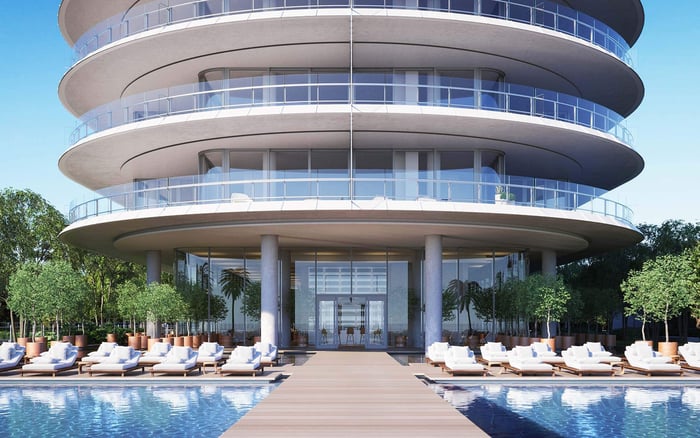
A project such as The Perigon Miami Beach speaks to buyers who want a refined oceanfront setting while remaining within the broader Miami Beach lifestyle map. For owners who prefer a more established private-residence atmosphere near the heart of the city’s cultural and dining circuit, Setai Residences Miami Beach can frame the conversation around service, discretion, and immediate urban-beach access.
The advantage of Miami Beach is optionality. You can build a life that includes early beach walks, private training, dining out several nights a week, and a short ride to cultural events, without feeling isolated. The risk is that some buildings, especially those leaning heavily into hospitality cues, may feel animated in ways a privacy-driven owner will notice.
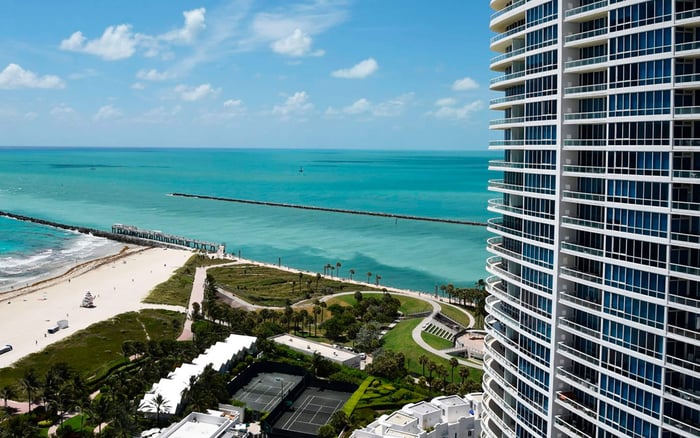
For a buyer using beach access as a daily filter rather than an occasional benefit, Miami Beach offers many ways to live close to the sand. The key is to inspect not only distance to the beach, but also how residents reach it, how pool decks are programmed, how elevators are managed, and whether shared spaces remain serene when occupancy is high.
Bal Harbour is often the more intuitive answer for buyers who want the prestige of an oceanfront address without the wider social velocity of Miami Beach. It has a composed rhythm. The experience tends to feel more contained, with fewer competing neighborhood identities and a stronger sense of residential continuity.
That does not mean Bal Harbour is sparse. It means its luxury is often expressed through restraint. The buyer who prefers understatement may find the balance attractive: water, privacy, shopping and dining proximity, and a quieter day-to-day cadence. Rivage Bal Harbour is a useful reference point for those considering the next generation of the area’s residential language.
The tradeoff is narrower lifestyle bandwidth. Bal Harbour is not designed to deliver the same degree of urban texture as Miami Beach. For some owners, that is precisely the point. For others, especially those who want frequent nightlife, art events, and a broader restaurant routine, it may feel too quiet over time.
Amenity depth is not the same as amenity volume. A building can have many features and still feel inconvenient, crowded, or performative. Another building can have fewer amenities but execute them with calm, privacy, and consistency. The buyer should study how amenities are used, not just how they are described.
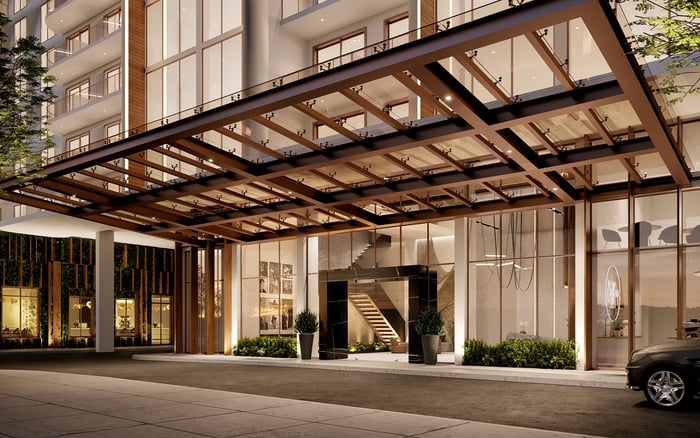
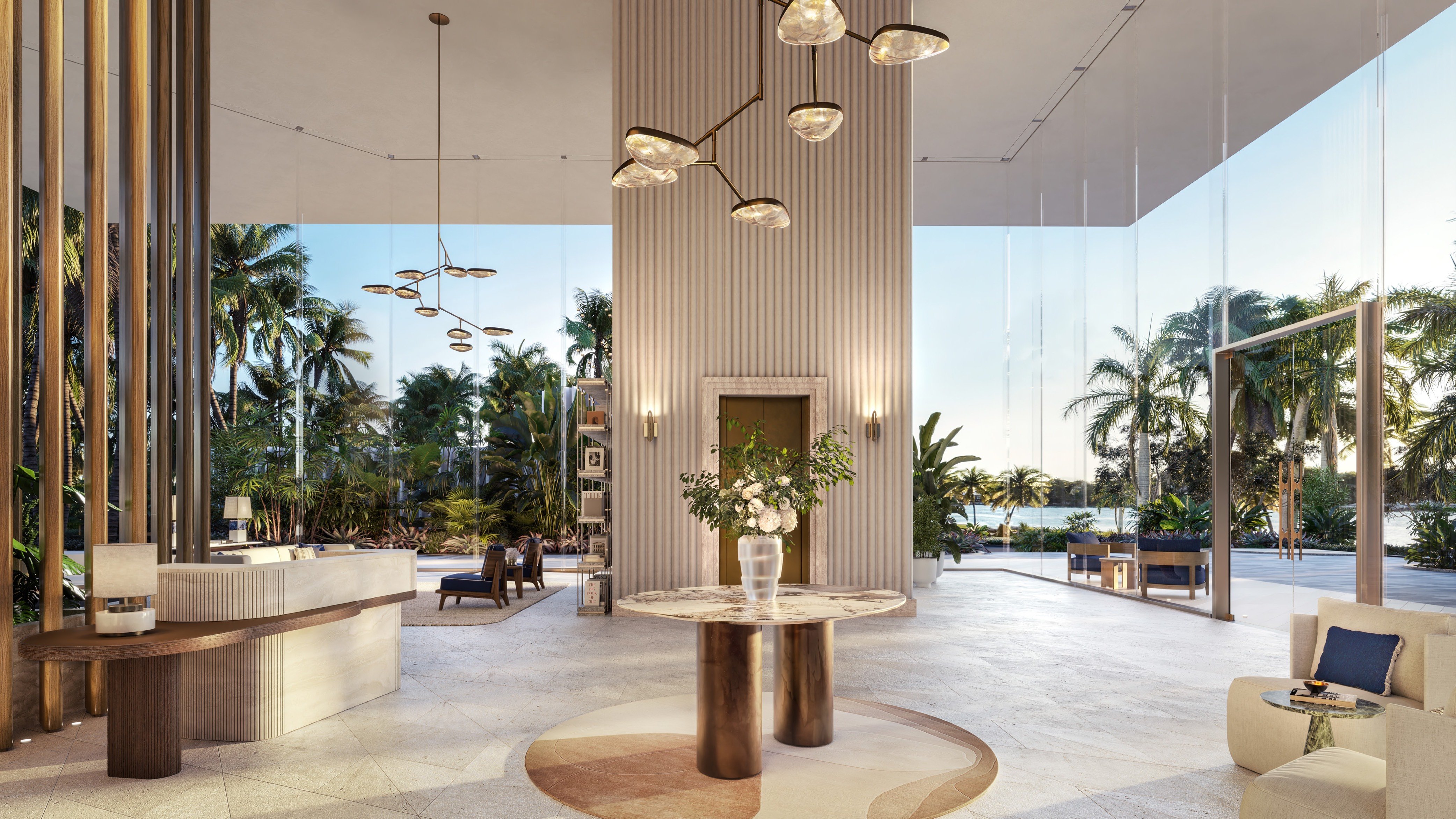
Start with the arrival sequence. Does the entrance feel like a private residence or a hotel lobby? Is the valet court calm or theatrical? Does staff recognition feel personal without becoming intrusive? In ultra-premium property, these small moments often matter as much as the pool or spa.
Then study separation. The most successful buildings distinguish between public-facing drama and resident-only quiet. If every social space is designed as a scene, the building may be better suited to occasional use than full-time living. If wellness, lounge, beach, and dining functions are layered carefully, the same amenity depth can feel effortless rather than busy.
Finally, examine scale. Boutique buildings may offer less spectacle, but they often deliver stronger privacy. Larger properties may support deeper programming, more service redundancy, and broader wellness options, but they can also introduce more traffic. The right answer depends on whether you value intimacy or infrastructure.
Miami Beach suits the buyer who wants a residential base with a flexible lifestyle. The ideal Miami Beach owner enjoys choice: quiet mornings, active evenings, a beach routine, visiting guests, restaurants, cultural access, and the ability to shift between privacy and social energy.
This is often the better fit for owners who do not want their building to provide every experience internally. They may prefer a strong amenity platform at home, then use the neighborhood as an extension of the residence. For that buyer, a property such as Shore Club Private Collections Miami Beach can sit within a broader conversation about design, beach life, and a more layered Miami Beach ownership pattern.
Miami Beach is also sensible for families or couples who want different experiences from the same home. One person may prioritize wellness and sand. Another may prioritize dining and access. A guest may want the classic Miami image. The area can accommodate all three, provided the building itself remains controlled.
Bal Harbour suits the buyer who wants fewer variables. The ideal Bal Harbour owner places a premium on quiet prestige, elegant routine, and an address that does not need to announce itself. The experience is less about constant stimulation and more about controlled access to the best elements of coastal life.
This buyer often wants waterfront living, discreet service, a calm pool environment, and a location that feels removed without being remote. The building should function as a private club in spirit, not as a resort in behavior. If guests visit, the property should impress them through serenity rather than volume.
Bal Harbour can be especially compelling for owners who already know how they live. They are not testing Miami. They are refining their relationship to it. They want proximity to the city without living inside its pace.
Choose Miami Beach if you want range, energy on demand, and a wider menu of residential personalities. Choose Bal Harbour if you want privacy, predictability, and a more contained coastal routine. In both markets, avoid overvaluing renderings and amenity counts. Instead, ask how the building will feel on an ordinary Tuesday.
A useful test is to imagine three days: a solo weekday, a weekend with guests, and a holiday period when many owners are in residence. If the building still feels gracious in all three scenarios, the amenity program is likely well balanced. If it only works when empty, it may be more photogenic than livable.
The finest choice is not the address with the longest amenity list. It is the address where service, architecture, privacy, and neighborhood tempo align with the way you actually intend to live.
Is Miami Beach better for amenity depth? Miami Beach generally offers more lifestyle variety, which can support deeper amenity expectations. The right building still matters more than the area label.
Is Bal Harbour quieter than Miami Beach? Bal Harbour usually feels more contained and residential. Buyers who prefer a lower-profile daily rhythm often respond well to its pace.
How do I avoid a resort feeling in a luxury condo? Focus on privacy, circulation, resident-only spaces, and how amenities operate when the building is busy. A long amenity list is not enough.
Are boutique buildings better for privacy? Boutique properties can feel more intimate, but execution is critical. Staffing, elevator design, and amenity placement all influence privacy.
Should I choose based on beach access first? Beach access is important, but the path to the beach and the feel of the pool deck are equally relevant. Daily use reveals the true value.
Which area is better for a second home? Miami Beach may suit owners who want more activity during visits. Bal Harbour may suit owners who want a calmer escape.
Which area is better for full-time living? Both can work for full-time living. The decision depends on whether you prefer neighborhood texture or a more controlled residential setting.
Do more amenities always improve resale appeal? Not necessarily. Buyers at the high end often value useful, well-managed amenities over excessive programming.
How important is service style? Service style is central. The best buildings feel attentive, discreet, and residential rather than theatrical or hotel-like.
What is the simplest way to decide? Tour each building at different times and imagine your actual routine. The best answer is usually the property that feels calm without feeling limited.
For a discreet conversation and a curated building-by-building shortlist, connect with MILLION.
If branded residences are on your mind — as a home or as an allocation — we would be glad to share what we are seeing, privately.
Begin a quiet conversation