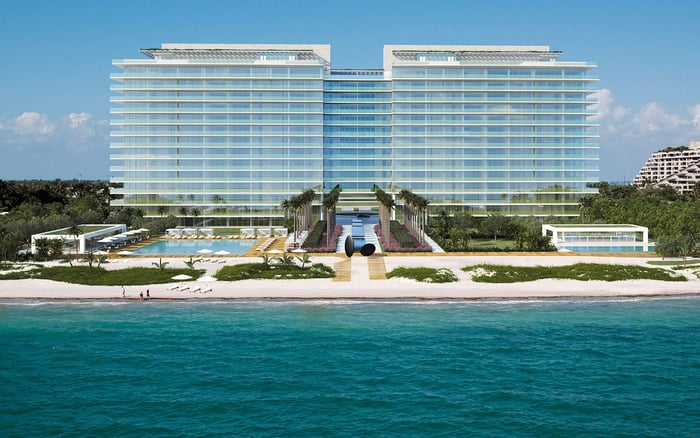
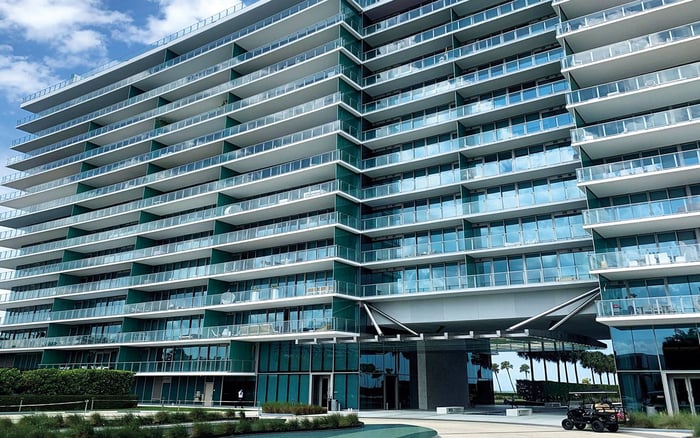
A buyer-focused guide to evaluating whether a Key Biscayne beach setting is genuinely quiet, seasonally resilient, and aligned with luxury ownership priorities.
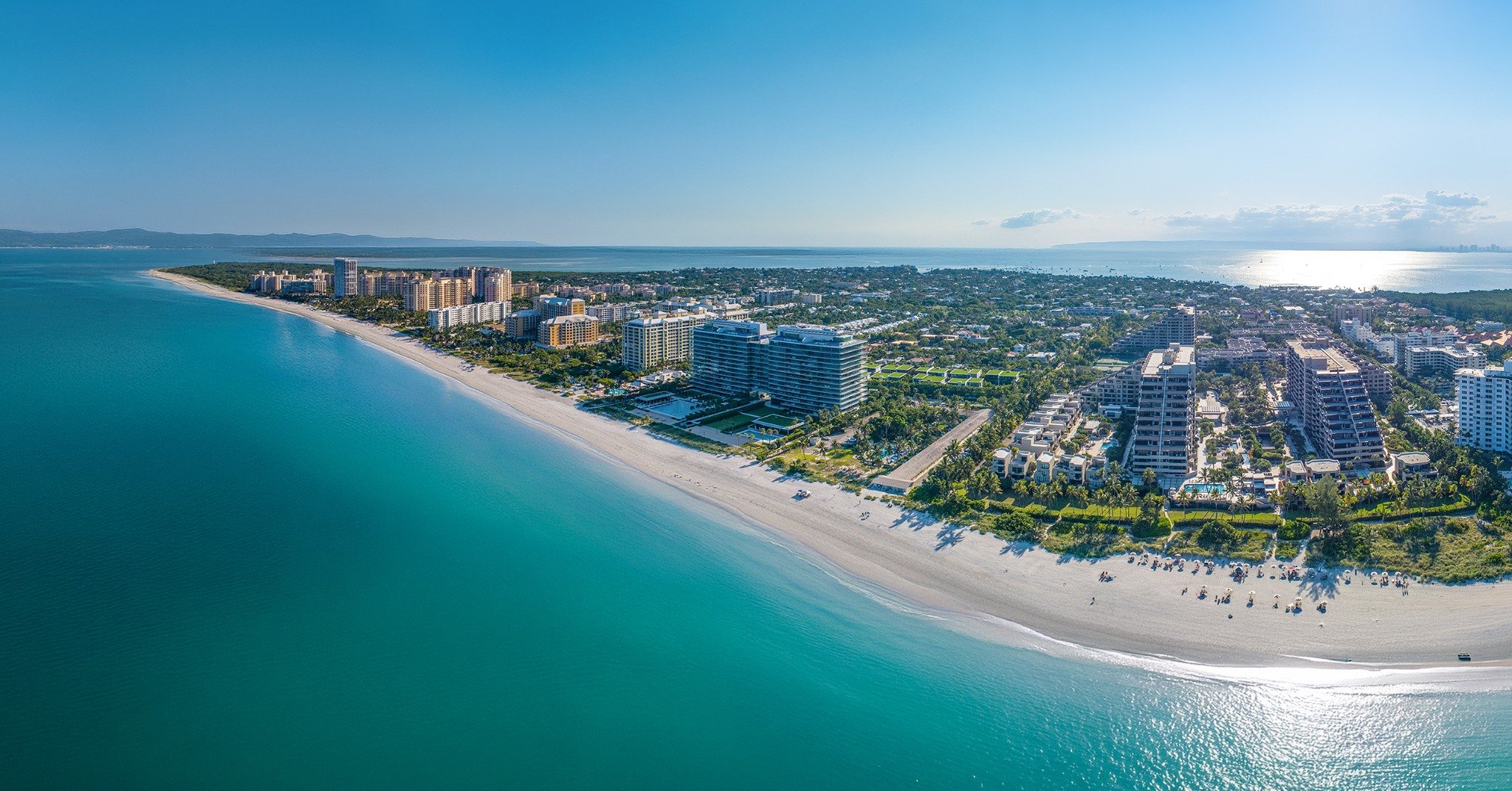
Key Biscayne holds a rare position in South Florida luxury: close to Miami, protected by island geography, and shaped by a calmer residential rhythm than the region’s more commercial beach corridors. Yet buyers should resist the easy assumption that every beachfront address on the island delivers the same degree of quiet. Key Biscayne is an island village in Miami-Dade County, and the beach experience can shift materially from one frontage to the next.
For a luxury buyer, quiet should be treated as a due-diligence variable. It is not simply the absence of crowds during one showing. It is the repeatable condition of the sand, access paths, parking flow, building culture, and nearby public-use patterns during the exact days and seasons the owner expects to be in residence. A weekday morning in late spring may reveal little about a winter holiday afternoon, a sunny Saturday, or the first clear day after several days of rain.
This is especially important for second-home buyers, whose usage often concentrates around peak leisure periods. The most durable quiet-beach thesis is built through observation, documents, and micro-location mapping, not lifestyle language alone.
Before assigning a premium to quiet, buyers should map the property against the island’s major public destinations. Crandon Park and Bill Baggs Cape Florida State Park are both significant beach draws, and each can affect nearby sound, parking demand, and pedestrian movement in different ways.
Crandon Park is a large county park with beach amenities, which means nearby residences may experience more nonresident activity than a stretch of beach primarily serving residential buildings. Bill Baggs, at the southern end of Key Biscayne, includes beach access, trails, picnic areas, and the Cape Florida Lighthouse. It is a destination in its own right, not merely a neighborhood edge.
The lesson is not that proximity to parkland is negative. Park-managed land can limit intensive private development nearby, which may support a more open and less built-up feel. The buyer’s task is to separate the benefit of a less commercial setting from the visitor volume created by the park itself.
For example, evaluating a residence such as Oceana Key Biscayne should include a practical walk of nearby access points, likely beach approaches, and the route between the building and the sand. The key question is not whether the address is prestigious. It is whether the quiet is protected by the way people actually reach and use that frontage.
In Key Biscayne, beach tranquility begins before a buyer reaches the shoreline. The Rickenbacker Causeway is the key road connection between Miami and Key Biscayne, making causeway movement an important part of the quiet-beach equation. Even if the sand in front of a property feels serene, congestion on the bridge, at park entrances, or around parking areas can influence the total ownership experience.
A refined buyer should observe how traffic changes on weekend afternoons, holidays, and winter high-season days. Note whether cars queue near park entries, whether ride-share drop-offs cluster in certain areas, and whether residential streets feel insulated from or exposed to public beach movement. The most peaceful residence is not always the one with the most beautiful beach view. It is often the one with the fewest conflicts between private daily life and public arrival patterns.
This same logic applies across the broader South Florida luxury market. Buyers comparing Key Biscayne with Miami Beach addresses such as 57 Ocean Miami Beach or Surfside residences such as Ocean House Surfside should compare not only architecture and services, but also public access intensity, parking supply, and the relationship between the residence and nearby attractions.
A beach can look quiet for temporary reasons: weather, a school calendar, a low-travel week, or a single off-peak showing window. Structural quiet is more valuable. It comes from factors that are less likely to change overnight, including limited access points, park operating rules, low commercial intensity, private association controls, and clear enforcement.
Beach access should therefore be studied as carefully as views. Public beaches near parking lots, restrooms, concessions, picnic areas, and landmarks should be evaluated separately from residentially oriented frontages. A buyer should stand at the property’s access point, then walk north and south to understand who else uses the same stretch and why.
For oceanfront and waterfront buyers, the soundscape matters as much as the panorama. Listen for music, group gatherings, service vehicles, park activity, and traffic noise. Observe whether activity concentrates at certain times or spills gradually across the beach. A truly defensible quiet premium is supported by repeated evidence, not by a single elegant showing.
The most sophisticated quiet-beach purchases combine geography with governance. Condo buyers should request association documents, beach-access rules, guest policies, and rental restrictions. Building-level controls can be as important as the property’s position on the island.
Short-term rental turnover deserves particular attention. A buyer considering rental income should verify municipal and association rules before purchase, because frequent guest turnover can increase elevator traffic, pool activity, beach-adjacent movement, and informal crowding. A residence may be visually private yet operationally active if its rules allow a high degree of transient use.
Local zoning and code review also belong in the process. Future changes involving commercial uses, parking, public access, or nearby redevelopment can alter the crowd profile and soundscape. No buyer can demand permanent quiet from a living coastal community, but a buyer can identify whether the current tranquility is supported by enforceable structure.
This is where comparisons with controlled island environments can be useful. A buyer looking at The Residences at Six Fisher Island may be thinking about privacy in a very different access context, yet the analytical discipline is similar: who can arrive, how they arrive, what rules govern use, and how consistently those rules are enforced.
A single visit is not enough. Buyers should schedule visits during weekday mornings, weekend afternoons, holidays, and winter high-season periods. The goal is to identify a pattern, not a mood. Bring a simple checklist: number of people on the sand, noise level, nearby parking pressure, causeway travel time, public access use, and building common-area activity.
Return at high tide and low tide if shoreline width affects how people cluster. Walk the beach rather than viewing it only from a terrace. Speak with counsel and property advisors about association rules, but rely on direct observation for the lived experience.
Environmental due diligence is also essential. Flood exposure, storm surge, and shoreline change can affect long-term use, insurance, maintenance, and resale value. Quiet is valuable, but it should never be evaluated in isolation from resilience.
For lifestyle buyers, the strongest purchase thesis is not that Key Biscayne is quieter than Miami Beach. It is that a specific residence delivers observable, repeatable calm during the seasons and hours that matter most to the owner.
Is Key Biscayne generally quieter than Miami Beach? Often, but that is not enough for a purchase decision. Buyers should verify the specific property’s crowd pattern during peak use periods.
Why do Crandon Park and Bill Baggs matter to buyers? They are major public beach destinations, so nearby properties should be evaluated for visitor flow, parking pressure, and sound spillover.
How many times should I visit before buying? Visit across different conditions: weekday morning, weekend afternoon, holiday period, and winter high season when possible.
Can a condo association help preserve a quieter beach experience? Yes. Guest policies, rental limits, beach-access rules, and enforcement can materially affect how private the experience feels.
Should I worry about the Rickenbacker Causeway? Yes. Causeway congestion can affect the sense of tranquility even when the beach directly in front of a property is not crowded.
Is park proximity always a disadvantage? No. Park-managed land may reduce private development intensity nearby, but the buyer must still measure visitor volume created by the park.
What documents should a condo buyer request? Request association rules, rental policies, guest procedures, beach-use rules, budgets, meeting materials, and any relevant enforcement history.
Can short-term rentals affect beach quiet? They can. Higher turnover may increase guest movement, amenity use, and beach-adjacent activity, depending on the building’s rules.
Does a quiet beach guarantee strong resale value? Not by itself. Quiet is most compelling when paired with strong governance, resilient coastal due diligence, access control, and desirable location.
What is the best test of a quiet-beach premium? The best test is repeatable observation during the exact seasons, days, and hours when the buyer expects to use the residence.
If you'd like a private walkthrough and a curated shortlist, connect with MILLION.
If branded residences are on your mind — as a home or as an allocation — we would be glad to share what we are seeing, privately.
Begin a quiet conversation