A practical luxury buyer’s guide to evaluating wine storage infrastructure in West Palm Beach residences, with questions on climate control, humidity, backup power, monitoring, placement, maintenance access, and long-term resale value.
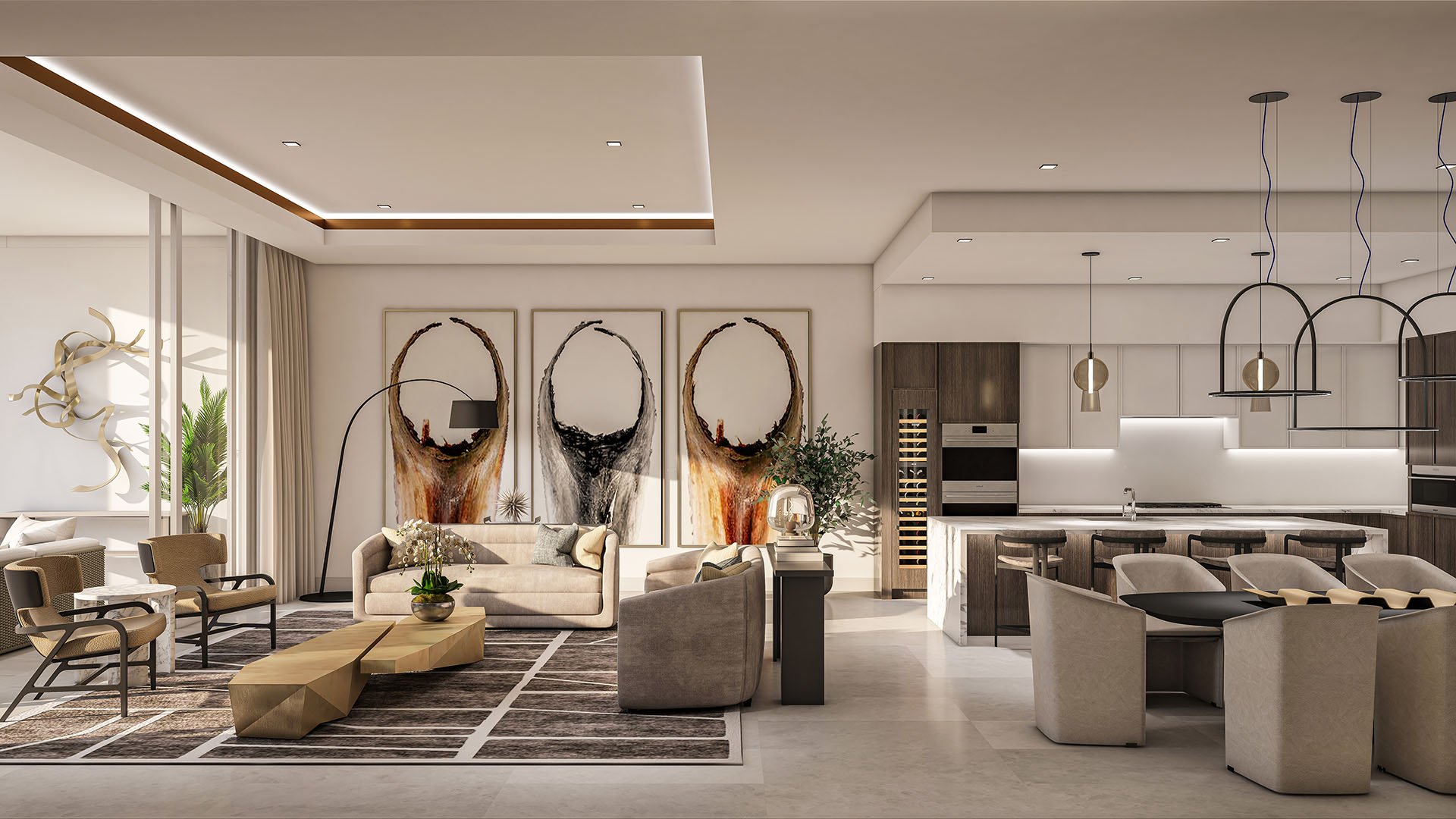
In West Palm Beach luxury real estate, wine storage is no longer a decorative afterthought tucked beside the dining room. For many buyers, it belongs to the home’s operating system, alongside air conditioning, lighting control, generator capacity, elevator service, and kitchen ventilation. A beautiful glass enclosure may photograph well, but the value lives in what cannot be seen: mechanical design, construction quality, monitoring, and maintenance access.
That distinction matters in a warm, humid, coastal environment. Wine is sensitive to heat swings, excessive light, vibration, and moisture imbalance. A residence with a dramatic bottle wall but inadequate infrastructure can create a false sense of security. The essential question is not whether a home has wine storage. It is whether that storage has been engineered for the climate, the collection, and the way the owner actually lives.
Buyers considering Alba West Palm Beach, Forté on Flagler West Palm Beach, or a custom single-family estate should approach the subject with the same discipline they bring to views, privacy, and parking. Wine infrastructure can be elegant, but it should first be dependable.
The most revealing first question is simple: what kind of collection was this space designed to protect? A casual entertainment bar has different demands than a long-term cellar for investment-grade bottles. Ask whether the space is intended for daily drinking, display, aging, or a mix of all three. The answer should guide every other inquiry.
A display wall near a kitchen or lounge may be appropriate for short-term bottle rotation. A true cellar requires a controlled environment that minimizes temperature fluctuation, limits light exposure, manages humidity, and reduces vibration. If the seller cannot explain the intended use, ask for design drawings, equipment specifications, and service history. A serious wine room should have documentation, not merely ambience.
Capacity also deserves scrutiny. Do not rely only on the stated bottle count. Confirm whether the racks accommodate larger-format bottles, Champagne, Burgundy, magnums, or wood cases. A nominal capacity can shrink quickly when storage is designed around a single bottle shape.
The heart of wine storage is climate control. Ask what system conditions the space, whether it is independent from the home’s main air conditioning, and how it handles humidity. A room that relies casually on household cooling is not the same as a purpose-built cellar. The most valuable systems are designed around the enclosure, insulation, glass, door seals, and expected bottle load.
Ask where the cooling unit is located, how heat is exhausted, and whether the equipment is accessible for service without disturbing the collection. In luxury condominiums, this may involve coordination with building systems, sound considerations, and mechanical pathways. In estates, it may involve dedicated equipment rooms, condensate management, and practical access for technicians.
At residences such as Mr. C Residences West Palm Beach, buyers focused on lifestyle amenities should still verify what is included within the private residence versus what belongs to the broader property experience. A building may offer polished hospitality, but a private wine room remains a technical installation inside a specific home.
Humidity is equally important. Too dry, and corks can suffer. Too damp, and labels, cabinetry, and finishes may be affected. Ask how humidity is measured, where sensors are placed, and whether the system logs performance over time. The best answer is not vague reassurance. It is evidence that the space is monitored and serviceable.
Location inside the residence matters. A wine room placed against exterior glass, in direct sunlight, or near a heat-generating kitchen wall may face more stress than one positioned in a protected interior zone. Ask why the location was chosen. If the answer is purely aesthetic, keep probing.
Waterfront properties deserve additional attention. Coastal air, storm exposure, and high humidity can challenge hardware, seals, electronics, and finishes. Ask whether hinges, fasteners, frames, and racking materials were selected with corrosion resistance in mind. If the room includes glass, confirm the quality of the seals and the door closure. Even a finely designed room can underperform if the envelope is weak.
Vibration is another quiet risk. Elevators, mechanical rooms, garages, laundry equipment, and busy entertainment areas can all introduce movement. Ask what sits above, below, and beside the wine storage area. In a high-rise, also ask whether equipment vibration has been isolated. The goal is not to eliminate all movement, but to understand whether the design respects the collection.
In new-construction residences like The Ritz-Carlton Residences® West Palm Beach, the ideal time to address these questions is before customization is complete. Retrofitting a true cellar later can be more invasive than planning for power, drainage, insulation, and ventilation at the outset.
Wine storage should not fail silently. Ask what happens during a power outage, equipment fault, or extended owner absence. Is the wine system connected to backup power? Does it send alerts to the owner, property manager, or service contractor? Is there remote monitoring? These details are especially important for second-home owners who may leave a residence unoccupied for long stretches.
A proper maintenance file should include installer information, equipment model numbers, warranty details, service records, sensor locations, and instructions for emergency response. Ask when the system was last serviced and whether filters, condensate lines, seals, and controls have been checked. A beautiful cellar with no maintenance history should be priced and inspected with caution.
For condominium buyers, ask whether the association has rules governing penetrations, condensate drainage, equipment noise, or modifications to mechanical systems. The most elegant wine room can become a negotiation point if approvals are unclear. A clean paper trail protects the buyer as much as the bottles.
Wine storage can add emotional appeal, but resale value depends on quality and adaptability. A buyer may love the idea of a cellar yet dislike a highly personalized finish. Neutral, well-executed infrastructure tends to travel better across ownership than theatrical design. Think museum-grade lighting, durable materials, discreet mechanical systems, and racks that can be reconfigured.
Ask whether the wine room can be expanded, converted, or maintained without major demolition. A future buyer may want more bottle storage, less display, or a hybrid bar and cellar. Flexibility is a luxury in itself.
Also consider insurance and inventory practices. A serious collection should be documented, stored predictably, and easy to access without unnecessary handling. If the home is marketed around wine storage, the infrastructure should justify the narrative. In Palm Beach and West Palm Beach, where entertaining, privacy, and design fluency often intersect, the strongest wine rooms feel effortless because the technical work has already been done.
Is a glass wine wall the same as a true wine cellar? Not necessarily. A glass wine wall may be designed for display, while a true cellar should manage temperature, humidity, light, vibration, and service access.
Should I ask for wine room specifications before making an offer? Yes. Equipment details, drawings, service records, and warranties can help determine whether the installation is decorative or genuinely protective.
Does West Palm Beach climate make wine storage more complicated? It can. Warmth, humidity, coastal air, and storm-season interruptions make climate control, seals, monitoring, and backup planning especially important.
What is the most important mechanical question to ask? Ask whether the wine system is independent, properly sized for the enclosure, and accessible for maintenance without disturbing the collection.
Should a wine room be connected to backup power? For valuable collections, backup planning is prudent. Ask whether the system has power support, alerts, and a clear emergency response protocol.
Can I add wine storage after buying a condominium? Often it is possible, but approvals, drainage, noise, ventilation, and mechanical routing must be reviewed before assuming a retrofit will be simple.
What documents should a seller provide? Request design plans, installer information, equipment models, warranty materials, maintenance records, and any association approvals related to the installation.
Are larger-format bottles a storage concern? Yes. Ask whether racks accommodate Champagne, Burgundy, magnums, wood cases, and other formats that may reduce stated bottle capacity.
Does wine storage improve resale value? It can enhance appeal when well engineered and adaptable. Poorly documented or overly customized installations may be less compelling to future buyers.
Who should inspect a wine room during due diligence? Use a qualified specialist familiar with wine cooling, humidity management, seals, condensate, and monitoring, in addition to the standard home inspection.
For a discreet conversation and a curated building-by-building shortlist, connect with MILLION.
If branded residences are on your mind — as a home or as an allocation — we would be glad to share what we are seeing, privately.
Begin a quiet conversation