A discreet buyer’s guide for Los Angeles owners considering a seasonal Miami pied-à-terre, with emphasis on lifestyle fit, privacy, service, neighborhood rhythm, and lock-and-leave ease.
For a Los Angeles buyer, the strongest Miami pied-à-terre is rarely a replica of home. It should answer a different need: a seasonal base that feels immediate, private, and beautifully simple from the moment the door opens. The mistake is to begin with square footage or a skyline image. The better starting point is rhythm.
Ask how you expect to use the residence. Will Miami be a long winter retreat, a frequent long-weekend escape, a base for dining and cultural events, or a quieter place to reset between flights? A pied-à-terre is not judged only by how it photographs. It is judged by how well it removes friction. Arrival, parking, service, privacy, storage, guest flow, outdoor space, pet needs, and the quality of the first morning matter as much as the formal living room.
Second-home priorities differ from primary-residence priorities. A primary home can tolerate some inconvenience if it compensates with scale or sentiment. A seasonal home should feel effortless, secure, and complete without requiring daily management.
Los Angeles buyers often understand neighborhood nuance instinctively. The same discipline applies in Miami. Rather than chasing one fixed idea of the city, build a shortlist around how you prefer to move, host, and withdraw.
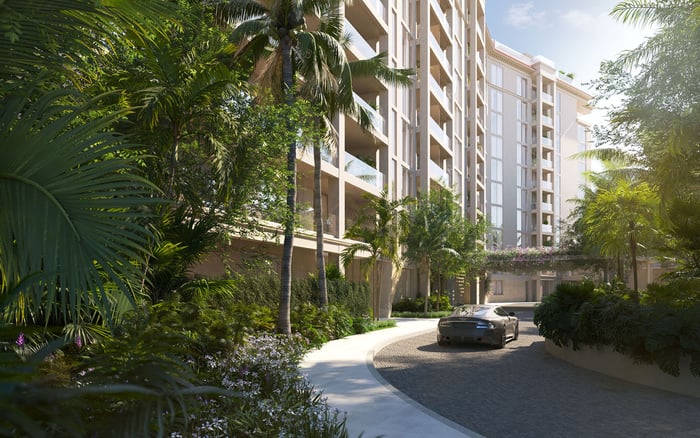
If you want an urban vertical life with dining, work meetings, and a polished evening routine close at hand, Brickell deserves attention. A residence such as The Residences at 1428 Brickell belongs in a conversation about a more metropolitan pied-à-terre, where the value is not only the residence itself but the convenience of being placed within Miami’s business and social core.
If your ideal season is more beach-oriented, Miami Beach offers a different emotional register. Buyers considering The Perigon Miami Beach may be responding to a coastal address that feels more resort-like than corporate, with the beach as part of the daily script rather than a weekend excursion.
Coconut Grove appeals to buyers who want Miami with a softer cadence. It can be especially compelling for those who do not want their seasonal home to feel like a hotel suite in the sky. The Well Coconut Grove can enter the discussion when wellness, neighborhood ease, and a more residential mood are central to the brief.
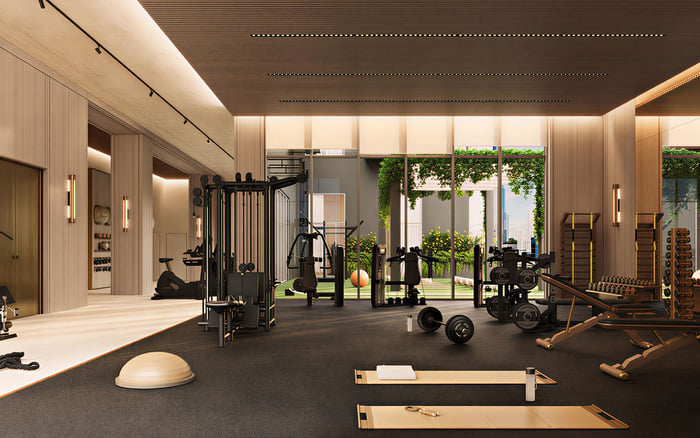
The most successful pied-à-terre purchases are honest about service. Some buyers want a full-service environment where staff, security, amenities, and building systems make the residence feel cared for even when the owner is away. Others prefer a quieter building with less public energy and fewer shared spaces.
Neither approach is inherently superior. The question is temperament. If you are arriving late from Los Angeles, do you want the choreography of a highly serviced building, or the discretion of a smaller residence with minimal ceremony? If you entertain, will guests move comfortably through the building? If you travel with staff, children, or pets, does the layout support that reality without improvisation?
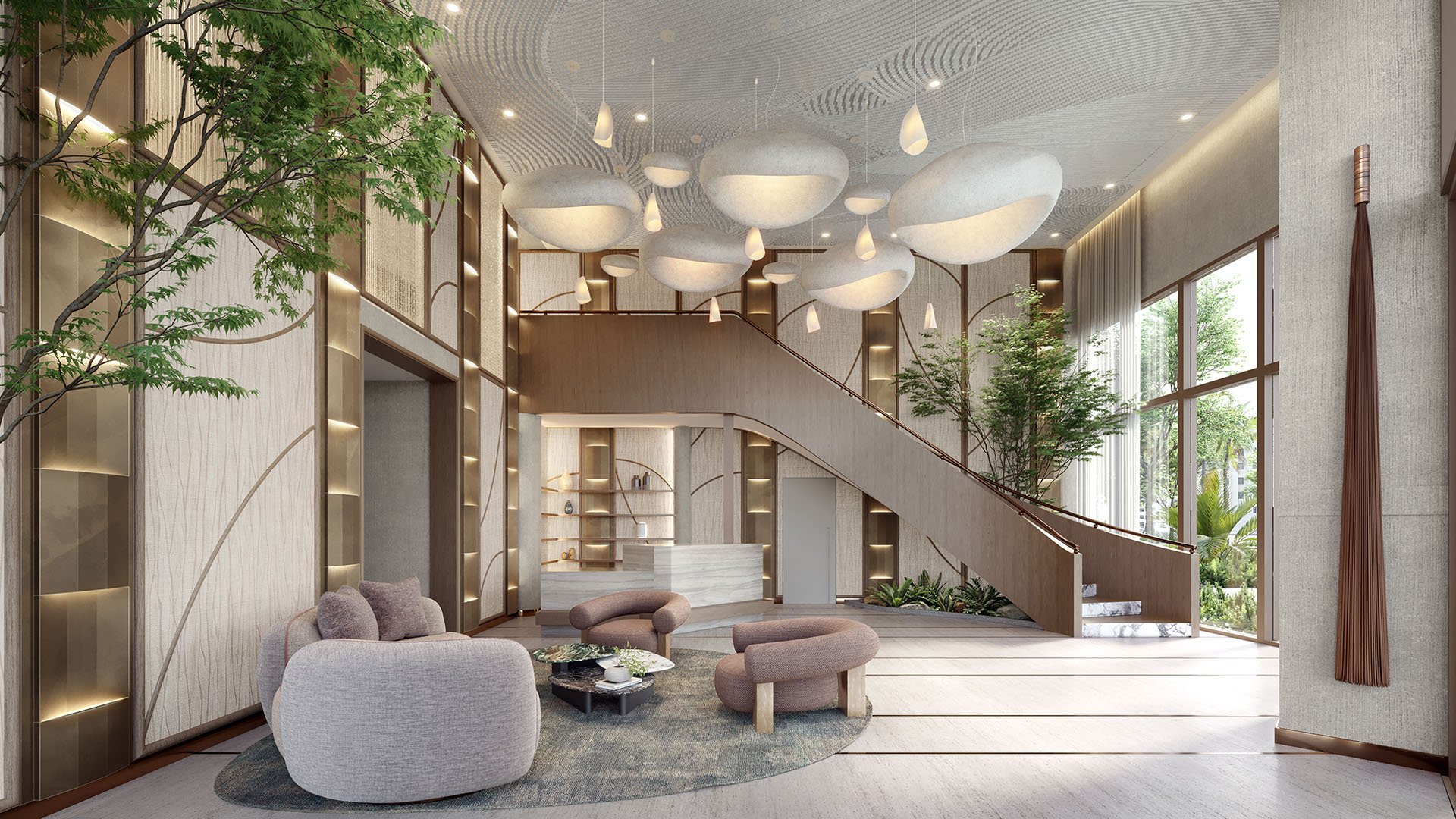
New construction can be attractive to seasonal buyers because it often aligns with contemporary expectations around finishes, building systems, and amenity planning. Still, the more important issue is whether the building’s operational style fits your life. A beautiful lobby is less valuable than a building that handles absences, arrivals, deliveries, and guests with quiet competence.
A seasonal Miami residence should give you something you cannot fully experience in Los Angeles. For many buyers, that means light, water, terraces, and a more immediate connection to the outdoors. Yet not every buyer needs the same visual drama.
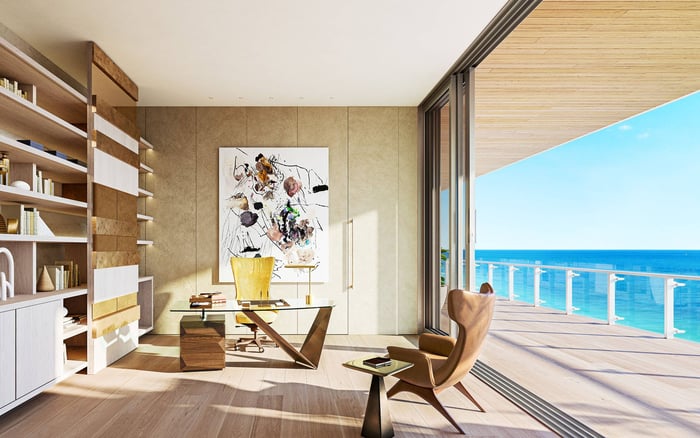
A water view can be restorative if you plan to spend mornings at home, work remotely, or use the residence as a private retreat. A more urban outlook may be better if you want the energy of the city to be part of the experience. Terrace depth, orientation, privacy from neighboring buildings, and how the outdoor area functions at different times of day deserve careful attention.
In Sunny Isles, a residence such as The Ritz-Carlton Residences® Sunny Isles may appeal to buyers who want a branded residential environment and a coastal setting in the same conversation. The key is to evaluate whether the view and service profile will still feel compelling after the novelty of the first season has passed.
Emotion is part of buying well, but a seasonal pied-à-terre should pass a practical test before it wins the heart. Consider storage for clothing, luggage, sports gear, wine, art crates, and children’s items. Consider how easily a housekeeper or property manager can access the residence. Consider whether the kitchen is appropriate for your actual use, not an imagined culinary life that may never occur.
Also examine the guest plan. Los Angeles owners often expect friends and family to visit once a Miami residence exists. A den that works for occasional guests may be more useful than a larger formal area. Split-bedroom privacy can matter. So can elevator access, service corridors, and the distance from arrival to the front door.
The best pied-à-terre is the one that makes absence feel safe and presence feel graceful. If the property requires constant explanation, coordination, or compromise, it may be better suited to a full-time local owner than a seasonal one.
A Miami pied-à-terre is an indulgence, but it should not be treated casually. The purchase should align with lifestyle, ownership structure, estate planning, and long-term flexibility. Some buyers will eventually spend more time in South Florida. Others will keep Miami as a seasonal chapter. Either way, the residence should remain useful as life changes.
Do not over-personalize the first purchase. Select a home that can accommodate a refined version of your current life and a plausible version of your future one. That might mean prioritizing a larger primary suite over another entertainment space, choosing a building with a calmer personality, or selecting a neighborhood that still feels appealing when the calendar is empty.
The Los Angeles-to-Miami move, even as a part-time decision, is ultimately about contrast. Los Angeles offers breadth, privacy, and familiar routines. Miami offers immediacy, vertical living, water, and a different social temperature. The right pied-à-terre lets you enjoy that contrast without sacrificing the discretion and comfort you already expect.
What is a seasonal pied-à-terre? It is a secondary residence used part of the year, typically chosen for convenience, comfort, and ease rather than full-time domestic scale.
Should Los Angeles buyers choose Miami Beach or Brickell first? Start with lifestyle, not prestige. Miami Beach suits a coastal rhythm, while Brickell may suit buyers who want a more urban daily routine.
Is new construction better for a seasonal residence? It can be appealing when a buyer values contemporary finishes and current building systems, but fit and service matter more than age alone.
How important is building service for a part-time owner? Very important if you plan frequent arrivals, extended absences, guest visits, or a low-maintenance ownership experience.
Should I prioritize a water view? Prioritize it if the view will shape how you use the home each day. Otherwise, layout, privacy, and access may be equally important.
Is a larger residence always better for seasonal use? Not necessarily. A well-planned smaller home can outperform a larger residence if it is easier to maintain and better aligned with your routine.
What should I consider before hosting guests? Look at bedroom separation, bathroom access, elevator flow, parking, and whether guests can visit without disrupting your privacy.
How should pet owners evaluate a Miami pied-à-terre? Review building rules, elevator convenience, nearby walking routines, and whether the residence can function comfortably after travel days.
Can a pied-à-terre become a future primary home? It can, but only if the layout, neighborhood, storage, and building services are strong enough for a more permanent lifestyle.
What is the most common buyer mistake? Choosing the most glamorous property before defining the practical rhythm of arrival, use, absence, and return.
When you're ready to tour or underwrite the options, connect with MILLION.
If branded residences are on your mind — as a home or as an allocation — we would be glad to share what we are seeing, privately.
Begin a quiet conversation