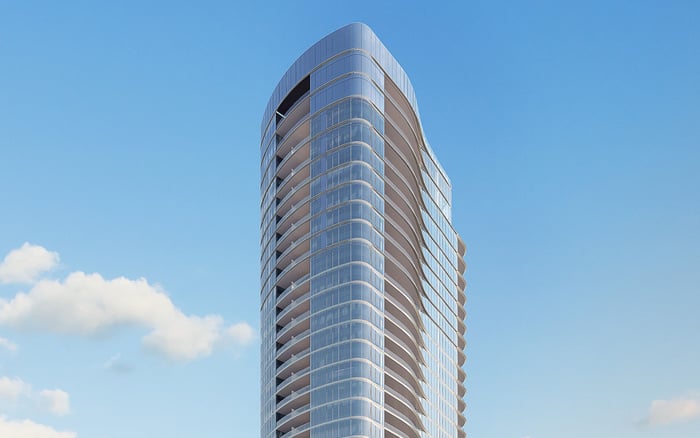
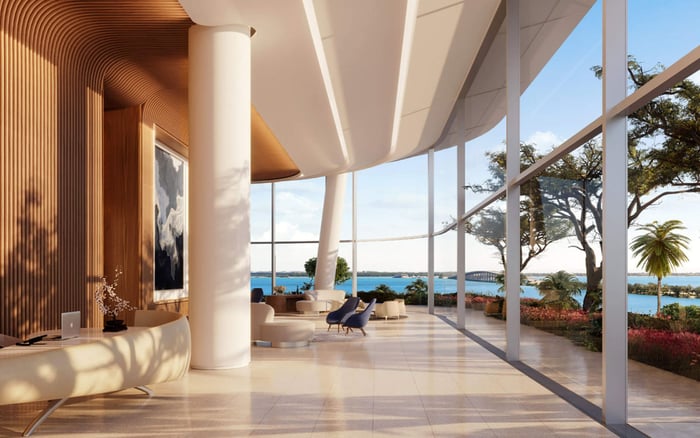
A buyer-focused guide to storm-preparation diligence at The Residences at 1428 Brickell, from building-envelope documentation and flood protection to backup power, owner responsibilities, insurance exposure, and post-storm service recovery.
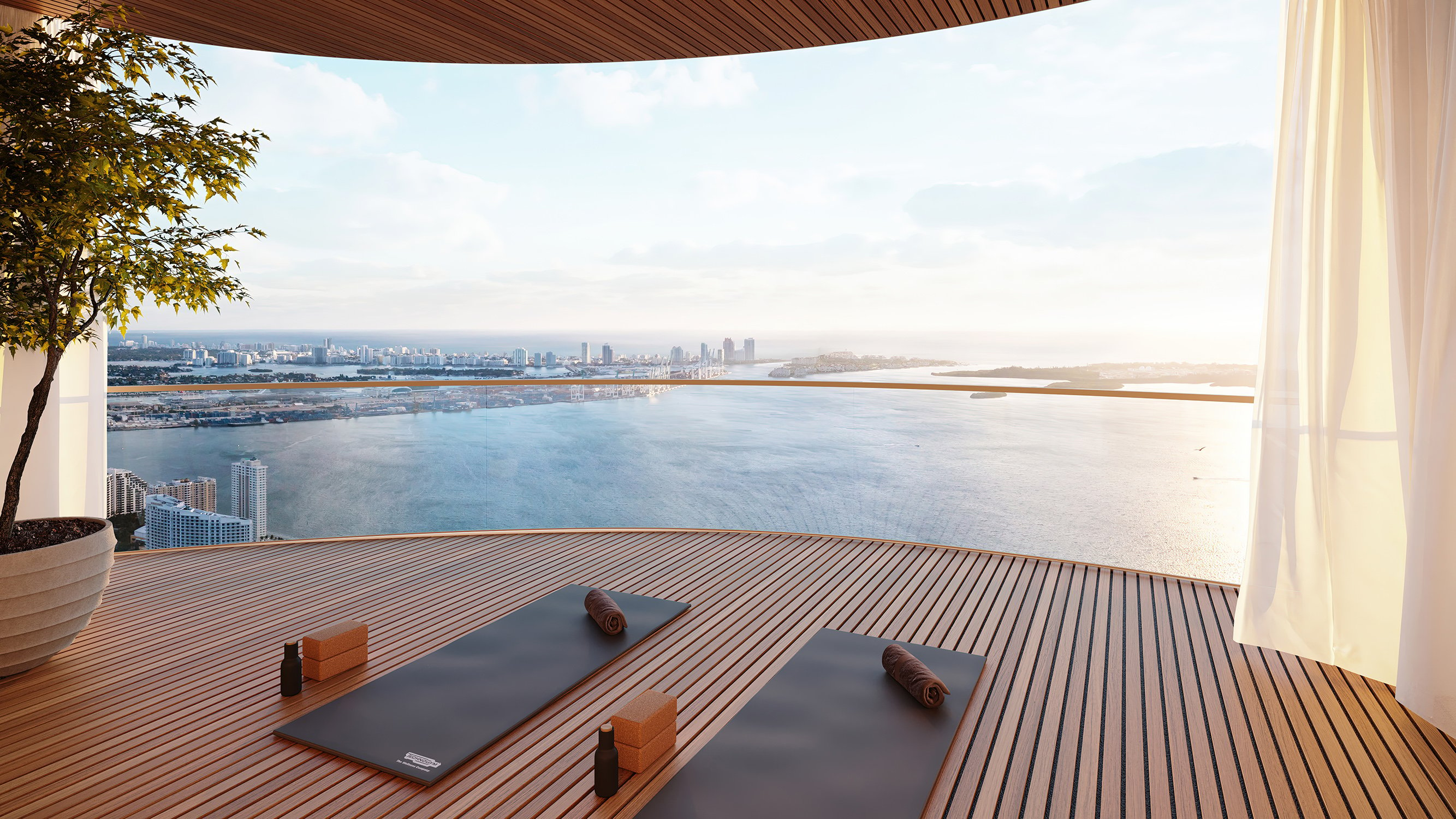
Buying at The Residences at 1428 Brickell is not only a decision about design, views, and lifestyle. In South Florida, it is also a resilience decision. For high-net-worth buyers, storm preparation belongs in the same conversation as floor-plan selection, exposure, parking, privacy, and long-term ownership cost.
The essential shift is procedural: do not rely on broad verbal assurances. Ask for written protocols, engineering summaries, condominium documents, insurance disclosures, emergency plans, and property-management procedures before purchase. Direct those questions to the developer, sales team, property manager, association advisers, and your own counsel. In a market where new-construction buyers often focus on finishes and amenities, storm diligence is where the long-term value conversation becomes more disciplined.
Begin with the most basic question: what written hurricane and major-storm protocols will apply to residents before, during, and after a storm? A polished service culture has value, but a written plan tells an owner how the building intends to operate when timing, access, staffing, and communication matter most.
Ask whether residents receive storm checklists, evacuation guidance, emergency communications, and post-storm status updates from management. The answer should clarify how notices are delivered, who coordinates them, and what owners are expected to do before management begins securing the property. For Brickell buyers comparing nearby towers such as Una Residences Brickell or St. Regis® Residences Brickell, the sophistication of storm communication can be as important as amenity programming.
At this price point, the building envelope deserves close attention. Ask how the tower’s façade, glazing, exterior doors, and balcony systems are designed to handle hurricane-force winds and wind-borne debris. This should not be a casual question about impact glass. It should be a request for documentation.
Request available testing, certifications, or code-compliance information for the building envelope. Buyers should understand what materials and assemblies are being described, how they relate to the tower’s exposure, and whether documentation will be available in a format that counsel, insurance advisers, or technical consultants can review. Balcony responsibility also deserves careful review, because limited common elements may be treated differently from interior unit components in condominium documents.
Storm risk is not only about wind. Ask whether lower levels, garage areas, loading zones, and critical building infrastructure are protected from flooding or storm surge. The question matters in any waterfront or near-water urban setting, and it is especially relevant in a dense vertical district where garage, service, and back-of-house functions are essential to daily living.
Buyers should ask where electrical, mechanical, life-safety, communications, and water systems are located relative to potential flood exposure. A beautiful arrival sequence means little if essential systems are vulnerable or if recovery depends on components positioned in exposed areas. This is not a request for marketing language. It is a request for clear, written information about how the property is organized and how critical services are protected.
Backup power is one of the most misunderstood storm-preparation topics in luxury condominiums. Ask what backup-power systems exist, what they serve, and how long they are expected to operate during an outage. Do not stop at the word “generator.” The useful question is what the system actually supports.
Clarify whether backup power supports elevators, fire and life-safety systems, access control, water pressure, lighting, communications, refrigeration, or air-conditioning. Some services may be prioritized differently from others. A buyer should know whether the backup-power plan is designed primarily for code-required systems, resident mobility, essential operations, or broader comfort. For South Florida towers, this is one of the clearest ways to separate lifestyle expectation from operational reality.
Elevators are central to high-rise living, so ask how elevator operations are managed before landfall, during high winds, and after a storm when inspections may be required. This includes whether elevator service may be suspended, how residents are notified, and what must occur before normal operation resumes.
Then ask what building staff will do to secure common areas, amenities, terraces, pool decks, outdoor furnishings, and other movable objects. A luxury tower’s outdoor areas are part of its identity, but they also require disciplined preparation. This includes pool furniture, terrace accessories, service zones, and other items that may need to be removed, tied down, or stored. Buyers considering other urban luxury settings such as Baccarat Residences Brickell should make the same inquiry, because the operational choreography can affect both safety and post-storm recovery.
A central question is responsibility. Ask what individual owners must do to secure residences, balcony areas, contents, insurance coverage, and post-storm access. Owners should understand whether they are responsible for outdoor furnishings, window coverings, personal property, terrace contents, or other movable items before a storm.
Equally important, ask how the condominium association documents allocate responsibility for storm damage to units, common elements, limited common elements, windows, doors, and balconies. The distinction can have major financial consequences after a storm. It may determine who coordinates repairs, who pays deductibles, and how quickly restoration can begin. Before signing, have the relevant language reviewed by qualified advisers who understand condominium ownership in South Florida.
Storm preparation is not complete without reviewing insurance and the association budget. Ask what master insurance policies, windstorm coverage, deductibles, reserves, and special-assessment risks may apply after a hurricane. The answer may shape your view of carrying cost and future capital exposure.
The key is not simply whether a policy exists. Buyers should focus on what is covered, what deductibles may be triggered, how reserves are expected to function, and whether a severe storm could create assessment risk. In the ultra-premium segment, privacy and service are prized, but financial resilience is equally important. A building that can communicate coverage, responsibilities, and recovery funding with precision gives buyers a more complete picture of ownership.
Finally, ask how quickly the building can resume normal services after a major storm. The relevant categories include security, elevators, water, cooling, valet, concierge, and amenity access. These are not cosmetic details. They affect whether residents can return, whether staff can operate, and whether the building can reestablish its normal rhythm.
For The Residences at 1428 Brickell, this line of questioning should be part of a broader acquisition review, not a last-minute concern. Brickell buyers often compare lifestyle, architecture, and hospitality across properties, including emerging luxury addresses such as 888 Brickell by Dolce & Gabbana. The more refined comparison is operational: what happens when the waterfront skyline is under stress, and how clearly can the building explain its plan?
What is the first storm-preparation question to ask before buying at The Residences at 1428 Brickell? Ask for the written hurricane and major-storm protocols that apply before, during, and after a storm.
Should buyers rely on verbal assurances about storm readiness? No. Ask for written documents, including emergency plans, engineering summaries, insurance disclosures, and management protocols.
What should I ask about the façade and glazing? Ask how the façade, glazing, exterior doors, and balcony systems are designed for hurricane-force winds and wind-borne debris.
Why does flood protection matter in a high-rise condominium? Lower levels, garage areas, loading zones, and critical infrastructure can affect recovery if they are exposed to flooding or storm surge.
What should backup-power questions cover? Ask what backup power serves, how long it is expected to operate, and whether it supports elevators, life-safety systems, access, water, lighting, communications, refrigeration, or cooling.
Can elevator service change during a storm? Yes. Buyers should ask how elevators are managed before landfall, during high winds, and after inspections may be required.
What does building staff typically secure before a storm? Ask what staff will do for common areas, amenities, terraces, pool decks, outdoor furnishings, and other movable objects.
What owner responsibilities should be clarified? Clarify responsibility for securing residences, balcony contents, personal property, insurance coverage, and post-storm access.
Why are condominium documents important for storm damage? They may allocate responsibility among units, common elements, limited common elements, windows, doors, and balconies.
What is the best way to shortlist comparable options for touring? Start with location fit, delivery status, and daily lifestyle priorities, then compare stacks and elevations to validate views and privacy.
If you'd like a private walkthrough and a curated shortlist, connect with MILLION.
If branded residences are on your mind — as a home or as an allocation — we would be glad to share what we are seeing, privately.
Begin a quiet conversation