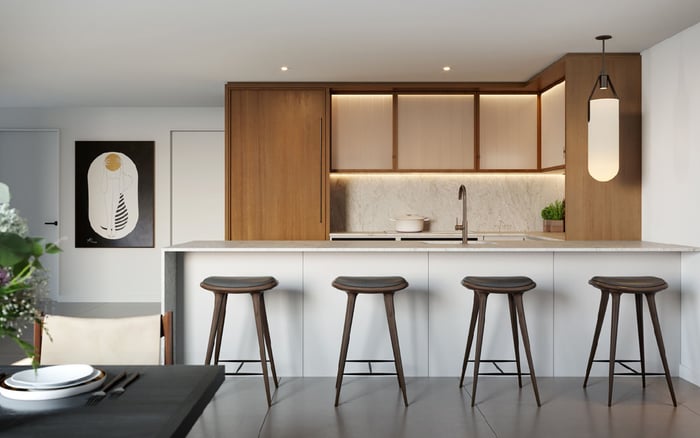
A practical ownership-readiness audit for Una Residences Brickell, focused on hurricane procedures, balcony clearance, approved access, and the responsibilities an absent owner should settle with management before departure.

At Una Residences Brickell, a waterfront condominium in Miami, ownership readiness extends beyond the residence itself. For an owner dividing time between cities, the practical question is straightforward: who will prepare the home, under what authority, and with what confirmation while the owner is away?
Hurricane season runs June 1 through November 30. A considered plan should be settled before departure, not improvised as a storm approaches. That means distinguishing public preparedness guidance from association procedures, then assigning the tasks that remain the owner's responsibility.
The most useful buyer's guides examine these operational details alongside architecture and lifestyle. At Una, the goal is not to infer services from the property's character. It is to establish a written chain of responsibility for balcony preparation, residence access, and post-storm inspection.
Begin by requesting the declaration and bylaws, current house rules, hurricane plan, balcony-use rules, unit-access and key-control policies, and glazing specifications. Ask whether management uses an owner-absence authorization form and what supporting documents it requires. Public-facing project information is no substitute for association-issued instructions.
Read these materials together. Balcony-use permission does not necessarily resolve storm-preparation questions, and permission to enter a residence does not automatically authorize repairs or spending. The audit should establish who approves each action, who carries it out, and how completion is recorded.
For a buyer also considering Cipriani Residences Brickell, this is a useful comparison framework-not evidence of shared rules. Request each property's own documents rather than carrying assumptions from one address to another.
Finish this stage with a short responsibility schedule: each task, its deadline, the responsible person, the backup, and the required confirmation. Place every unresolved point on the management follow-up list.
Ask management how applicable hurricane-preparedness requirements affect exposed loose objects on your balcony. Confirm the approved method and timing for securing or storing them; general preparedness guidance does not independently authorize alterations to a condominium balcony.
Outdoor furniture and similar materials can become windborne. Weight, value, or ordinary permission to keep an object outdoors should not be treated as a storm-safety exemption. An elegant terrace arrangement still needs a practical preparation plan.
Complete balcony clearance is a conservative audit recommendation, not a statement of Una's requirements. Discuss removing balcony and terrace items and securing them in approved indoor locations, particularly during an extended absence. Confirm Una's instructions before choosing a method.
Ask management to resolve six practical points:
The clearance deadline and the notice that activates it.
Approved indoor storage locations and any prohibited materials.
Elevator restrictions affecting furniture movement.
Who is responsible for moving and storing each item.
Any labor charges and how work is authorized.
The required evidence that preparation is complete.
Then walk through the movement and storage plan with your representative. Inventory furniture and décor, identify pieces requiring additional labor, and establish where each item will go. Photograph the cleared balcony and stored items so completion is documented, not assumed.
Windows and sliding-glass doors deserve a separate line on the audit. Request the residence's glazing specifications and written operating instructions. Do not assume an impact rating, a shutter requirement, or permission to attach protective materials.
General guidance about shutters or boarding does not establish an approved installation method for Una. It should not become a purchasing list or a reason to modify hardware without building-specific authorization.
Ask management how windows and sliding-glass doors should be secured and whether any existing shutters require action. Confirm what must be checked, who may perform the work, and what documentation is appropriate. The objective is to prepare the installed system correctly, not improvise an additional layer of protection.
An absent owner's representative needs more than a name on a contact list. Ask management which forms, identification, keys, fobs, and supporting documents must be provided before access is granted. Confirm acceptance while there is still time to resolve discrepancies.
A proposed authorization should identify a primary representative and a backup, permitted entry periods, preparation duties, and the scope of post-storm inspections. It should also address emergency-repair authority and spending limits. Have management confirm how the authorization fits its access and emergency procedures.
Privacy belongs in the same document. Specify restrictions concerning valuables, third-party key release, and nonemergency work. Establish who receives photographs, inspection findings, and requests for further approval. These are suggested safeguards to discuss, not a description of an existing Una form.
The same questions are worth asking when evaluating The Residences at 1428 Brickell. Authorization should be property-specific: an arrangement accepted at one building should never be presumed effective at another.
Before leaving, confirm that the representative understands both the assignment and its limits. A named person without accepted access credentials or clear duties is not a complete absence plan.
Do not assume Una provides balcony clearing, shutter closing, or individual unit checks. Request written confirmation of any available service, its scope, applicable charges, and the owner's remaining responsibilities.
Rather than relying on unconfirmed staff assistance, arrange a responsible person or firm for private preparation and post-storm checks, subject to Una's access rules. Keep those assignments separate from any services management confirms in writing.
Agree on the reporting sequence in advance: confirmation of preparation, photographs, inspection findings when access is permitted and conditions are safe, and escalation of repair decisions. Keep spending authority explicit so the representative knows what can proceed and what requires further approval.
Consider the audit ready for sign-off only when the balcony plan, opening instructions, accepted access arrangements, primary and backup contacts, and post-storm inspection responsibilities are documented. Revisit the plan when furnishings, representatives, or building instructions change.
Property preparation is only one part of hurricane readiness. Supplies, official-alert monitoring, and evacuation or shelter planning remain essential. A well-organized residence plan should support those personal-safety decisions, never compete with them.
For a considered approach to South Florida ownership, explore MILLION.
If branded residences are on your mind — as a home or as an allocation — we would be glad to share what we are seeing, privately.
Begin a quiet conversationHurricane season runs June 1 through November 30. Owners should settle preparation and access arrangements before departing for an extended absence.
Complete balcony clearance is a conservative audit recommendation, not a confirmed Una requirement. Ask management for the applicable rules and deadlines.
An item's weight should not be treated as a storm-safety exemption. Confirm the building-approved method for securing or storing it.
Request the declaration and bylaws, house rules, hurricane plan, balcony-use rules, access and key-control policies, glazing specifications, and any owner-absence authorization form.
General hurricane guidance does not establish permission to install either at Una. Obtain building-specific instructions and approval before attaching materials or modifying hardware.
No; request the residence's glazing specifications and operating instructions rather than assuming an impact rating or protection method.
Do not assume balcony clearing, shutter closing, or unit checks are included. Confirm any available services, charges, and owner responsibilities directly with management.
Suggested terms include primary and backup representatives, permitted entry periods, preparation duties, post-storm checks, emergency-repair authority, and spending limits. Confirm that management accepts the arrangement.
Ask management which forms, identification, keys, fobs, and supporting documents it requires. Confirm acceptance before the owner leaves.
Arrange an inspection when access is permitted and conditions are safe, with photographs and a clear reporting process. Define repair authority and spending limits in advance.