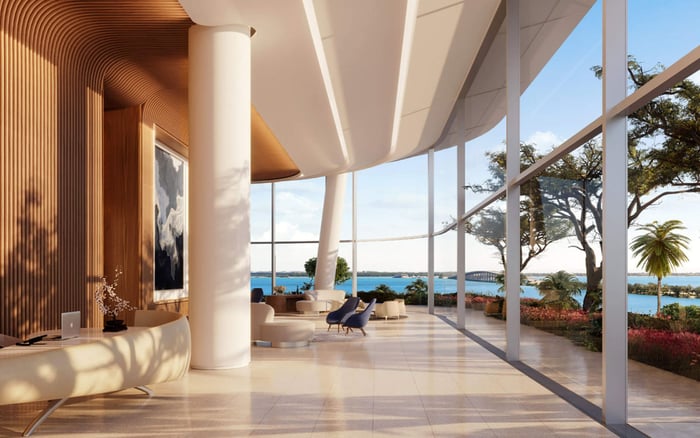
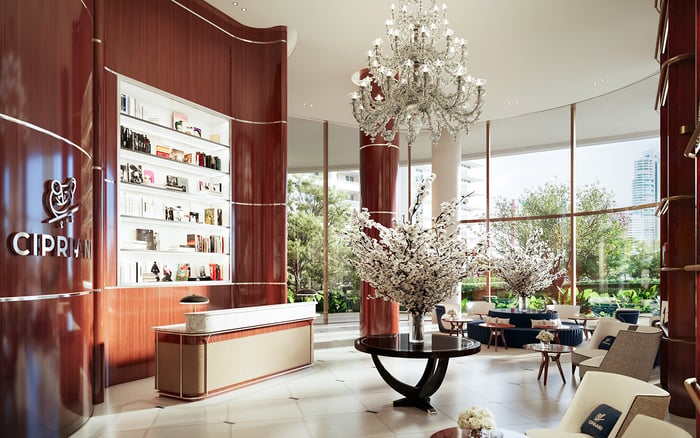
At 888 Brickell by Dolce & Gabbana, advertised closets and private storage warrant a closer look before a family commits. Dimensions, permitted contents, access and hotel-program rules will determine whether the residence accommodates daily life as elegantly as its interiors suggest.
A family residence must accommodate more than the people who occupy it. Strollers, rackets, golf bags and weekend equipment need a place that is both permitted and practical. At 888 Brickell by Dolce & Gabbana, the ownership question is not simply whether storage is advertised, but whether its eventual configuration supports the household’s routines.
The project is marketed as a 259-residence hybrid condo-hotel tower rising approximately 1,049 feet, with fully furnished residences featuring curated furnishings and custom designs by Dolce & Gabbana. That design proposition warrants an equally precise operational review. A beautifully resolved interior does not, by itself, establish where a double stroller or paddleboard belongs.
The distinction is straightforward: advertised storage is a starting point for due diligence, not a confirmed entitlement to store any particular item.
“Private storage” is advertised, but its dimensions, location, allocation to individual residences, pricing and permitted contents are not established. Buyers should not treat those two words as confirmation of a separate, generously sized storage room.
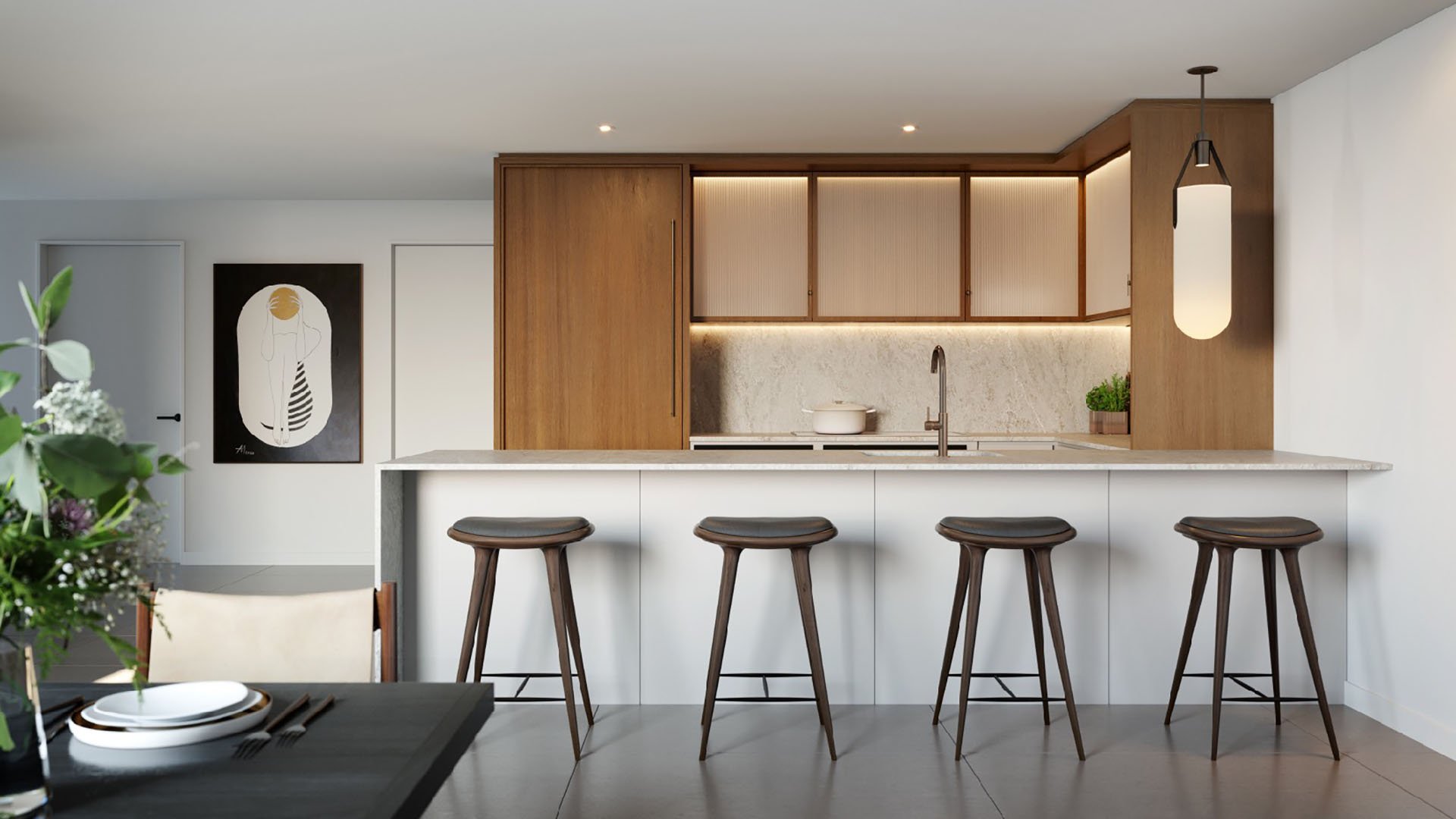
Advertised residence features also include lockable owner’s closets in the principal suite and fully built-out closets with custom millwork. These are meaningful interior features, but neither establishes capacity for a stroller, bicycle or sports bag. The lockable owner’s closet is an in-unit provision, not confirmation of separate bulk storage.
Private wine storage is advertised separately. Evaluate it as a distinct feature rather than counting it as general-purpose space for family belongings.
Request a dimensioned plan identifying each storage component associated with the selected residence. Compare usable space, door openings and shelving arrangements with the actual equipment the family intends to keep.
A children’s playroom is advertised, but stroller parking and storage for residents’ personal toys are not specified. Dedicated stroller and bicycle rooms are not explicitly identified as amenities. That remains an unresolved question, not proof that such facilities will be unavailable.
Work through the daily sequence: arrival, unloading, elevator access, entry into the residence and final storage. Residences are advertised with private or semi-private keyed elevators, so the selected unit’s access arrangement matters. Ask for doorway and elevator dimensions rather than relying on the apparent generosity of a floor plan.
Confirm whether strollers must be folded in shared areas, where temporary staging is permitted and whether any storage is allowed near the playroom. Obtain the rules for corridors, lobbies and elevators. Private outdoor spaces and loggias are also advertised, but permission to keep family equipment there is not established.
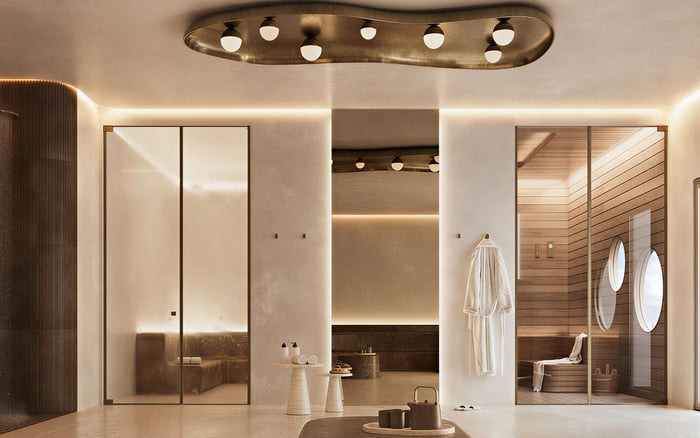
The advertised indoor padel court, fitness center and spa with hot and cold plunge pools support recreation and wellness. They do not establish permanent lockers or storage rights for rackets, golf clubs or other personal equipment.
Distinguish equipment used during a visit from belongings intended to remain between visits. Ask whether lockers, if provided, are day-use or assigned, whether overnight storage is permitted and whether larger items require a different arrangement. For bicycles or other equipment with batteries, request any applicable charging and fire/life-safety restrictions in writing.
A family also considering 2200 Brickell should apply the same equipment inventory to its document review. The useful comparison is not simply the number of recreational amenities, but whether each property can accommodate the household’s belongings under documented rules.
On-site boat slips, dry boat storage, kayak racks and stand-up paddleboard storage are not advertised. Buyers should therefore investigate off-site arrangements unless an on-site provision is confirmed in writing.
Distinguish the craft itself from its accessories. A board, paddle, life jacket and equipment bag raise different questions of dimensions and handling. Confirmation that one accessory fits in a closet is not approval for the entire collection.
Before committing, evaluate the complete outing: collecting the equipment, transporting it, returning it and storing it afterward. Ask any prospective off-site provider about access hours, handling, security and contractual terms. Do not assume the advertised Rolls-Royce house car will carry boards or boating equipment. Its availability as an arrival service does not establish that use.
A porte-cochère, valet service and house car are advertised, but bulky-item handling and storage arrangements are not specified. Families should ask where staff assistance begins and ends, particularly when one adult arrives with children and equipment.
Clarify whether valet or bell staff can handle a folded stroller, golf bag or larger item; where belongings may wait; and whether service-elevator reservations are required. Ask about charges and restrictions on leaving items unattended.
The goal is a repeatable routine, not a one-time accommodation. An occasional delivery arrangement may not meet the needs of a stroller used several times daily. Written operating rules should distinguish routine resident movement from scheduled moves and oversized deliveries.
For owners considering hotel-program use, the lockable principal-suite closet deserves particular attention. Confirm what may remain inside, who can access it and whether its usable capacity accommodates the belongings the household wants to leave behind.
Ask whether separate owner storage is available, whether it carries additional fees and how stored items are retrieved before an owner’s return. Do not assume a closet described as lockable is intended for bulky sports equipment or that participation in a hotel program includes additional storage.
For a second home, test the proposed arrangement against a typical departure. Identify everything that must be secured, removed or transferred elsewhere. The answer should come from the applicable documents and operating rules, not the furnished presentation alone.
Before purchase, request the storage plan and provisions covering dimensions, access, allocation, fees, permitted items and fire/life-safety restrictions. Have counsel identify where the proposed storage rights are recorded and which rules may govern their use.
Create a household inventory with dimensions, then assign each item a documented destination and a permitted route. If The Residences at 1428 Brickell is also under consideration, use the same checklist without assuming either project offers equivalent arrangements.
The conclusion is not that 888 Brickell cannot serve family life. It is that its advertised storage features leave practical questions to resolve before ownership. For families, luxury becomes tangible when everyday equipment has a secure place without compromising the home’s intended design.
For a considered approach to South Florida ownership, explore MILLION.
If branded residences are on your mind — as a home or as an allocation — we would be glad to share what we are seeing, privately.
Begin a quiet conversationYes, private storage is advertised, but dimensions, location, per-residence allocation, pricing and permitted contents are not established.
The advertised lockable owner’s closets are located in the principal suite. They do not confirm a separate bulk-storage room.
Their capacity for strollers is not established. Request usable dimensions, door clearances and permitted-use rules for the selected residence.
The amenity descriptions do not explicitly identify either facility. Obtain written confirmation rather than interpreting the omission as proof of absence.
A children’s playroom is advertised, but storage for residents’ toys and stroller parking are not specified.
The advertised sports facilities do not establish permanent lockers or storage rights for personal equipment. Ask about assigned storage and overnight-use rules.
Private outdoor spaces and loggias are described, but permission to store equipment there is not established. Confirm the applicable rules before counting that space as storage.
The project material does not market on-site boat slips, dry boat storage, kayak racks or stand-up paddleboard storage. Investigate off-site options unless on-site arrangements are confirmed in writing.
Valet service and a Rolls-Royce house car are advertised, but bulky-item handling and transport arrangements are not established. Ask about permitted items, staging and any charges.
Confirm what may remain in lockable owner closets, access arrangements and whether separate owner storage is available. Establish any fees and retrieval procedures before relying on that storage.